

How to Keep Sarees Looking New: Washing, Storage and Care Tips
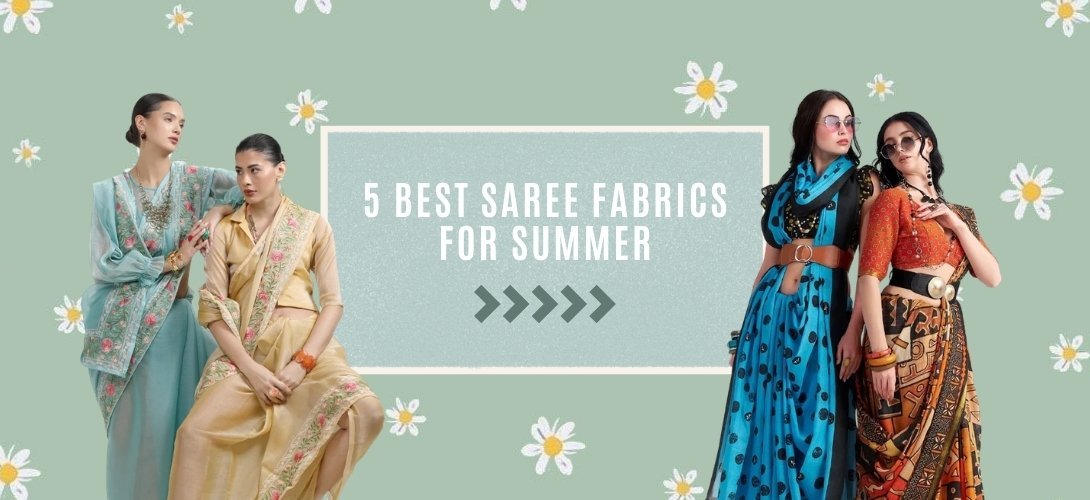
Summer Saree Fabric Guide: Top 5 Picks for Hot Indian Weather
Written by DUNGRANI fashion |
Every Occasion |
Indian summers are unforgiving. Temperatures climb past 40°C, humidity makes everything sticky, and you still have weddings, festivals, and ceremonies to attend.
Wearing the wrong saree fabric turns a beautiful outfit into something you regret wearing. Your saree clings to your skin, sweat stains appear within minutes, and you spend hours wishing you could just go home and change. The right fabric creates an immense difference.
This summer saree fabric guide explores the five best saree material for hot climate, what makes them work, when to wear them, and how to choose the perfect one for your needs.
Key Takeaways
➤ In Indian summers crossing 40°C, lightweight, breathable saree fabrics for hot weather are essential to prevent sweat buildup and overheating during long events.
➤ Cotton and viscose-mulmul blends absorb moisture well, while chiffon and organza allow better airflow and lighter draping.
➤ Cotton-silk blends offer a balance of breathability and festive shine, making them ideal for weddings and office-to-evening transitions.
➤ Light colours reflect heat, while dark shades can increase warmth by several degrees under direct sunlight.
➤ Choosing the right fabric weight, weave, and draping style ensures comfort for 6 to 12 hours in hot, humid conditions.
What Is the Scientific Reason Behind Summer Friendly Saree Textiles?
Your body cools itself by sweating. When sweat evaporates from the skin, it cools you off. Heavy fabrics stop this from happening properly. The sweat stays trapped, and you feel hot and sticky.
Light, breathable saree fabrics for hot weather let your body do its job. The air moves through the fabric, and sweat evaporates quickly. You stay comfortable.
What Characteristics Define Summer Fabrics?
1. Breathability: Allows maximum air circulation to keep skin cool.
2. Moisture-wicking/absorbency: Absorbs sweat and dries rapidly, preventing a sticky feeling.
3. Lightweight: Materials feel light, airy, and are often thin, such as linen, cotton, or voile.
4. Natural fibres: Cotton, linen, bamboo, and viscose sarees are preferred over synthetics, which trap heat and odour.
5. Light colours: Shades like white, beige, or pastels reflect sunlight and heat away from the body.
6. Loose weave: A looser weave (like cheesecloth) allows better airflow.
Different Climates Need Different Approaches
Summer in India varies by location. Delhi can hit 48°C, but the air is dry. Chennai usually stays around 38°C with very high humidity. Mumbai sits between 35–42°C with humidity that makes everything feel warmer.
Each climate has its challenges, Like best rainy Season Sarees. But the basic rules about lightweight, breathable saree fabrics for hot weather apply everywhere.
Most events mean wearing your saree for 6 to 12 hours. Your fabric needs to last that long. It should still look good and feel comfortable at hour 6, not just when you first put it on.
Which Saree Fabric Is Best for Summer in India?
The best saree fabrics for summer are often made from natural fibres. These materials allow air to move freely, which is essential when the temperature starts to rise. Whether you’re heading to the office or attending a summer wedding, the following saree fabrics will help you stay cool and relaxed.
1. Cotton

Cotton fabric is made from soft, fluffy cellulose fibres that grow around the seeds of the cotton plant (genus Gossypium). These cottony bolls are picked, cleaned, and processed into fibres. The fibres are spun into yarn and then woven or knitted into textile products.
Benefit: Cotton sarees are perfect for summer because they breathe well, letting air flow and keeping you cool. Their natural, absorbent fibres draw away sweat to cut down on stickiness. Plus, they’re lightweight and soft against the skin, adding to the overall cotton saree fabric benefits.
Best for: Daily office wear in 30–40°C weather, religious ceremonies lasting 3–6 hours, outdoor family events in humid conditions, all body types, works in both dry and humid climates
Colour recommendations: Pastels (light pink, mint, lavender), bright (yellow, coral, turquoise)
Avoid: Deep navy, black, maroon in direct sunlight. They absorb heat and can make you 3–5°C warmer.
2. Cotton-Silk Blend

This blend fabric mixes natural cotton fibres with silk fibres. It usually has about 60% cotton and 40% silk. This combination gives it the strength and breathability of cotton, along with the sheen, luxury, and softness of silk.
Benefit: These sarees are lightweight and breathable, combining comfort and elegance. The cotton absorbs moisture and wicks sweat, keeping you cool. The silk adds a touch of sophistication with its sheen.
Best for: Wedding season (multiple functions), festive occasions, office to evening party transitions, moderate heat with occasional AC, all body types
Colour recommendations: Pastels (peach, lilac, mint), bright (red, royal blue, bottle green)
Avoid: All-over heavy embroidery. The fabric itself has enough appeal.
Most popular choices at Dungrani:

⬥ Coral Pink Cotton Silk Gardenia Saree
⬥ Yellow Leaf Motif Cotton Silk Jaal Saree
⬥ Olive Green Cotton Silk Gardenia Saree
⬥ Teal Blue Cotton Silk Gardenia Saree
⬥ Light Rama Green Motif Print Cotton Silk Jaal Saree
3. Chiffon

Chiffon is mainly made from synthetic fibres like polyester or nylon. However, it can also be made from natural fibres such as silk or cotton. Originally, it was made only from silk, a luxury option that’s soft and biodegradable.
Benefit: Chiffon sarees keep you cool and comfy in hot, humid weather. The soft, sheer fabric doesn’t cling to your body. This allows for great airflow. It's easy draping gives you a graceful and comfortable look for all-day wear.
Best for: Evening parties and receptions, summer weddings (guest), formal dinners and events, indoor air-conditioned functions, women who prefer flowing drapes
Colour recommendations: Pastels (baby blue, rose, cream), bright (red, royal blue, emerald)
Avoid: Too much shine or glitter in summer day events. Save those for winter or evening.
Most popular choices at Dungrani:

⬥ Pink & Pista Glow Chiffon Ready-To-Wear Saree
⬥ Purple Off-white Chiffon Ready-To-Wear Saree
⬥ Pink Turquoise Chiffon Pre-Pleated Saree
⬥ Pista & Yellow Glow Chiffon Ready-To-Wear Saree
4. Viscose-Mulmul-Liva Blend

This fabric is made from a blend of viscose fibre (specifically Liva-branded, eco-enhanced viscose). It also includes mulmul, which is a very fine, soft, and lightweight cotton-like fabric.
Benefit: Viscose-mul-liva sarees give great breathability, moisture absorption, and lightweight comfort, making them the best saree fabric for daily wear in summer. They keep you cool in hot, humid weather. Liva-enhanced viscose adds a soft, silky feel and elegant drape. Mulmul cotton ensures excellent sweat management without clinging to the skin.
Best for: Daily wear in hot weather, casual family functions, daytime ceremonies and pujas, shopping or outings lasting 4–8 hours, women who prioritise comfort over a formal look, dry and humid climates
Colour recommendations: Pastels (powder blue, soft peach, lemon), bright (coral, sky blue, mint green)
Avoid: Very dark shades for daytime outdoor wear. Heavy borders that add weight and reduce the fabric's natural lightness.
Most popular choices at Dungrani:

⬥ Yellow Viscose Mul Liva Block Printed Saree
⬥ Green Viscose Mul Liva Digital Printed Saree
⬥ Yellow Viscose Mul Liva Solid Saree
⬥ White Viscose Mul Liva Polka Dots Saree
⬥ Black & Orange Viscose Mul Liva Digital Printed Saree
5. Organza

Organza is a lightweight and sheer fabric. It’s usually made from silk. Today, many affordable versions use synthetic fibres, mainly polyester or nylon. Organza has a stiff texture, a slight sheen, and a delicate, transparent look.
Benefit: Organza sarees are super lightweight, airy, and breathable, which is great for keeping you cool since they let in plenty of air. It's perfect for anyone who wants to look polished without feeling weighed down, since it's way less stifling than traditional silk
Best for: Evening parties and receptions, summer weddings (guest), formal dinners and events, indoor air-conditioned functions, women who prefer flowing drapes
Colour recommendations: Pastels (baby blue, rose, cream), bright (red, royal blue, emerald)
Avoid: Too much shine or glitter in summer day events. Save those for winter or evening.
Most popular choices at Dungrani:

⬥ Tea Green Milky Organza Flex Embroidery Saree
⬥ Electric Blue Soft Organza Ready-To-Wear Saree
⬥ Turquoise Blue Organza Rose Printed Embroidery Saree
⬥ Cinnamon Brown Organza Mono Gold Floral Embroidery Saree
➤ Related Post: Best Saree Colours for Skin Tone
Summer Saree Mistakes That Make You Uncomfortable
Wearing a saree in the summer should feel light and easy. However, a few common errors can quickly turn a beautiful outfit into something that feels heavy and hot. By being mindful of these mistakes, you can ensure that you stay cool and relaxed while still looking your best:
1. Fabric choice: Choosing stiff, non-breathable, or synthetic fabrics (nylon, polyester blends), which cause overheating and skin irritation.
2. Wrong petticoat: Wearing a tight, non-absorbent, or bulky petticoat that restricts movement and adds heat.
3. Improper draping: Tying the saree too tightly (restricts movement) or too loosely (causes it to slip/shift), and not using enough pins to keep it secure.
4. Ill-fitting blouse: A tight, restrictive blouse causes discomfort, while a loose one looks messy.
5. Poorly managed pleats: Bulky, unevenly stitched, or improperly aligned pleats that make the waist uncomfortable.
➤ Related Post: How to Look Slim in Sarees?
How to Choose Summer Saree Fabric?
Finding the right saree for a hot day is all about balancing style with comfort. Here are the most important factors to keep in mind when you are shopping for your summer wardrobe:
1. Breathable fabrics: Choose natural fabrics that allow air circulation, such as cotton, mulmul, khadi, and linen, which prevent a "stuffy" feeling.
2. Lightweight materials: Avoid heavy, thick materials. Opt for sheer, airy saree fabrics for Indian summers, like chiffon and georgette sarees, for a comfortable drape.
3. Colour palette: Select light colours, whites, and pastels, as they reflect heat and look fresh. Vibrant prints are also excellent for the season.
4. Minimalist designs: Choose sarees with minimal embroidery, light detailing, or simple prints to avoid unnecessary weight.
5. Comfortable draping: Consider easy-to-manage Saree draping styles that allow for easy movement.
➤ Related Post: Best Saree Styles for Different Body Types: Complete Styling & Fabric Guide
Beat the Heat with the Perfect Summer Saree at Dungrani!
Summer sarees don't have to mean discomfort. The right saree fabrics for Indian summers make all the difference. Cotton, cotton-silk blends, chiffon, viscose-mulmul-liva, and organza are your best saree fabrics for summer. They let your skin breathe, absorb moisture, and keep you cool for hours. Choose light colours and natural fibres.
Avoid synthetic materials and dark shades that trap heat. Pay attention to fabric weight and weave. Your comfort matters just as much as how you look. Start building your summer saree collection today with fabrics that work for your climate and lifestyle. Dungrani is here to help you find comfortable, elegant options that suit your needs.
If you need expert guidance on choosing the perfect, comfortable saree fabrics, reach out to us today!
Frequently Asked Questions
1. What fabric saree is comfortable in hot weather?
For hot weather, breathable and moisture-wicking fabrics like cotton, cotton-silk blends, chiffon, viscose-mulmul-liva blends, and soft organza are the most comfortable sarees. These lightweight materials allow for maximum air circulation, reduce sweating, and keep your skin cool and dry.
2. Which saree fabric absorbs sweat?
Several saree fabrics are excellent at absorbing sweat and keeping you cool, with natural, breathable materials being the best choice for hot and humid climates.
Here are the top lightweight saree fabrics for sweat absorption:
(i) Cotton - Pure cotton, mulmul, tant, khadi, Kota Doria
(ii) Linen - Pure linen, linen-cotton blends
(iii) Sustainable and natural fibres - Modal, bamboo, rayon/viscose
(iv) Lightweight silk - Tussar silk, Chanderi cotton/silk
3. Which saree is best for extreme heat?
For extreme heat and humid conditions, the best saree fabrics for Indian summers are those made from natural, lightweight, and breathable fabrics that allow for maximum air circulation and moisture absorption.
Top recommended cool saree fabrics for summer include mulmul cotton (muslin), pure cotton (tant/khadi), linen, Kota Doria, chiffon and georgette.
4. Can we wear silk saree in summer?
Yes, you can wear silk sarees in summer. Just pick lightweight, breathable, and airy ones instead of heavy varieties. Choose Chanderi, tussar, mulberry, organza, or cotton-silk blends in pastel shades. These breathable traditional saree materials offer comfort, moisture-wicking properties, and elegance.
5. Is georgette saree good for summer?
Yes, georgette sarees are a stylish and comfortable choice for summer. They work well for casual outings and parties because they’re lightweight and breathable. They drape easily, are flowy, and keep you comfortable all day, unlike heavier fabrics.
Recent Posts


How to Style a Digital Printed Saree for Casual, Office & Party Looks

How to Style a Sequin Saree for a Party: Blouse, Jewellery & Drape Ideas

How to Wear a Saree for a Cocktail Party: Complete Styling Guide

How to Style a Party Wear Saree for a Glamorous Look?

How to Look Glamorous in a Saree: Easy Styling Tips to Look Beautiful and Stylish

Pre Stitched Saree vs Pre Draped Saree: Features, Fit, and Everything You Need to Know Before Buying

How to Choose Party Wear Saree: Your Ultimate Shopping Guide

What Is Organza Saree? Complete Guide to Fabric, Styles and Buying Tips

What Is Georgette Saree? Fabric Guide and Why Women Love It

How to Wear Saree for Plus Size Women: Slay Every Look With These 15 Styling Ideas

How to Travel With a Saree: 11 Smart Packing and Styling Tips for Every Trip

How to Style a Saree With a Belt: 7 Modern Styling Tips to Rock the Indo-Western Look

How to Wear Saree During Pregnancy: Your 101 Guide to Effortless Maternity Style and Comfort

How to Choose the Best Blouse Necklines for Your Unique Face & Body Shape?

How to Master Office Wear Saree Styling: Easy Draping Tips for a Professional Look

What’s the Best Saree for Rainy Season: Your Go-to Fabrics, Colours, & Hacks Guide

How to Choose the Best Blouse Designs for Ready to Wear Saree?

7 Expert Saree Styling Ideas for Engagement Every Bride Needs

How to Style Saree for Wedding and Be the Best-Dressed Guest

How to Wear Saree Comfortably for Long Hours: Your Ultimate Survival Guide

How to Wear Saree Step-by-Step: The New Girl’s Handbook

What Jewellery to Wear With Saree: Expert Styling Tips to Pair Pieces Beautifully

How to Choose Accessories for Saree: Your Ultimate Styling Guide to Nailing Every Look

Best Saree for Summer Wedding: Fabrics, Colours and Styling Choices for Guests

Mother's Day Saree Ideas: Celebrating the Strongest Woman You Know With Thoughtful Gift Choices She'll Adore

Best Blouse Styles for Sarees: A Complete Selection Guide

Saree Styling with Footwear: Ultimate Guide to Elegant Pairings

5 Mistakes to Avoid While Draping Saree and How to Fix Them?

5 Tips To Choose The Best Saree For Your Body Type: Complete Styling & Fabric Guide

Best Saree Colours for Skin Tone: Fair, Wheatish, Dusky & Dark Skin Guide

How to Style Embroidered Sarees for Every Occasion: Expert Tips & Outfit Ideas

How to Look Slim in Saree: 11 Proven Styling Tips That Work (With Examples)

How to Wear Ready to Wear Saree?

Types of Saree Fabrics: The Ultimate Shopper’s Cheat Sheet

Saree Trends 2026: Top 20 Sarees Your Wardrobe Must Have

35 Iconic Saree Draping Styles: Your Ultimate Guide to the Traditional and Modern Drapes


