

How to Wear a Saree for a Cocktail Party: Complete Styling Guide
Types of Saree Fabrics: The Ultimate Shopper’s Cheat Sheet
Written by DUNGRANI fashion |
Every Occasion |
Have you ever felt confused by the endless variety of saree fabrics available in the market today? Do you find it difficult to identify authentic handloom fabrics when shopping? Being able to spot the real fabric saves you money and ensures you get high-quality.
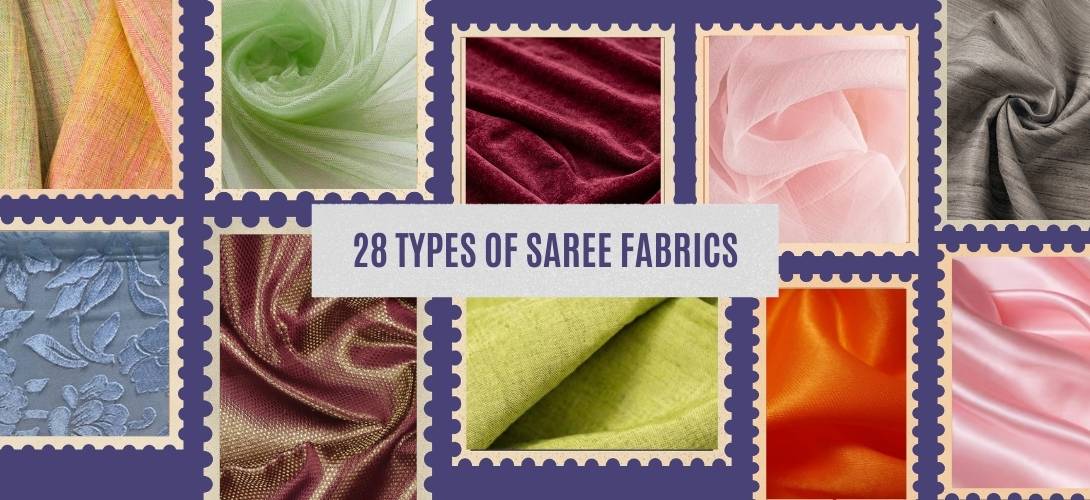
In this blog, you’re going to explore a detailed saree fabrics list, from breathable to luxurious saree fabric names with pictures. We'll help you become a smarter shopper by teaching you exactly how to choose a saree that flatters your figure, help you achieve the perfect saree draping style, and fit the occasion just perfectly.
Cottons and Related Saree Fabrics List
Cotton is often the first choice for many because it feels so natural and light on the skin. It’s especially popular for people living in warmer climates where staying cool is the main priority.
-
Plain cotton
Plain cotton sarees are simple, woven sarees available in a range of weaves and weights, valued for daily comfort and breathability, often topping a saree fabrics list.

- Origin: Ancient India
- Feel: Cotton feels soft or crisp depending on finish and always offers a cool, familiar touch on the skin.
- Visual cues to identify: Matte surface, visible yarn texture and simple prints or plain bodies.
- Pros: Comfortable, easy to wash and affordable for regular use.
- Cons: It wrinkles easily and can look casual for formal events.
- Best for: It’s the best saree fabric for summer outings, daily wear, office, and informal gatherings.
- Care & storage: Machine wash or handwash in cool water. Dry in shade and iron while slightly damp for crisp pleats. Fold and store in a dry place.
-
Khadi
Khadi is a handspun and handwoven types of saree fabrics, usually cotton, known for its artisanal texture and sustainable production.

- Origin: Gujarat
- Feel: Khadi feels slightly coarse compared to mill-made cotton and shows visible slubs from handspun yarns that give it character.
- Visual cues to identify: Irregular yarn texture, slubs and a matte finish suggest authentic khadi.
- Pros: Eco-friendly, durable and unique in appearance.
- Cons: Irregularities may not appeal to everyone, and these types of saree fabrics can feel heavier than mill cotton.
- Best for: It's the best saree fabric for office ethnic wear, casual events, and for anyone who loves handloom textiles.
- Care & storage: Wash gently by hand or on a mild machine cycle. Dry in shade and iron at medium heat. Store folded in a dry place and avoid damp storage.
-
Tant
Tant is a traditional Bengali cotton saree fabric designed for lightness, quick drying and comfortable drape in hot and humid climates.

- Origin: West Bengal
- Feel: These types of saree fabrics feel light and airy, and can be slightly coarse depending on yarn quality. It feels cool against the skin.
- Visual cues to identify: Broad colourful borders and pallus with a plain or simply patterned body are typical of Tant sarees.
- Pros: Ideal for daily wear in hot weather, comfortable and usually affordable.
- Cons: May look plain for very formal occasions unless embellished.
- Best for: Everyday wear, puja ceremonies and casual gatherings
- Care & storage: Wash by hand or on a gentle cycle. Let it dry in the shade, then iron with medium heat. Fold and store in a dry area.
-
Muslin
Muslin is an ultra-fine cotton fabric prized for its soft, sheer quality and delicate drape.

- Origin: Dhaka (currently in Bangladesh)
- Feel: Muslin feels feather-light and silky, almost floating on the body and requiring careful handling.
- Visual cues to identify: An extremely fine, sheer weave and a soft glide are signs of authentic muslin.
- Pros: Unmatched breathability and an elegant, airy drape.
- Cons: Very fragile, prone to tearing and often expensive in authentic handwoven forms.
- Best for: High-end daytime events or collector pieces
- Care & storage: Dry cleaning is safest. If washing at home, use a very gentle handwash. Avoid wringing. Dry flat or in shade. Store folded in muslin with padding between layers.
-
Linen
Linen is a natural fibre made from the flax plant. It’s prized for its breathability and crisp, organic look.

Add this saree to your wardrobe: White Art Linen Kasavu Solid Saree
- Origin: Southern Caucasus, West Asia (modern-day country of Georgia)
- Feel: Cool and slightly coarse at first. Linen softens with wear and washing and becomes very comfortable.
- Visual cues to identify: Visible slubs, matte finish and a slightly textured surface.
- Pros: Very breathable and great in hot weather. Linen ages well and looks better with use, making it a favourite in any summer saree fabrics list.
- Cons: It wrinkles easily and needs regular ironing if you want a tidy look.
- Best for: It’s the best saree fabric for summer events, daytime casual events, and travel.
- Care & storage: You can hand-wash linen sarees or machine wash them on a gentle setting. Dry it in the shade to prevent sun fading. Iron while slightly damp for a neat finish, and store folded in a dry place.
You may also read: Summer Saree Fabric Guide
Silk Saree Fabrics List
Silk is generally seen as the peak of luxury when it comes to Indian clothing. These sarees are usually reserved for the most important milestones and celebrations because of their rich texture and natural shine.
-
Kanjeevaram (Kanchipuram) silk
Kanjeevaram is a handwoven mulberry silk saree known for a rich silk body and wide, contrasting metallic borders and an elaborate pallu, often featuring temple, peacock and floral motifs.

- Origin: Kanchipuram (Tamil Nadu)
- Feel: The saree feels substantial and slightly crisp, with a smooth silk surface that holds pleats and structure well when draped.
- Visual cues to identify: Strong colour contrasts between body and border, heavy metallic zari work on the border and pallu, and neat, dense weaving.
- Pros: Extremely durable, holds pleats beautifully, and creates a regal look for important occasions.
- Cons: It is heavy, often costly, and the metallic thread needs careful handling to avoid tarnish.
- Best for: It's the best saree fabric for wedding in a South Indian setup, temple ceremonies and major festivals.
- Care & storage: Always dry clean Kanjeevaram sarees. Store them folded in breathable muslin. Refold periodically to avoid permanent creases and keep the saree in a dry, pest-free place.
-
Banarasi silk
Banarasi silk refers to brocade-style sarees from Varanasi, famous for dense metallic motifs, floral jaal patterns and a heavily worked pallu.

- Origin: Varanasi (Uttar Pradesh)
- Feel: A Banarasi saree feels smooth with areas of raised metallic work where brocade is woven, giving it a firm and elegant drape.
- Visual cues to identify: Dense zari patterns, floral or foliate jaals and a richly brocaded pallu and border.
- Pros: Very ornate and festive, with classic appeal and strong visual presence.
- Cons: Often heavy, requires careful storage, and handwoven types of saree fabrics are expensive.
- Best for: It’s also one of the best saree fabric for wedding, receptions and festivals.
- Care & storage: Dry clean only. Store wrapped in muslin or cotton. Keep away from moisture.
-
Muga silk
Muga silk is a rare, natural golden silk produced in Assam, prized for a warm, natural sheen and long life.

- Origin: Assam
- Feel: These types of saree fabrics feel smooth and slightly heavier than lighter silks, with a soft firmness that highlights their natural lustre.
- Visual cues to identify: A distinctive golden-yellow tone and a natural glossy surface that differs from dyed mulberry silks.
- Pros: Unique natural sheen, strong durability, and it tends to age gracefully.
- Cons: There’s limited availability, fewer colour options with these types of saree fabrics, and authentic pieces command a higher price.
- Best for: Assamese traditional ceremonies, weddings and special formal occasions.
- Care & storage: Prefer dry cleaning. If you wash at home, do a very gentle handwash with cool water and mild soap. Dry in the shade. Store in breathable muslin and avoid prolonged bright light.
-
Tussar (Tasar) silk
Tussar is a wild silk with a natural slubbed texture and earthy tones that give sarees a rustic, organic appearance.

- Origin: Jharkhand, Odisha, West Bengal, Chhattisgarh and other regions
- Feel: These types of saree fabrics feel slightly textured because of visible slubs and have a light to medium weight with a subtle matte sheen.
- Visual cues to identify: Visible slubs or irregularities in the yarn, an earthy or muted colour palette and a soft, textured surface.
- Pros: Rustic charm, good breathability and a relaxed elegance suited to daytime wear and a unique saree fabrics list.
- Cons: Less lustrous than mulberry silk, more prone to creasing, and delicate handwoven pieces need careful handling.
- Best for: Daytime functions, office ethnic wear and casual festive looks
- Care & storage: Dry cleaning is preferred. For simpler pieces, a gentle handwash in cold water will work; dry in shade and iron on low with a cloth between the iron and fabric. Store folded in cotton or muslin to prevent moisture damage.
-
Mysore silk
Mysore silk is pure mulberry silk sarees from Karnataka, known for a soft sheen, fine weave and understated borders.

- Origin: Mysore (Karnataka)
- Feel: Mysore silk feels soft and smooth and is lighter than many temple silks, which makes it comfortable to drape for long periods.
- Visual cues to identify: A gentle sheen, simple bodies with contrasting zari borders and authentic hallmark labels on genuine pieces.
- Pros: Refined and comfortable for extended wear while still appearing luxurious.
- Cons: Understated designs may feel too simple for very opulent occasions.
- Best for: It’s the best saree fabric for office festive wear, formal functions, and subtle wedding options.
- Care & storage: Dry cleaning is preferred. If washing at home, do a gentle handwash. Store folded in muslin away from moisture and sunlight, and refold occasionally.
Semi-Silk and Blended Saree Fabrics List
Modern fashion has introduced many materials designed for specific types of movement or visual effects. These fabrics are often very easy to drape and work well for many occasions where you want a more modern look.
-
Chanderi
Chanderi is a graceful types of saree fabrics woven from silk, cotton or a silk-cotton blend and adorned with small woven motifs and thin zari lines.

- Origin: Chanderi (Madhya Pradesh)
- Feel: Chanderi feels soft with a gentle crispness and a subtle sheen that catches light softly while remaining lightweight.
- Visual cues to identify: Small woven bootis, delicate zari stripes and a semi-transparent body with a faint shine are hallmarks of Chanderi.
- Pros: Elegant, breathable and suitable for both day and evening events.
- Cons: These types of saree fabrics can be delicate, and areas with zari need special care.
- Best for: Pujas, day weddings and formal office wear
- Care & storage: Dry cleaning is recommended. For simpler pieces, you can do a gentle handwash. Dry in shade and store folded with tissue to protect the motifs and zari.
-
Art Silk
Art Silk, short for artificial silk, is a synthetic fibre usually made from rayon or polyester that mimics the sheen and look of pure silk at a lower cost.

Add this saree to your wardrobe: Deep Orange Handwoven Bandhej Art Silk Saree
- Origin: France
- Feel: It feels smooth and silky, but can be slightly slippery and warmer than natural silk.
- Visual cues to identify: High uniform shine, smooth texture, and it burns with a plastic smell, unlike real silk.
- Pros: Very affordable, vibrant colours, and looks rich for photos
- Cons: Less breathable than natural silk and can make you sweat in hot weather
- Best for: These sarees are best for budget weddings, festivals and family functions. So, when you're ready to shop for budget-friendly silk sarees for those extra special moments, Dungrani’s Silk saree collection has exquisite options waiting for you.
- Care & storage: Handwash gently or dry clean. Iron on low heat with a cloth barrier. Store hung or folded in a dry place.
-
Cotton-silk blends
Cotton-silk blends combine cotton and silk yarns to balance breathability and sheen, creating versatile types of saree fabrics suitable for many occasions on your saree fabrics list.

Add this saree to your wardrobe: Lawn Green Cotton Silk Gardenia Saree
- Origin: Bhagalpur (Bihar), Karnataka, Chanderi; Maheshwari (Madhya Pradesh), and Eastern India
- Feel: These blends feel smoother than pure cotton and lighter than pure silk, offering a pleasant hand and comfortable drape.
- Visual cues to identify: A mild sheen, along with the texture of cotton and a blended yarn appearance, indicate these types of saree fabrics.
- Pros: Affordable, comfortable and adaptable for both casual and formal settings.
- Cons: They don’t match the luxury of pure silk, and quality can vary across producers.
- Best for: Office ethnic wear, casual weddings and everyday festive dressing
- Care & storage: Follow the care label. When unsure, handwash gently or opt for mild dry cleaning. Dry in shade and store folded in a cool, dry place.
Modern and Semi-synthetic Saree Fabrics List
Modern fashion has brought us lots of new materials that are made for specific kinds of movement or to create certain visual effects. These fabrics drape really easily, and they're perfect for events when you're going for a more contemporary look.
-
Chiffon
Chiffon is a very lightweight and sheer fabric that drapes fluidly and is used for modern saree styles and overlays. It can be made from silk, cotton, or synthetic fibres like nylon, polyester, and rayon.

Add this saree to your wardrobe: Apatite Pink Pre-Pleated Saree
- Origin: France
- Feel: Chiffon feels soft and floaty, and it moves easily with the body. It can cling slightly in humid weather but remains graceful.
- Visual cues to identify: The fabric is sheer, floaty and slightly glossy with a delicate fall.
- Pros: Drapes beautifully, comfortable for long wear and available in many colours and prints.
- Cons: It snags easily, and synthetic versions are less breathable.
- Best for: Evening parties, receptions and contemporary saree drapes
- Care & storage: Gently hand wash in cold water without wringing. Dry flat or hang in shade. Store rolled or hung to prevent creases and snags.
-
Georgette
Georgette is a crepe-like fabric with a slightly grainy texture and a soft, flowing drape that works well for both casual and formal sarees.

Add this saree to your wardrobe: Retro Style Digital Printed Green Georgette Saree
- Origin: France
- Feel: Georgette feels light to medium in weight with a slightly pebbled surface that helps pleats hold.
- Visual cues to identify: A crinkled, grainy surface and a matte to semi-shiny fall are common signs of georgette.
- Pros: Forgiving with pleats, versatile and good for embellished work.
- Cons: Synthetic versions can be less breathable, and seams can pucker if not sewn well.
- Best for: It’s one of the best fabrics suitable for sarees for evening gowns, receptions, and flowing saree styles.
- Care & storage: Handwash or machine wash on a gentle cycle, depending on fibre content. Dry in shade and iron lightly on low heat or use steam.
For a lightweight feel that handles heavy embroidery beautifully, explore the exquisite options in Dungrani’s Georgette Saree collection.
-
Crepe
Crepe is a fabric with a textured, slightly crinkled surface that gives a graceful fall. It can be made from silk, viscose or polyester.

Add this saree to your wardrobe: Pure Crepe Digital Printed Saree
- Origin: Brittany (France)
- Feel: Crepe feels soft and fluid with a textured surface that enhances drape and usually resists wrinkling.
- Visual cues to identify: A grainy surface and a strong, graceful fall are hallmarks of crepe.
- Pros: Sleek modern look and lower maintenance for a smooth appearance.
- Cons: Some crepes can snag, and synthetic versions may not feel natural.
Best for: Cocktail parties, office formals and travel-friendly sarees - Care & storage: Check the fibre label always. Many crepes need gentle washing or dry cleaning. Dry in shade. Use low heat when ironing, or prefer steaming.
Upgrade your wardrobe with a low-maintenance yet luxurious fabric by choosing a beautiful masterpiece from Dungrani’s Crepe Saree collection.
-
Satin
Satin is a weave that produces a glossy face and a dull back. It’s often used for sarees that need a glamorous, high-shine finish and comes in silk and polyester varieties.

Add this saree to your wardrobe: Bemberg Modal Satin Digital Printed Red Saree
- Origin: Medieval China
- Feel: Satin feels smooth, cool and slippery with a medium to heavy weight and a polished surface.
- Visual cues to identify: A bright, glossy face and a smooth, reflective texture are telltale signs of satin.
- Pros: Very glamorous and suitable for evening wear.
- Cons: Shows water marks and snags easily, and synthetic satin can trap heat.
- Best for: Evening parties, receptions and modern bridal looks
- Care & storage: Dry clean for the best results. If washing at home, use a very gentle handwash. Iron inside out on low heat with a cloth between the iron and fabric. Store on padded hangers to reduce creases.
-
Net
Net is an open mesh fabric used as an overlay or the base for heavily embellished sarees, producing a see-through decorative effect that usually requires lining.

- Origin: Ancient India, Western civilisations
- Feel: Net feels very light and airy, but can be delicate depending on mesh size and fibre.
- Visual cues to identify: Visible open mesh, see-through quality and frequent heavy embellishments are signs of net sarees.
- Pros: Ideal for dramatic overlays and heavily worked party sarees.
- Cons: Fragile and prone to snags, and it requires a good lining to look finished.
- Best for: Reception parties, cocktail events and embellished evening wear
- Care & storage: Dry clean to protect both embellishments and mesh. Store rolled or flat and use a protective cloth cover to avoid snags.
-
Organza
Organza is a crisp, sheer fabric that gives structure to pallus and overlays and is used to create sculpted saree styles.

Add this saree to your wardrobe: Turquoise Blue Organza Rose Printed Embroidery Saree
- Origin: Ancient China
- Feel: Organza feels firm and slightly stiff while remaining lightweight, which helps it hold ruffles and sculpted shapes.
- Visual cues to identify: A transparent look with a subtle glossy finish and a crisp hand that holds form indicate Organza.
- Pros: Excellent for structured pallus, ruffles and contemporary styling.
- Cons: Can be scratchy, creases easily and needs careful handling.
- Best for: Bridal overlays, formal sculpted sarees and contemporary couture
- Care & storage: Dry cleaning preserves structure and finish. Store folded with tissue paper between layers to avoid creases. Keep in a cool, dry place.
We have some really prett Organza Sarees at Dungrani that are great for weddings or formal parties.
-
Velvet
Velvet is a plush fabric with a short, dense pile that gives an intensely soft surface, often used for winter sarees and luxurious blouses.

- Origin: Ancient Egypt
- Feel: Velvet feels warm, heavy and velvety to the touch, with a pile that changes appearance when brushed in different directions.
- Visual cues to identify: A dense, smooth pile, deep colour saturation and a nap that shifts sheen when moved identify velvet.
- Pros: Very rich appearance and great for colder weather and evening events.
- Cons: Heavy, attracts dust and may crush if stored incorrectly.
- Best for: It’s one of the best saree fabric for winter weddings, receptions and formal evening wear
- Care & storage: Dry clean only. Store flat or on padded hangers and keep covered in a breathable cloth to protect the pile. Brush the nap gently to restore the surface if needed.
-
Brasso
Brasso fabric, also known as “burnout” fabric, is a textile with sheer, see-through patterns created by chemically dissolving parts of a fabric blend (like silk/chiffon with net/organza), leaving opaque designs (often velvety or embroidered) against a translucent background.

- Origin: Brasso originated from a chemical etching technique, popular in Indian ethnic fashion.
- Feel: Slight texture where flocking lies and a smooth base.
- Visual cues to identify: Raised floral or geometric motifs and slight sheen from finishing.
- Pros: Decorative without heavy embroidery and good for party wear.
- Cons: The finish can wear off and usually needs careful cleaning.
- Best for: Evening and party sarees that want surface shine
- Care & storage: Brasso usually needs gentle handling. Follow the garment label. Prefer dry cleaning for high-shine finishes. Store flat or folded with tissue to protect the surface.
-
Viscose
Viscose (also known as rayon) is a semi-synthetic fabric made from natural cellulose, like wood pulp or bamboo. It looks and drapes like silk but costs less. It’s often used for casual to semi-formal sarees.

Add this saree to your wardrobe: Dark Brown Viscose Mul Block Printed Saree
Origin: Viscose originated in the late 19th century as a cheap silk alternative, invented by French chemist Hilaire de Chardonnet.
Feel: Soft, smooth and fluid. It has a good fall and feels gentle on the skin.
Visual cues to identify: Silk-like drape and a mild sheen, but less natural lustre.
Pros: Affordable and comfortable with a silk-like look.
Cons: Can wrinkle and may lose shape if soaked or handled roughly.
Best for: Casual and semi-formal sarees that need a soft drape
Care & storage: Handwash viscose gently or use a gentle machine cycle. Avoid heavy wringing. Dry in shade. Because viscose can wrinkle, store folded neatly or lightly steamed before wearing.
These Viscose Sarees from Dungrani are so soft and easy to wear that you might find yourself reaching for them every single day.
-
Lycra / Elastane
Lycra, a brand name for the synthetic fibre elastane (also known as spandex), is a stretch fibre blended into other fabrics to add elasticity and a better fit. It’s often used for ruffle sarees.

Origin: United States
Feel: Flexible and snug, it returns to shape after stretching.
Visual cues to identify: Fabric recovers shape quickly and has a slight stretch feel.
Pros: Great for pre-stitched sarees.
Cons: Elasticity can reduce with heat or age.
Best for: Daily wear, cocktail parties, and weddings
Care & storage: Wash lycra blends on a gentle cycle. Avoid high temperatures in washing or drying, which can damage elasticity. Store folded or on a hanger without overstretching.
-
Polyester and Synthetic Blends
Polyester blends and synthetic sarees use polyester alone or mixed with natural fibres to offer affordable, easy-care options in many prints and finishes.

Origin: United Kingdom, United States
Feel: These fabrics feel smooth and sometimes glossy with a light to medium weight. They’re usually less breathable than natural fibres.
Visual cues to identify: Uniform sheen, a very even weave, and a consistent surface often indicate synthetic blends.
Pros: Low maintenance, wrinkle-resistant, and budget-friendly.
Cons: Less comfortable in hot weather, and cheaper finishes can look inexpensive.
Best for: Daily wear, travel, office and budget party wear
Care & storage: Most polyester sarees are machine washable and dry quickly. Use a gentle machine cycle and low heat when ironing. Store folded or hung in a dry place.
Sustainable and Coarse Natural Saree Fabrics List
Many people are now looking for eco-friendly options that have a more grounded feel. These materials often have a unique texture that stands out because of its rustic charm and durability.
-
Jute
Jute is a coarse bast fibre used traditionally for ropes, bags and home textiles. It’s increasingly used for rustic sarees and urban ethnic pieces.

Origin: Eastern India and Bangladesh
Feel: Stiff and rough compared to cotton and silk. It gives a very earthy, structural feel to garments.
Visual cues to identify: Coarse visible fibres, matte earthy tones and a textured surface. The weave often looks rustic.
Pros: Eco-friendly image, sturdy and gives a unique aesthetic.
Cons: Limited drape, rough hand and sensitive to moisture.
Best for: Daily wear, office wear, casual outings, semi-formal gatherings, festive events and weddings
Care & storage: Jute is best spot-cleaned or dry cleaned to avoid weakening the fibre. Store in a dry place away from humidity and pests, and avoid folding sharp creases into the weave.
-
Bamboo
Bamboo fabric usually refers to regenerated bamboo viscose, a semi-synthetic fibre made from bamboo pulp. It’s valued for its softness and eco-friendly image.

Origin: East Asian countries like India, China, and Japan
Feel: Very soft, smooth and breathable. It drapes beautifully and feels cool on your skin.
Visual cues to identify: Soft sheen and silk-like fall; often labelled as bamboo or bamboo viscose.
Pros: Comfortable, breathable and good for everyday wear.
Cons: True sustainability depends on processing methods and may vary.
Best for: Everyday sarees, travel and comfortable casual wear
Care & storage: Wash bamboo fabric gently by hand or toss it in the machine on a gentle cycle with mild detergent. Let it shade dry and store it folded in a cool, dry place.
Woollen Saree Fabric
When the temperature drops, you don't have to give up on wearing a saree. Woollen fabrics provide the necessary warmth while still looking incredibly elegant for winter gatherings.
-
Pashmina
Pashmina is a fine form of wool from the Changthangi goat. It’s treasured for its softness and insulating warmth. Pashmina is usually used for shawls, and very occasionally for delicate sarees or special weaves.

Origin: Himalayan regions of Ladakh, Kashmir, and parts of Tibet/China
Feel: Ultra soft, very light and warm. It has a lofty feel that still manages to be fine and delicate.
Visual cues to identify: Very fine and dense fibres and a soft matte surface. Authentic pieces are often labelled as pashmina.
Pros: Extremely warm and luxurious, ideal for cold weather.
Cons: Very expensive and requires delicate care and moth protection.
Best for: It’s the best saree fabric for winter weddings, festivals (Diwali, Durga Puja), formal gatherings, and parties.
Care & storage: Dry clean your pashmina or hand wash it gently in cold water with mild detergent (baby shampoo or wool wash). Dry flat to preserve shape. Store wrapped in muslin in a cool, dry place to avoid moth damage.
Speciality Saree Fabrics
Some fabrics are defined more by the specific way they are woven than just the fibres used. These speciality styles often feature intricate patterns that create a three-dimensional effect.
-
Brocade
Brocade is a richly woven fabric that uses supplementary metallic or coloured threads to create raised decorative patterns that sit on top of the base cloth.

Origin: Woven traditions across India and Asia. Varanasi is a major centre.
Feel: Brocade feels textured where the motifs rise above the ground fabric and usually has a firm body that helps it hold structure well.
Visual cues to identify: Raised motifs such as florals or paisleys, visible metallic threads or zari and a clear contrast in texture between patterned areas and the plain ground are signs of brocade.
Pros: Brocade looks lavish without extra embellishment and supports structured silhouettes well.
Cons: It can be heavy and stiff. The metallic threads may tarnish over time.
Best for: Engagement parties, weddings, receptions, festivals, family functions, and galas
Care & storage: Always dry clean brocade to protect metallic threads. Store the saree folded in muslin. Refold occasionally to prevent permanent creasing.
How to Choose Saree Fabric?
Now that you know the types of saree fabrics, how do you pick the "right one"? Finding the perfect saree is about balancing the event, the weather, and how the fabric behaves on your body.
Use this quick reference saree fabric guide 2026 to match the fabric to your specific needs.
|
Occasion and vibe |
Best season |
Recommended fabrics |
Body type and styling tips |
|
Daily wear or casual (Errands, relaxing at home) |
Summer or humid |
Cotton, tant, khadi, linen, bamboo |
For a fuller look These types of saree fabrics are often crisp and stiff. They add volume to your frame, so they’re great if you have a slim figure. If you’re curvy, then you might want softer cottons so you don’t look boxy. |
|
Office and corporate (Professional, crisp, manageable) |
All seasons |
Raw silk (tussar), chanderi, linen, cotton-silk, jute |
Structured and neat These fabrics hold pleats well without feeling too heavy. They give you a neat and formal look that works for almost everyone. Stick to matte finishes like Linen or Tussar for a formal vibe. |
|
High-end weddings (Bridal, close family, ceremonies) |
Winter or cool environments |
Kanjivaram, Banarasi, muga, brocade |
Regal and Tall Heavy silks sit firmly on the body. They’re fantastic for taller women or anyone who wants a strong presence. The heavy borders define the frame. If you’re petite, then choose narrower borders so the fabric doesn’t overwhelm you. |
|
Evening parties (Glamorous, dancing) |
Summer or spring |
Chiffon, georgette, crepe, satin, net, Lycra |
Figure hugging These fluid fabrics cling to the body and highlight your curves. They’re perfect for hourglass figures. Since these fabrics can be clingy, you should ensure you have a well-fitted petticoat for a smooth finish. |
|
Winter galas (Warm, luxurious, opulent) |
Winter |
Velvet, Pashmina, heavy silks |
Rich and heavy Velvet and Pashmina absorb light and look very distinct. They’re great for keeping warm without losing style. Velvet is thick, so you can drape the pallu in narrow pleats to keep the look streamlined rather than bulky. |
|
Fashion statements (Red carpets, trendy events) |
All seasons |
Organza, tissue, Brasso |
Sculptural shapes Organza is stiff and balloons out to create bold shapes. It’s ideal if you want to add curves or volume. If you have a fuller front body, then drape the pallu loosely rather than pleating it tightly so the stiffness doesn’t exaggerate your width. |
|
Travel & rush hour (Low maintenance, wrinkle-free) |
All seasons |
Polyester blends, art silk, crepe |
Easy flow These fabrics are easy to manage and usually resist wrinkles. They suit all body types because they fall straight down. Choose these when you have no time to iron, as they look polished straight out of the suitcase. |
Ready to Shop a Saree Like a Pro?
From daily wear options to bridal classics, the right fabric can make a world of difference. We hope this blog helps you identify quality types of saree fabrics and store them correctly for long life. Go ahead and experiment with different textures in the saree fabrics list to find your personal favourite style.
If you want specific designs, contact us to know exactly what’s new at Dungrani this month.
Frequently Asked Questions
-
Which saree is best for beginners?
If you’re a beginner, you can start with a georgette or crepe saree because the pleats stay in place easily. Avoid cottons or satins for your first time since they need a bit more practice to drape neatly.
-
Which saree should I wear for the farewell?
For the farewell, you may usually want some trendy and stylish types of saree fabrics. A Chiffon or georgette saree in a solid colour looks very elegant. You can also try a net or an Organza saree if you want to stand out.
-
How do I know if my saree is pure silk?
You can check the shine to know if your silk is pure because real silk changes colour slightly when you move it in light. You can also rub the fabric against your skin. Real silk will feel warm instantly, while fake silk stays cool.
-
Which material makes you look slim in a saree?
To achieve a slimmer appearance, you should go for soft types of saree fabrics from this saree fabrics list, like georgette, Chiffon and crepe. These materials settle down flat and don’t fluff up like cotton or Organza. This helps create a smooth shape that makes you look thinner and taller.
-
Which saree fabric is wrinkle-resistant?
Fabrics like polyester, georgette and crepe are the best if you want to avoid creases. They stay smooth even after sitting for hours. These are perfect if you travel a lot or hate using an iron every time you dress up.
Recent Posts


How to Style a Party Wear Saree for a Glamorous Look?

How to Look Glamorous in a Saree: Easy Styling Tips to Look Beautiful and Stylish

Pre Stitched Saree vs Pre Draped Saree: Features, Fit, and Everything You Need to Know Before Buying

How to Choose Party Wear Saree: Your Ultimate Shopping Guide

What Is Organza Saree? Complete Guide to Fabric, Styles and Buying Tips

What Is Georgette Saree? Fabric Guide and Why Women Love It

How to Wear Saree for Plus Size Women: Slay Every Look With These 15 Styling Ideas

How to Travel With a Saree: 11 Smart Packing and Styling Tips for Every Trip

How to Style a Saree With a Belt: 7 Modern Styling Tips to Rock the Indo-Western Look

How to Wear Saree During Pregnancy: Your 101 Guide to Effortless Maternity Style and Comfort

How to Choose the Best Blouse Necklines for Your Unique Face & Body Shape?

How to Master Office Wear Saree Styling: Easy Draping Tips for a Professional Look

What’s the Best Saree for Rainy Season: Your Go-to Fabrics, Colours, & Hacks Guide

How to Choose the Best Blouse Designs for Ready to Wear Saree?

7 Expert Saree Styling Ideas for Engagement Every Bride Needs

How to Style Saree for Wedding and Be the Best-Dressed Guest

How to Wear Saree Comfortably for Long Hours: Your Ultimate Survival Guide

How to Wear Saree Step-by-Step: The New Girl’s Handbook

What Jewellery to Wear With Saree: Expert Styling Tips to Pair Pieces Beautifully

How to Choose Accessories for Saree: Your Ultimate Styling Guide to Nailing Every Look

Best Saree for Summer Wedding: Fabrics, Colours and Styling Choices for Guests

Mother's Day Saree Ideas: Celebrating the Strongest Woman You Know With Thoughtful Gift Choices She'll Adore

Best Blouse Styles for Sarees: A Complete Selection Guide

Saree Styling with Footwear: Ultimate Guide to Elegant Pairings

5 Mistakes to Avoid While Draping Saree and How to Fix Them?

Summer Saree Fabric Guide: Top 5 Picks for Hot Indian Weather

5 Tips To Choose The Best Saree For Your Body Type: Complete Styling & Fabric Guide

Best Saree Colours for Skin Tone: Fair, Wheatish, Dusky & Dark Skin Guide

How to Style Embroidered Sarees for Every Occasion: Expert Tips & Outfit Ideas

How to Look Slim in Saree: 11 Proven Styling Tips That Work (With Examples)

How to Wear Ready to Wear Saree?

Saree Trends 2026: Top 20 Sarees Your Wardrobe Must Have

35 Iconic Saree Draping Styles: Your Ultimate Guide to the Traditional and Modern Drapes


