

How to Keep Sarees Looking New: Washing, Storage and Care Tips
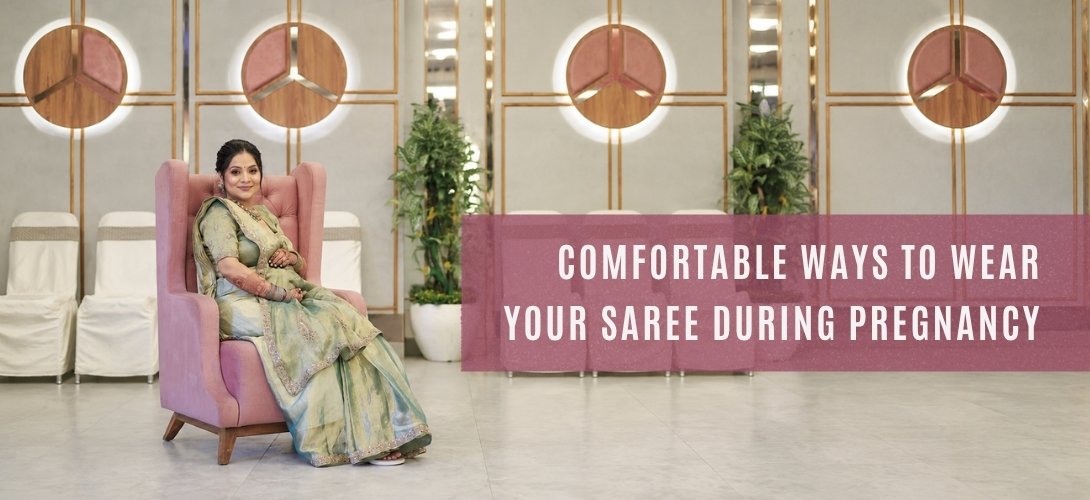
How to Wear Saree During Pregnancy: Your 101 Guide to Effortless Maternity Style and Comfort
Written by DUNGRANI fashion |
Every Occasion |
Disclaimer: This guide provides styling and comfort suggestions for saree draping, fabric selection, and maternity fashion. It doesn’t constitute medical advice. Since every pregnancy is unique, please consult your healthcare provider regarding your mobility and the safety of wearing garments or accessories during your pregnancy journey.
"Comfort is the best fashion statement," especially during pregnancy. As your body changes, getting dressed can feel different every week. If you love wearing sarees, you might wonder whether they’ll still feel comfortable, safe, and easy to manage. The good news is they absolutely can.
In this blog, you'll learn about the best saree fabrics, practical pregnancy saree draping tips, trimester-wise styling ideas, safety hacks, common mistakes to avoid, styling suggestions for different occasions, and simple ways to stay comfortable and look absolutely gorgeous throughout your pregnancy journey.
Key Takeaways
➤ A saree is an excellent maternity outfit because its adjustable drape provides flexibility, breathability, gentle support, and comfort as your body changes throughout pregnancy.
➤ Lightweight fabrics such as mulmul cotton, georgette, chiffon, linen, crepe, and soft silk help keep you cool, comfortable, and free from unnecessary weight.
➤ Comfortable draping styles, including Nivi, Gujarati, Bengali, Coorgi, Lehenga-style, and ready-to-wear sarees, reduce pressure on the baby bump while allowing easy movement.
➤ Proper footwear, supportive base layers, well-fitted blouses, secure pinning, and correctly positioned pleats improve both safety and all-day comfort.
➤ Choosing the right draping style and fabric for each trimester and occasion helps you stay stylish, confident, and comfortable throughout your pregnancy journey.
Why a Saree During Pregnancy is Your Perfect Style Partner?
A saree during pregnancy is the most flexible outfit you can choose. Most stitched clothes have fixed seams that can feel tight on your bump. Since a saree is unstitched, you can drape it to fit your changing shape. This makes it a very practical choice for daily wear, festive events, while you follow some beautiful saree trends.
1. Completely adjustable fit: Unlike maternity pants or fitted dresses, a saree features zero restrictive waistbands, zippers, or buttons. You dictate how loosely or snugly you drape it. As your belly expands, you can simply adjust the pleats and tuck.
2. Gentle tummy support: When draped correctly, usually starting high above the baby bump, the fabric can offer gentle, hammock-like support to your lower back and belly without putting direct pressure on your midsection.
3. Maximum breathability: The open midriff (when styled traditionally) and lightweight flow of the fabric allow air to circulate freely. This is especially helpful during hot summers, when you wear summer saree fabrics. It keeps you cool and helps in reducing pregnancy-related sweating and chafing.
4. Flattering aesthetics: The saree gracefully flatters your natural curves. You can choose to highlight your bump or drape the pallu in a way that provides subtle, elegant coverage if you prefer to keep it concealed.
Which Fabrics Are Best for Comfortable Saree Styling During Pregnancy?
The fabric of your saree is the most important part of your comfort. Your skin can become very sensitive during pregnancy. You might also feel warmer than usual. Picking the wrong material can lead to rashes or heavy sweating. You should look for saree fabrics that are breathable and light.
|
Fabric |
Why It Works for You |
Best Occasion |
|
This natural fabric stays cool and light on your skin. It helps you avoid heat rashes during pregnancy. Choose this for the best softness. |
Hot summer days at home |
|
|
This has a very smooth and fluid drape. It follows your body shape without feeling tight. It adjusts as your bump grows larger. |
Office work or meetings |
|
|
Linen |
Linen keeps your body temperature low on warm days. This makes it a smart choice for active mothers. You’ll stay fresh and professional through the day. |
Formal events or travel |
|
It has a grainy feel that helps it stay in place. This lightweight fabric is easy to carry for many hours. You don’t have to keep fixing pleats. |
Social visits and outings |
|
|
This is the lightest fabric for your wardrobe. It makes you feel weightless while you move. This sheer material is easy to tuck into your waist. |
Evening walks or dinners |
|
|
Crepe sarees have a crisp texture that doesn’t wrinkle. You can sit for a long time without creating messy lines. It covers the bump beautifully. |
Long doctor visits |
|
|
Soft silk |
It gives you a royal look without any heavy weight. These sarees are easy to fold and feel gentle. You get the richness of silk while staying relaxed. |
Traditional family functions |
|
Satin has a smooth and shiny surface. It feels luxurious and cool against your sensitive skin. This soft fabric glides over your curves easily. |
Glamorous evening parties |
⦿ Furthermore, if you’re expecting during the monsoon, wearing the ideal sarees for the rainy season will help you stay dry and clean.
6 Graceful and Safe Styles of Saree Draping for Pregnant Women
Wearing a saree, using some comfortable saree draping styles, is an art that you can change to suit your body. When you’re pregnant, you need to be careful with the pleats. You want to look good without putting pressure on your baby. Here are six easy ways to drape your sarees and related pregnancy saree draping tips:
1. Nivi-style drape with an open pallu

The Nivi style is a classic choice for many women. It’s very simple to learn. During pregnancy, the open pallu is your best option. It covers your baby bump gracefully. This style also makes you look taller. It doesn’t feel tight across your chest or stomach.
(i) Wear your petticoat or a soft saree silhouette above your bump.
(ii) Tuck the plain end of the saree into the waistband on your right side.
(iii) Wrap the saree once around your waist and bring it to the front.
(iv) Make five or six pleats and tuck them in the centre of your waist.
(v) Ensure the pleats are loose enough to let you walk comfortably.
(vi) Take the other end of the saree from the back to your left shoulder.
(vii) Pin the edge to your blouse, but don’t fold the pallu into narrow pleats.
(viii) Let the fabric fan out over your chest and belly.
This drape feels like a soft hug. It protects your skin from the sun. It also keeps you feeling cool.
2. Lehenga-style drape

You might want a grand saree look during pregnancy for a wedding event. The lehenga style drape is perfect for this. It transforms your saree into a flared skirt. It’s very safe because the fabric is spread out evenly. You won’t have a heavy bundle of cloth pressing on your tummy.
(i) Start by tucking the end of the saree on your right side.
(ii) Instead of making front pleats, make many small folds around your waist.
(iii) Each fold should be about four inches wide.
(iv) Tuck these folds one by one all around your petticoat.
(v) Continue doing this until you reach your left hip.
(vi) Take the remaining fabric and drape it in front, taking it from the back of your right shoulder.
(vii) You can pin the pallu in neat pleats for a clean look.
This style gives you a lot of space to move your legs. It distributes the weight of the saree across your hips. You’ll feel light even if you’re on your feet for a long time.
3. Gujarati/Seedha Pallu drape

This is a very traditional and caring style for expectant mothers. The pallu comes to the front. This protects your baby bump from the wind. It also lets you show off the beautiful border of your saree.
(i) Tuck the saree end and wrap it once around your body.
(ii) Make your centre pleats and tuck them into your waistband.
(iii) Take the pallu from behind your back and bring it over your right shoulder.
(iv) The decorative end should now be hanging in the front.
(v) Take the left corner of the pallu and pull it across your chest.
(vi) Pin this corner to your left waist.
(vii) Adjust the fabric so it sits softly over your bump.
This drape is very secure. You don’t have to worry about the pallu slipping off. It’s the best choice for your Godh Bharai ceremony.
4. Bengal-style drape

The Bengal-style is also known as the Atpoure drape. It uses wide box pleats. These pleats are very airy. This style is very popular because it doesn’t have many narrow folds. It’s a wonderful choice for your daily comfort.
(i) Tuck the saree on the right and wrap it once around you.
(ii) Make two or three very wide pleats in the front.
(iii) Tuck these pleats so they face your left side.
(iv) Bring the pallu around your back to your left shoulder from behind.
(v) Let the pallu hang down in the front.
(vi) Take the tip of the pallu and pass it under your right arm.
(vii) Throw the end over your left shoulder once again.
This style is very relaxed. It allows a lot of air to reach your skin. It’s perfect for a warm afternoon at home.
5. Coorgi-style drape

This unique style comes from the beautiful hills of Karnataka. It’s a blessing if you want to avoid any weight on your belly. The pleats are tucked at the back. This gives your baby plenty of room to grow. You’ll love how free your stomach feels in this drape.
(i) Tuck the saree end at the right side of your waist.
(ii) Wrap the fabric around your body once until you reach the back.
(iii) Make four to five large pleats and tuck them into the centre of your back waist.
(iv) Bring the remaining fabric from under your left arm to the front.
(v) Drape the pallu across your chest and take it over your right shoulder.
(vi) Take the tip of the pallu and pin it firmly to your left shoulder.
This style makes you look very dignified. Since there are no pleats in the front, you can walk without any fear of tripping. It’s a wonderful way to wear your saree for a long event.
6. Ready-to-wear sarees

If you feel tired, you can choose a Dungrani ready-to-wear saree. We have a beautiful collection of these. They’re pre-stitched and ready to go. You don’t need multiple pins or pleating skills. Many modern moms learn to wear a ready-to-wear saree to avoid the struggle of perfect pleating.
(i) Put on the saree just like you would wear a skirt.
(ii) The pleats are already fixed in the centre.
(iii) The waistband has an adjustable hook-and-loop system.
(iv) The pallu can be pleated or left open as per your convenience.
These sarees save you so much time. They stay in place all day long. You can walk and sit without any worry. It’s a modern solution for your busy pregnancy days till the 2nd trimester.
Traditional vs Ready-To-Wear Saree for Pregnant Women: Which Is Easier to Wear?

Choosing between a classic drape and a pre-stitched saree depends on your current stage and comfort. Each style provides different advantages for your changing shape and daily schedule. Whether you prefer a traditional drape or a ready-to-wear version, the goal is to wear your saree easily:
|
Comparison Point |
Traditional Saree |
Ready-to-Wear (RTW) Saree |
|
Preparation time |
Manual pleating and draping often requires 20-minutes of your time and careful effort. |
This pre-stitched design allows you to get ready in under 60-seconds without extra help. |
|
Physical effort |
Bending down to adjust pleats becomes a difficult task as your baby bump grows larger. |
The slip-on construction removes the need for bending or reaching behind your back while dressing. |
|
Waist comfort |
Tight drawstrings might occasionally dig into your sensitive skin or cause unwanted pressure and discomfort. |
An adjustable hook-and-loop system provides a secure fit that you can modify as your belly grows. |
|
Pleat security |
Manually tucked pleats can shift or loosen, requiring constant adjustments during your long social events. |
Fixed pleats remain perfectly in place, offering a worry-free experience as you walk or sit. |
|
Weight balance |
Layers of fabric can feel heavy against the abdomen if not tucked in very carefully. |
Strategic stitching ensures the saree's weight is evenly distributed across your hips for better support. |
|
Restroom ease |
Managing several layers of loose fabric makes frequent restroom visits a bit of a complicated and frustrating chore. |
The simple hook-and-loop design makes these sarees as easy to handle as a skirt. |
Effective Pregnancy Saree Draping Tips For Every Trimester
Life changes in such beautiful ways over these nine months, and your saree is the perfect partner to grow right along with you. These styling ideas will help you feel elegant and stay in tune with your own rhythm as your baby develops, and you learn how to wear saree during pregnancy:
⇛ 1st trimester
The first three months are often a whirlwind of new emotions and small body changes for you. Every day feels a bit different as a new life begins to take shape inside, making it important to understand how to wear saree comfortably during pregnancy.
A classic Nivi drape with small, manageable pleats at your waist works best during this early phase. Light fabrics like a Dungrani Liva viscose mulmul saree feel incredibly soft and gentle against your skin. Most moms find that pinning the pallu securely at the shoulder helps keep any unwanted weight off the stomach.
Gold jhumkas and soft leather juttis add a lovely spark to your daily look. Following these pregnancy saree draping tips and wearing an elegant watch makes your outfit feel complete for a busy day at work or home.
⇛ 2nd trimester
Happiness truly starts to show when your beautiful baby bump finally makes its debut. This middle stage is the perfect time for you to celebrate your pregnancy glow with styles that show off your shape.
A ‘Below-the-Bump’ Nivi style or a Seedha Pallu drape allows for total comfort and confidence as you move. These drapes look stunning with a Dungrani digitally printed georgette saree that flows gracefully with every step you take.
Colourful glass bangles and a stretchable blouse ensure that your movement stays easy and fun all day long. A maternity belt can provide much-needed support for your back during long afternoons. Long necklaces will frame your bump beautifully and help you create wonderful memories in your photos.
⇛ 3rd trimester
Final preparations are finally underway as the big day gets closer and closer for you. Comfort becomes the most important part of any outfit choice you make in this final stretch.
A Bengali-style or a Coorgi drape with pleats tucked at the back removes all pressure from the front of your body. Dungrani ready-to-wear or chiffon sarees are total life-savers here because they feel practically weightless on your shoulders. Large safety pins are essential tools to keep every fold of your fabric safe and secure while you walk.
Open flat sandals and a bold statement necklace help you feel like royalty during your special events. Many women choose maternity leggings instead of a traditional petticoat to get extra support while they wait for the little one.
Safety and Comfort Checklist for How to Wear Saree Comfortably During Pregnancy
Draping a saree while pregnant requires some small tweaks. Your safety and the baby's safety always come first. Here are some simple tips to keep in mind when wearing a saree:
1. Pick the right footwear
High heels can be dangerous during pregnancy. Your balance changes as your bump grows. You should skip the stilettos for now. Instead, wear beautiful juttis or embellished flats. They look very traditional and keep you safe from tripping. This is one of the best pregnancy saree draping tips every stylist recommends for footwear styling with sarees.
2. Select a comfortable blouse
Your bust size will change during these nine months. A tight blouse can make it hard to breathe. Use stretchable fabrics like jersey or soft cotton for your saree blouse styles. You can also try high-neck jackets or long blouses. These provide more coverage and don’t have many itchy hooks.
3. Choose the right base
The petticoat is the foundation of your saree. Avoid skirts with thin, sharp strings. These can cut into your skin as your belly grows. Switch to maternity shapewear or high-waist leggings. These provide a gentle stretch. They also support your back and bump. Make sure the fabric of your base layer is breathable cotton.
4. Manage your pleats
A regular saree has 6 to 8 pleats. During pregnancy, this can make you look bulky. It also puts weight on your lower abdomen. Instead, make only 3 or 4 wide pleats. These pleats are easier to tuck in. They also stay secure for a longer time. Spread them out slightly so they don’t bundle up in one spot.
5. Follow the 4-finger rule
Most women tie their saree at the navel. When you’re pregnant, this can be uncomfortable. Use the 4-finger rule. Tie your petticoat exactly four fingers above your navel. This places the weight on your ribcage rather than your stomach. If that feels too high, you can tie it comfortably below your bump. Just make sure it is not too tight.
6. Adjust your saree length
Your centre of gravity changes during pregnancy. You might find it harder to balance. Always drape your saree about one inch higher than usual. It should rest slightly above your ankles. This prevents you from tripping on the fabric, keeps the saree clean if you’re walking outside, and is a vital step while learning how to wear saree during pregnancy.
7. Pin your saree securely
Safety pins are your best friends. Pin your pallu securely on your shoulder. Also, use a pin to hold your front pleats together before you tuck them in. This prevents the saree from slipping. Use large, high-quality pins that do not catch on the fabric. Check your pins every few hours to make sure they’re still closed.
What Are the Most Common Maternity Saree Styling Mistakes to Avoid?
Even seasoned saree wearers can make saree draping mistakes when dressing for a growing baby bump. To ensure you stay comfortable, safe, and elegant throughout the day, it’s important to avoid these common styling errors that many expectant mothers often make.
1. Tying the drawstring too tight: In an attempt to keep the saree from slipping, many women tie the petticoat string too tightly. This can lead to acidity, skin irritation, and restricted blood flow. Always ensure you can fit two fingers comfortably behind the waistband.
2. Choosing heavy borders or embroidery: Large, heavy borders can pull the saree down and add unnecessary weight to your waist and shoulders. Stick to sleek, lightweight borders that don't drag.
3. Ignoring the blouse fit: A blouse that is too tight around the armholes or chest can cause discomfort and make you feel overheated. Always opt for blouses with a bit of extra space or those with adjustable back ties when learning how to wear saree comfortably during pregnancy.
4. Neglecting footwear before draping: Always put on your flats before you start draping. This ensures the length is perfectly measured. Draping while barefoot and then putting on shoes can lead to a saree that’s too long, increasing the risk of tripping.
5. Using too many pins: While pins are necessary, using too many can make the drape rigid and uncomfortable. Use just enough to secure the vital points (shoulder and pleat-tuck) and ensure they’re pinned to the blouse/petticoat, not your skin!
Pregnancy Saree Styling Tips for Different Occasions
You’ll have many reasons to celebrate during your journey to motherhood. Each event needs a different look that keeps you feeling relaxed and beautiful. Here are a few occasions where a saree will be your perfect companion:
1. Your Godh Bharai (traditional baby shower)

This is your special day to feel loved. Soft mulmul cotton in yellow reflects your inner glow. The lightweight saree keeps you cool during long rituals. You’ll feel comfortable while receiving blessings from your dear elders and family.
2. Weddings

Weddings mean you should know how to wear a saree comfortably for long hours of standing and greeting guests.
When wearing saree during pregnancy for wedding events, a foil-printed saree in viscose looks absolutely gorgeous but feels weightless on your back. It helps you enjoy the celebration without feeling tired from heavy embroidery or very thick materials.
You can also draw inspiration from our saree styling ideas for weddings to adapt the drapes for total comfort.
3. Parties

Catch up with friends in this smooth monochrome floral print Liva satin saree. It gives you a sleek look for the evening. The fabric is easy to manage in crowded rooms. You can enjoy the snacks and music while feeling light and happy. Picking the right accessories for sarees ensures your evening look remains even more sophisticated and light.
4. Your maternity photoshoot

Capture this beautiful journey forever. A flowy chiffon ready-to-wear saree moves gracefully as you pose. It drapes softly over your baby bump without feeling tight. Learning how to wear saree with baby bump, pairing the right jewellery with your saree, and trying some beautiful poses can make you look really special in your artistic maternity photos.
5. Religious pujas at home

Sitting for prayers can be hard on your back. A soft mulmul cotton Liva digital printed saree is very flexible for these hours. It lets your skin breathe and doesn’t get messy. You can focus on your spiritual peace with ease.
6. Office

Use a soft mulmul cotton block print saree from Dungrani when you style your saree for the office. It feels very light on your skin. For big meetings, a smooth satin saree looks professional. You’ll feel comfortable and ready for work from morning until evening if you’ve learned how to wear saree comfortably during pregnancy.
7. Picnics

Enjoy the fresh air in a retro-style digital printed green georgette saree. It’s soft on your skin even if you sweat under the sun. The material is sturdy enough for a park visit. You can relax on the grass with ease as you figure out how to wear saree during pregnancy outdoors.
8. Get-togethers

Casual meetings with neighbours should be low-stress. A light georgette polka pops digital printed saree is very easy to drape and stay in place. You can chat for hours with your friends while feeling completely at ease in your lovely outfit.
Why Choose Dungrani for Your Maternity Ethnic Wear?
Your pregnancy journey is special, and your clothes should be too. At Dungrani, we use our years of experience in the textile industry to make your life easier. We understand how your body changes and what you need to feel good. Here’s why we’re the best choice for you:
1. Slip-on ease for your bump: Bending down to pleat a saree is hard when you’re pregnant. Our ready-to-wear sarees take only 30-seconds to put on. You wear them up like a skirt and feel comfortable and elegant instantly.
2. Expert care from the heart of Surat: Our co-founder, Jalpesh Dungrani, has over 14 years of experience in traditional textile mills. We design and make everything in our own factory with great care. This ensures that every saree meets our high-quality and safety standards.
3. Designer quality at transparent prices: New moms have many important things to plan and save for. We sell directly to you to remove any expensive retail middlemen. You get designer quality at a budget-friendly price for your very special journey.
4. Stay trendy with minimal effort: You should feel liberated and confident in your changing body. Our contemporary floral prints are snappy and very aesthetic. We help you stay trendy without the stress of wearing traditional and heavy silk sarees.
5. Global access for every mom: We want every woman to enjoy our beautiful and modern designs. We have a smooth pipeline for quick international shipping. You can buy modern ethnic wear from anywhere in the world to celebrate your motherhood.
Ready to Make Your Pregnancy Memories More Beautiful with Dungrani?
Pregnancy doesn't mean giving up your love for sarees. The right fabrics, thoughtful draping techniques, proper support, and smart styling choices help you stay comfortable while looking graceful through every trimester and every special celebration.
At Dungrani, we create sarees that make maternity dressing simple, stylish, and enjoyable. From classic drapes to ready-to-wear collections, our designs are made to support your comfort as you learn how to wear saree during pregnancy journey.
Write to us here, or book a video shopping appointment to find your ideal maternity saree and get expert tips from our team on how to wear saree comfortably during pregnancy.
Frequently Asked Questions (FAQs)
1. Is wearing a saree safe during pregnancy?
Yes, wearing a saree during pregnancy is absolutely safe. The unstitched fabric is highly flexible, which makes it easy to accommodate your growing bump. However, you need to make specific adjustments to ensure it doesn't restrict your movement, cause bloating, or put pressure on your abdomen.
2. How to wear a saree while pregnant?
Draping a saree during pregnancy is all about comfort and balance. Opt for lightweight fabrics. Tie the petticoat just above or below your baby bump using a drawstring or maternity elastic. Drape your pallu open to allow for easy movement and breathability.
3. Which fabric saree is better to wear in pregnancy to hide the tummy?
The best saree for pregnancy to hide your tummy are lightweight, flowy, non-clingy materials like chiffon, georgette, or soft crepe. These materials drape elegantly over the bump without adding bulk. This allows you to adjust the pleats and pallu to camouflage your midsection easily.
4. Which colour saree for a baby shower?
For your baby shower (Godh Bharai or Valaikappu or Seemantham), the most auspicious and popular colours are green, yellow, pink, and red. Green symbolises fertility, growth, and new beginnings, and yellow signifies joy, good energy, and positivity. Pink and red are a classic, vibrant choice for love and celebration.
5. What to wear under a saree during pregnancy?
When wearing a saree during pregnancy, prioritise comfort and abdominal support by swapping traditional petticoats for soft, adjustable alternatives.
Opt for breathable, expandable foundations like maternity shapers, stretchy leggings, or specialised drawstring petticoats tied loosely either completely above or below the baby bump. Your base layers should be gentle on your skin and relieve pressure on your growing midsection.
Recent Posts


How to Style a Digital Printed Saree for Casual, Office & Party Looks

How to Style a Sequin Saree for a Party: Blouse, Jewellery & Drape Ideas

How to Wear a Saree for a Cocktail Party: Complete Styling Guide

How to Style a Party Wear Saree for a Glamorous Look?

How to Look Glamorous in a Saree: Easy Styling Tips to Look Beautiful and Stylish

Pre Stitched Saree vs Pre Draped Saree: Features, Fit, and Everything You Need to Know Before Buying

How to Choose Party Wear Saree: Your Ultimate Shopping Guide

What Is Organza Saree? Complete Guide to Fabric, Styles and Buying Tips

What Is Georgette Saree? Fabric Guide and Why Women Love It

How to Wear Saree for Plus Size Women: Slay Every Look With These 15 Styling Ideas

How to Travel With a Saree: 11 Smart Packing and Styling Tips for Every Trip

How to Style a Saree With a Belt: 7 Modern Styling Tips to Rock the Indo-Western Look

How to Choose the Best Blouse Necklines for Your Unique Face & Body Shape?

How to Master Office Wear Saree Styling: Easy Draping Tips for a Professional Look

What’s the Best Saree for Rainy Season: Your Go-to Fabrics, Colours, & Hacks Guide

How to Choose the Best Blouse Designs for Ready to Wear Saree?

7 Expert Saree Styling Ideas for Engagement Every Bride Needs

How to Style Saree for Wedding and Be the Best-Dressed Guest

How to Wear Saree Comfortably for Long Hours: Your Ultimate Survival Guide

How to Wear Saree Step-by-Step: The New Girl’s Handbook

What Jewellery to Wear With Saree: Expert Styling Tips to Pair Pieces Beautifully

How to Choose Accessories for Saree: Your Ultimate Styling Guide to Nailing Every Look

Best Saree for Summer Wedding: Fabrics, Colours and Styling Choices for Guests

Mother's Day Saree Ideas: Celebrating the Strongest Woman You Know With Thoughtful Gift Choices She'll Adore

Best Blouse Styles for Sarees: A Complete Selection Guide

Saree Styling with Footwear: Ultimate Guide to Elegant Pairings

5 Mistakes to Avoid While Draping Saree and How to Fix Them?

Summer Saree Fabric Guide: Top 5 Picks for Hot Indian Weather

5 Tips To Choose The Best Saree For Your Body Type: Complete Styling & Fabric Guide

Best Saree Colours for Skin Tone: Fair, Wheatish, Dusky & Dark Skin Guide

How to Style Embroidered Sarees for Every Occasion: Expert Tips & Outfit Ideas

How to Look Slim in Saree: 11 Proven Styling Tips That Work (With Examples)

How to Wear Ready to Wear Saree?

Types of Saree Fabrics: The Ultimate Shopper’s Cheat Sheet

Saree Trends 2026: Top 20 Sarees Your Wardrobe Must Have

35 Iconic Saree Draping Styles: Your Ultimate Guide to the Traditional and Modern Drapes


