

How to Wear a Saree for a Cocktail Party: Complete Styling Guide
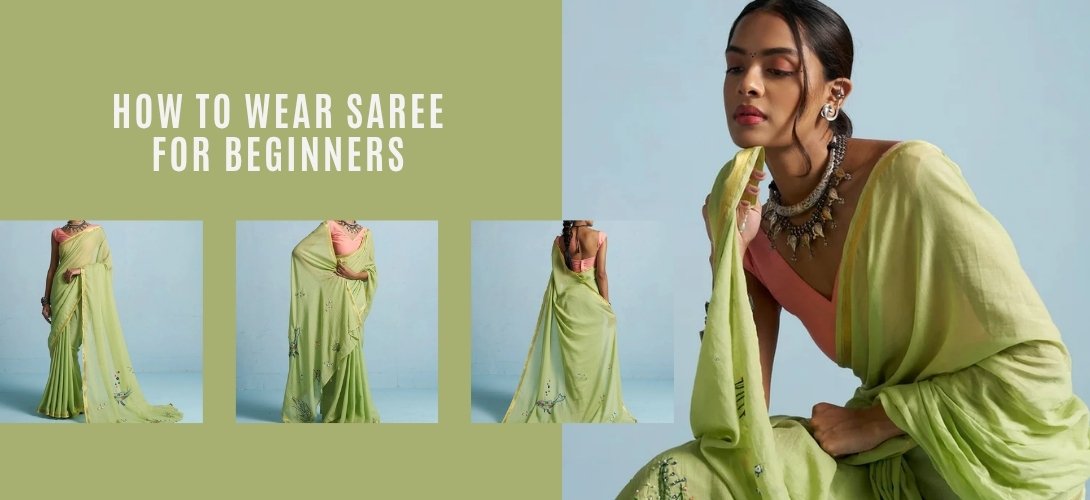
How to Wear Saree Step-by-Step: The New Girl’s Handbook
Written by DUNGRANI fashion |
Every Occasion |
There’s nothing quite like the pride you feel when you finally master how to drape saree. It’s a garment that makes you feel elegant and strong, connecting you to generations of women before you. We want your first experience to be one of happiness and ease, not stress.
This handbook is here to support you as you learn how to wear saree for beginners. Together, we’ll explore the importance of a neat fit and a simple checklist for success. We have also covered a step-by-step guide on how to drape saree quickly and easily, the best saree fabrics for beginners, and clever style hacks.
Key Takeaways
➤ Learning how to wear saree properly improves comfort, confidence, and overall appearance while reflecting cultural elegance and personal style.
➤ Preparing essentials like a well-fitted blouse, shapewear, safety pins, and footwear makes draping easier and more secure.
➤ The Nivi drape involves key steps like saree tucking technique, pleating, securing the waist, and setting the pallu neatly.
➤ Beginner-friendly saree fabrics like cotton, crepe, georgette, and chiffon help achieve clean pleats and learn how to wear saree at home with less effort.
➤ Simple saree draping tips, styling hacks, and quick fixes help you manage common saree issues and wear it confidently all day.
Why Is It Important to Wear a Saree Properly?
Knowing how to wear saree for beginners the right way changes how the world sees you. It’s not just about fashion but also about how you feel inside. Here are the top reasons why a perfect drape is so important:
1. Dignity and sophistication: A well-draped saree shows elegance and boosts your confidence. It helps you project a composed personality and commands respect from others.
2. Cultural representation: The saree represents the rich heritage and local crafts of India. Wearing it correctly is a great way to honour your cultural roots.
3. Physical comfort and functionality: Proper pleats and tucks keep you safe from tripping. This is precisely why learning how to wear saree for long hours matters as much as learning the draping steps. The right tucks ensure you can walk and move all day freely.
4. Aesthetic appeal and proportions: Good draping makes your body look balanced and graceful. It helps to highlight your best features and gives you a polished look.
5. Significance of sattvik energy: Traditional saree draping is believed to bring peaceful energy to your mind. This helps you feel calm and improves your focus during the day.
6. Professional and social etiquette: A neat saree shows that you are a true professional. It makes a strong and positive impression at work or social events.
The "Pre-Drape" Checklist: What Do You Need to Drape a Saree?
You should never start draping your saree without having everything ready. Being organised will save you from a lot of stress and last-minute fixes. Use this checklist to ensure you have a smooth and easy experience while learning how to drape saree.
|
Things you need |
Why you need it |
Pro tip from Dungrani |
|
The saree |
The main fabric that defines your entire look. |
Choose georgette or chiffon for your first time. |
|
The blouse |
This piece provides the structure for your upper body. |
Ensure the armholes aren’t too tight for movement. |
|
Saree shapewear |
A modern alternative to the traditional cotton petticoat. |
Shapewear gives you a slim and toned look. |
|
Safety pins |
Small accessories that hold the saree in place securely. |
Use medium-sized pins to avoid tearing the saree fabric. |
|
Footwear |
Your footwear defines the final length of your saree. |
Always wear your footwear before you begin the drape. |
|
Waist belt |
An optional accessory to add a modern touch. |
A slim metal belt keeps the pleats very neat. |
Things to keep in mind:
▸ Blouse fit: Your blouse should fit snugly but allow you to breathe. A loose blouse will make the shoulder drape look messy and unprofessional. Exploring different blouse styles beforehand helps you select a neckline and cut that complements both your body type and the saree design you've chosen.
▸ Shapewear: Traditional petticoats can add bulk to your waist area. A saree shapewear uses stretchable fabric to smooth out your curves. This makes it much easier to tuck the saree in neatly.
▸ Safety pin quality: Always check the tips of your pins before using them. Rusty or blunt pins can ruin a delicate silk or organza saree. Keep at least six pins ready for different parts of the drape.
▸ Choice of accessories: Before you begin, thinking about accessories for sarees, such as a waist belt, brooch, or jewellery, helps you plan the overall look and decide where to pin or position each piece without disrupting the drape.
Basic Saree Draping Guide: How to Wear Saree Step-by-Step
The Nivi style is the most popular way to start with when learning how to wear saree for beginners in India. It’s versatile and works for weddings, offices, and casual parties. Follow these steps carefully to achieve a perfect and polished appearance:
1. The starting tuck

(i) Find the end: Locate the plain end of the saree that doesn’t have the pallu.
(ii) The right side: Hold the top edge of the saree at your right hip.
(iii) The first tuck: Tuck the saree into your waistband and push it down firmly.
(iv) The full circle: Wrap the saree around your waist once from right to left.
(v) Finish: Ensure the saree is flat against your back and front without any folds.
2. Measuring the pallu

(i) The loose end: Pick up the other end of the saree, which is called the “pallu”.
(ii) The shoulder drop: Bring it from behind your back to your left shoulder.
(iii) Length check: Let the pallu hang down until it reaches the back of your knees.
(iv) Temporary pin: You can use a pin to hold it on your shoulder for now. This helps you see how much fabric is left for the centre pleats.
3. Creating the centre pleats

(i) The fabric gap: You’ll see a lot of loose fabric hanging in the centre.
(ii) Hand technique: Use your thumb and index finger to create even folds.
(iii) The width: Each pleat should be about four to five inches wide.
(iv) The count: Aim for about six to eight pleats for a full and rich look.
(v) The alignment: Hold the pleats together and make sure the edges are perfectly straight.
4. Securing the waist

(i) The navel tuck: Tuck the bunch of pleats into your waistband near your navel.
(ii) Left facing: Make sure all the pleats face toward your left side.
(iii) The safety pin: Use a large pin to secure the pleats to your shapewear. Pin them from the inside so the metal doesn’t show on the outside. This step prevents the pleats from falling out while you’re walking.
5. Perfecting the shoulder drape

(i) Gather the pallu: Go back to the fabric on your left shoulder.
(ii) Neat folds: You can fold the pallu into smaller pleats for a formal look. If you want a casual look, you can leave the saree pallu open.
(iii) The final pin: Secure the pallu to your blouse with a small safety pin. Place the pin slightly behind your shoulder bone to keep it hidden. This will keep the saree from slipping off your arm.
Which Fabric Saree Is Best for Beginners?
Choosing the right saree fabric makes your first experience much easier when learning how to wear saree for beginners. Some fabrics behave like a dream while others need more patience. As a beginner, you should choose fabrics that are easy to manage and pleat.
1. Cotton (soft handloom/mulmul)
Mulmul is the easiest fabric for a new girl to wear. It’s very breathable and provides a natural grip against your skin. This grip keeps the fabric from sliding out while you walk. You’ll find it simple to make neat pleats with this material.
If you're planning to wear a saree in warm weather, go for summer saree fabrics like cotton to keep yourself cool without sacrificing style.
2. Linen / Linen-cotton
Linen sarees offer a modern and structured look for the office. The fabric is naturally crisp and holds its shape without extra starch. You don’t have to worry about the fabric looking messy. The cotton blend makes it softer and much easier to handle.
3. Khadi
Khadi is a hand-spun fabric with a slightly rough texture. This surface makes it very stable to pin and tuck. The fabric doesn’t move once you set it in place. You’ll feel secure and confident in a Khadi saree.
4. Chanderi cotton
Chanderi cotton is a lightweight blend that feels airy on your skin. This fabric makes the pleating process very simple for beginners. It doesn’t puff up like other heavy materials. You can wear this for hours without feeling any weight.
5. Crepe
Crepe sarees are a top choice because they have a unique grainy texture. This texture prevents the fabric from being slippery while you move. It’s wrinkle-resistant and falls gracefully around your body. You’ll look polished with very little effort in this saree.
6. Georgette (pure or faux)
Georgette is a lightweight fabric with a slightly bumpy surface. This texture helps the saree hug your body better than smooth fabrics as you learn how to wear saree without help. It stays in place better than chiffon because it’s less slippery. Georgette sarees are a popular choice for young women at Dungrani.
7. Chiffon
Chiffon is extremely light and very easy for a beginner to carry. It feels almost weightless and flows beautifully when you walk. Use a few extra safety pins to keep it secure all day. This fabric is perfect for evening parties and special events.
8. Cotton-silk blends
Cotton-silk blends give you a shiny look with the grip of cotton. The cotton helps the saree stay tucked in firmly at your waist. The silk adds a beautiful glow for big celebrations. It’s a manageable fabric that doesn’t feel heavy.
11. Liva
Liva sarees use a high-quality viscose fabric known for being exceptionally fluid. They’re designed to move with your body, making it a "cheat code" for beginners. You’ll find them lightweight and wrinkle-resistant, keeping you looking fresh all day.
12. Lycra
Lycra, along with chiffon and organza, is a popular fabric used in modern ready-to-wear sarees. This stretchable material holds its shape without any manual pleating. You can put it on like a skirt in under one minute. It’s the best option if you’re in a rush.
13. Tussar / Kora silk
Tussar silk is a great start into the world of silk sarees. It’s much lighter and less stiff than a heavy silk saree. This makes it a very easy fabric for your first event. You can enjoy a royal look without struggling with weight.
14. Mysore crepe silk
Mysore crepe silk is easier to drape than most other silks. The crepe texture helps your centre pleats stay steady and organised. It has a beautiful fall that makes every woman look slim. It’s a luxury choice that any beginner can handle.
Also Read: How to Wear Ready to Wear Saree?
How to Wear Indian Saree Using Beginner-Friendly Body Type Hacks
The beauty of the saree is its versatility, but a one-size-fits-all approach does not always work for everyone. By making small changes to your pleats and your choice of fabric, you can master how to drape saree for your specific body type and create a look that feels custom-made for you. Here’s a look at these beginner-friendly saree draping tips:
1. Apple/Oval shape (fuller midsection, slim legs)
▸ Hack: Use lightweight fabrics like chiffon or crepe that flow smoothly when learning how to wear saree for first time.
▸ Drape: Use a belted Nivi drape to create waist definition and a Gujarati drape to cover the midsection.
▸ Blouse: Opt for V-neck or deep necklines to elongate your upper body.
2. Pear/Triangle shape (wider hips, narrower top)
▸ Hack: Choose light fabrics for the bottom and embellished blouses to draw attention upward.
▸ Drape: Keep lower pleats minimal and flat to avoid adding volume to the hips.
▸ Blouse: Use boat necks or puff sleeves to balance shoulders.
3. Hourglass shape (proportionate hips/bust, defined waist)
▸ Hack: You can carry modern saree draping styles. Focus on highlighting your waist.
▸ Drape: Mermaid or fishtail drapes work wonderfully to highlight curves.
▸ Blouse: Fitted blouses or crop tops.
4. Inverted triangle (broad shoulders, narrow hips)
▸ Hack: Add volume to the lower body with heavy borders.
▸ Drape: Gujarati style with a heavy pallu balances the shoulders.
▸ Blouse: Simple, minimal designs.
5. Rectangle/Straight shape (similar bust/waist/hips, straight structure)
▸ Hack: Add volume and create curves with textured fabrics like organza or cotton.
▸ Drape: Bengali or ruffled drapes add flair and volume.
▸ Blouse: Use heavily embellished designs or puff sleeves.
For a comprehensive breakdown of what works best for different figures, read our guide on saree styles by body types for detailed fabric and draping recommendations.
Essential Saree Draping Tips for Fixing Unexpected Saree Emergencies
Even experts face problems while learning how to drape a saree for beginners for a long time. You should know how to fix these common issues without panicking:
1. Slipping pallu: Use a decorative brooch or safety pins to pin the pallu securely to the shoulder.
2. Blouse gaping/Too tight: Apply double-sided fashion tape between the skin and blouse for a flat fit, or use instant hook extenders.
3. Stains (oil/food): For immediate, non-water-based stains, apply baby powder or cornstarch to absorb oil, then gently brush away after some time.
4. Hook/Tear issues: Keep a mini sewing kit, or use safety pins to securely fasten a broken hook.
5. Sharp/Sharp-edged border: Apply fabric glue to apply a soft piping/border, or pin the edge to the inner side.
6. See-through fabric: Add an extra fall to add weight and reduce transparency.
However, being aware of common saree draping mistakes before they happen is the best way to stay calm and solve issues quickly.
How to Drape Saree for a Modern Look?
If you want to move away from the classic style and try something a bit more fusion-inspired while learning how to wear saree easily, there are several easy ways to update your look. A few simple changes in your choice of blouse or accessories can change the whole vibe of your outfit. Here’s a look at these modern ideas:
1. Modern blouse alternatives: Replace traditional blouses with a tailored shirt, crop top, or corset for a fusion look.
2. Belt it up: Add a sleek metallic or leather belt at the waist to keep the pallu setting in place and add structure.
3. Easy draping styles:
▸ Pant style: Wear a saree over pants or leggings for comfort and a modern silhouette.
▸ Loose pallu: Skip the pinned pallu and let it flow from the shoulder for a relaxed, contemporary vibe.
4. Minimalist accessorising: Avoid heavy sets. Choose sleek metallic hoops or minimalist statement jewellery. Learn the right way to style jewellery with sarees.
5. Footwear: Pair with heels, sandals, or even white sneakers for a truly modern fashion statement. Learn to style footwear with sarees to understand what works best with each draping style.
6. Saree selection: Choose modern prints, solid colours, or organza fabrics to keep the look light and chic. To stay inspired, browse the latest saree trends to find new silhouettes, prints, and textures that keep your wardrobe feeling fresh and current.
Don’t Just Wear a Saree. Wear Your Heritage With Pride!
Mastering how to wear saree is a journey of confidence and cultural pride. By following our step-by-step simple saree draping tutorial, using the pre-drape checklist, and choosing beginner-friendly fabrics like georgette or mulmul, you can achieve a polished look with ease.
Remember to use the saree wearing instructions for your body type and modern saree draping tips to ensure your first experience is stress-free and elegant.
Now, it’s time to pick up your fabric and start practising! Dungrani offers an exclusive collection of lightweight, easy-to-drape sarees specifically curated for beginners who are learning how to wear saree properly. Our sarees are designed to offer pleats making in saree easy while providing a graceful silhouette.
Connect with us or book a video shopping appointment to explore our latest arrivals!
Recent Posts


How to Style a Party Wear Saree for a Glamorous Look?

How to Look Glamorous in a Saree: Easy Styling Tips to Look Beautiful and Stylish

Pre Stitched Saree vs Pre Draped Saree: Features, Fit, and Everything You Need to Know Before Buying

How to Choose Party Wear Saree: Your Ultimate Shopping Guide

What Is Organza Saree? Complete Guide to Fabric, Styles and Buying Tips

What Is Georgette Saree? Fabric Guide and Why Women Love It

How to Wear Saree for Plus Size Women: Slay Every Look With These 15 Styling Ideas

How to Travel With a Saree: 11 Smart Packing and Styling Tips for Every Trip

How to Style a Saree With a Belt: 7 Modern Styling Tips to Rock the Indo-Western Look

How to Wear Saree During Pregnancy: Your 101 Guide to Effortless Maternity Style and Comfort

How to Choose the Best Blouse Necklines for Your Unique Face & Body Shape?

How to Master Office Wear Saree Styling: Easy Draping Tips for a Professional Look

What’s the Best Saree for Rainy Season: Your Go-to Fabrics, Colours, & Hacks Guide

How to Choose the Best Blouse Designs for Ready to Wear Saree?

7 Expert Saree Styling Ideas for Engagement Every Bride Needs

How to Style Saree for Wedding and Be the Best-Dressed Guest

How to Wear Saree Comfortably for Long Hours: Your Ultimate Survival Guide

What Jewellery to Wear With Saree: Expert Styling Tips to Pair Pieces Beautifully

How to Choose Accessories for Saree: Your Ultimate Styling Guide to Nailing Every Look

Best Saree for Summer Wedding: Fabrics, Colours and Styling Choices for Guests

Mother's Day Saree Ideas: Celebrating the Strongest Woman You Know With Thoughtful Gift Choices She'll Adore

Best Blouse Styles for Sarees: A Complete Selection Guide

Saree Styling with Footwear: Ultimate Guide to Elegant Pairings

5 Mistakes to Avoid While Draping Saree and How to Fix Them?

Summer Saree Fabric Guide: Top 5 Picks for Hot Indian Weather

5 Tips To Choose The Best Saree For Your Body Type: Complete Styling & Fabric Guide

Best Saree Colours for Skin Tone: Fair, Wheatish, Dusky & Dark Skin Guide

How to Style Embroidered Sarees for Every Occasion: Expert Tips & Outfit Ideas

How to Look Slim in Saree: 11 Proven Styling Tips That Work (With Examples)

How to Wear Ready to Wear Saree?

Types of Saree Fabrics: The Ultimate Shopper’s Cheat Sheet

Saree Trends 2026: Top 20 Sarees Your Wardrobe Must Have

35 Iconic Saree Draping Styles: Your Ultimate Guide to the Traditional and Modern Drapes


