



BEST SELLER
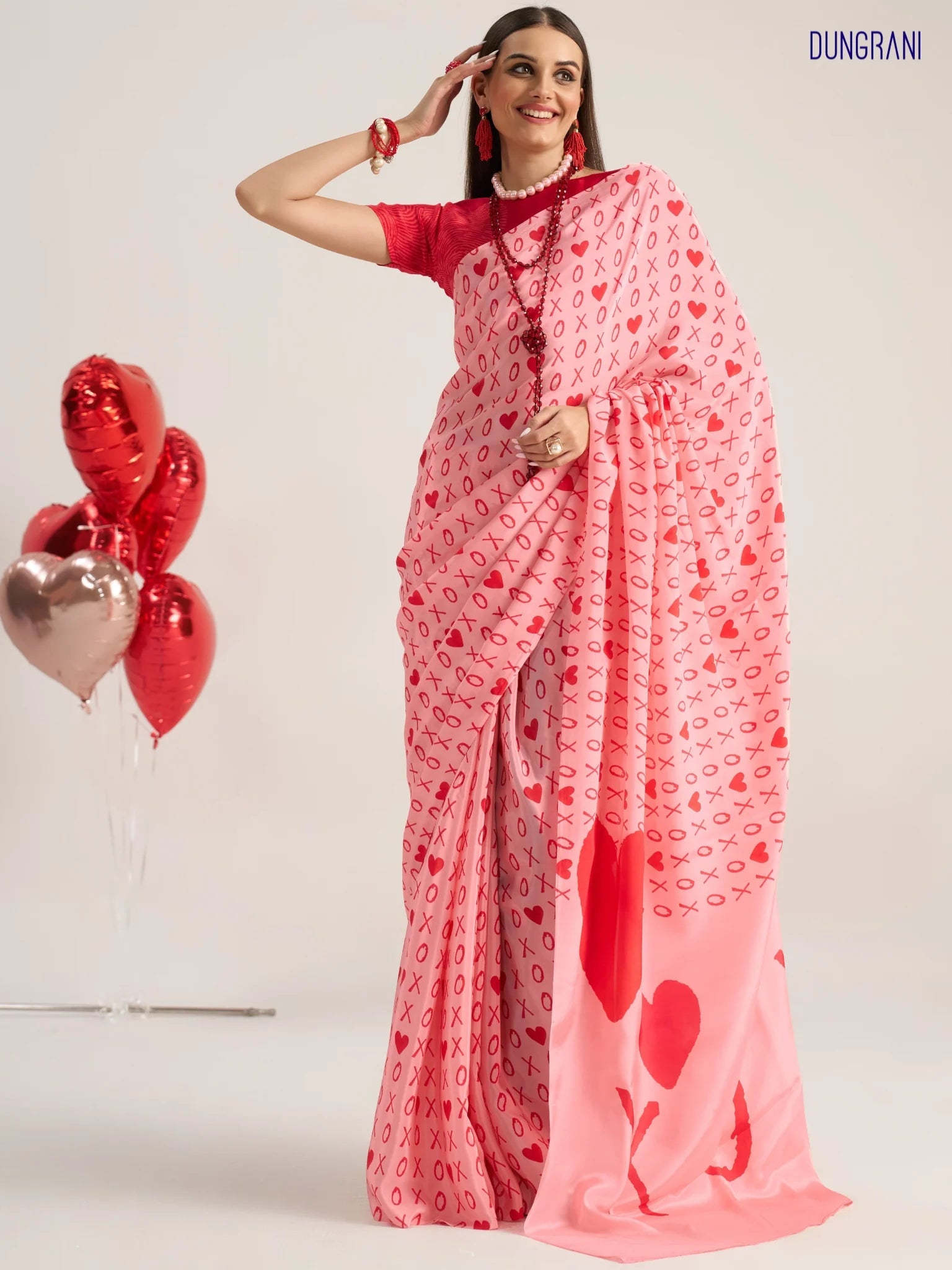
PASTEL PEACH NATURAL CRAPE DIGITAL PRINTED SAREE
Sale price₹ 4,490
Regular price₹ 7,990
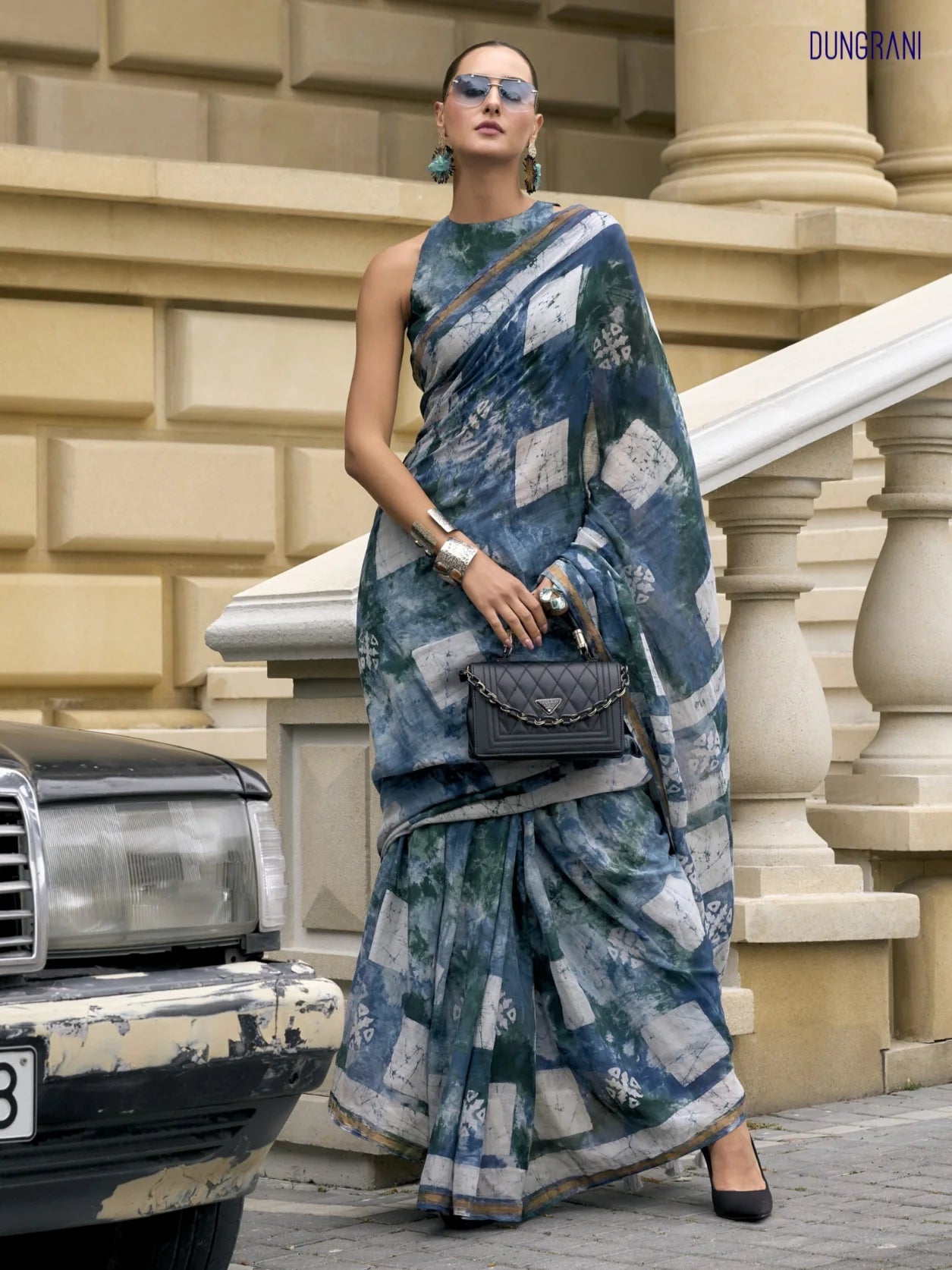
DARK BLUE MULMUL COTTON BATIK PRINTED SAREE
Sale price₹ 3,290
Regular price₹ 5,990
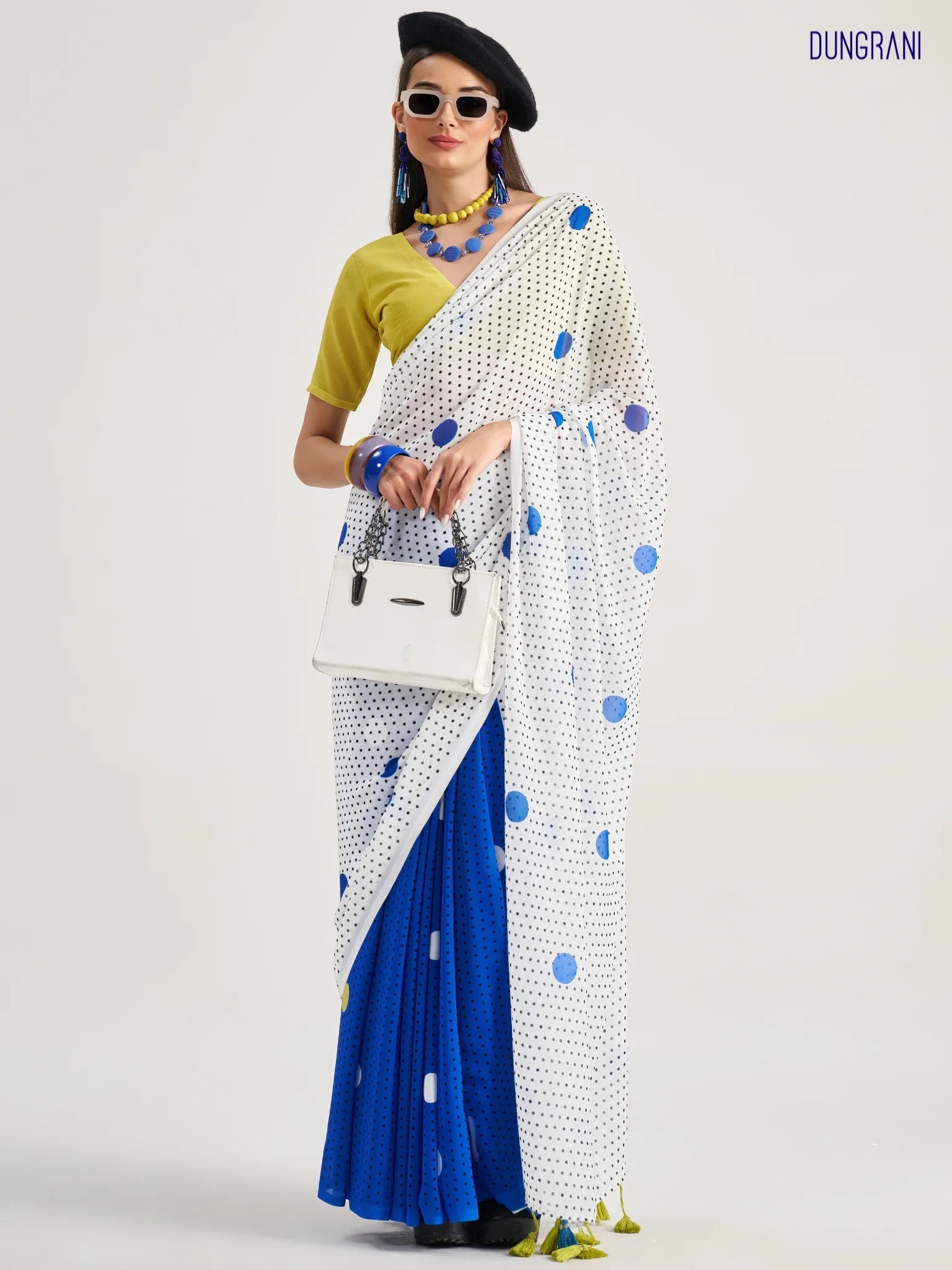
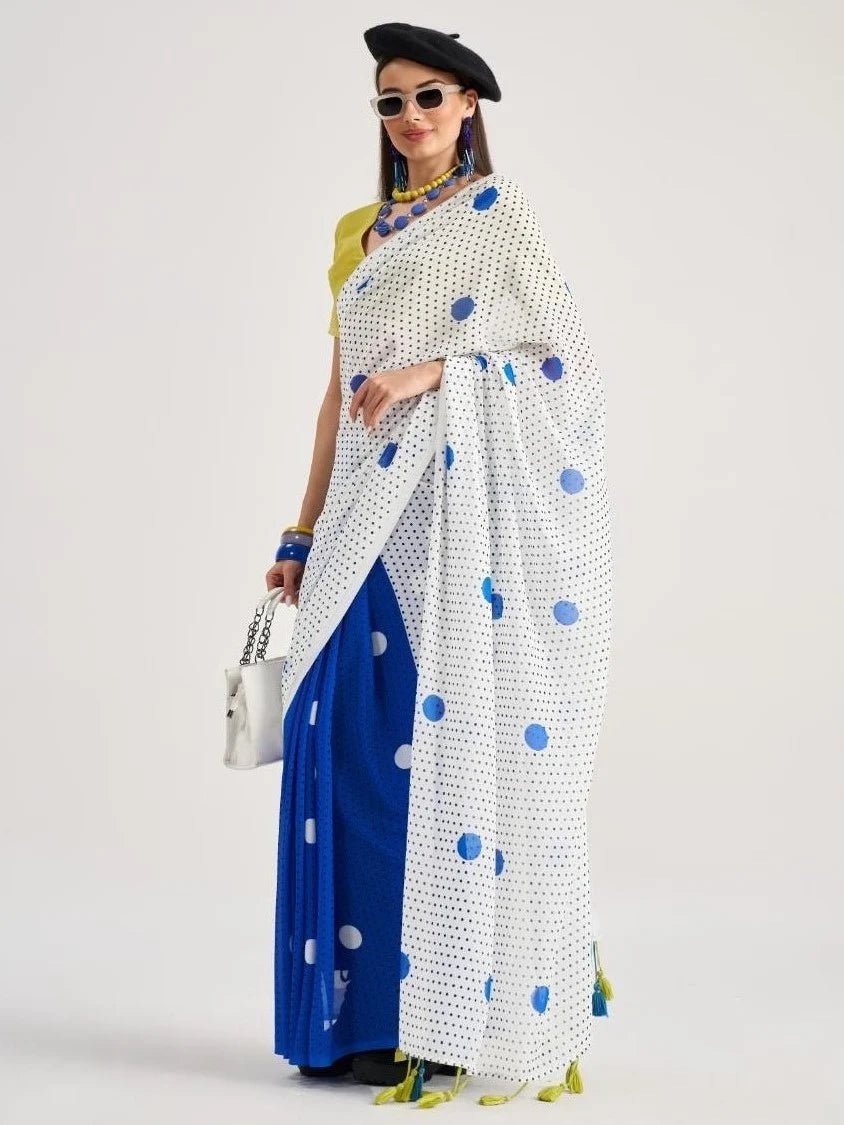
WHITE & BLUE GEORGETTE POLKA POPS DIGITAL PRINTED SAREE
Sale price₹ 1,890
Regular price₹ 3,790
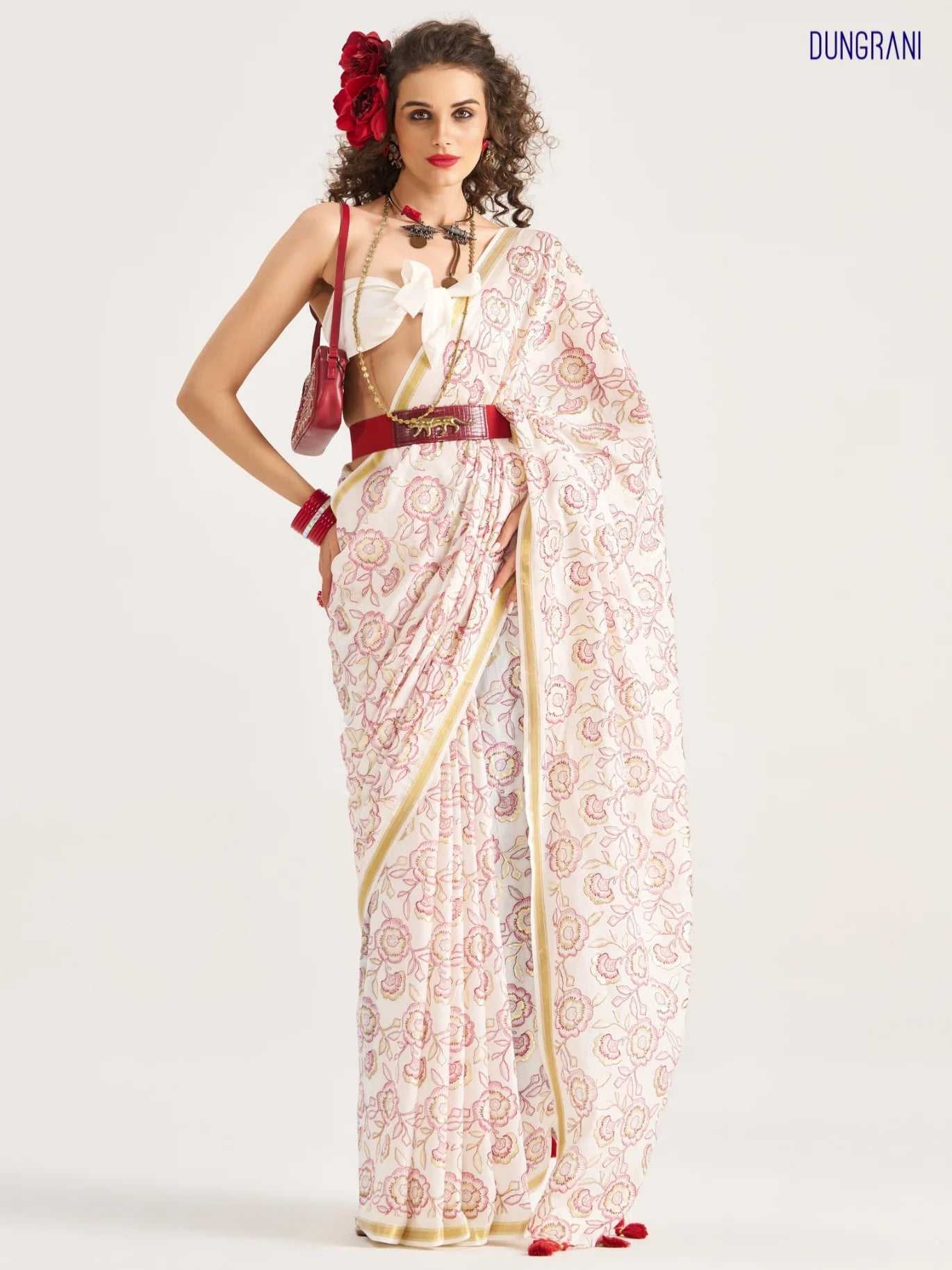
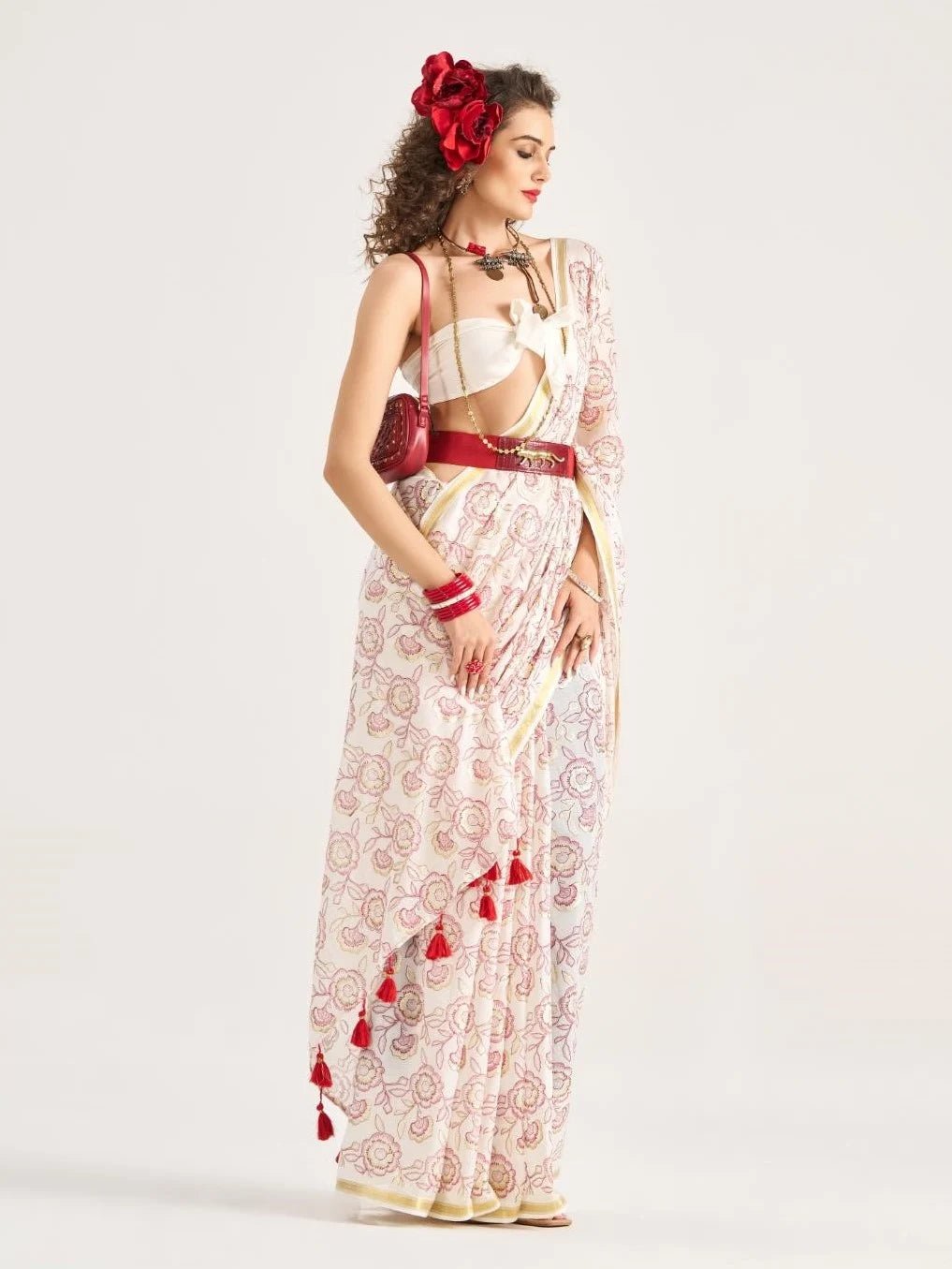
WHITE MULMUL COTTON FLOWER PRINTED SAREE
Sale price₹ 2,690
Regular price₹ 4,990
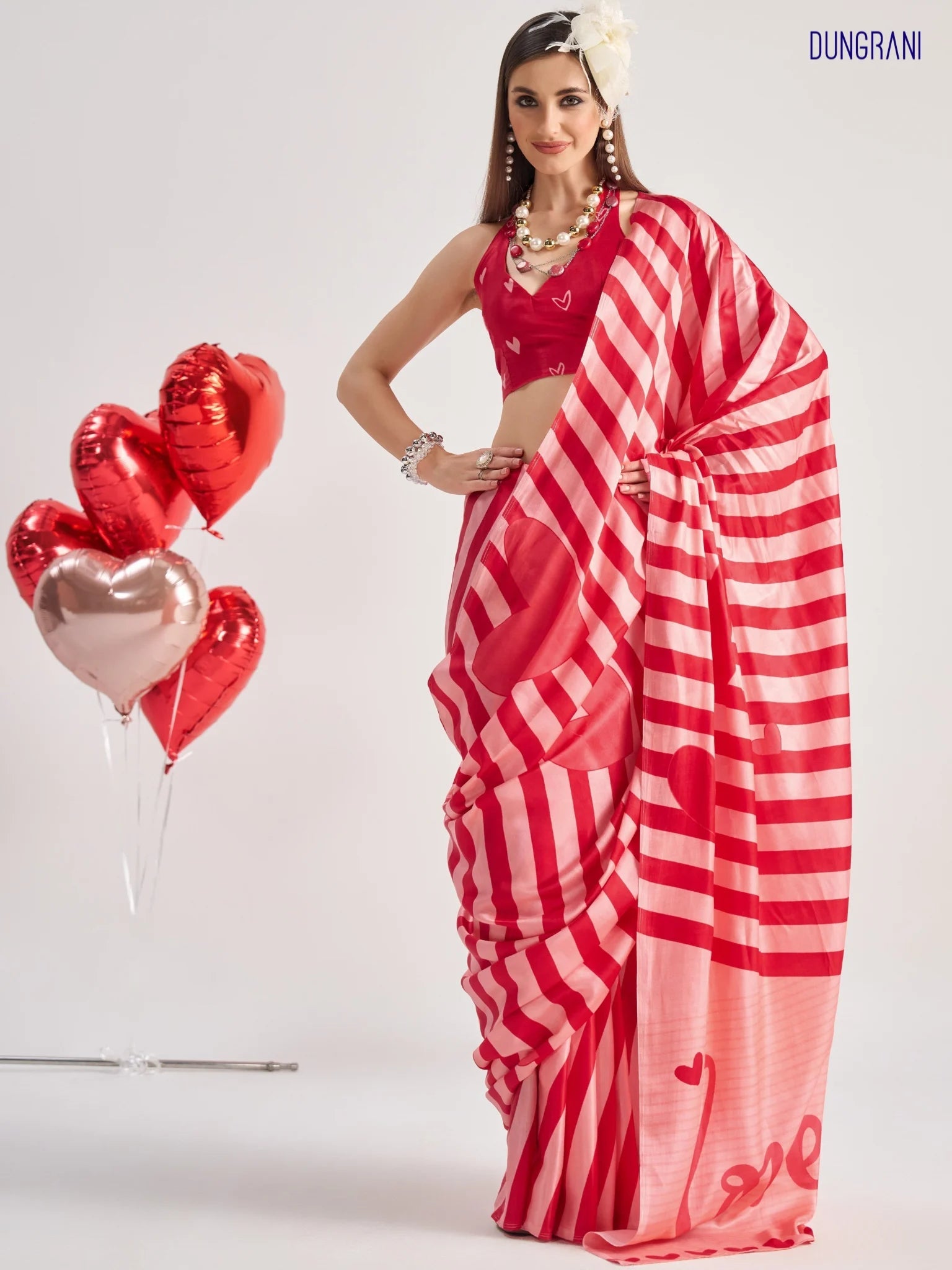
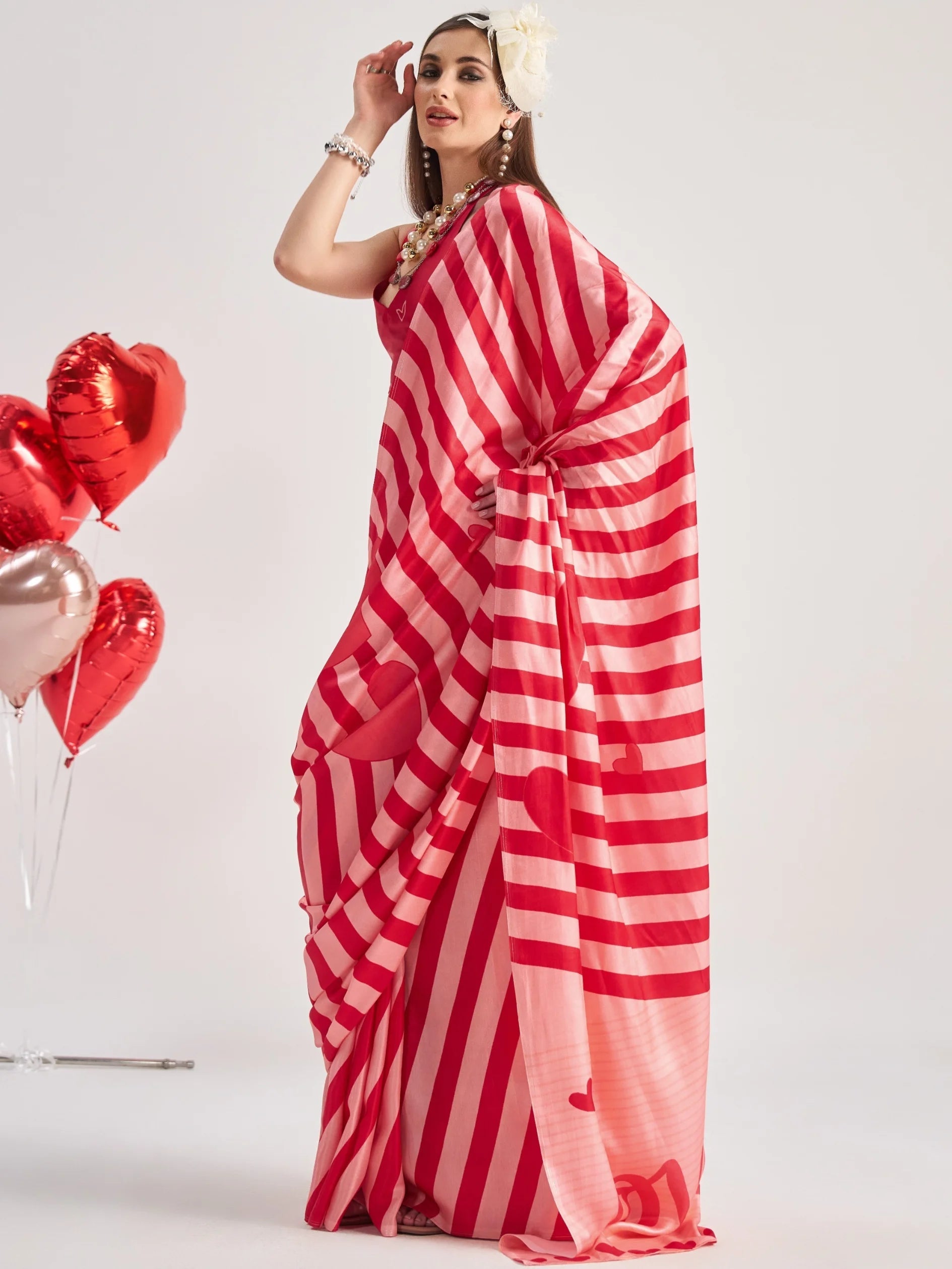
RED BEMBERG MODAL SATIN DIGITAL PRINTED SAREE
Sale price₹ 4,990
Regular price₹ 8,990
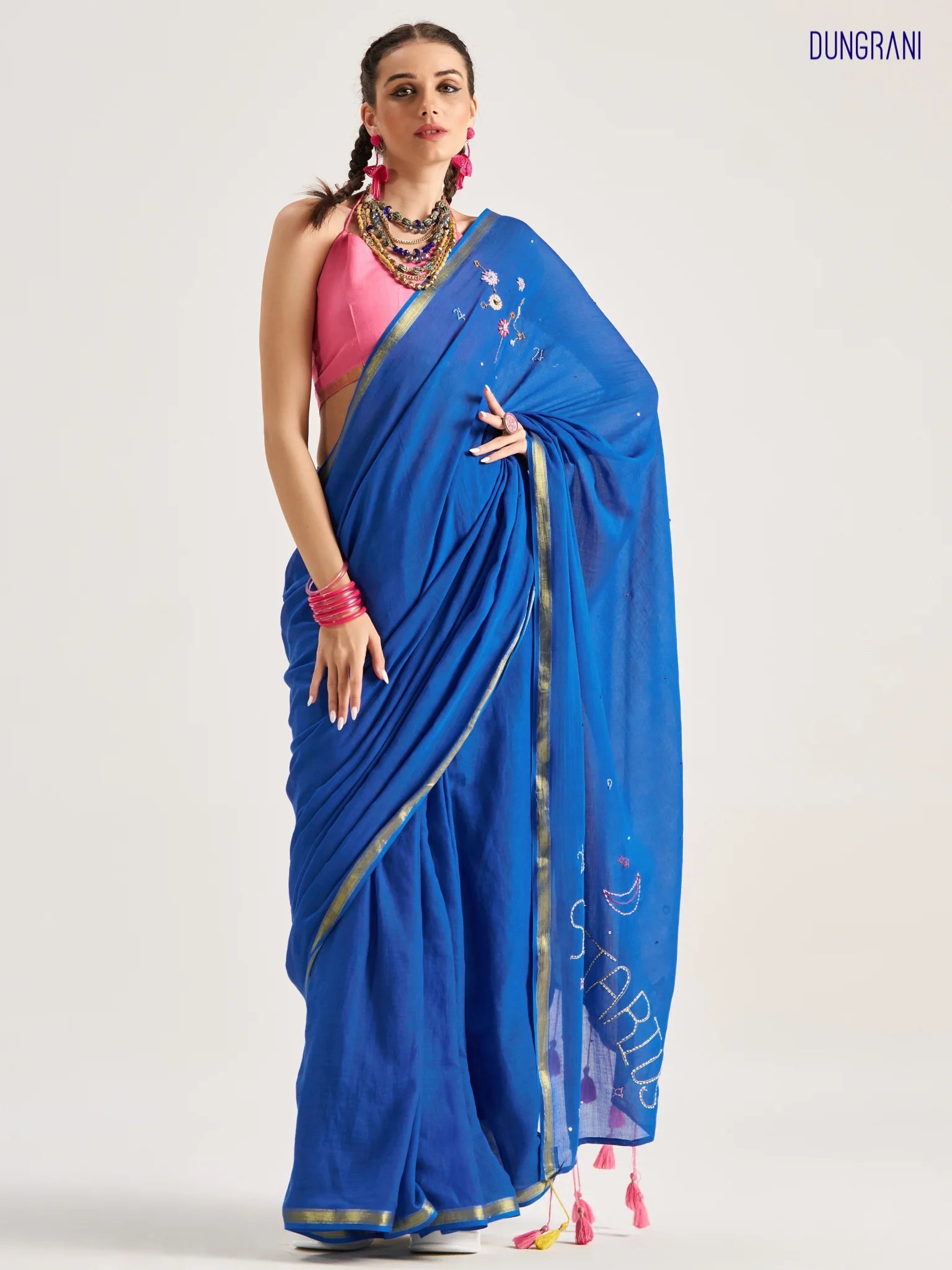
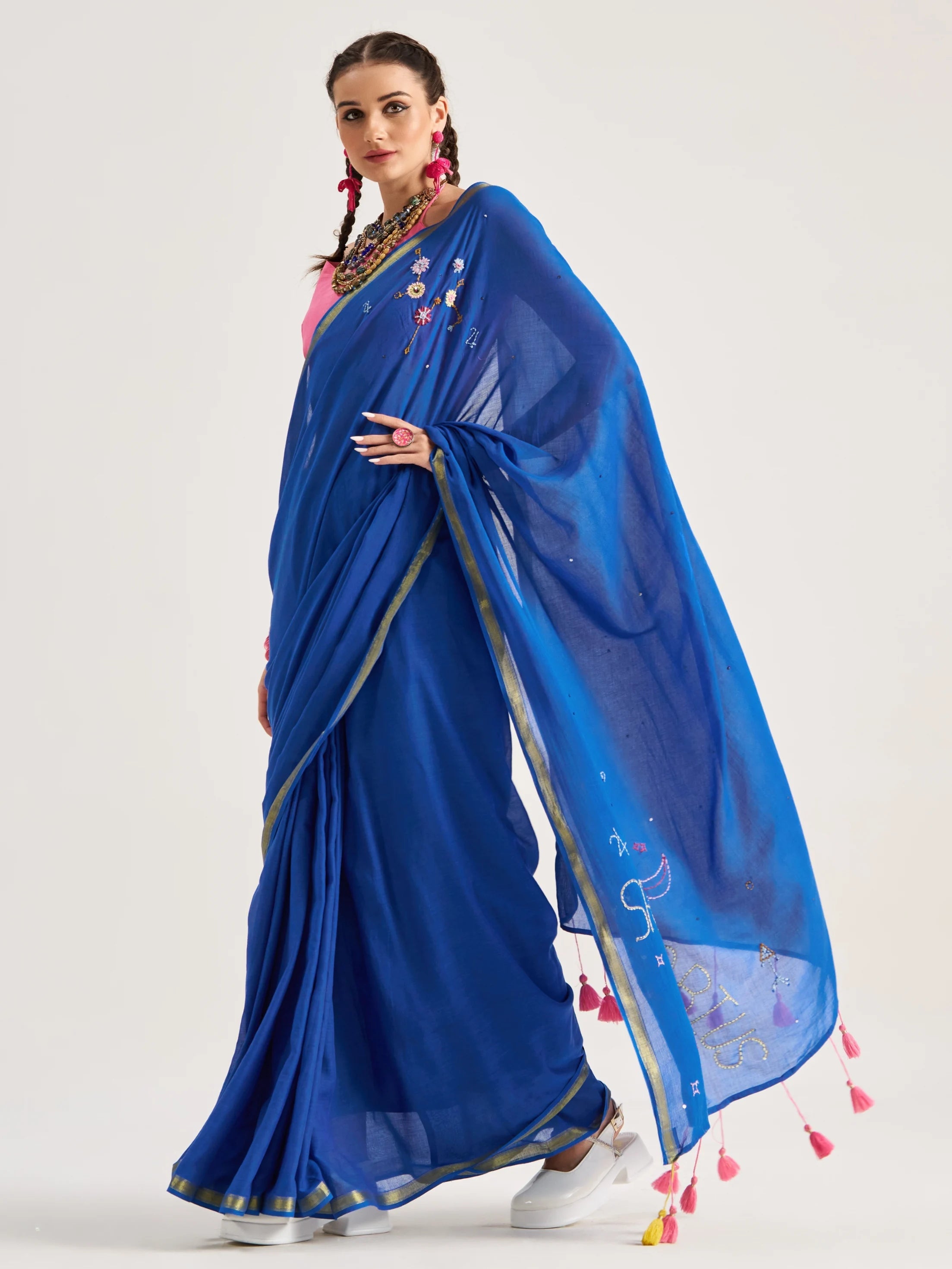
DEEP BLUE MULMUL COTTON SAGITTARIUS VEDIC ZODIAC THREAD WORK SAREES
Sale price₹ 2,990
Regular price₹ 5,490
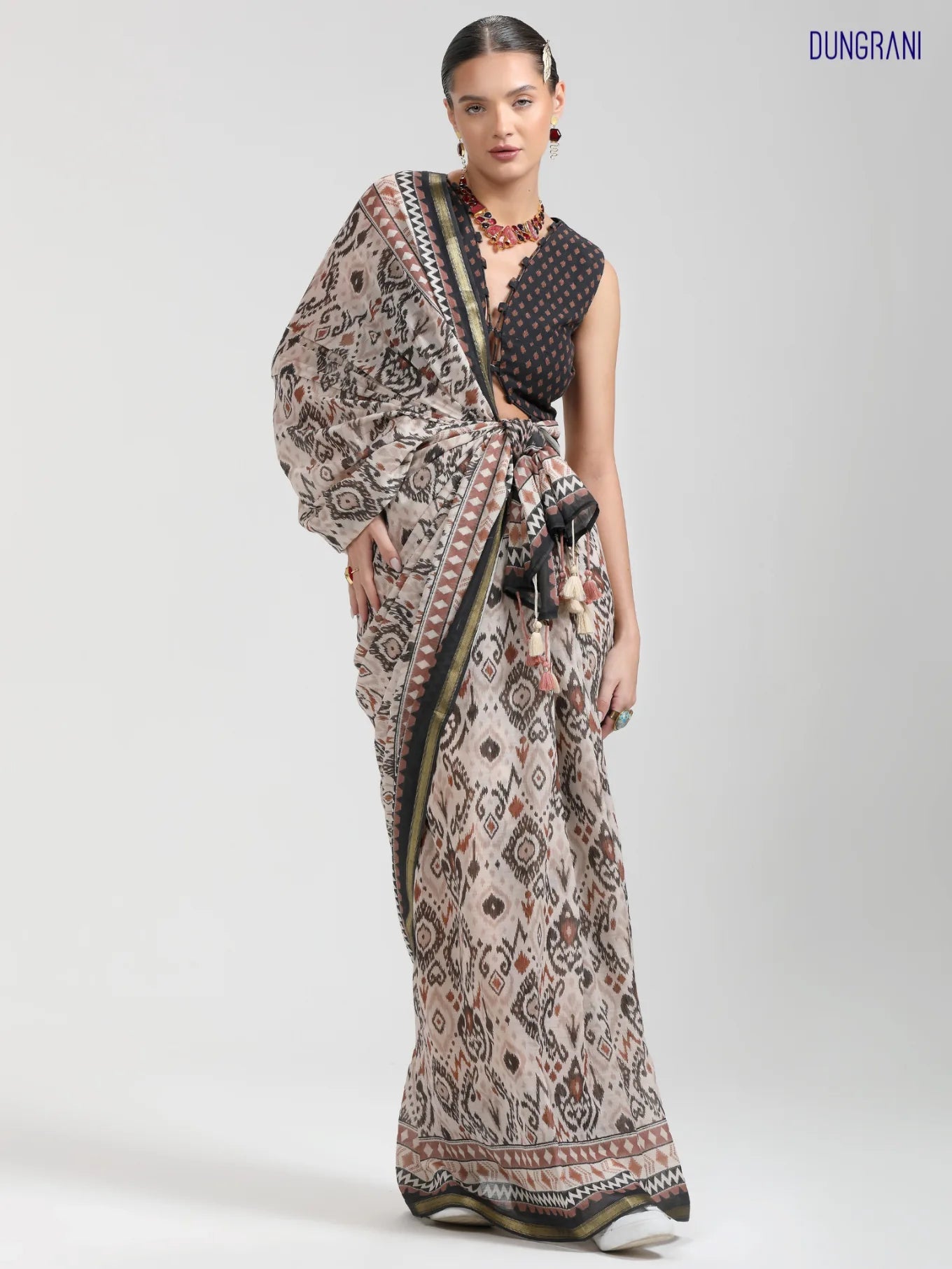
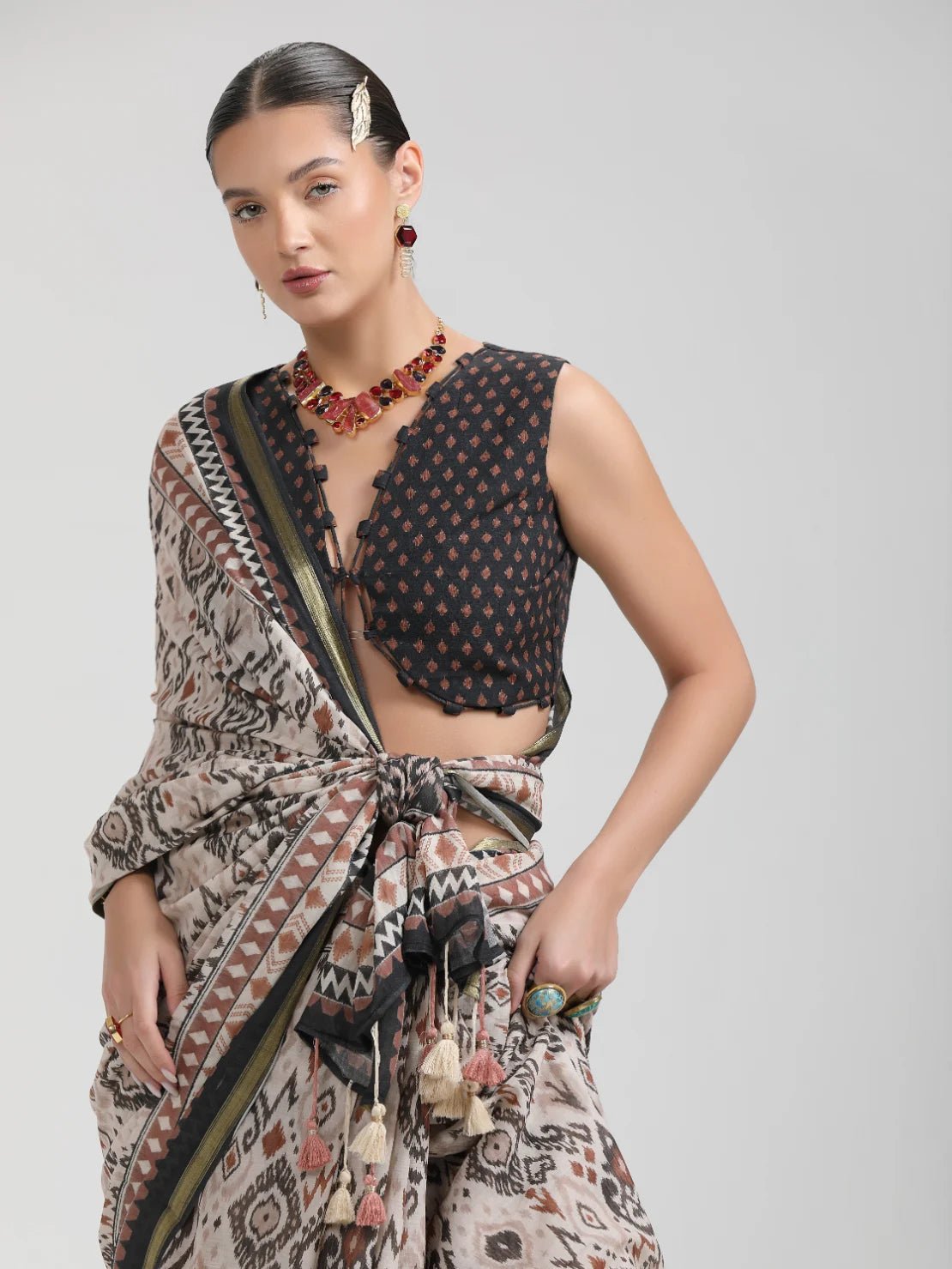
BEIGE & BLACK MULMUL COTTON LIVA DIGITAL PRINTED SAREE
Sale price₹ 2,990
Regular price₹ 5,490
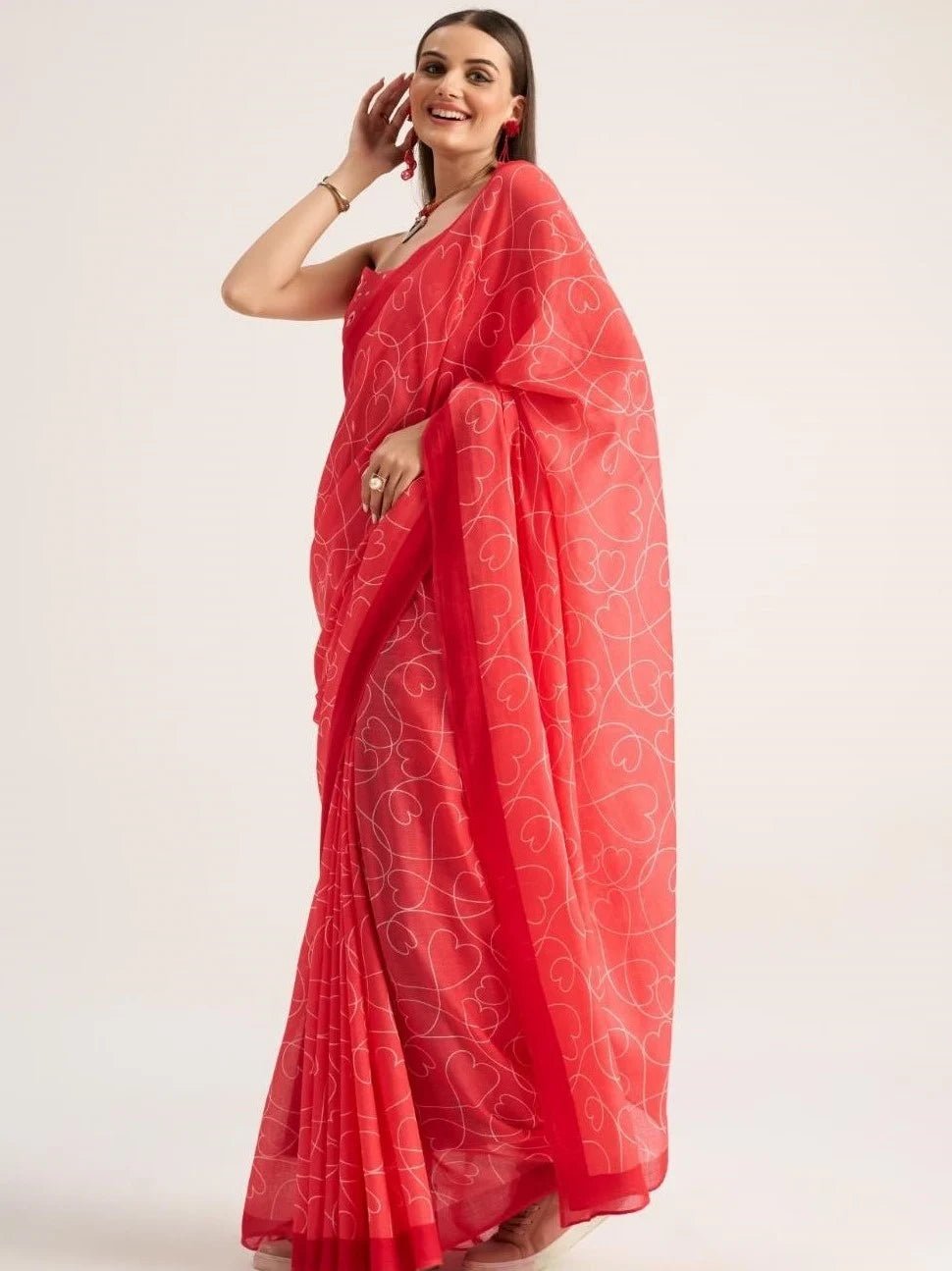
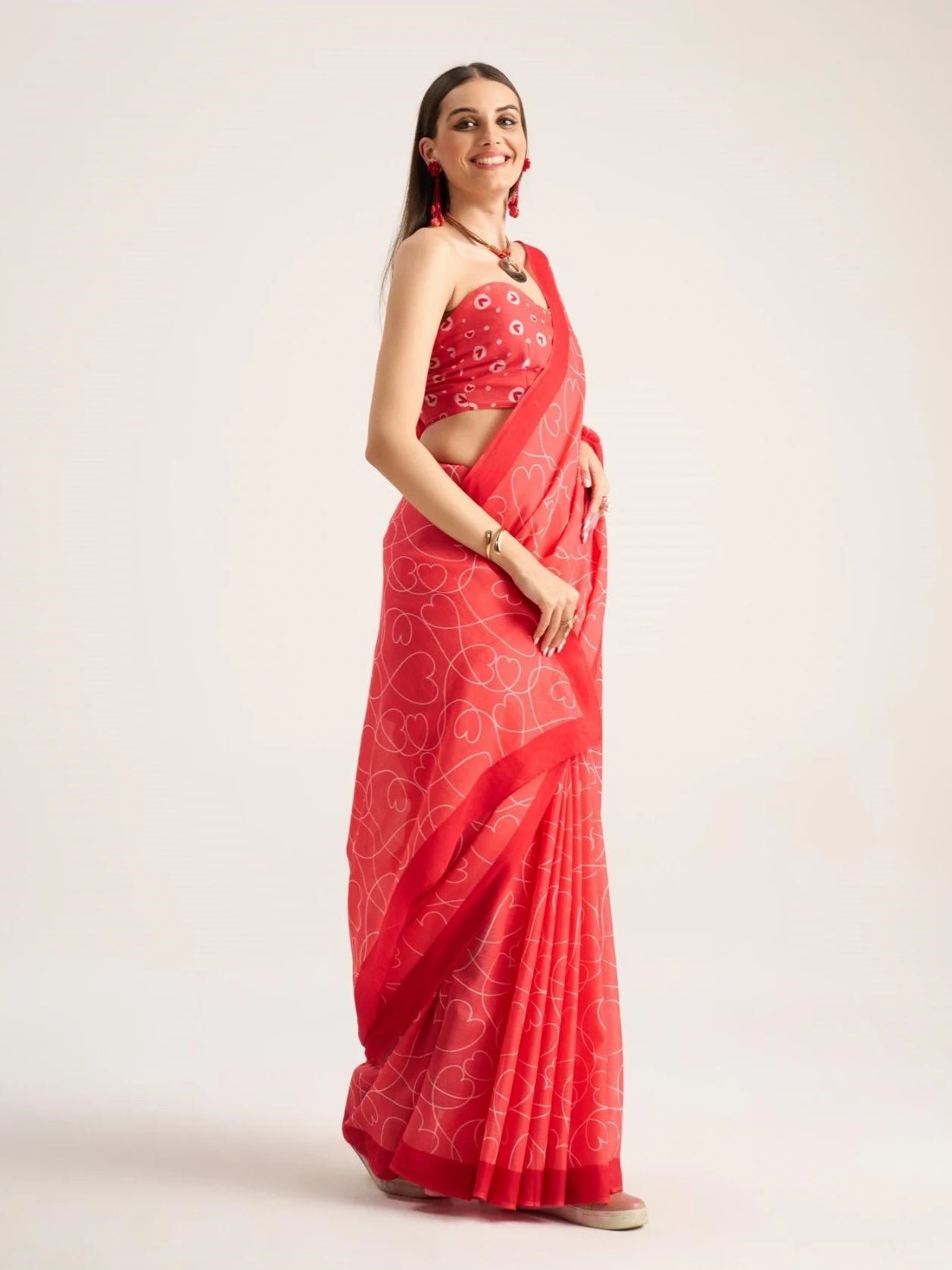
CORAL RED MULMUL COTTON LIVA DIGITAL PRINTED SAREE
Sale price₹ 2,990
Regular price₹ 5,490
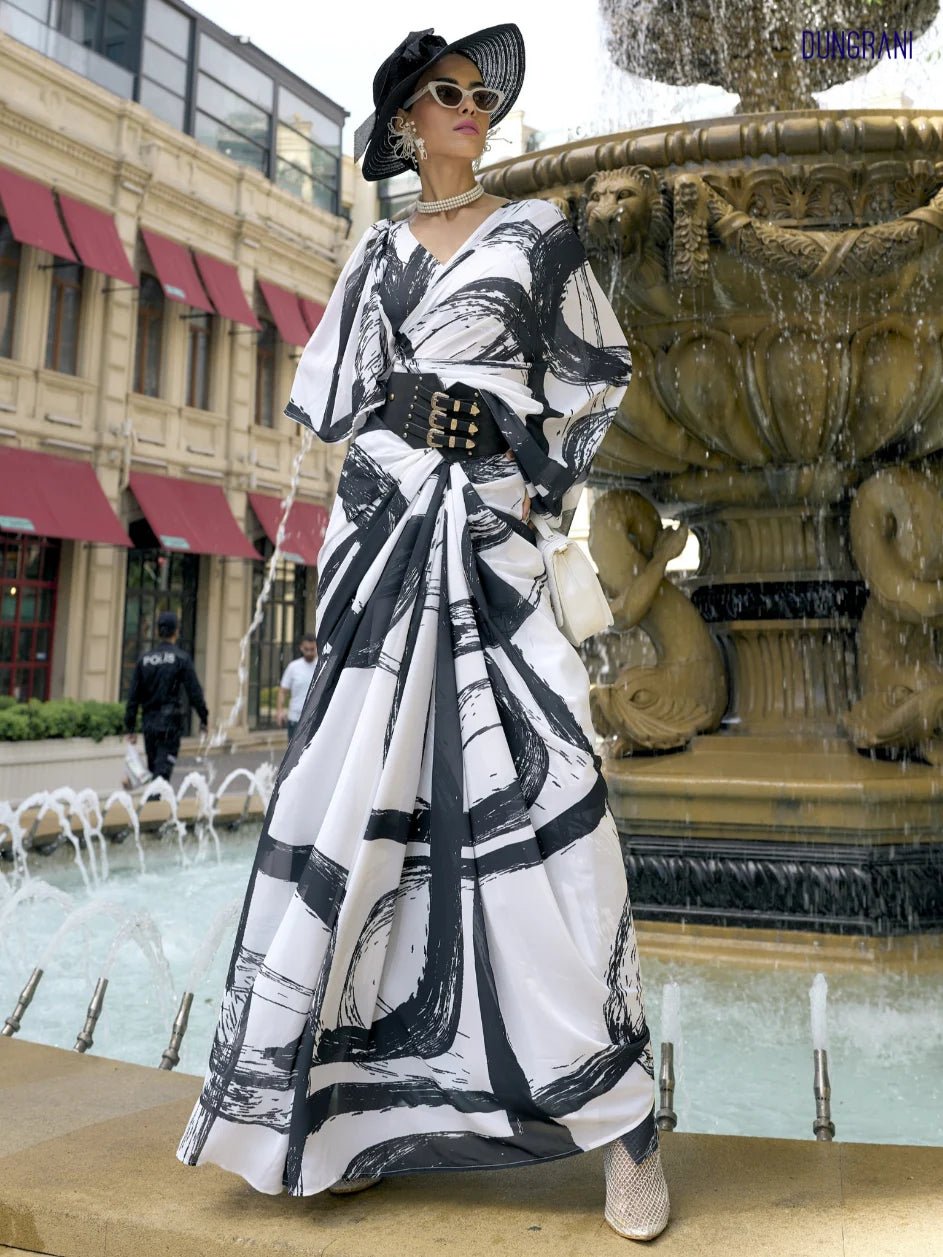
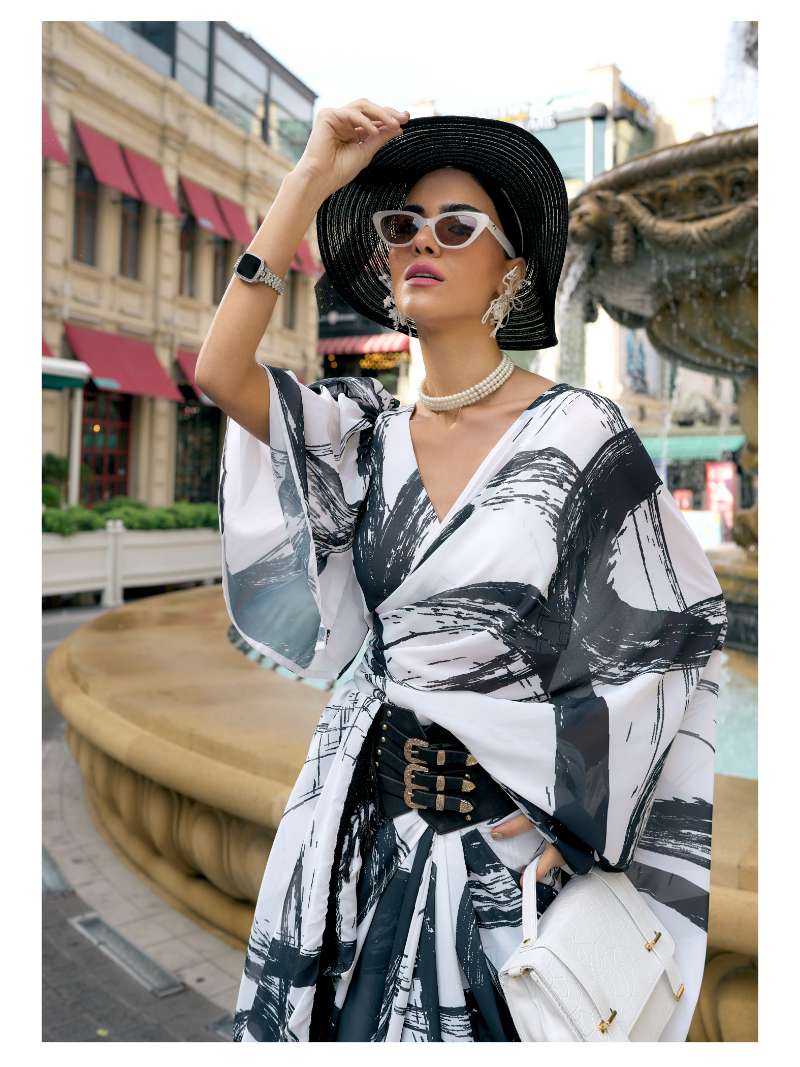
BLACK & WHITE BOLD STROKE PRINTED GEORGETTE SAREE
Sale price₹ 1,890
Regular price₹ 3,790

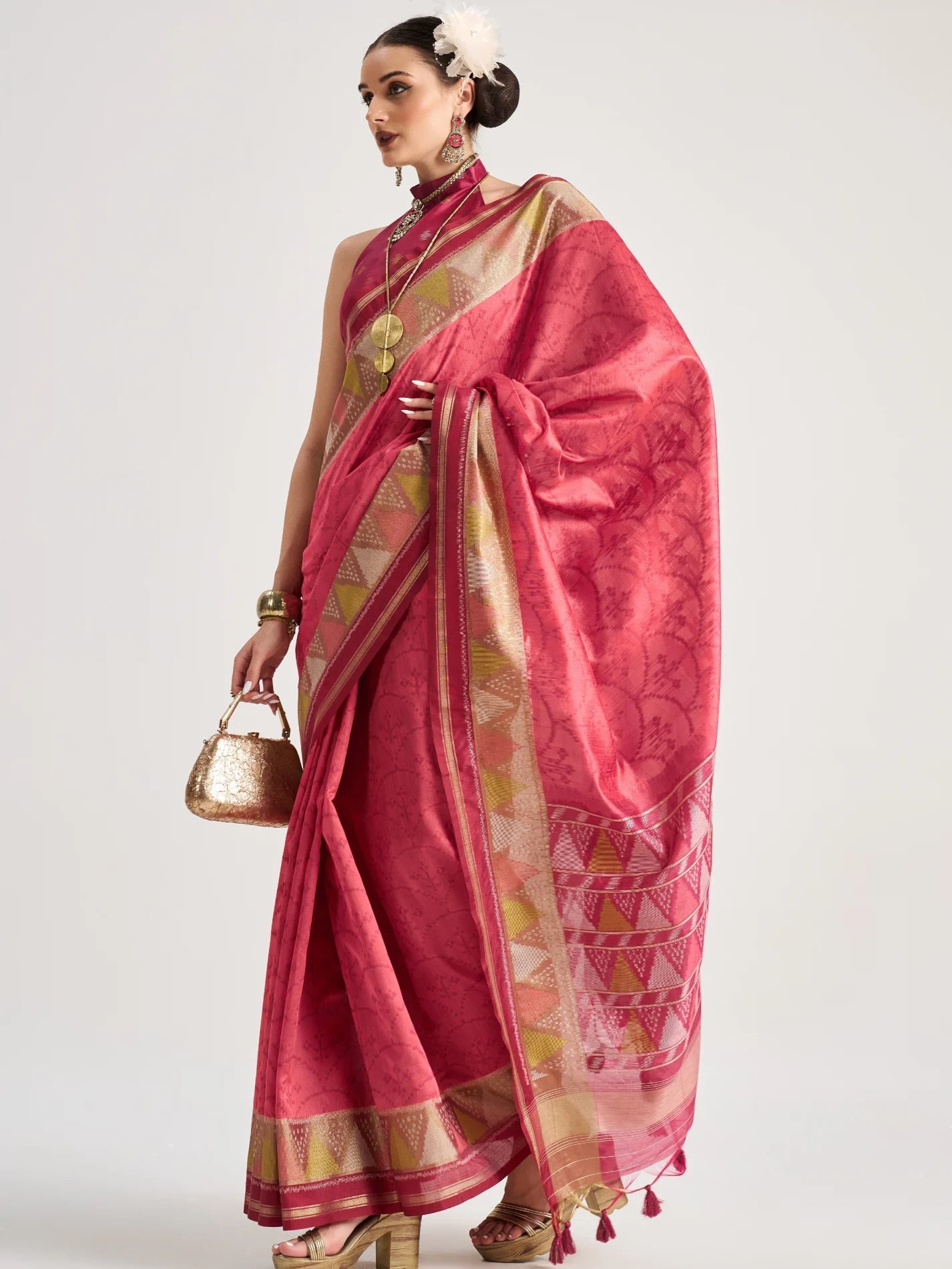
MAGENTA PINK TRIANGLE ART SILK SAREE
Sale price₹ 2,450
Regular price₹ 4,990


OFF WHITE HANDWOVEN BUTTERFLY ART SILK SAREE
Sale price₹ 2,250
Regular price₹ 4,490


BLACK & MAROON HANDWOVEN BANDHEJ ART SILK SAREE
Sale price₹ 1,990
Regular price₹ 3,990
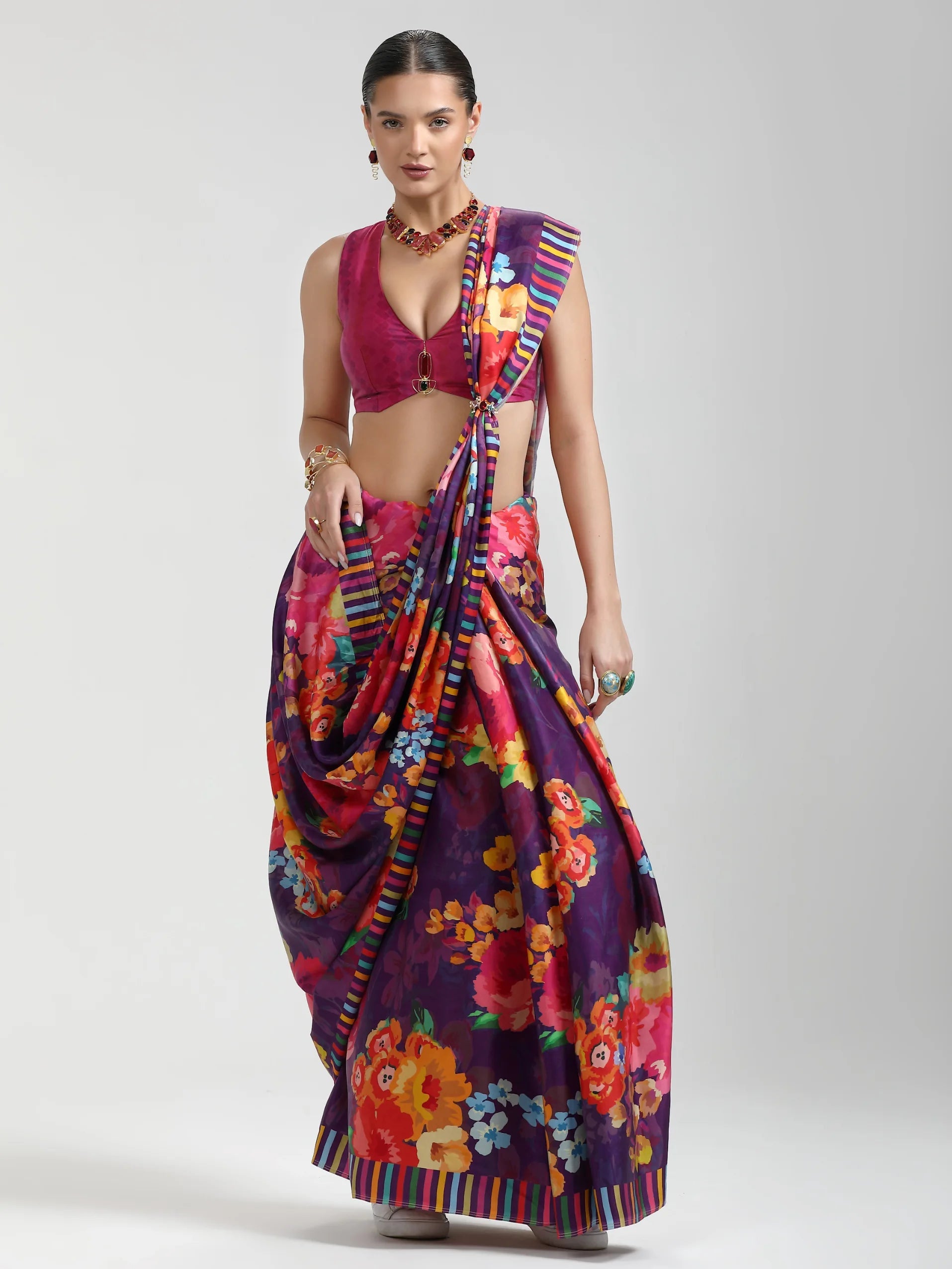
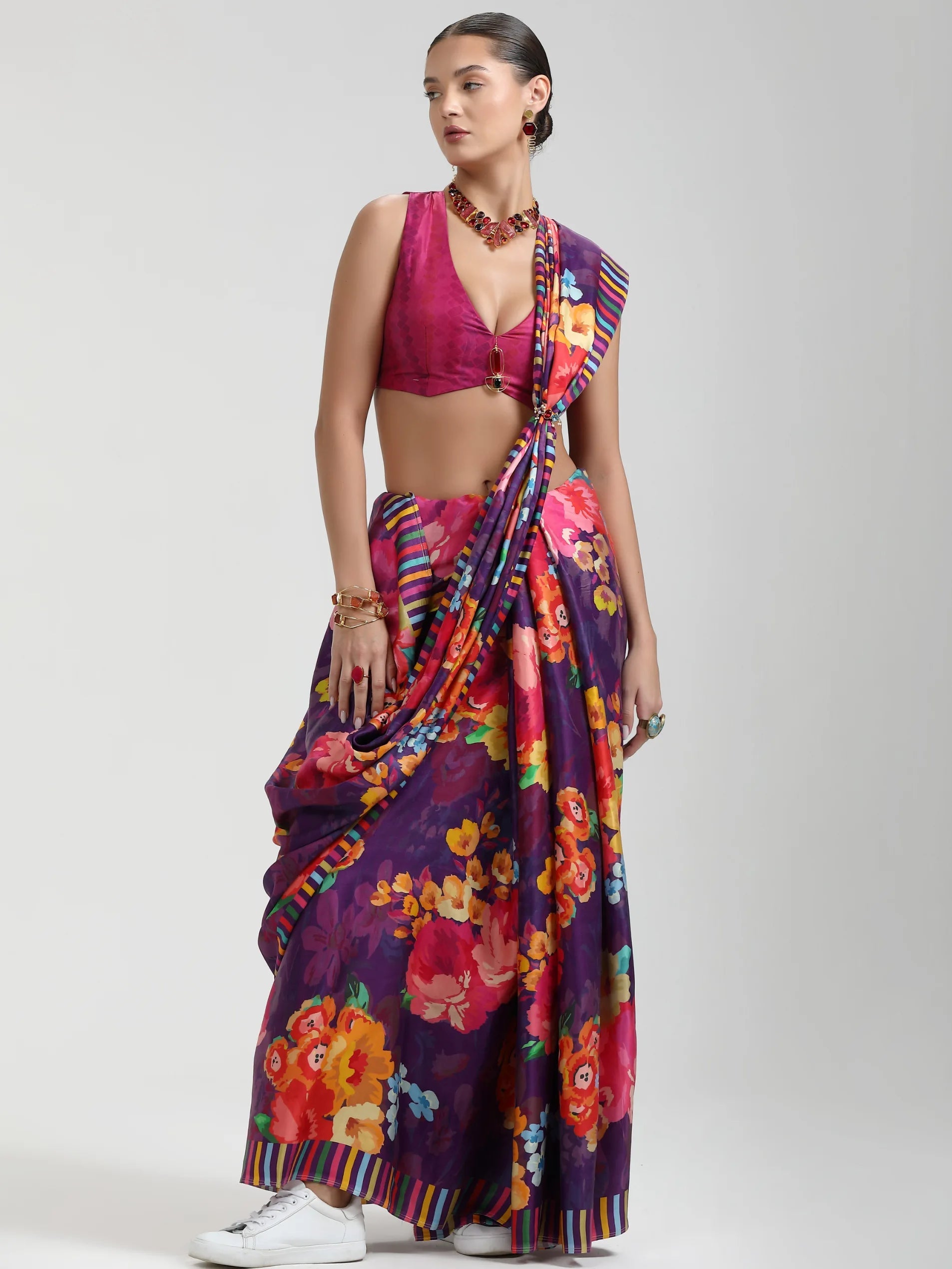
DEEP PURPLE BEMBERG MODAL SATIN SAREE WITH FLORAL PRINT
Sale price₹ 4,990
Regular price₹ 8,990
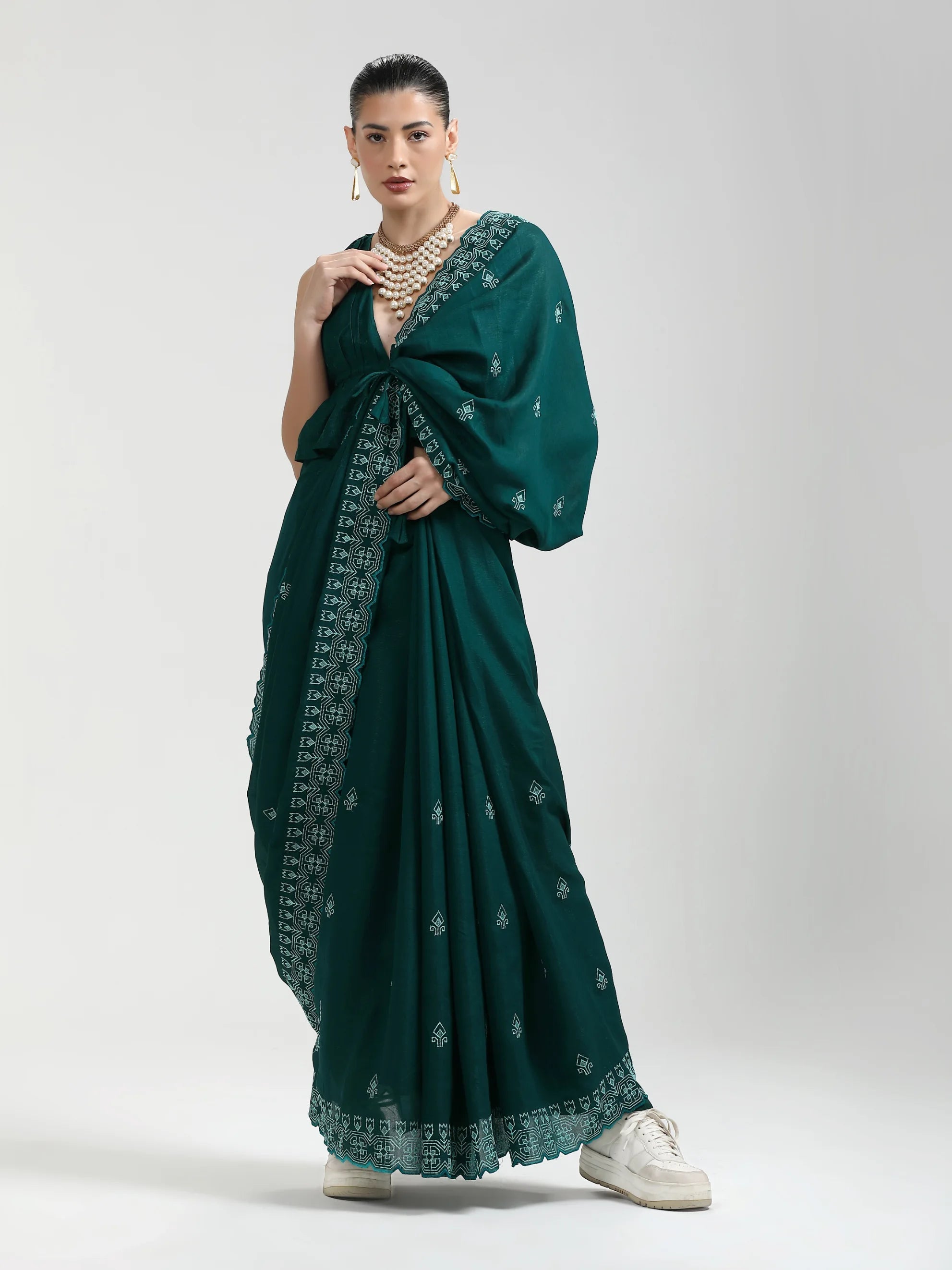
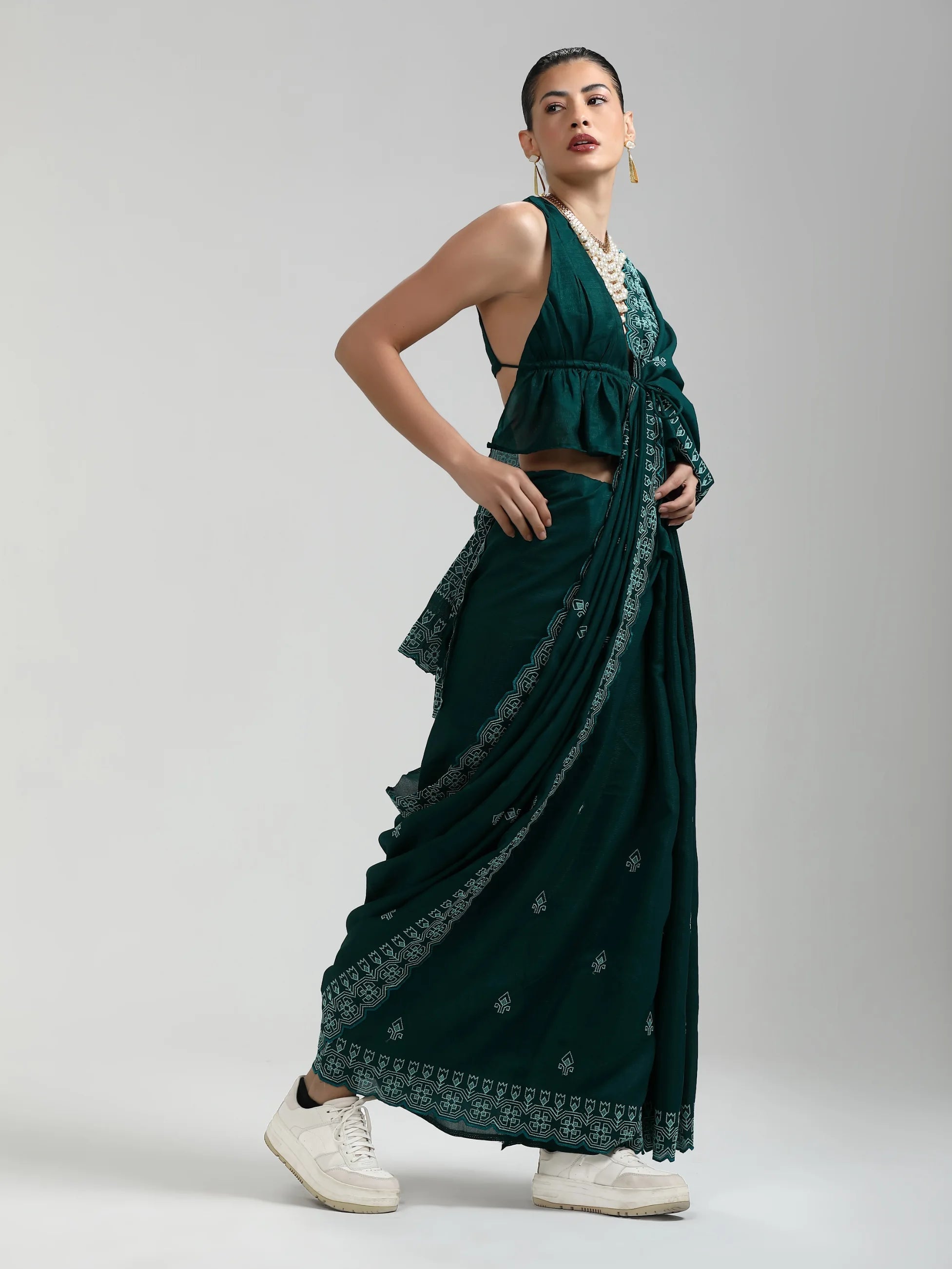
BOTTLE GREEN TITANIUM ART SILK KANTHA EMBROIDERY SAREE
Sale price₹ 3,490
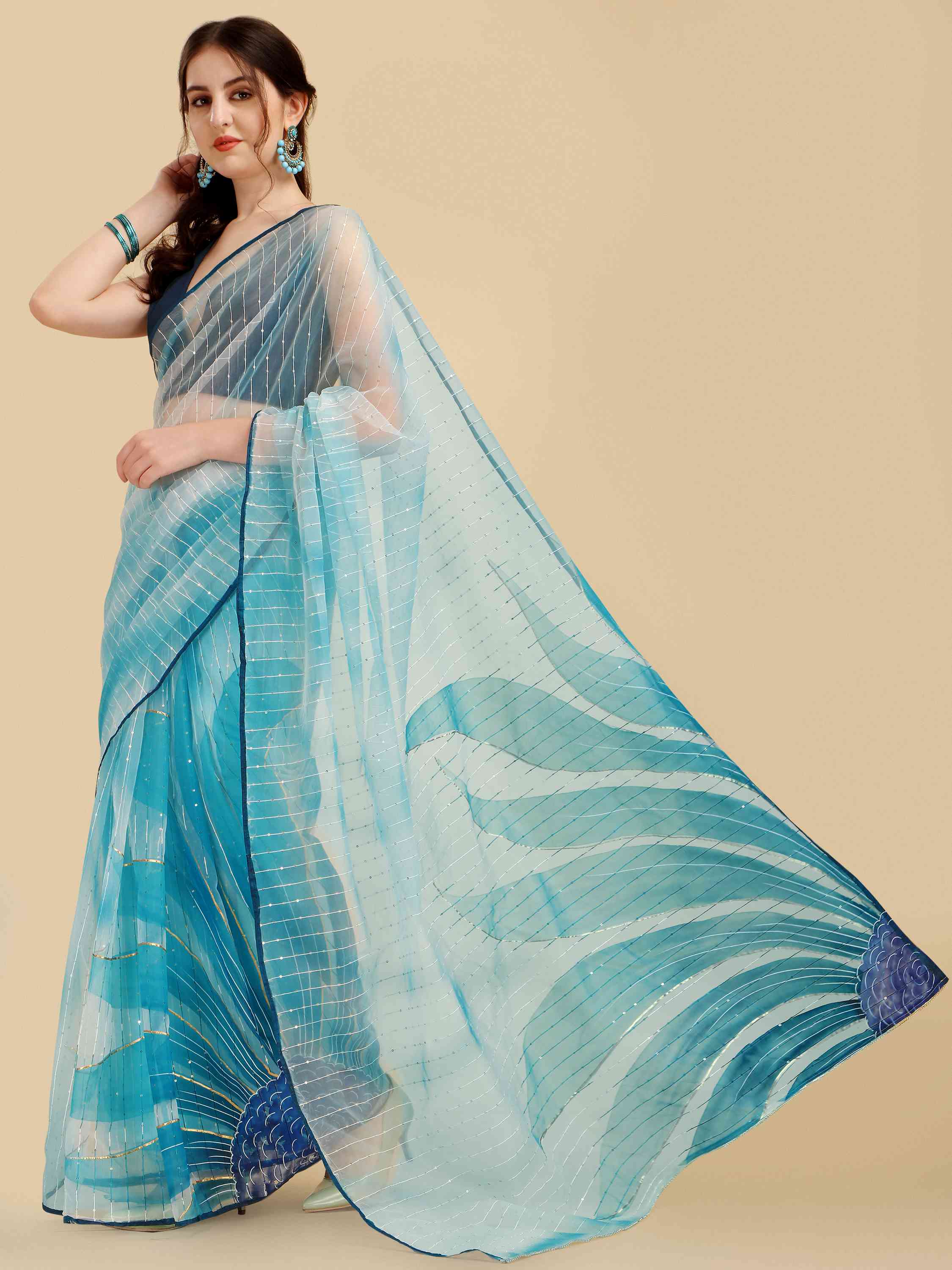
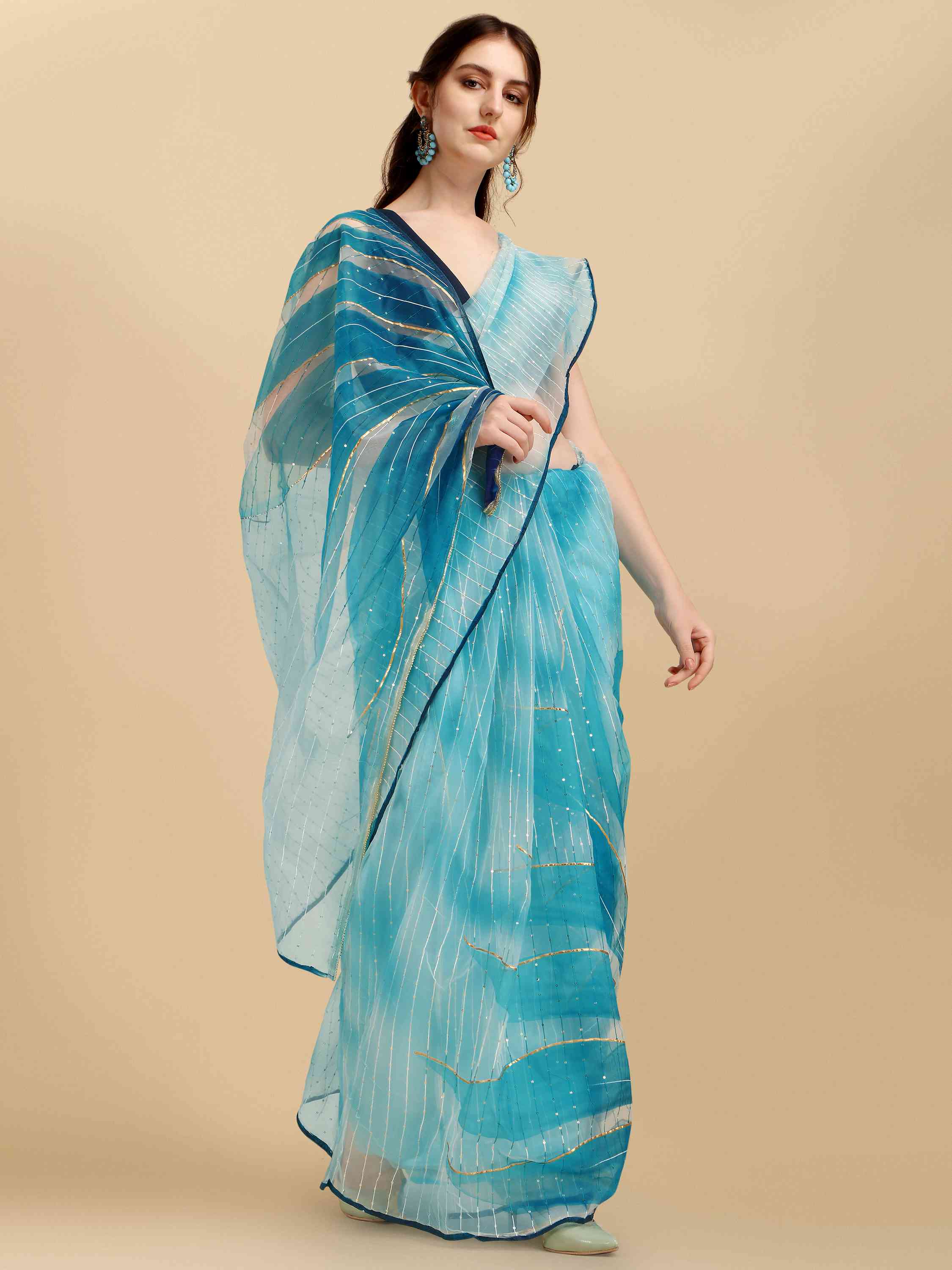
SKY BLUE HAND PAINTED ORGANZA SILK SAREE
Sale price₹ 2,590
Regular price₹ 4,990
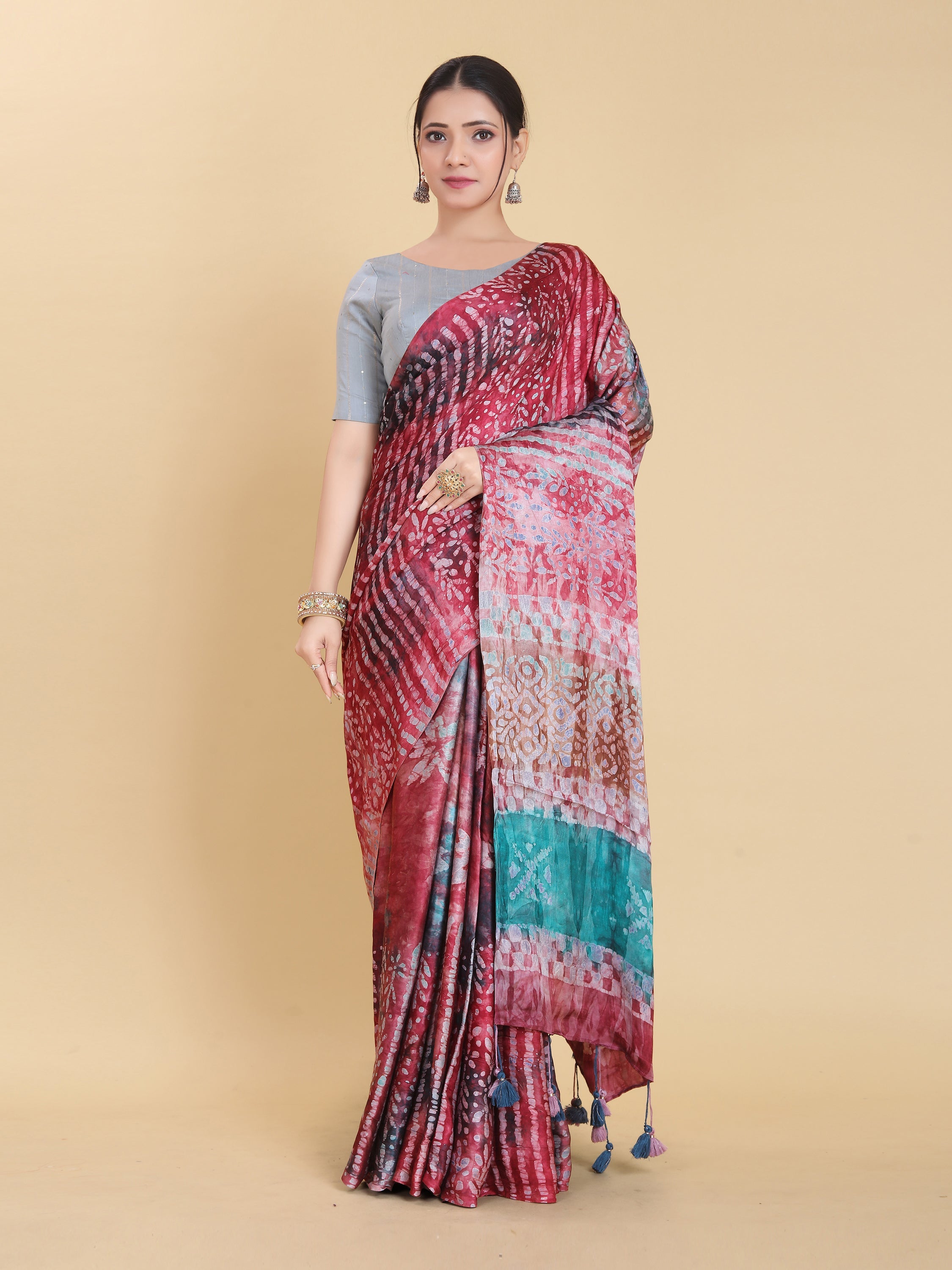
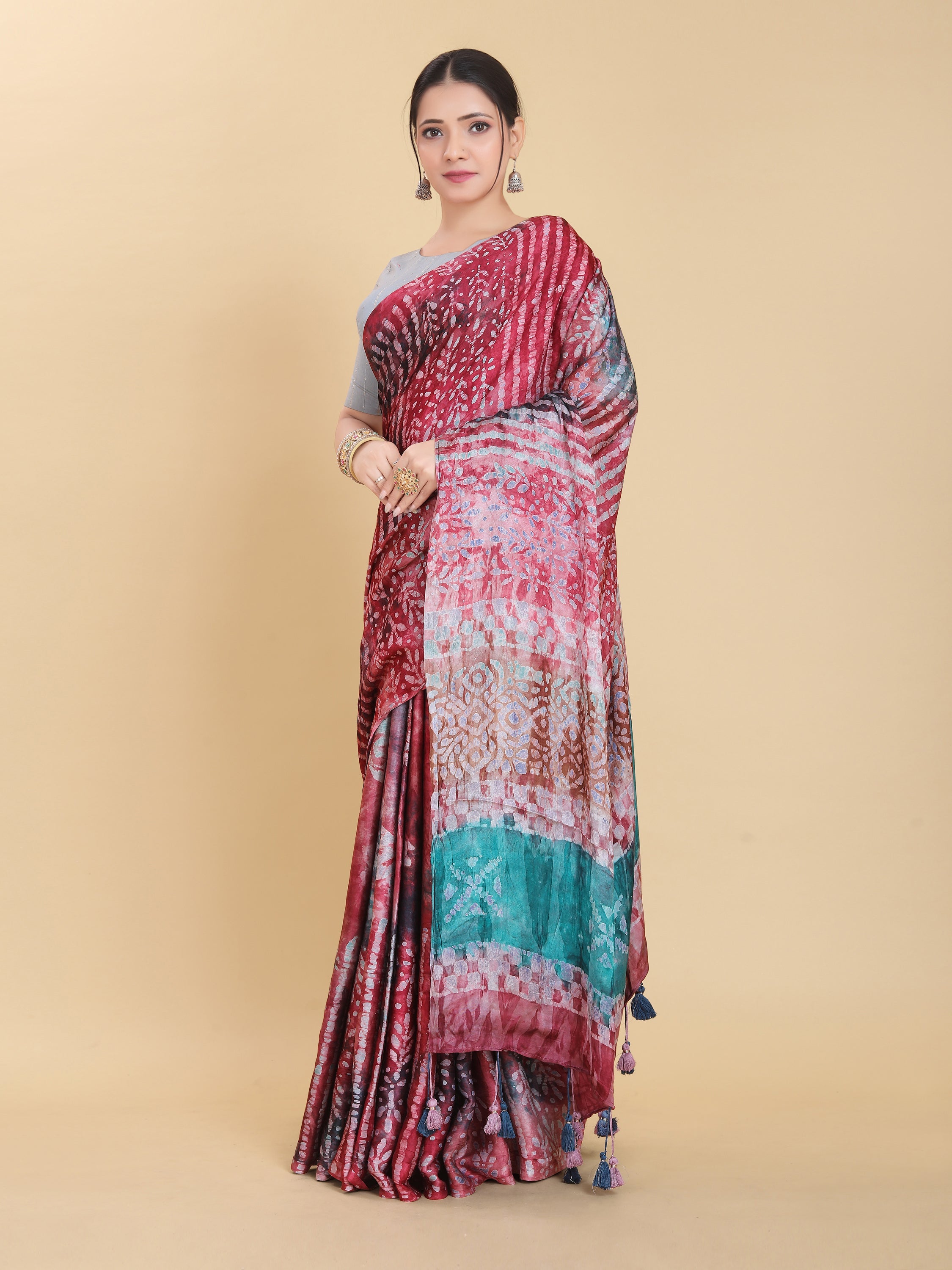
RED BEMBERG SATIN BATIK PRINTED SAREE
Sale price₹ 5,190
Regular price₹ 8,990
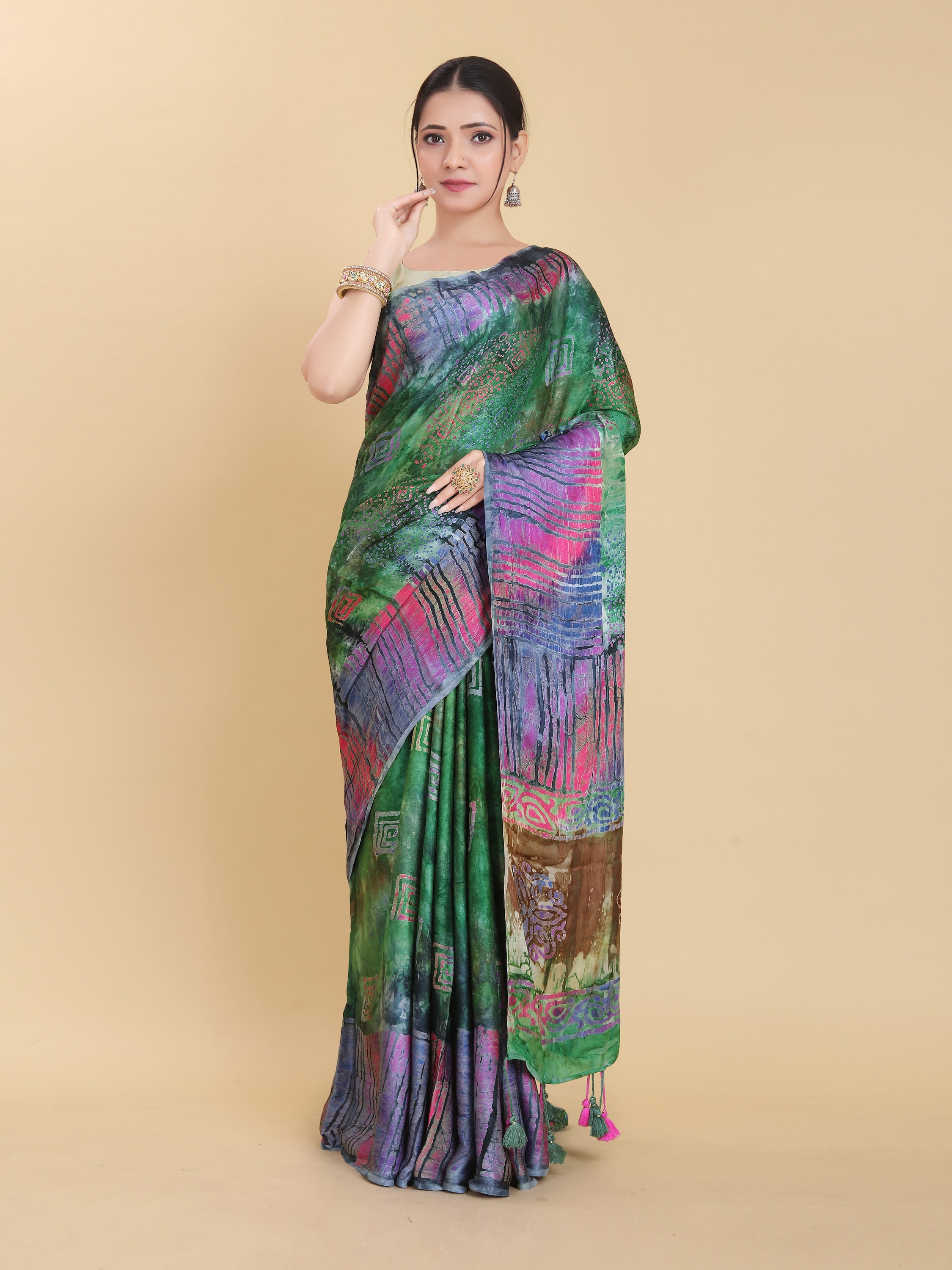
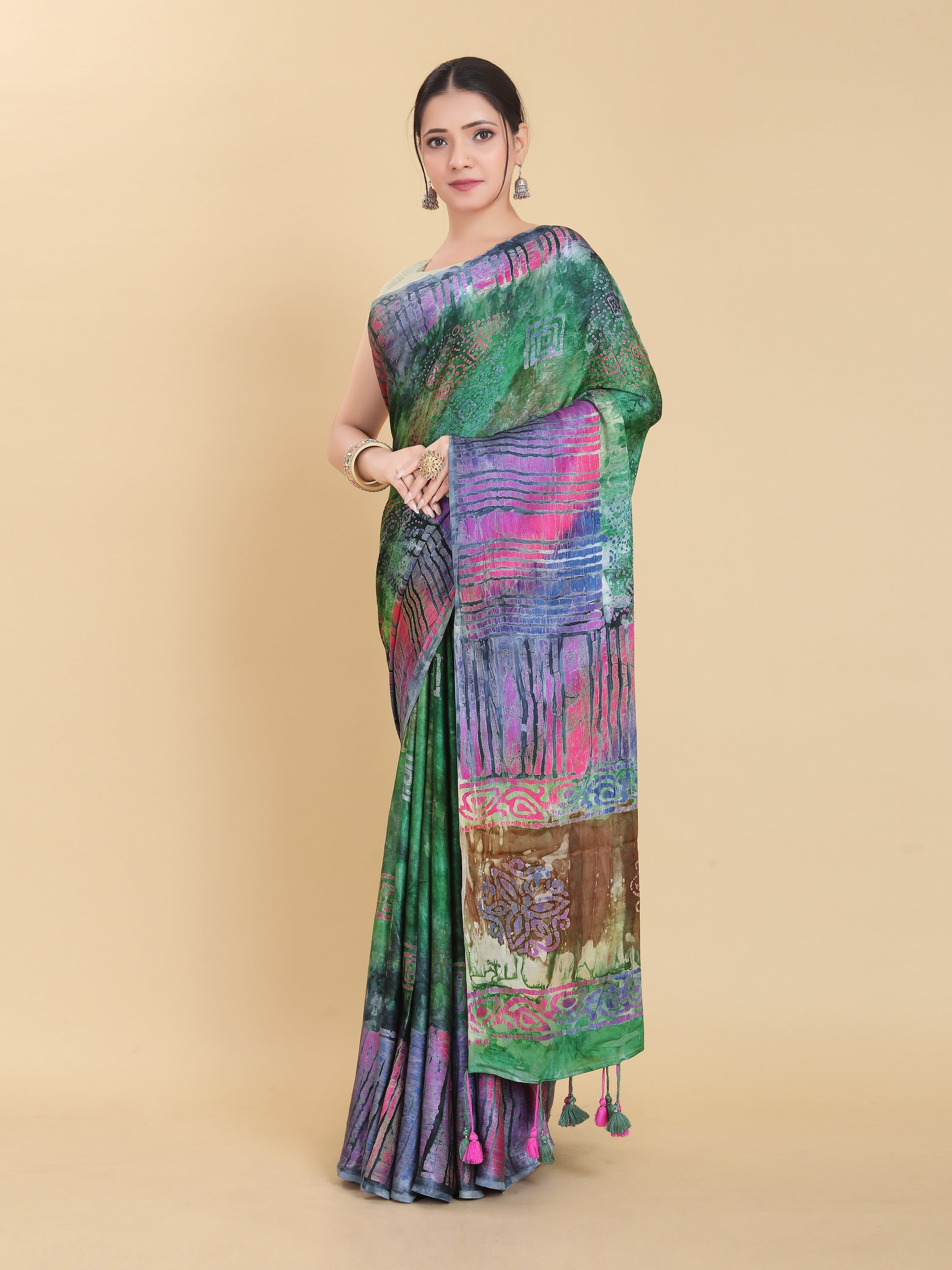
GREEN BEMBERG SATIN BATIK PRINTED SAREE
Sale price₹ 5,190
Regular price₹ 8,990
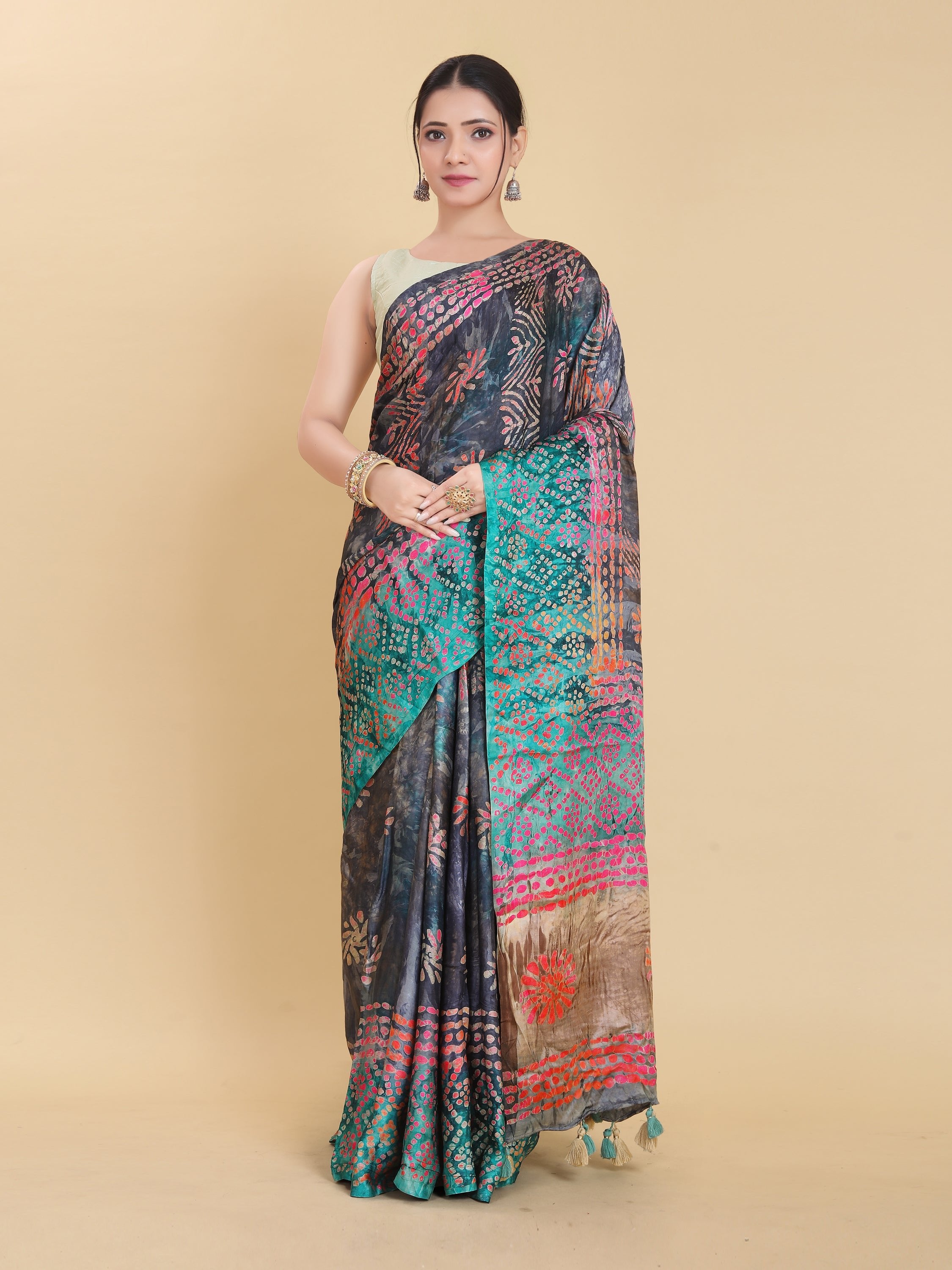
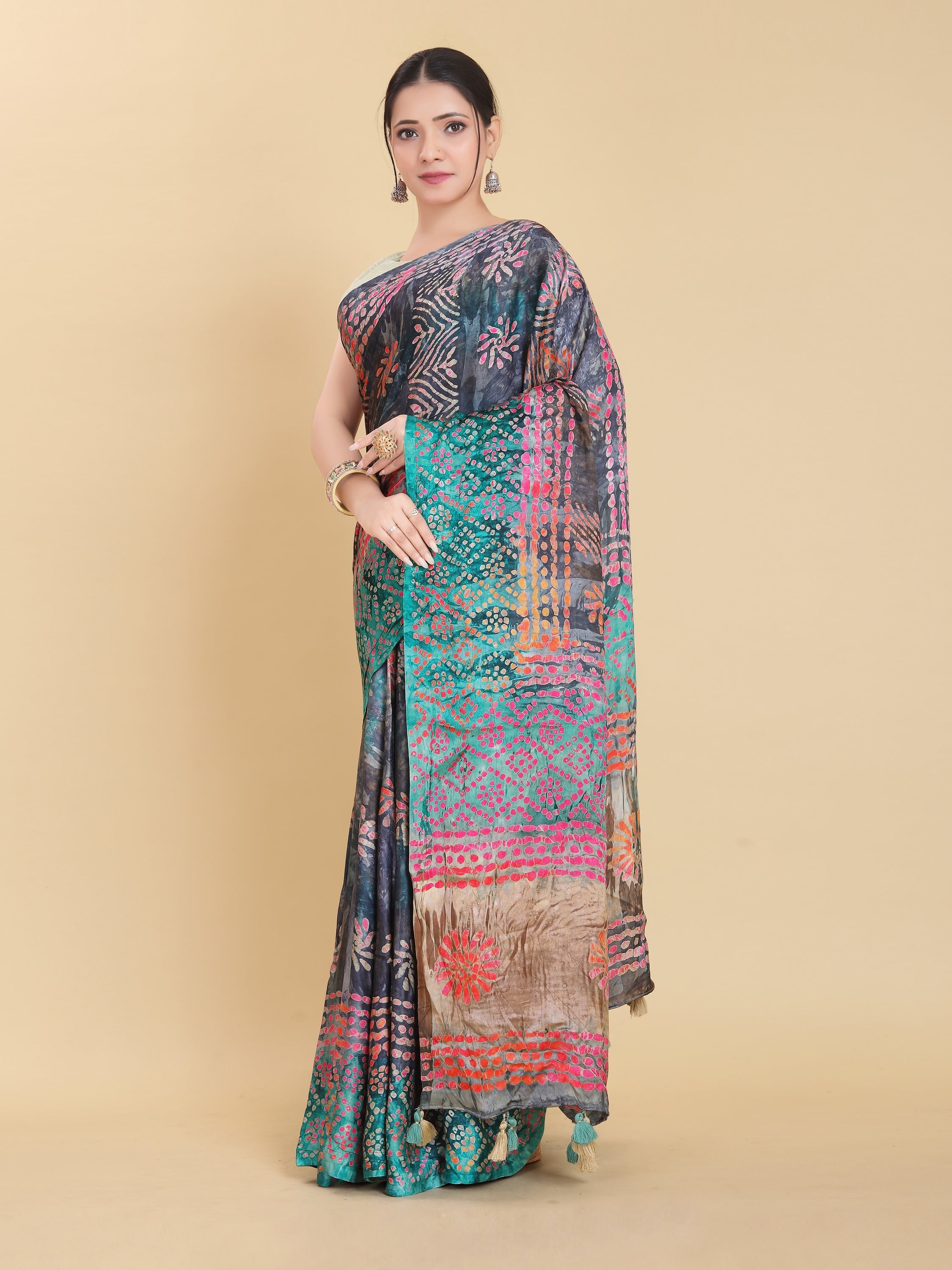
BLUE BEMBERG SATIN BATIK PRINTED SAREE
Sale price₹ 5,190
Regular price₹ 8,990
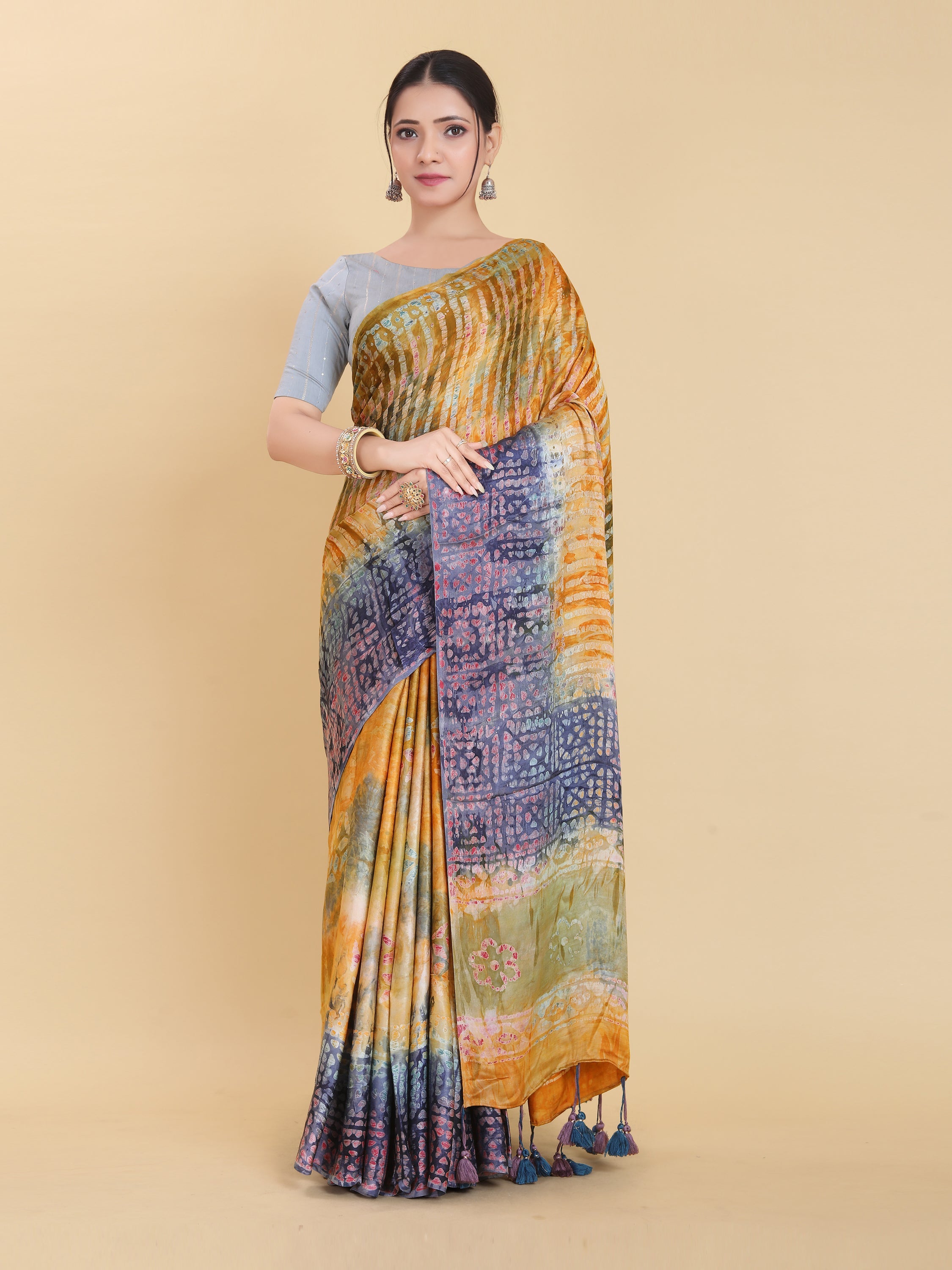
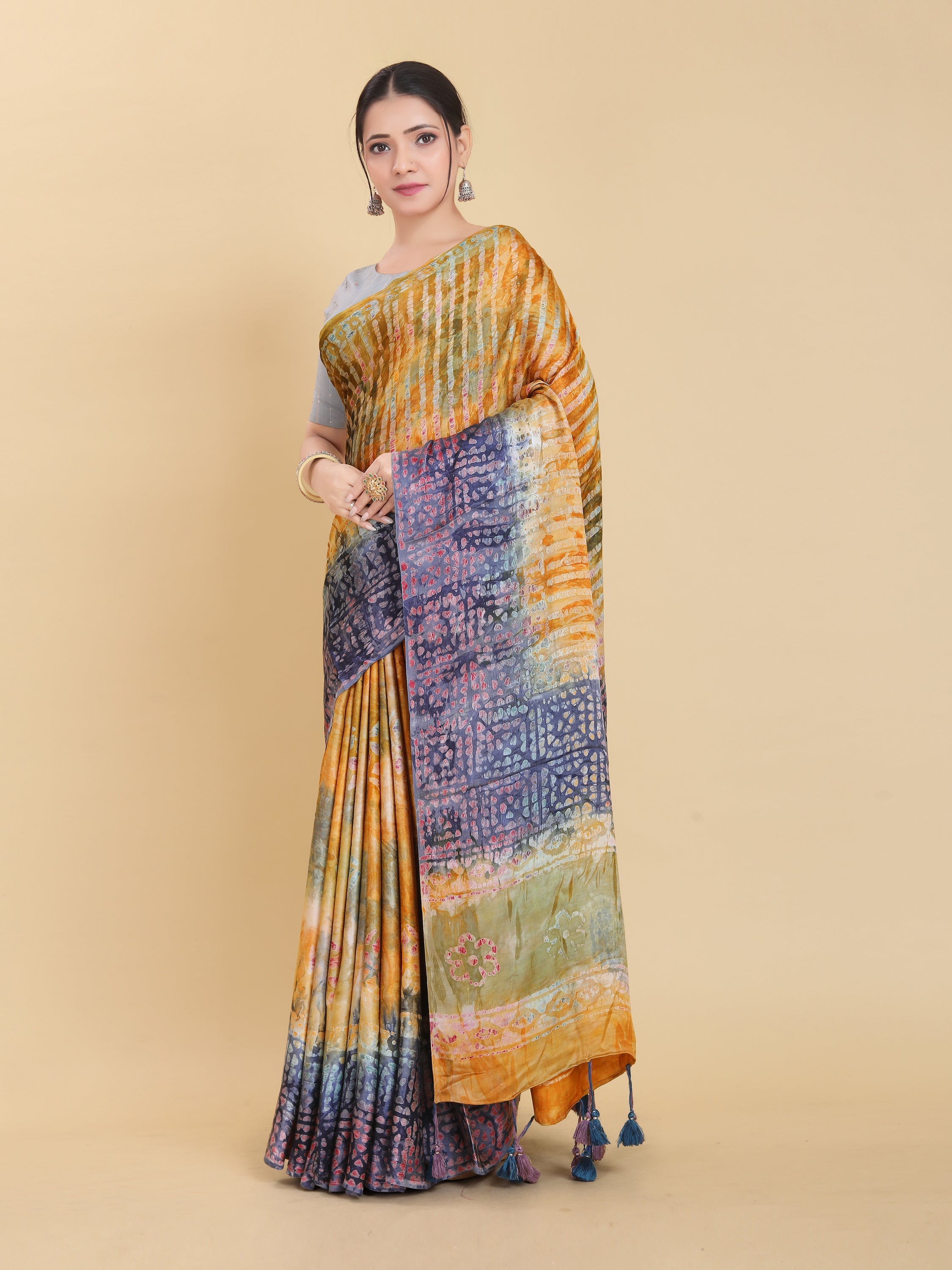
YELLOW BEMBERG SATIN BATIK PRINTED SAREE
Sale price₹ 5,190
Regular price₹ 8,990
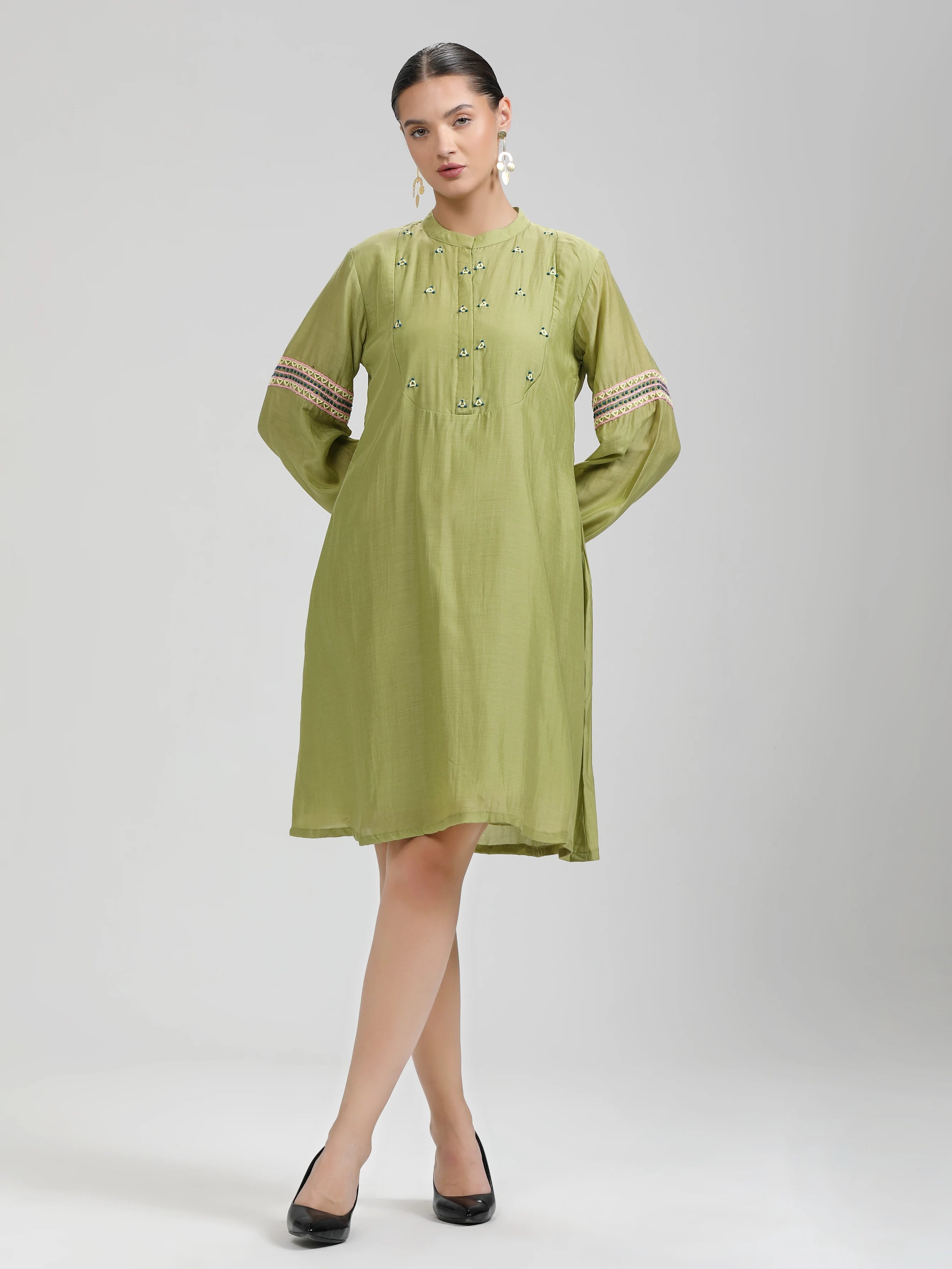
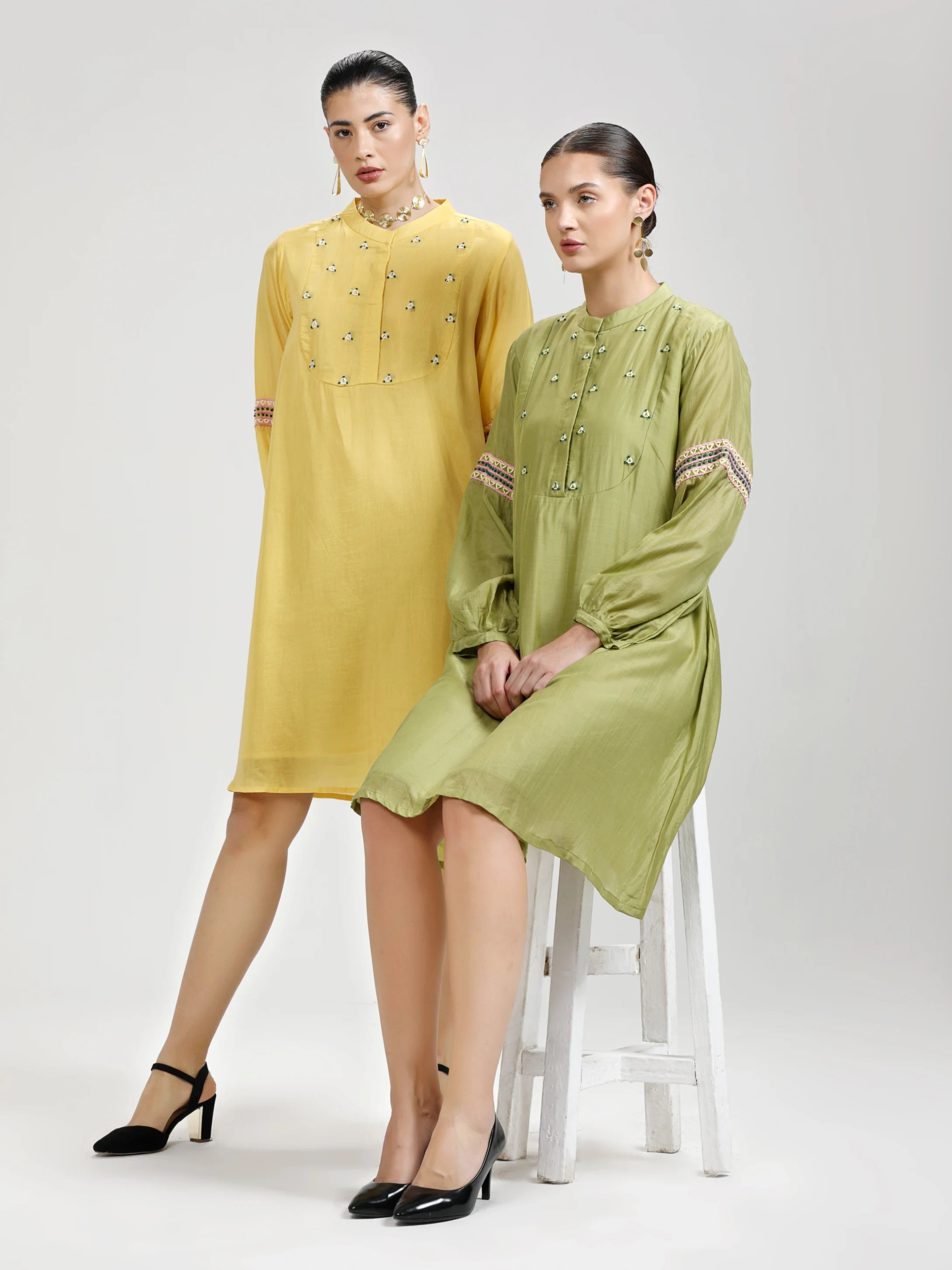
PISTA LIVA LITE HAND EMBROIDERED DRESS
Sale price₹ 2,490
Regular price₹ 4,490
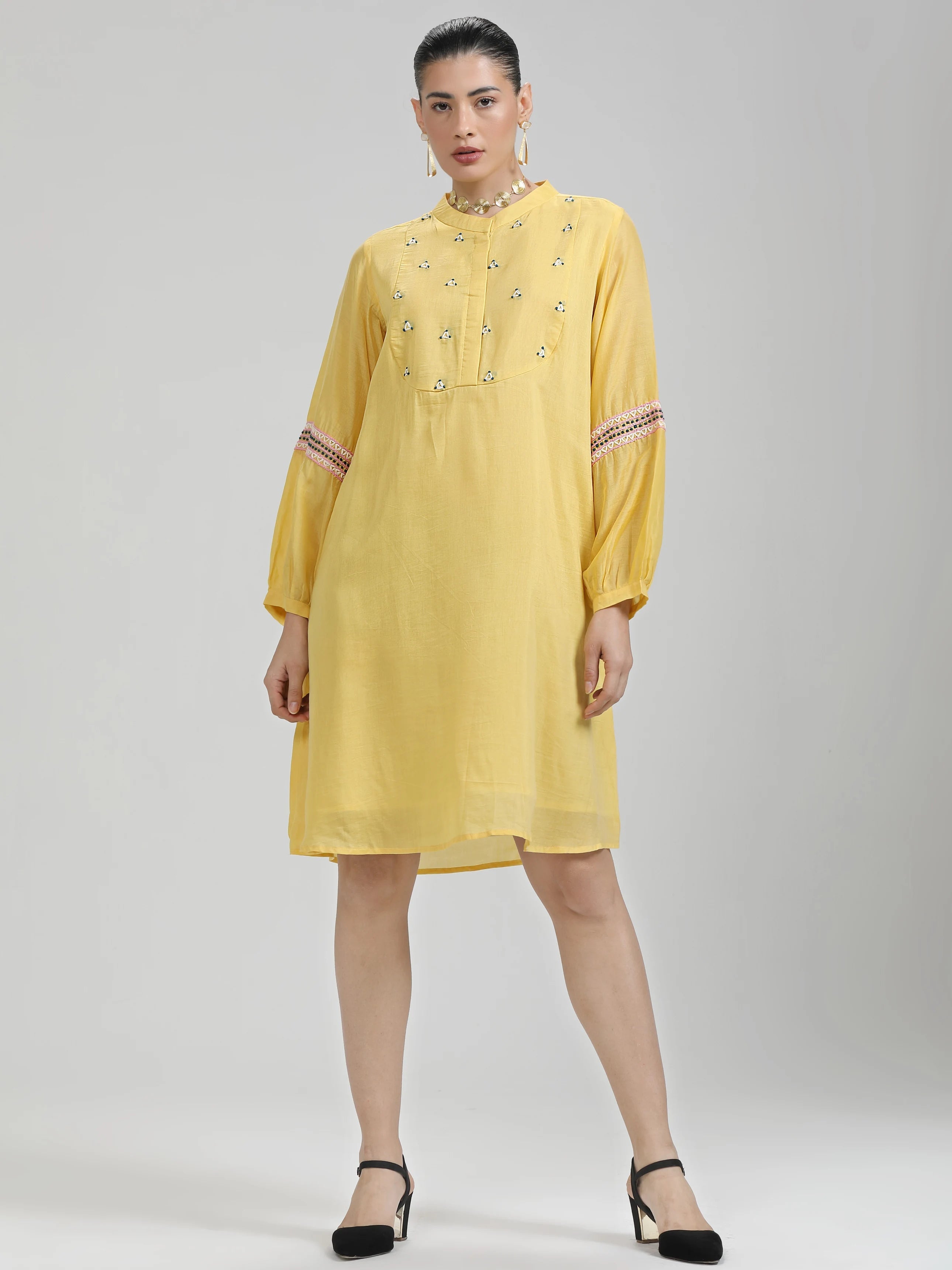
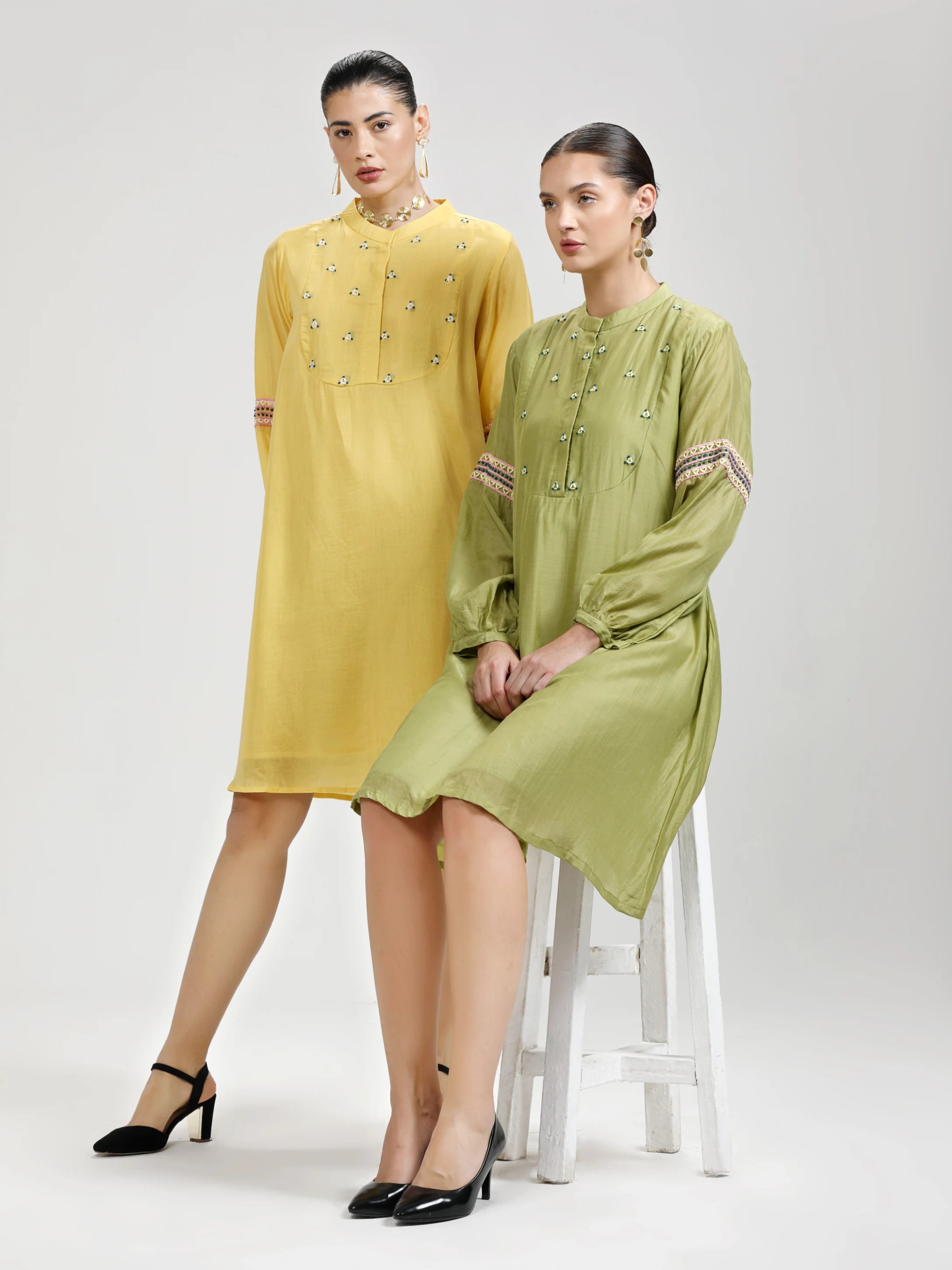
YELLOW LIVA LITE HAND EMBROIDERED DRESS
Sale price₹ 2,490
Regular price₹ 4,490
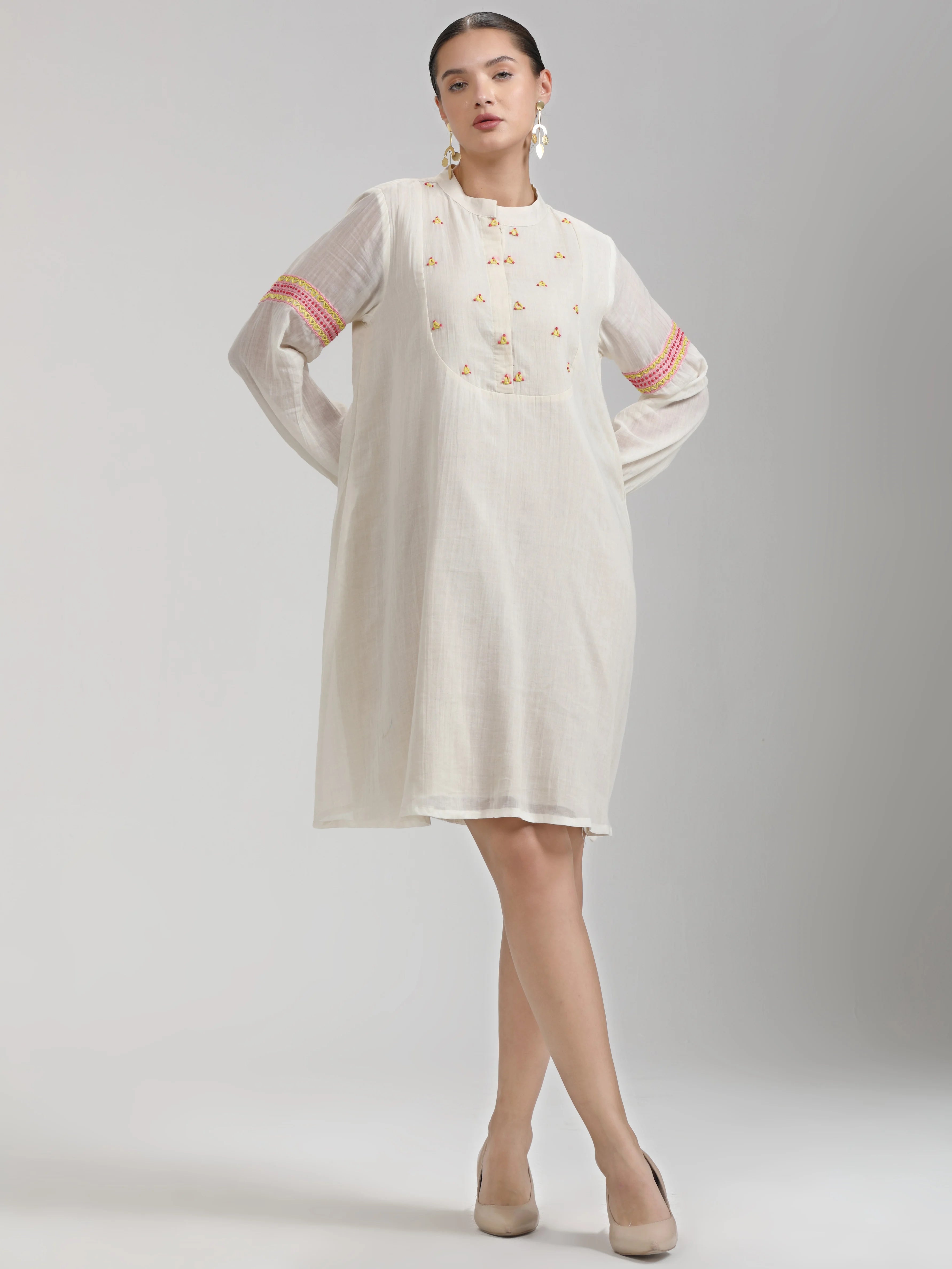
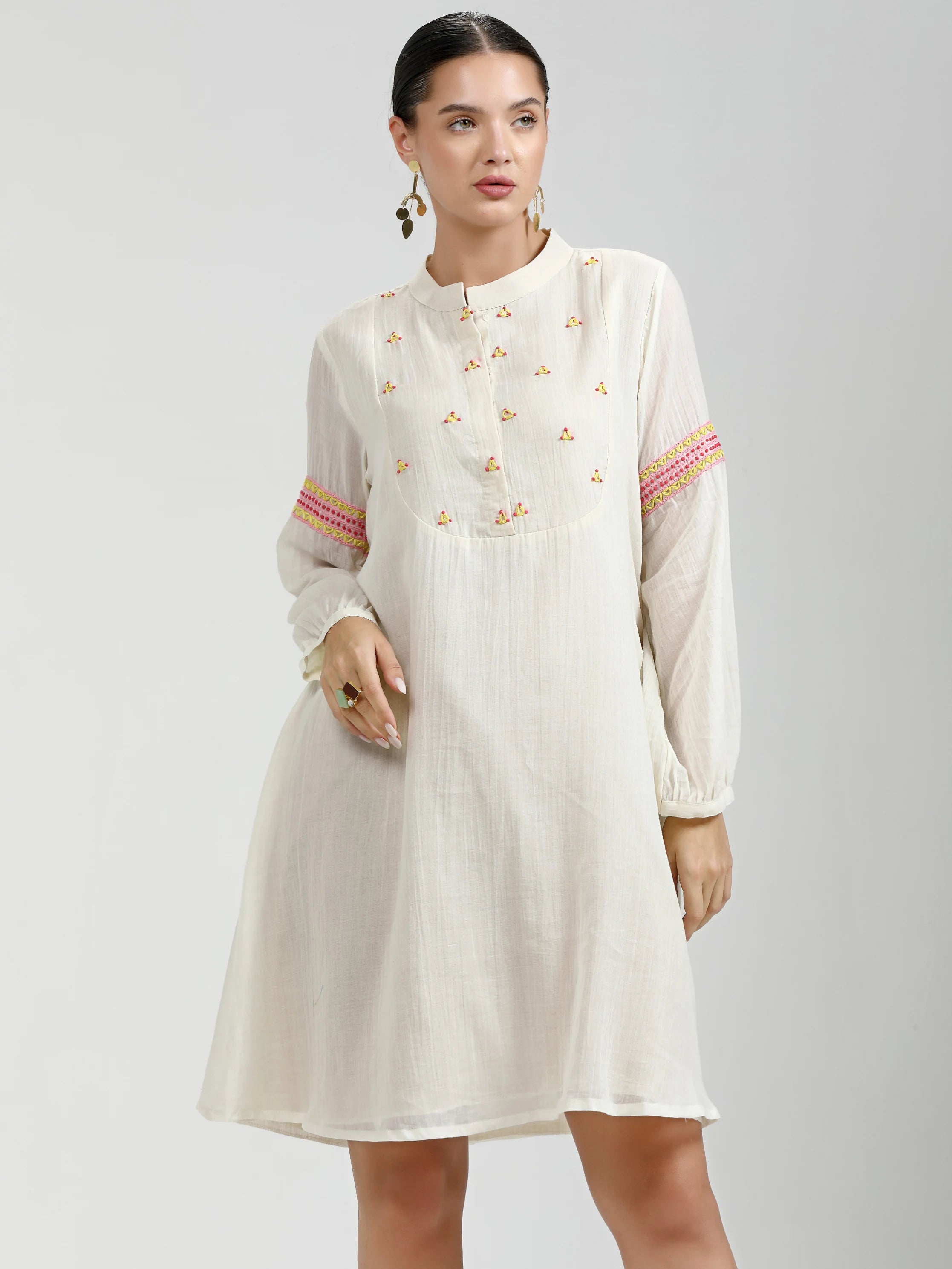
WHITE LIVA MULMUL COTTON HAND EMBROIDERED DRESS
Sale price₹ 2,490
Regular price₹ 4,490
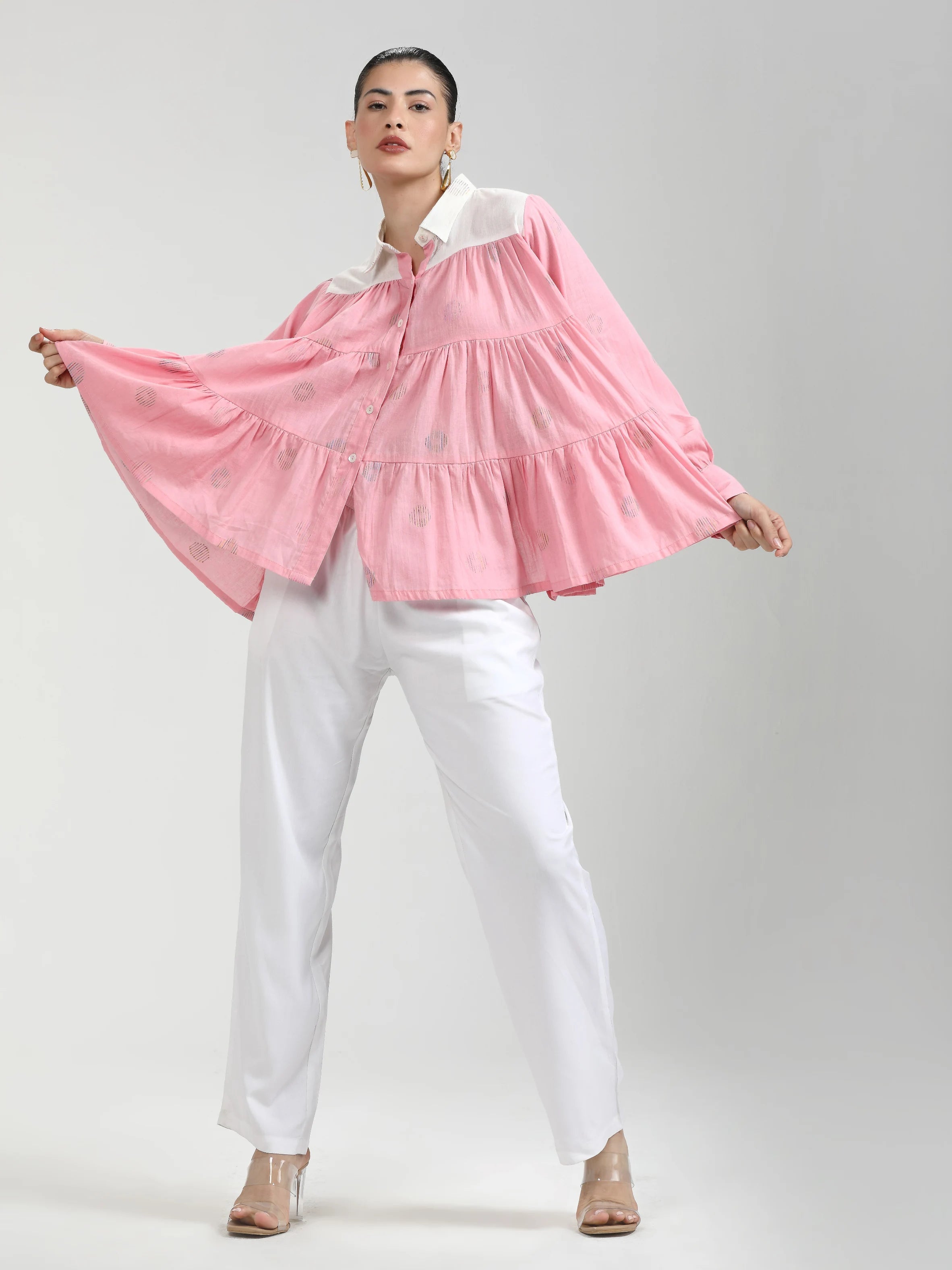
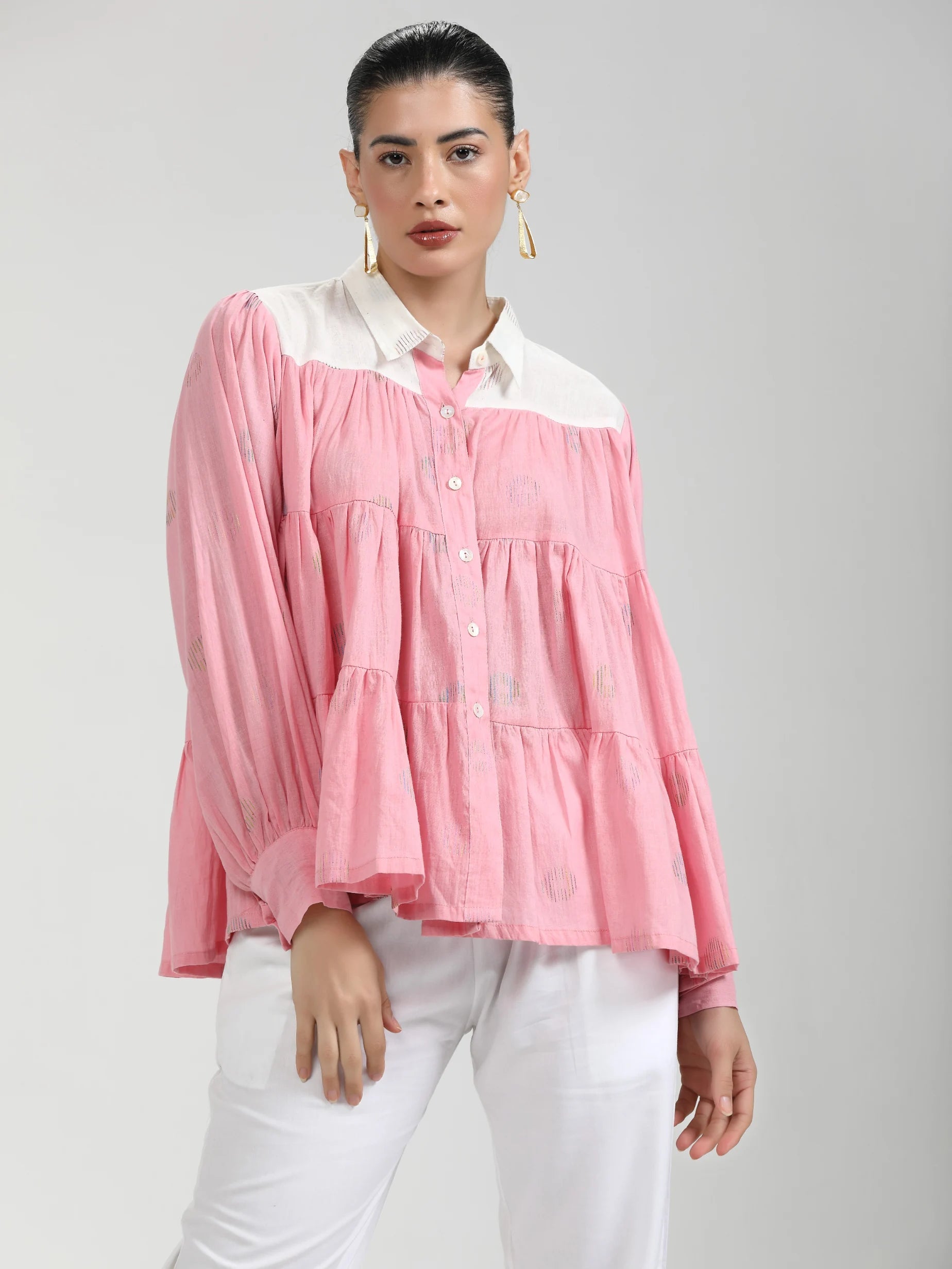
PINK COTTON COIN PRINTED WEAVED TOP
Sale price₹ 1,490
Regular price₹ 2,990
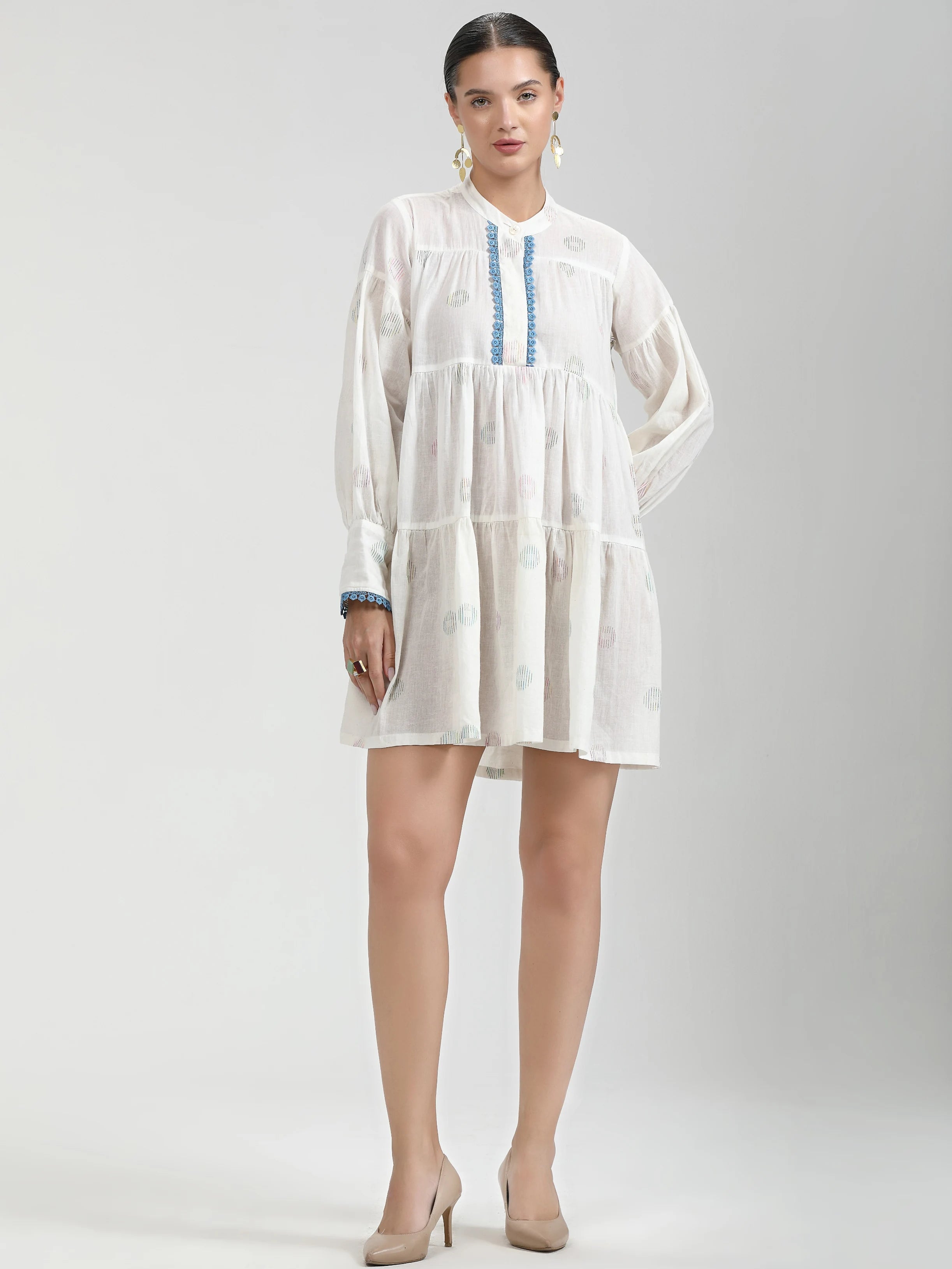
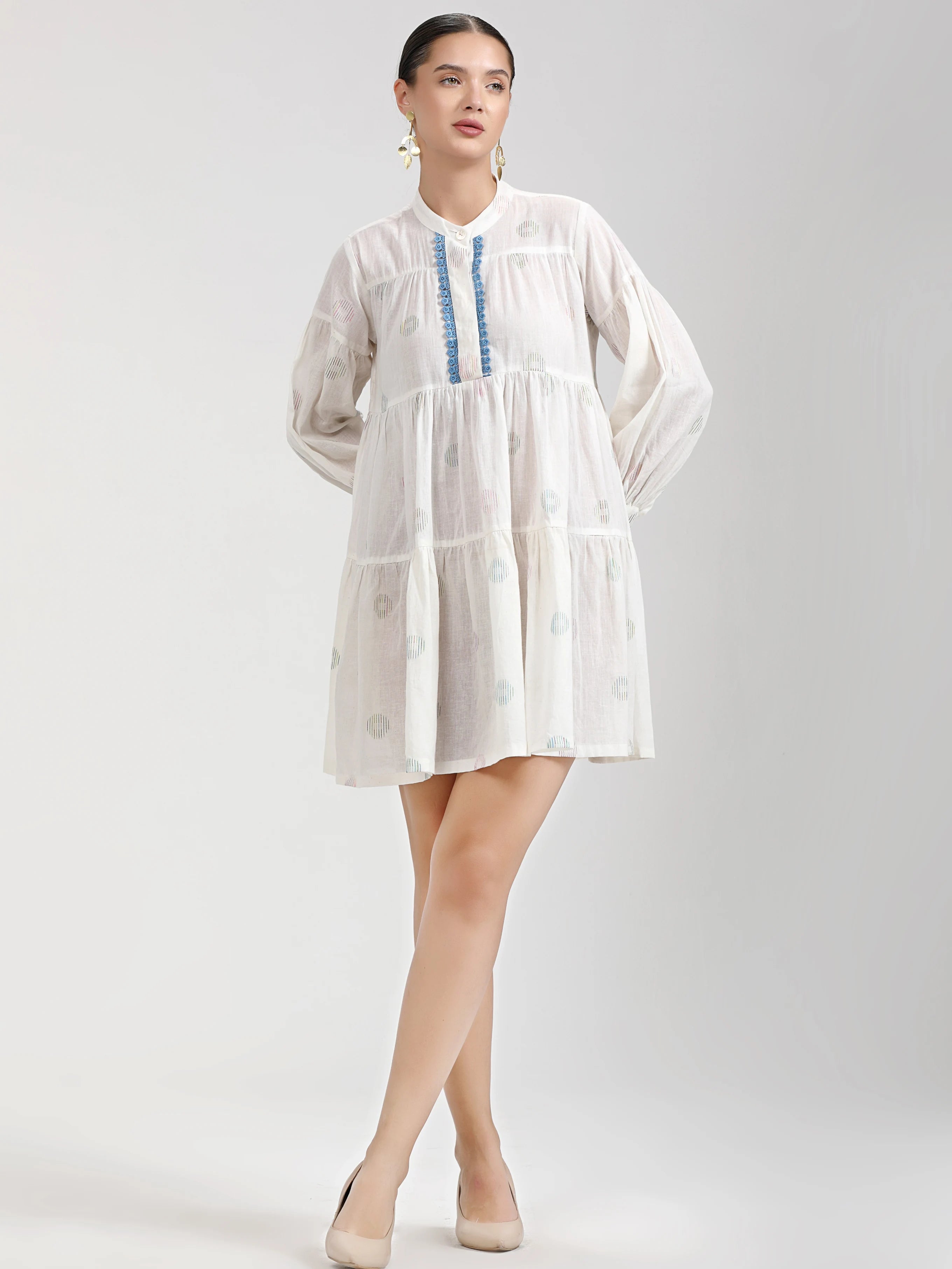
WHITE MULMUL COTTON CC COIN TUNICE DRESS
Sale price₹ 1,990
Regular price₹ 3,490
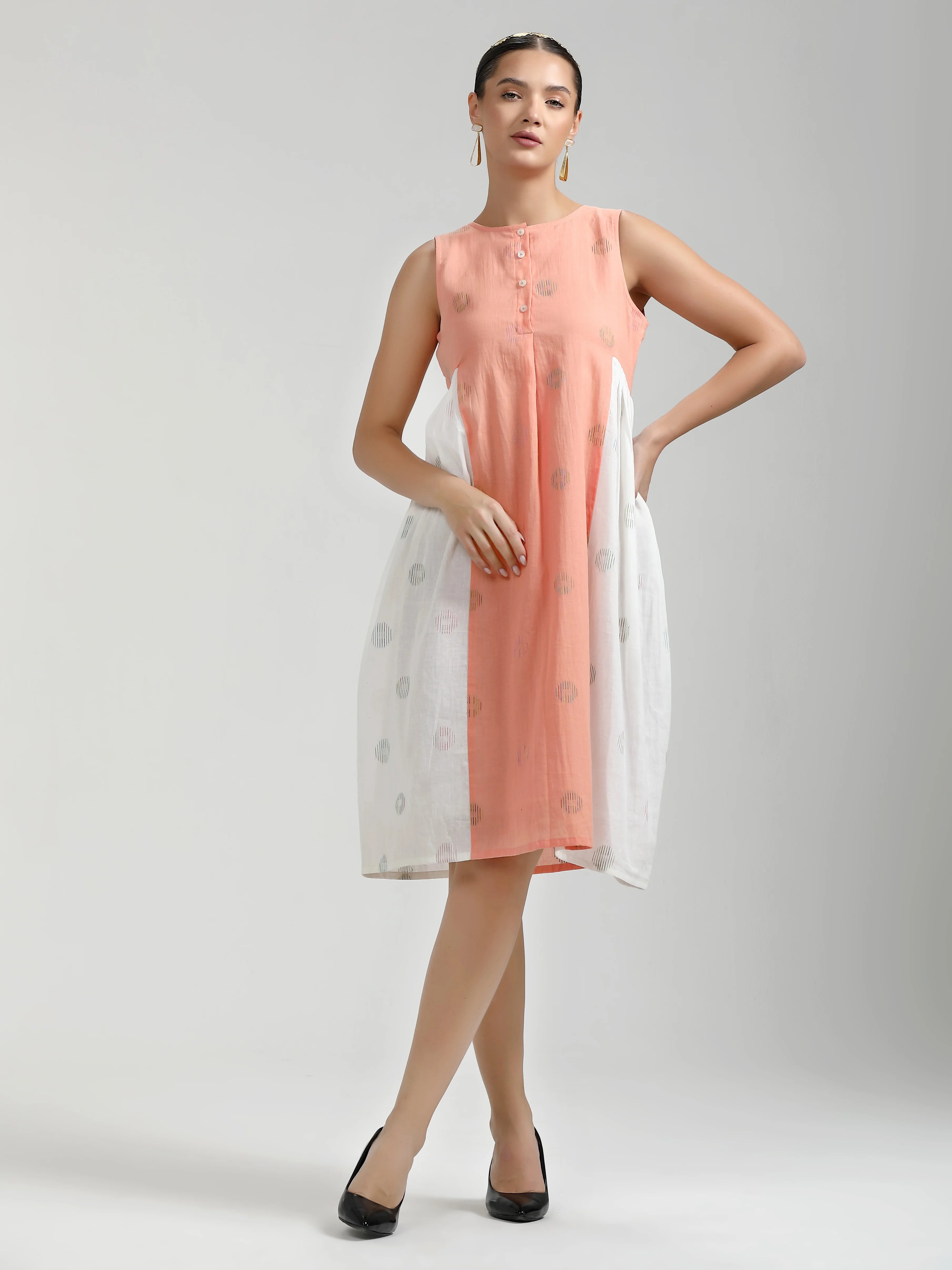
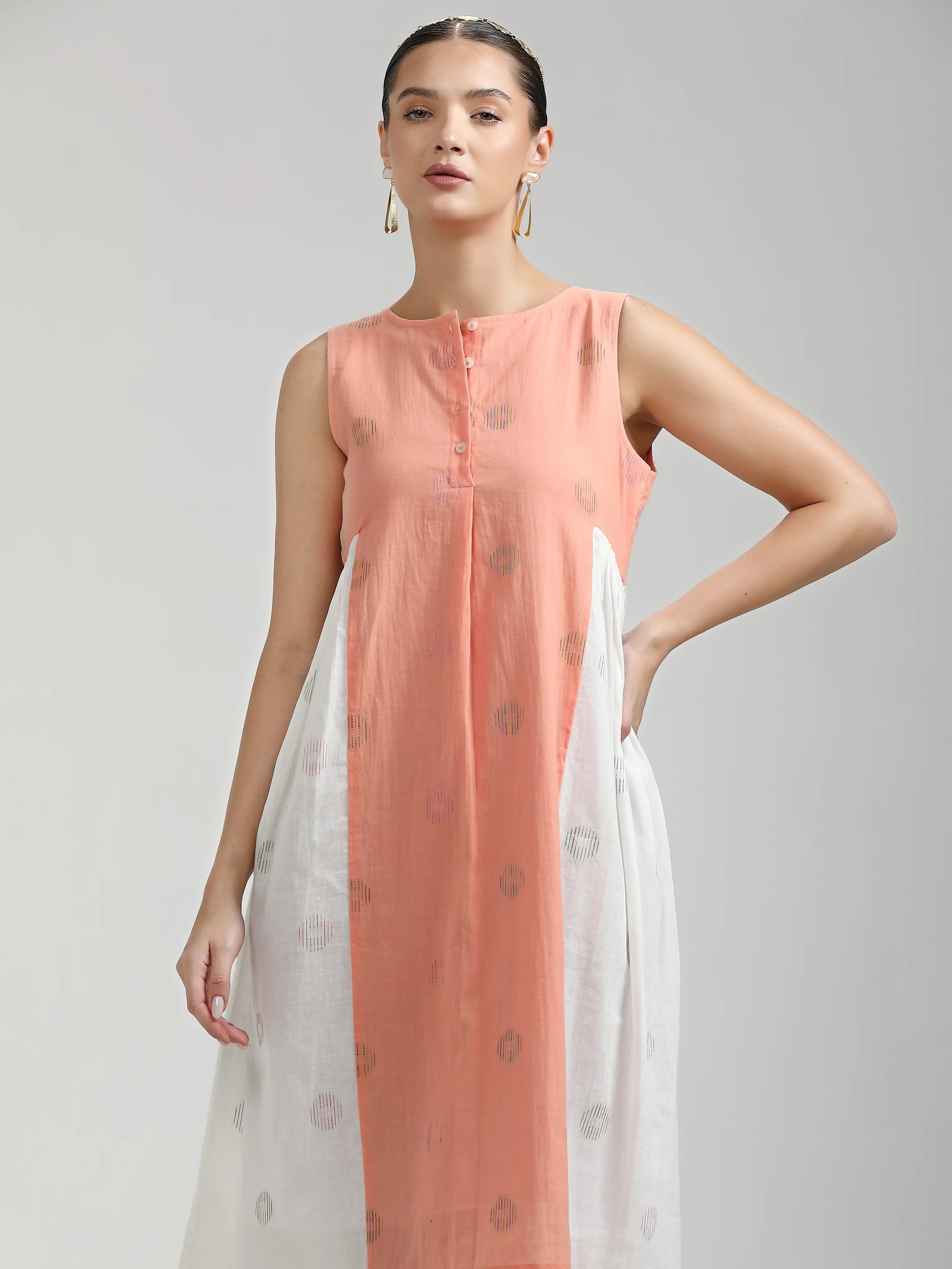
PEACH & WHITE CC COIN DYED KURTI
Sale price₹ 1,390
Regular price₹ 2,490
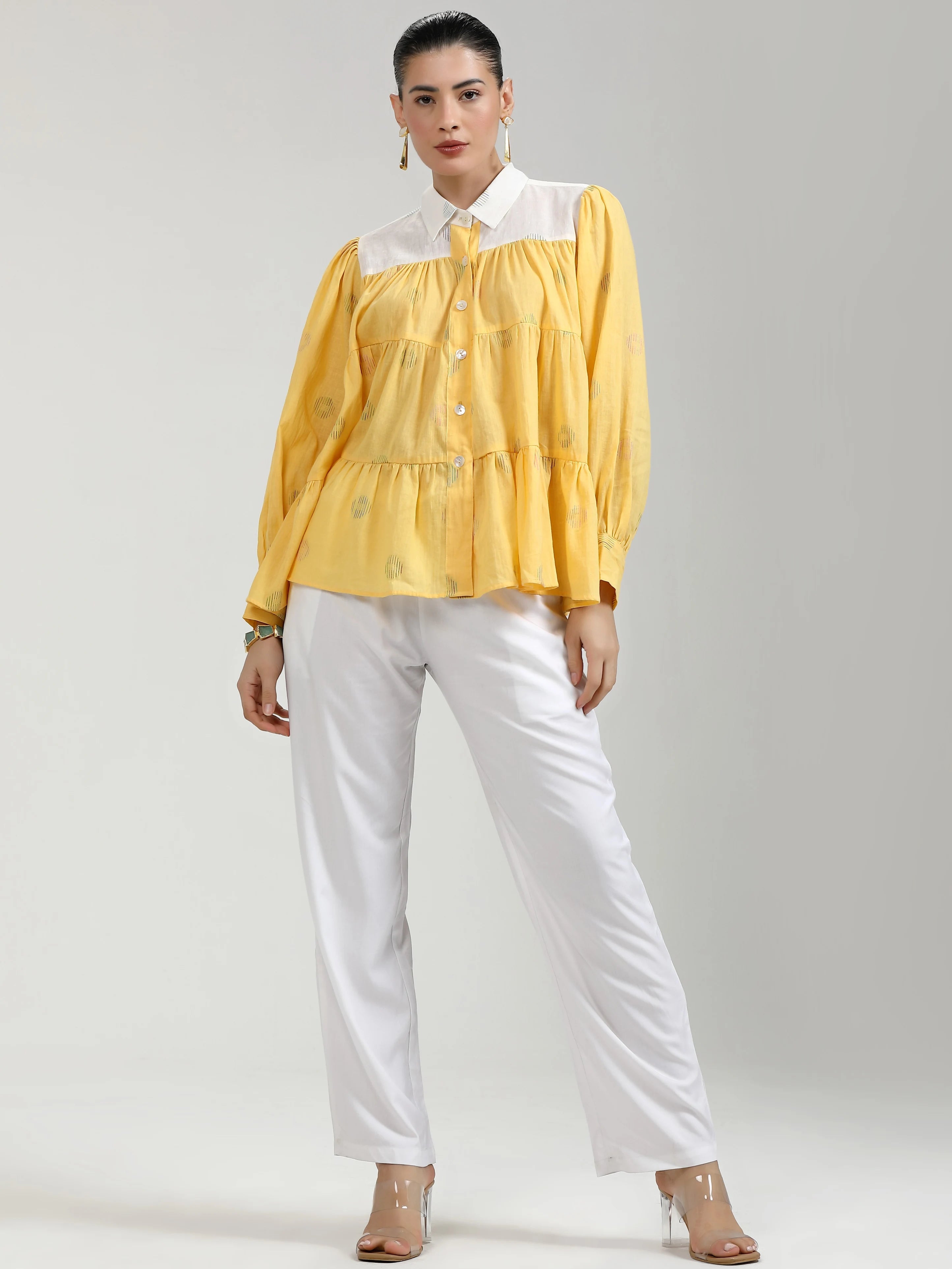
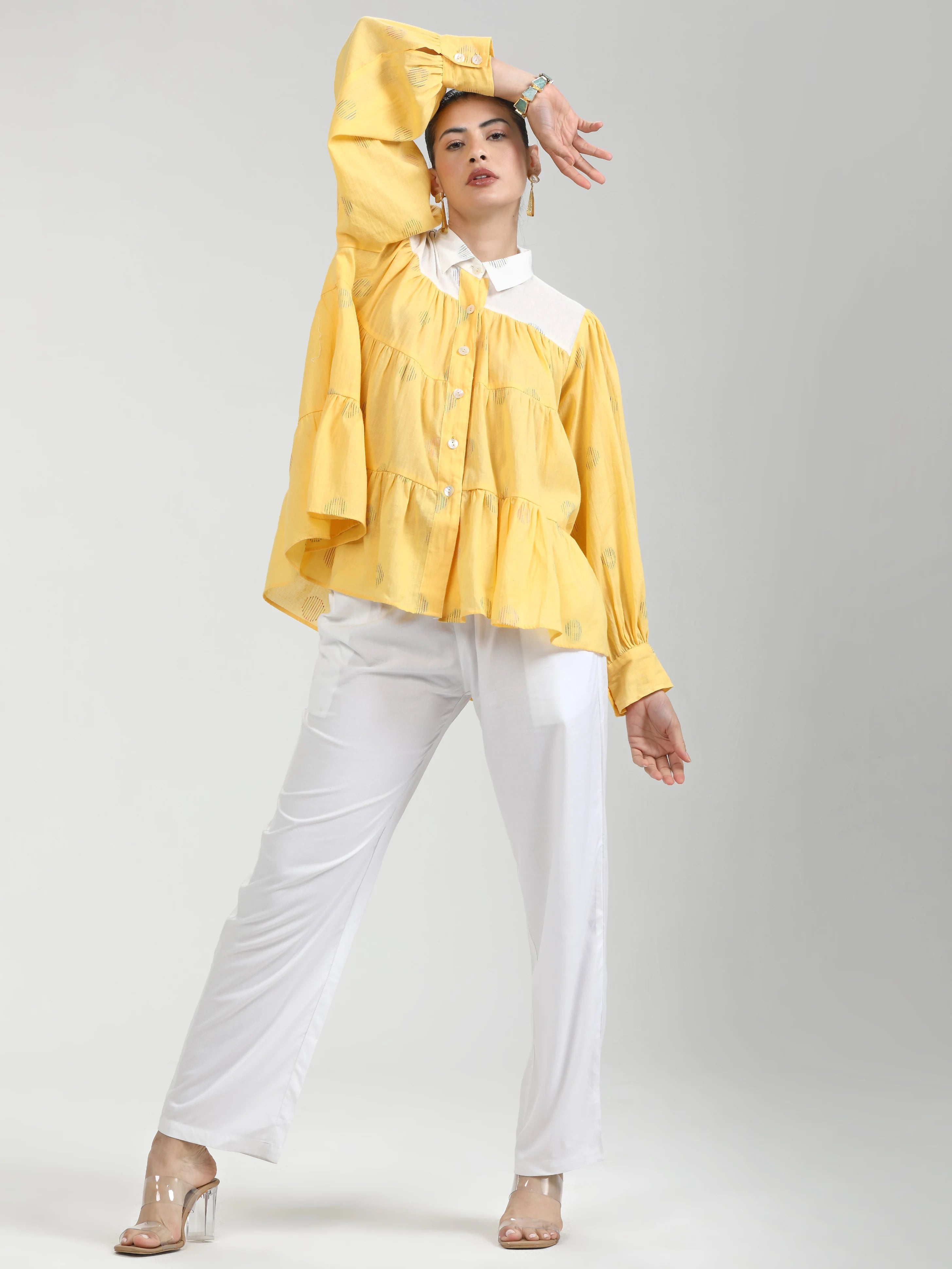
YELLOW COTTON COIN PRINTED WEAVED TOP
Sale price₹ 1,490
Regular price₹ 2,990
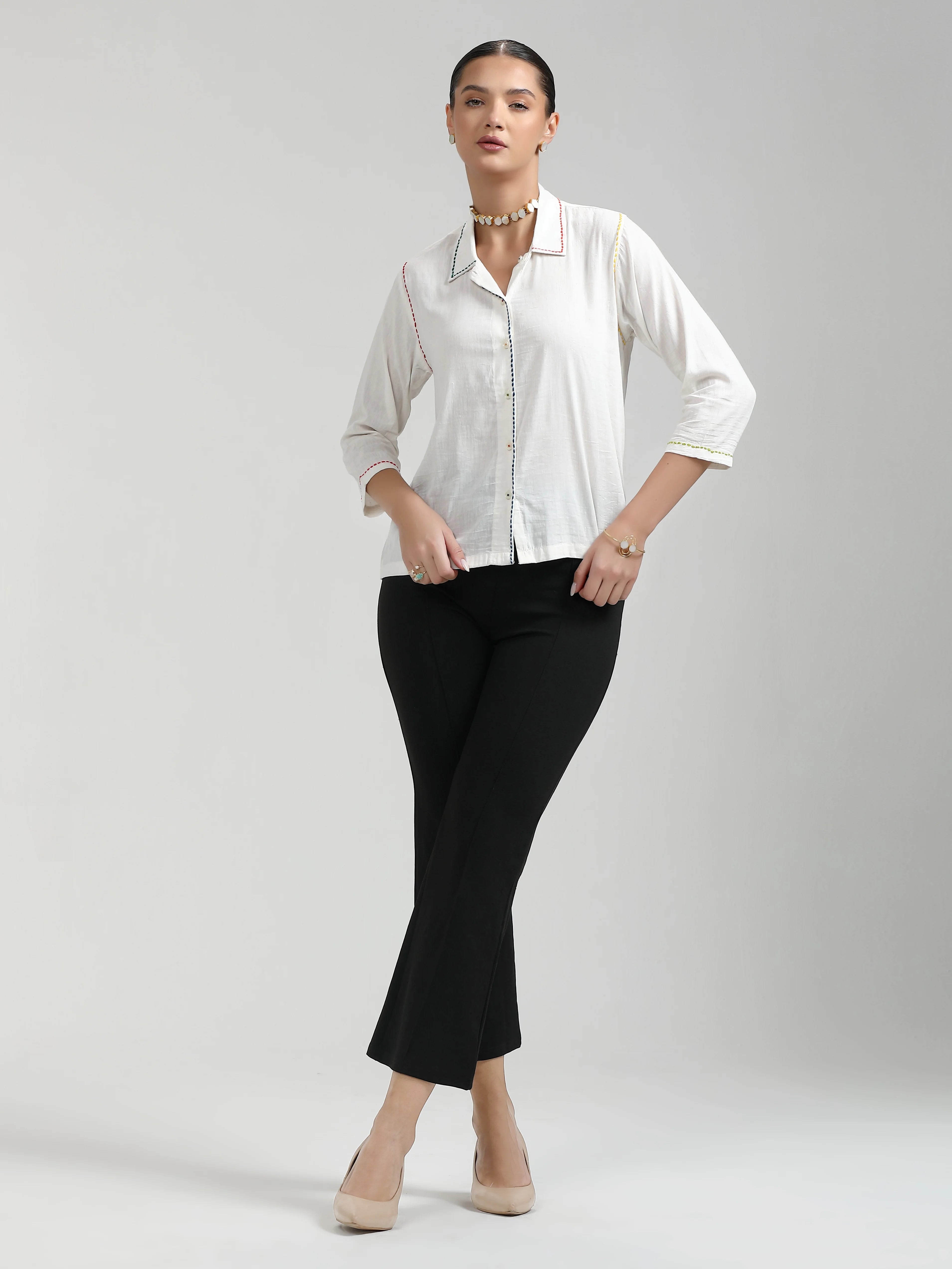
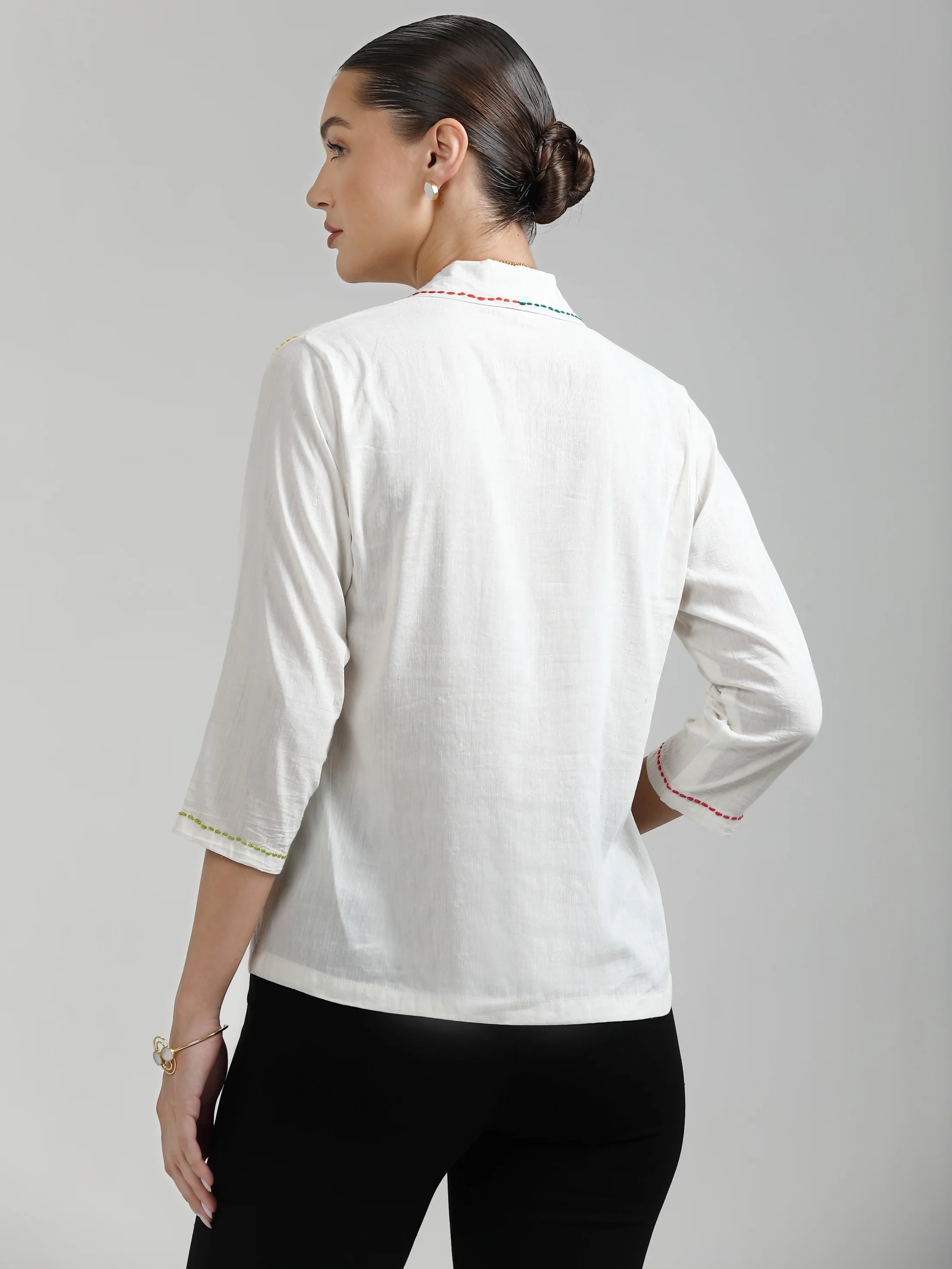
WHITE LIVO LINEN HAND EMBROIDERED SHIRT
Sale price₹ 990
Regular price₹ 1,990
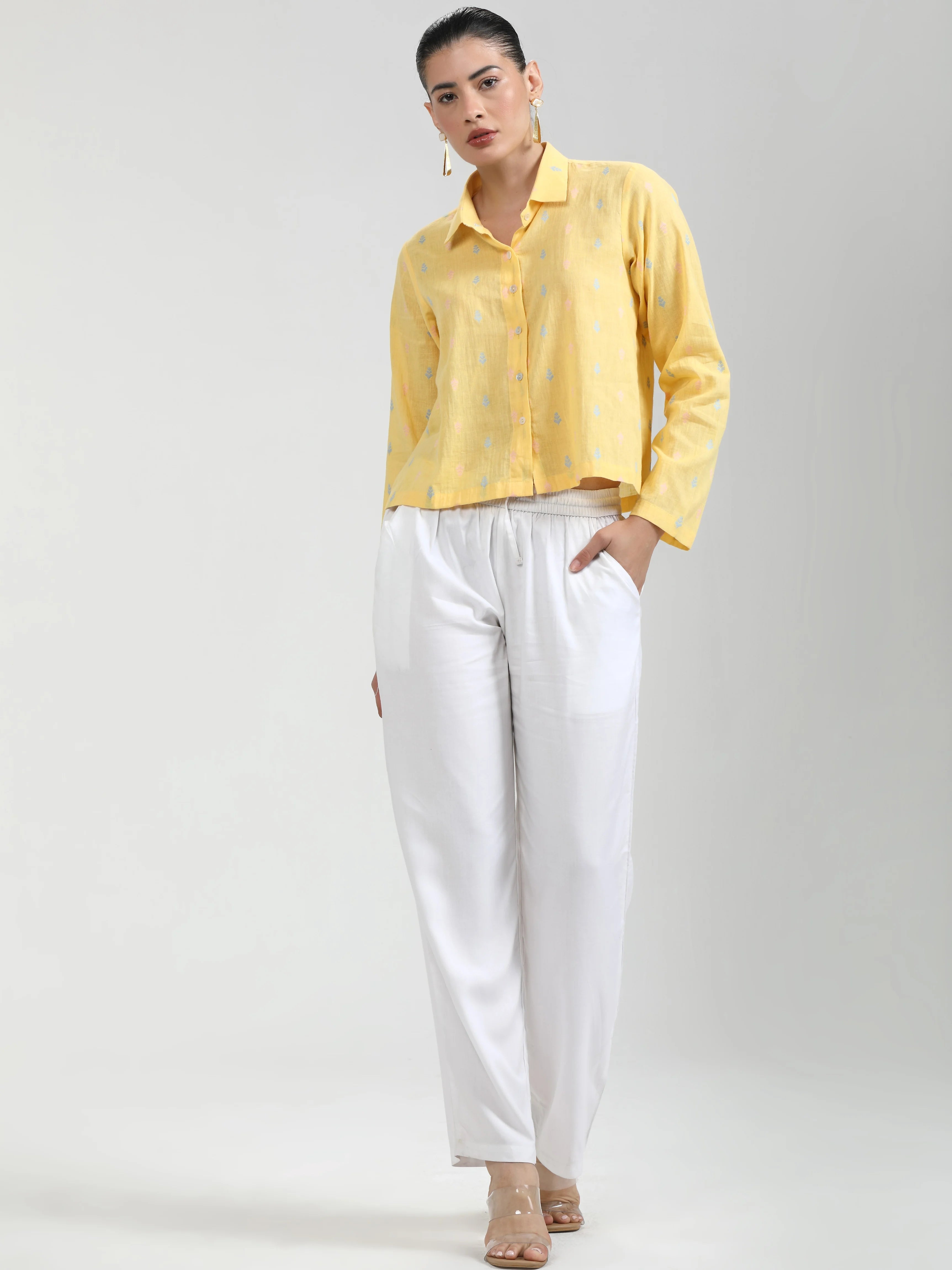
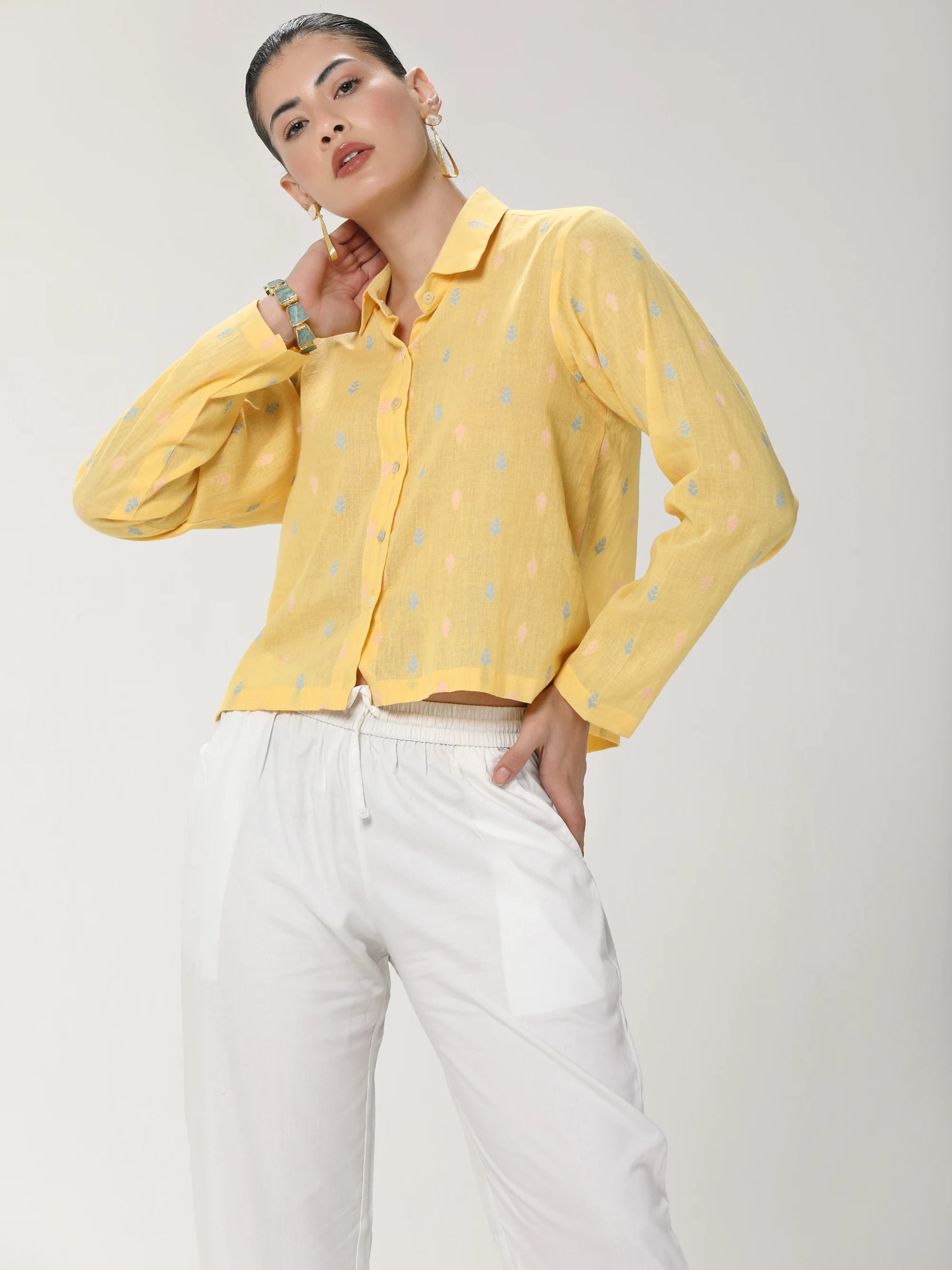
YELLOW COTTON COIN LEAF PRINTED TUNIC TOP
Sale price₹ 990
Regular price₹ 1,990
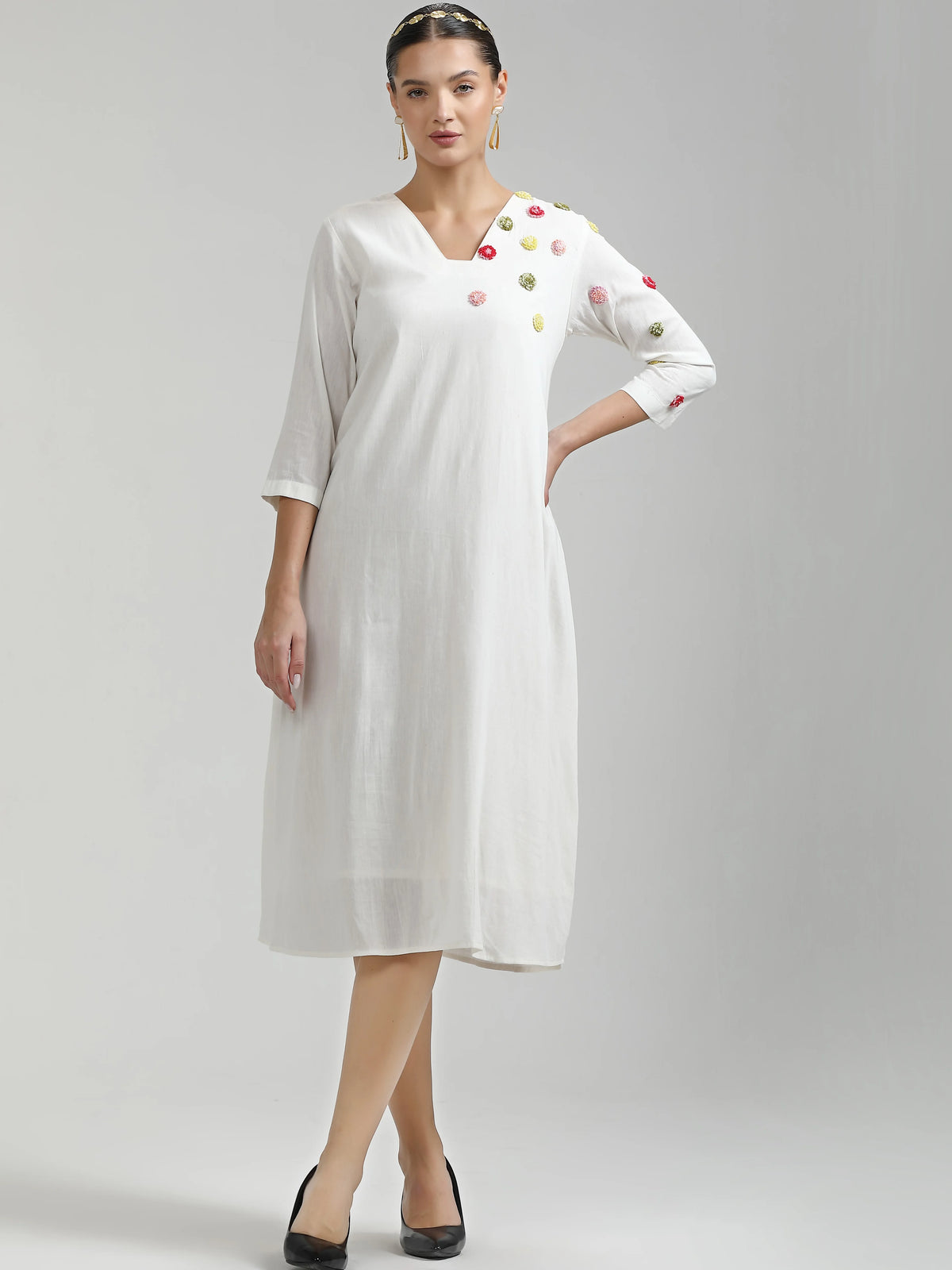
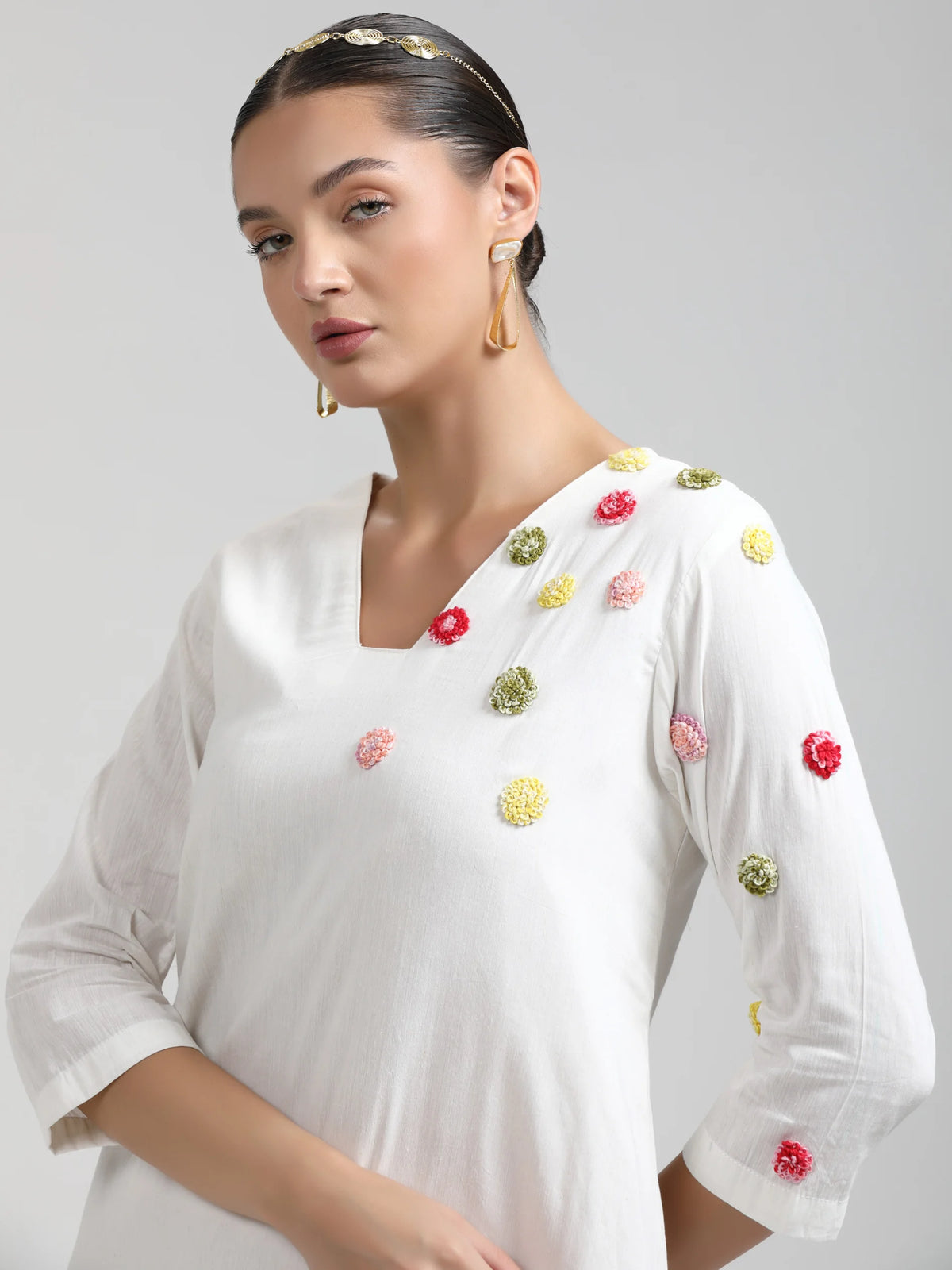
WHITE LIVA VISCOSE MULMUL COTTON HAND EMBROIDERED DRESS
Sale price₹ 2,190
Regular price₹ 4,490


INDIGO BLOOM
INDIGO BLOOM
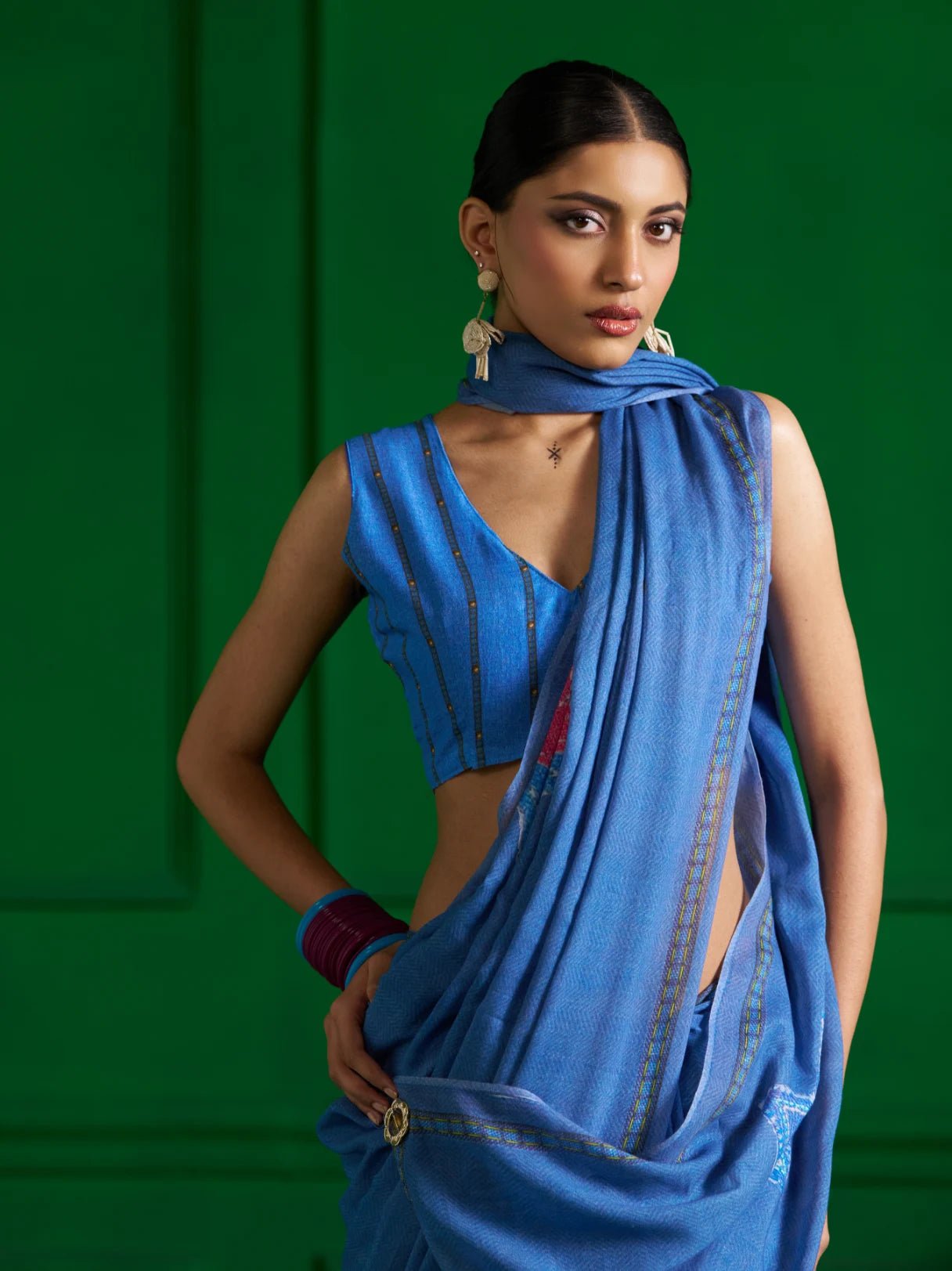
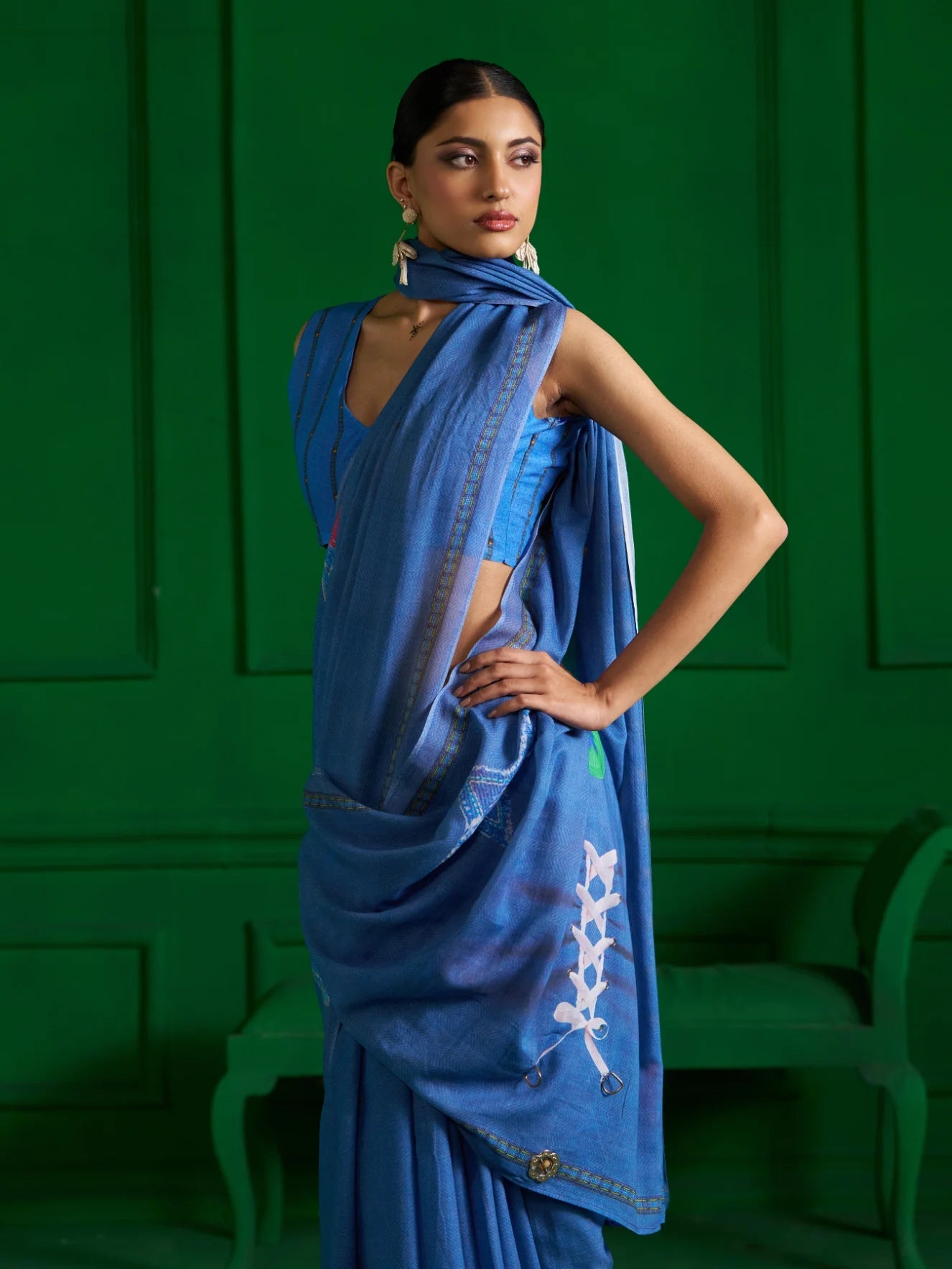
BRIGHT BLUE MULMUL COTTON STUD KNOT DENIM PRINT SAREE
Sale price₹ 3,999
Regular price₹ 5,990
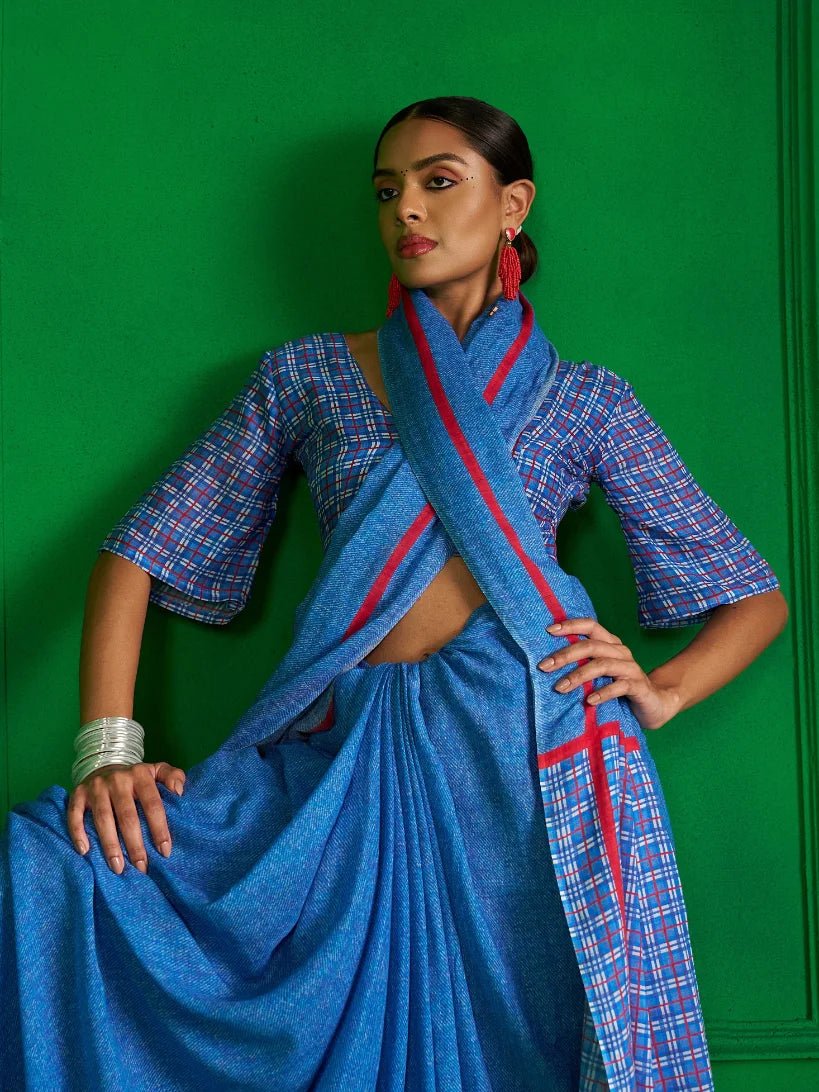
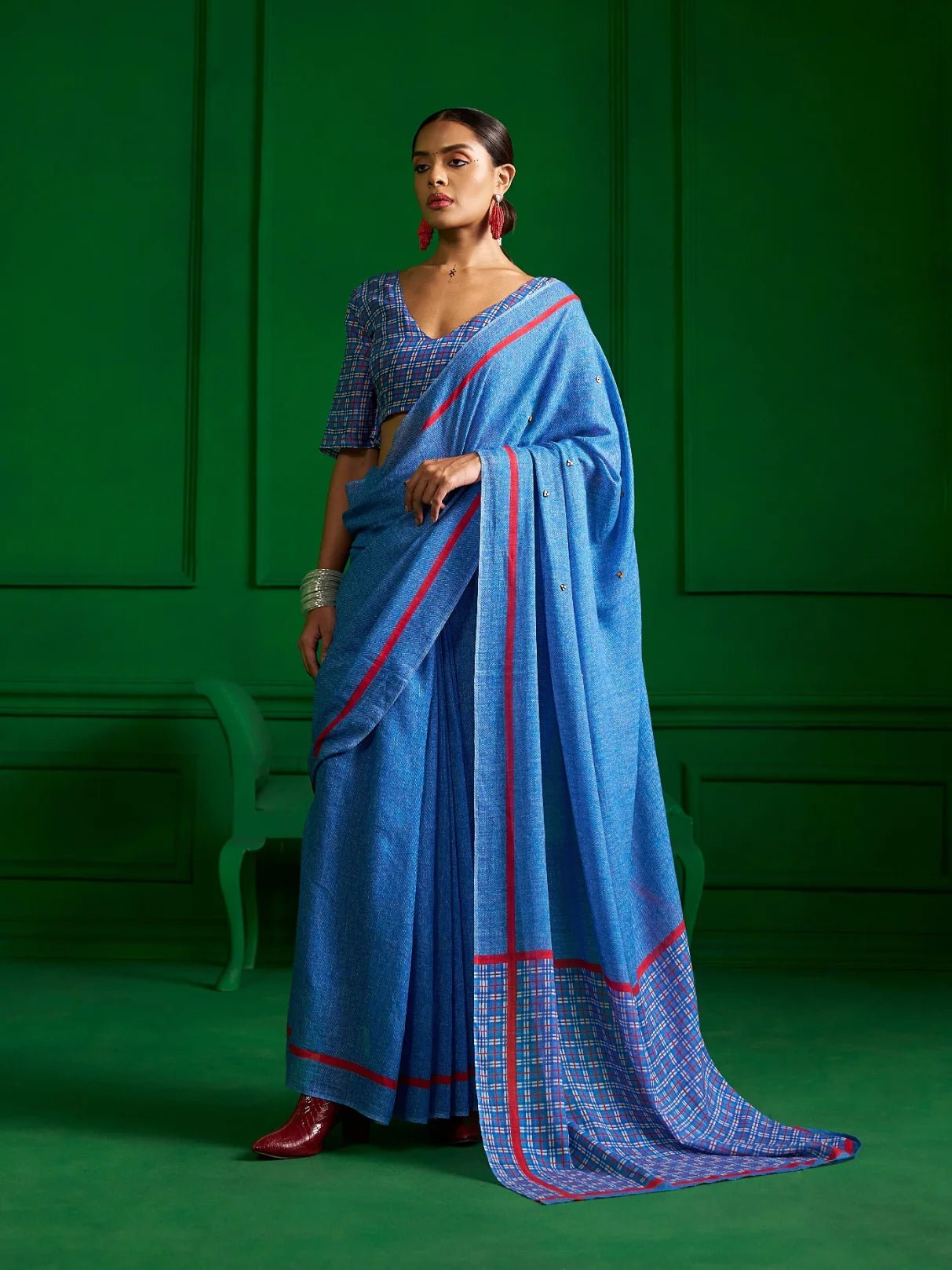
BRIGHT BLUE MULMUL COTTON RED RIBBON DENIM PRINT SAREE
Sale price₹ 3,999
Regular price₹ 5,990
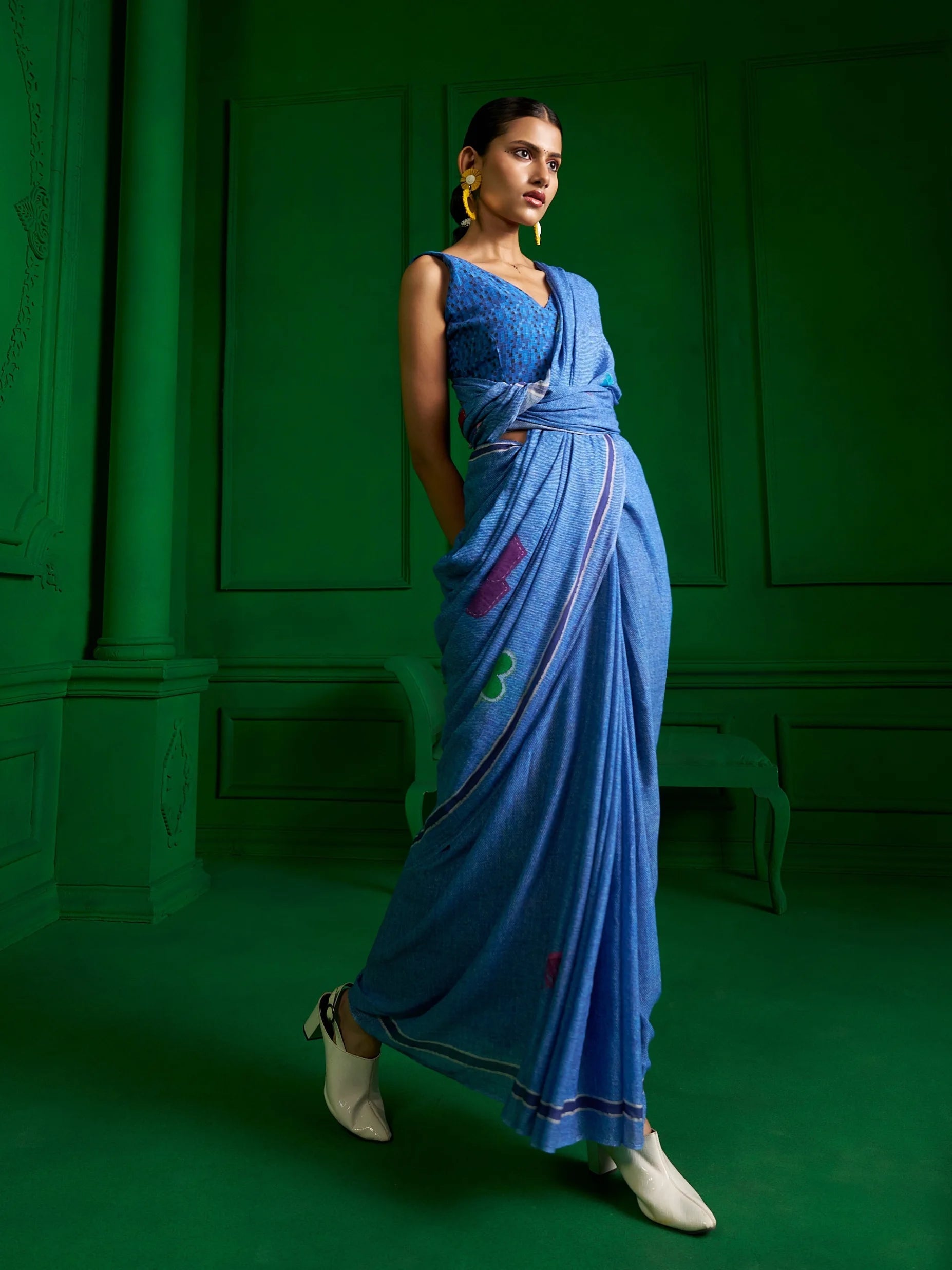
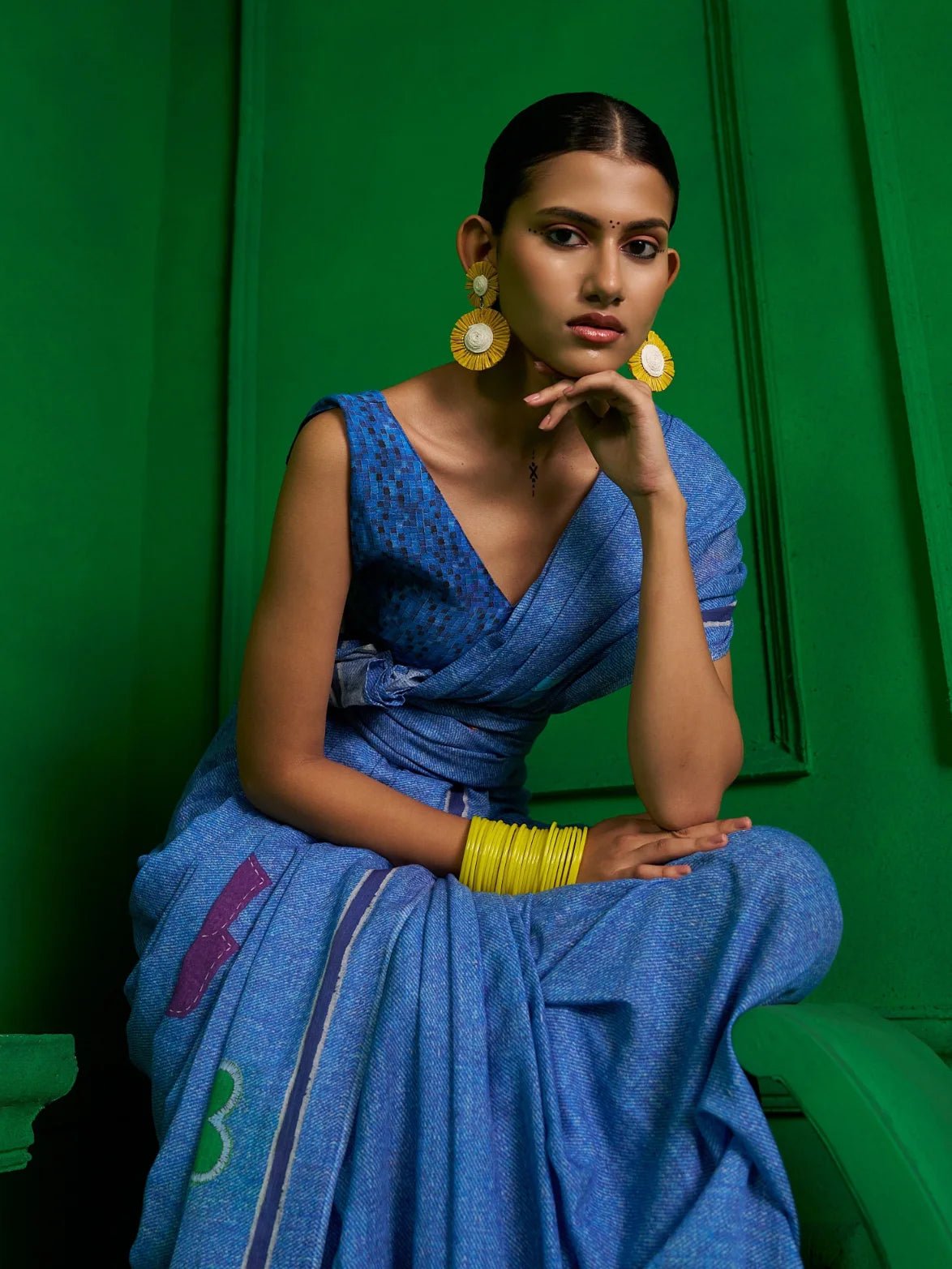
BRIGHT BLUE MULMUL COTTON VINTAGE VIBE DENIM PRINT SAREE
Sale price₹ 3,999
Regular price₹ 5,990
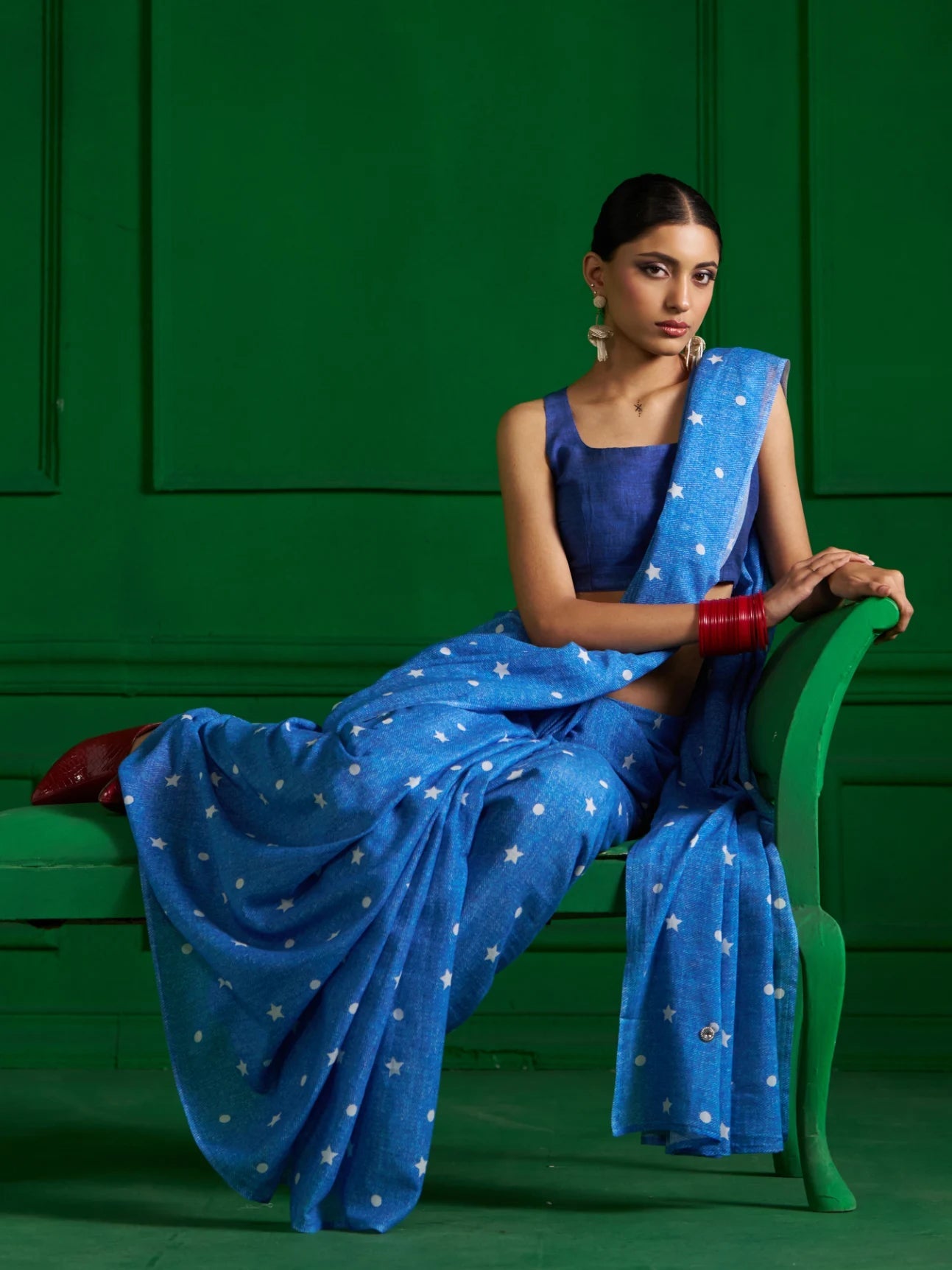
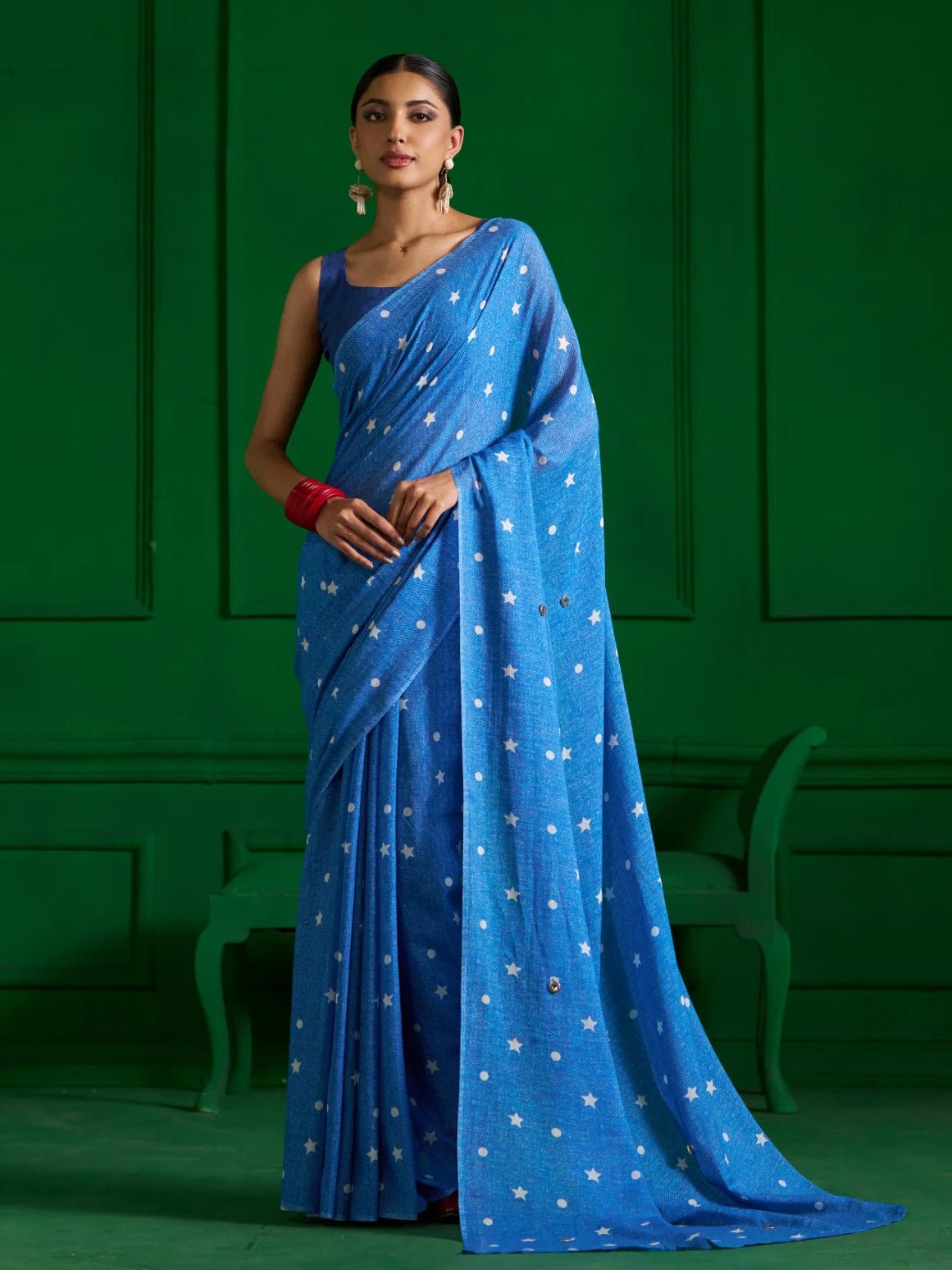
BRIGHT BLUE MULMUL COTTON STUDS AND STARS DENIM PRINT SAREE
Sale price₹ 3,999
Regular price₹ 5,990
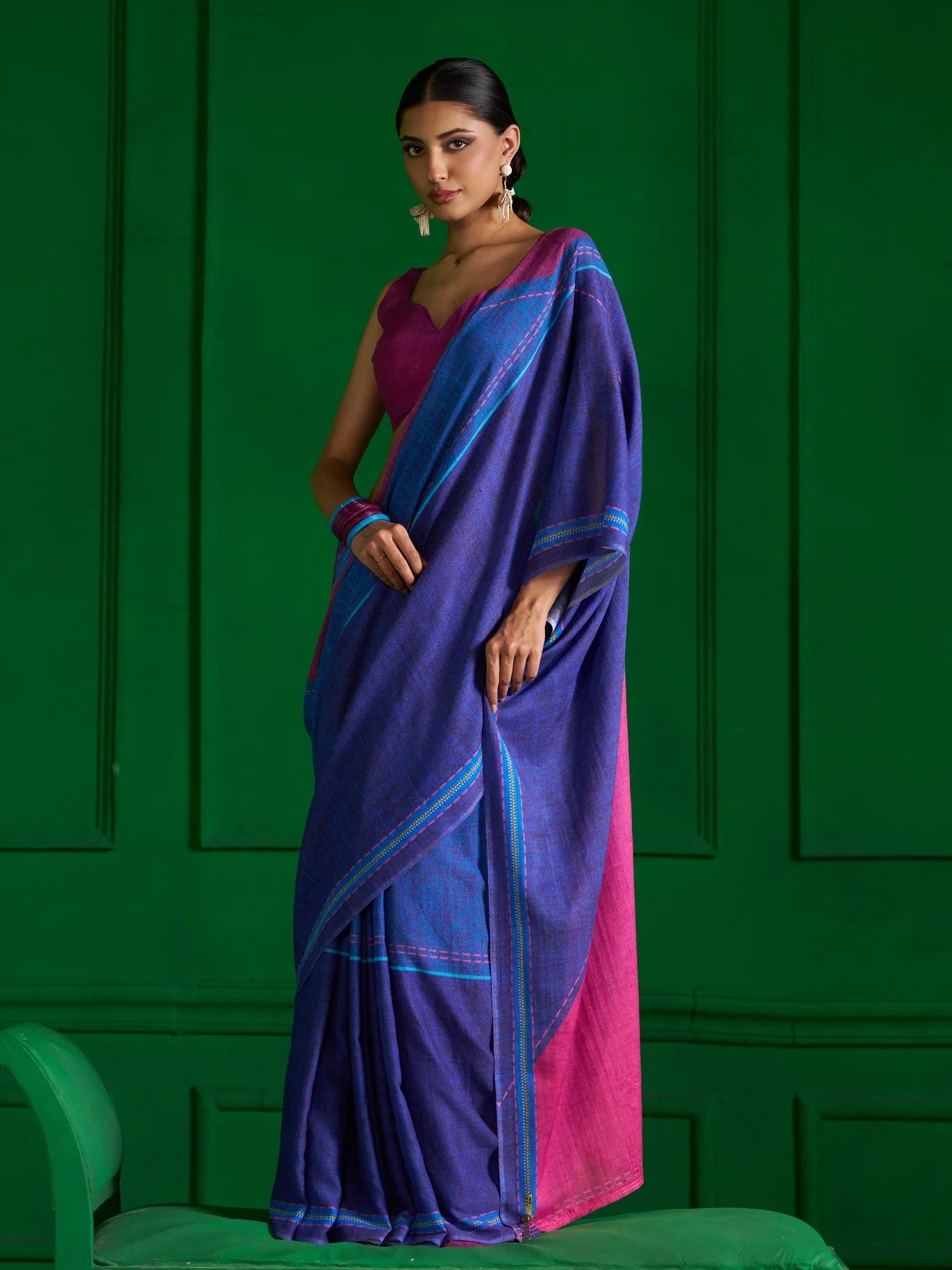
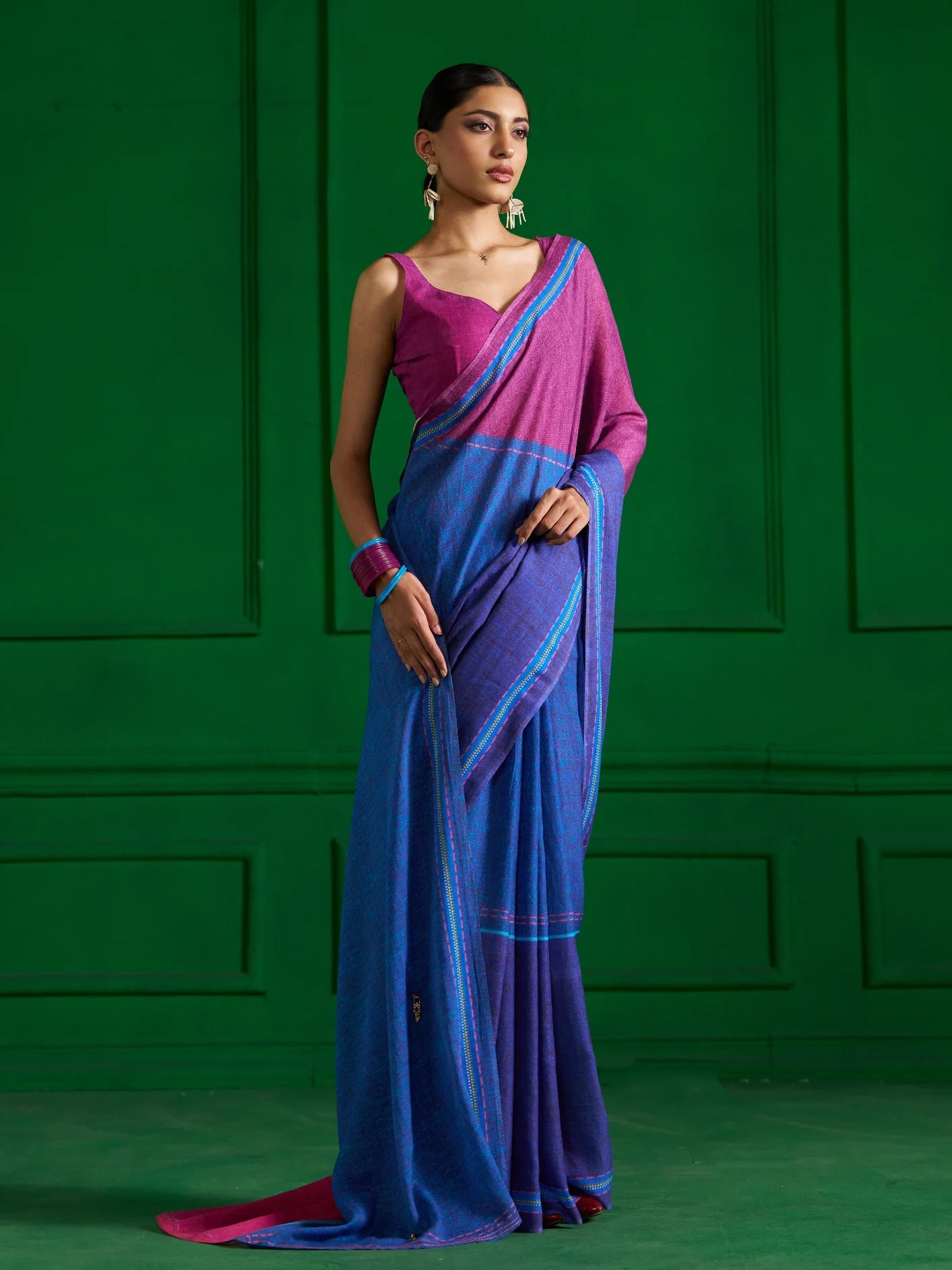
BRIGHT BLUE MULMUL COTTON PINK ZIP DENIM PRINT SAREE
Sale price₹ 3,999
Regular price₹ 5,990
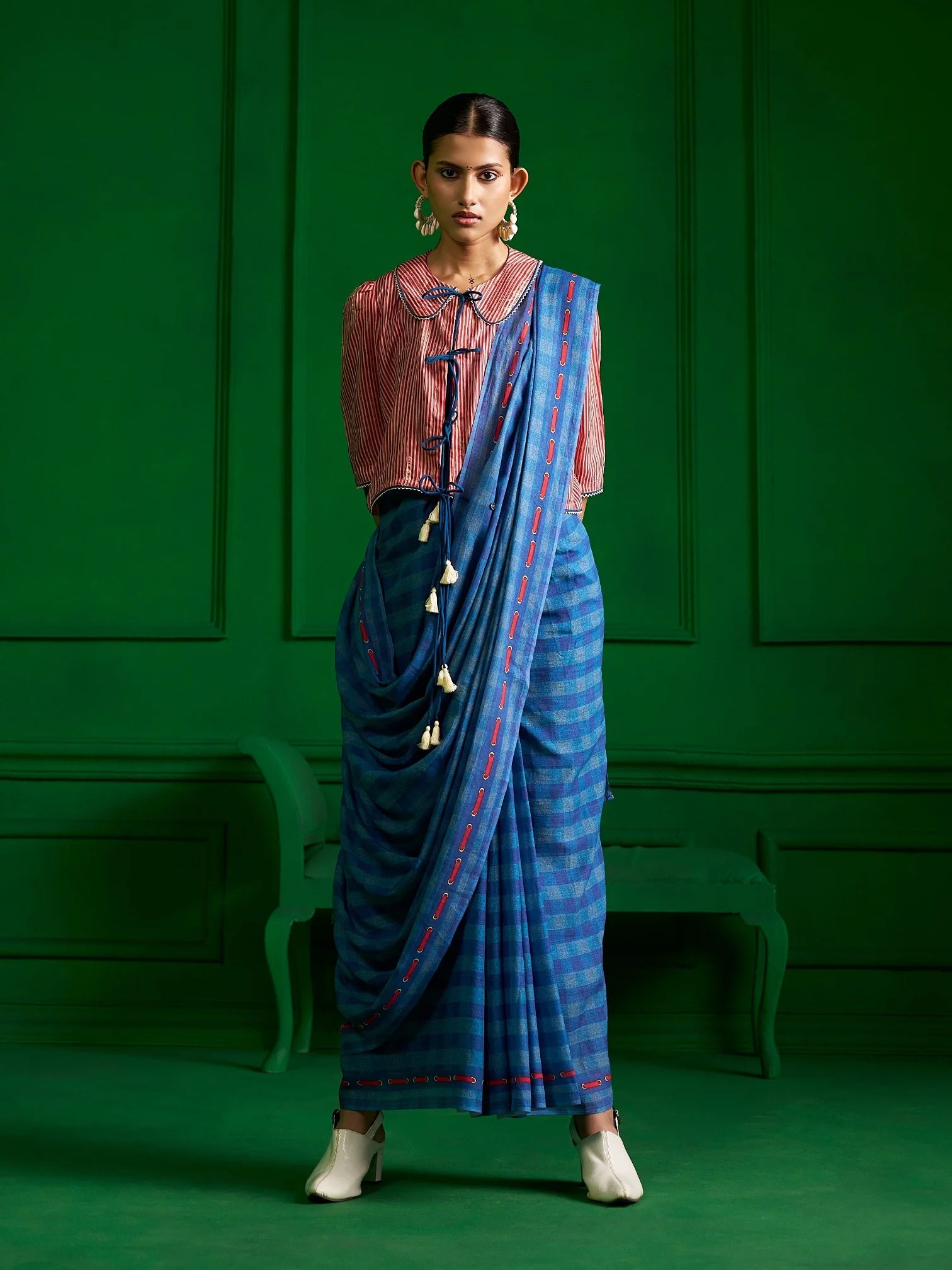
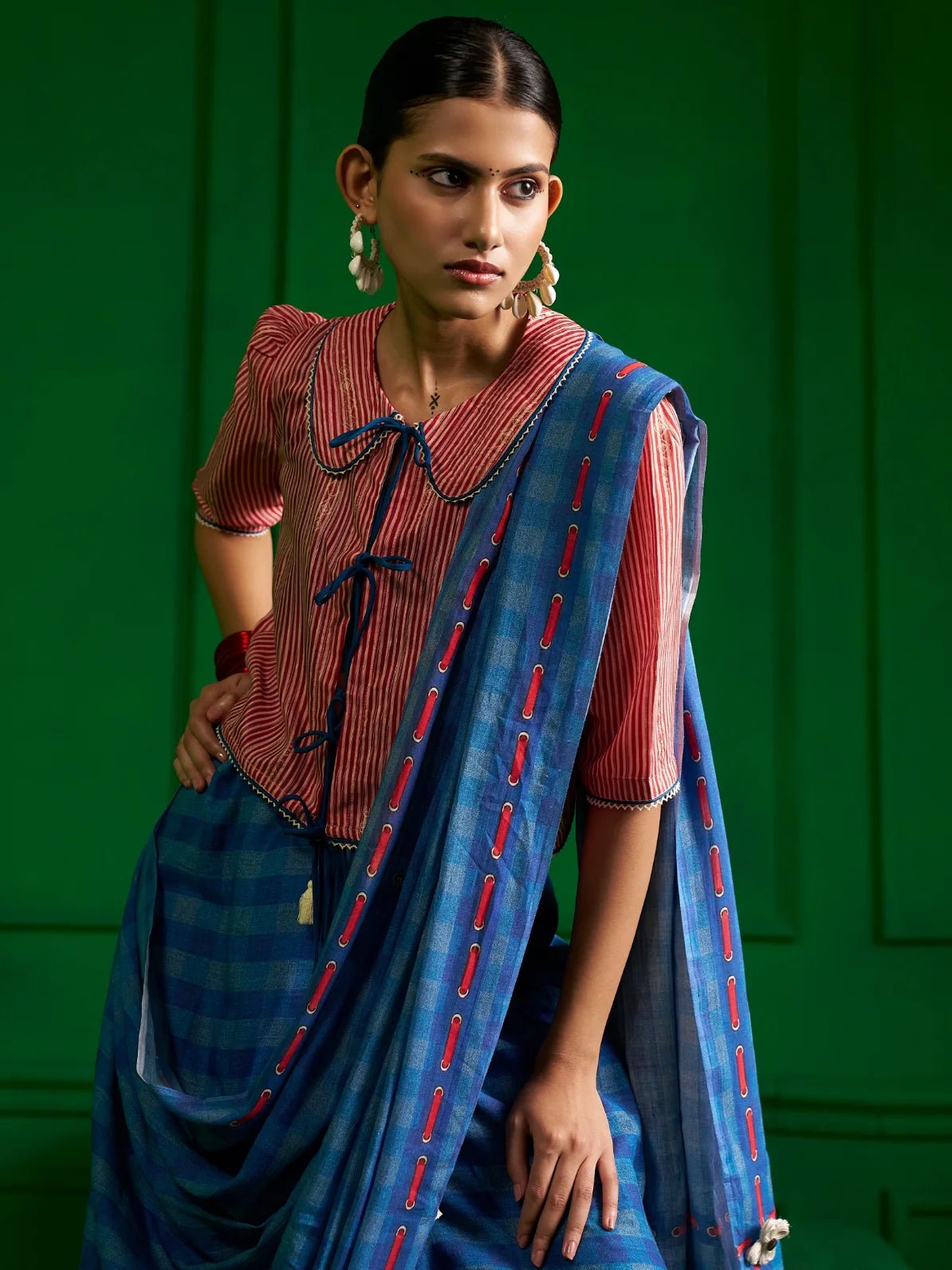
BRIGHT BLUE MULMUL COTTON GINGHAM CHECKS DENIM PRINT SAREE
Sale price₹ 3,999
Regular price₹ 5,990
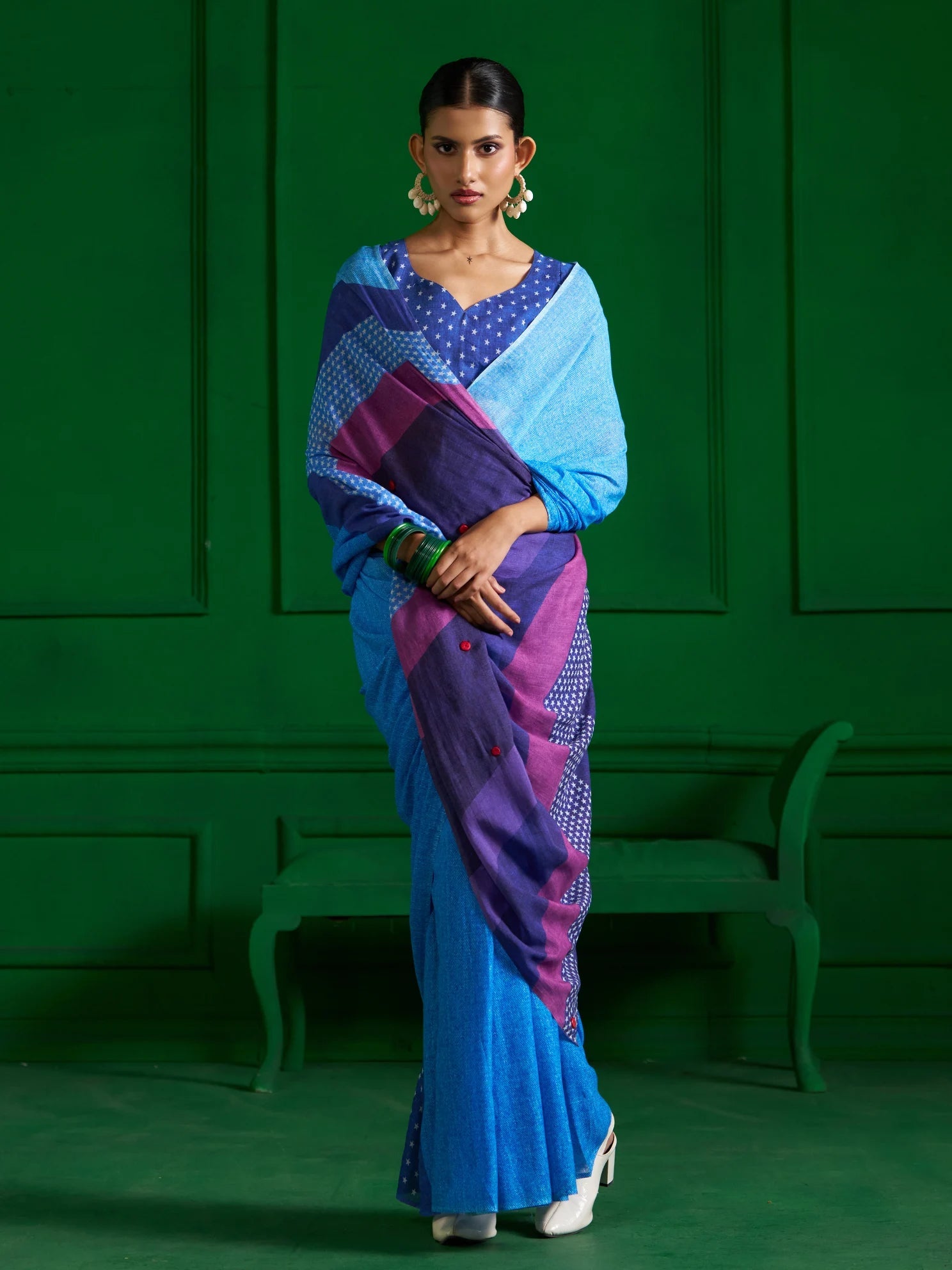
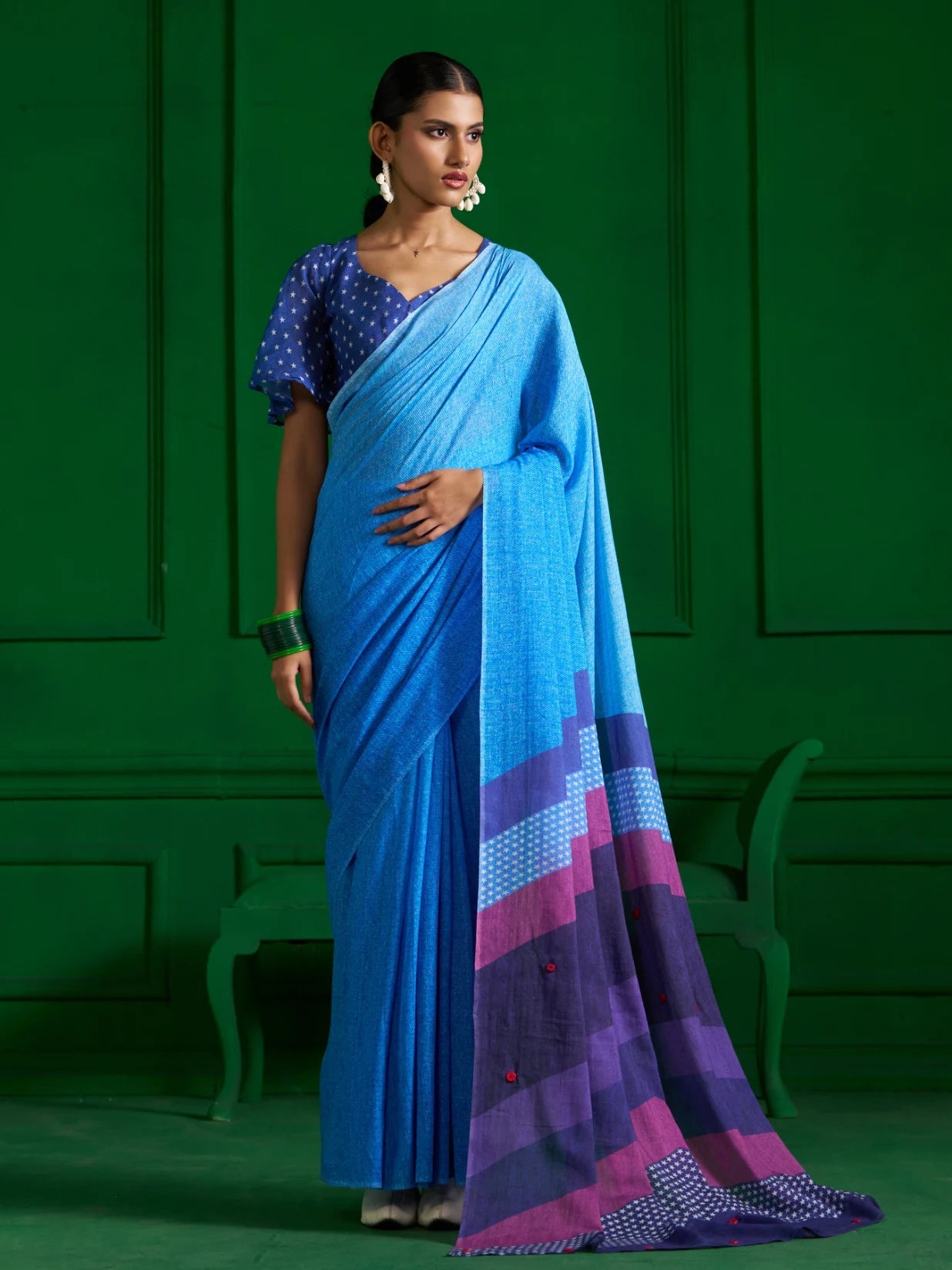
INK BLUE MULMUL COTTON OMBRE DENIM PRINT SAREE
Sale price₹ 3,490
Regular price₹ 5,990
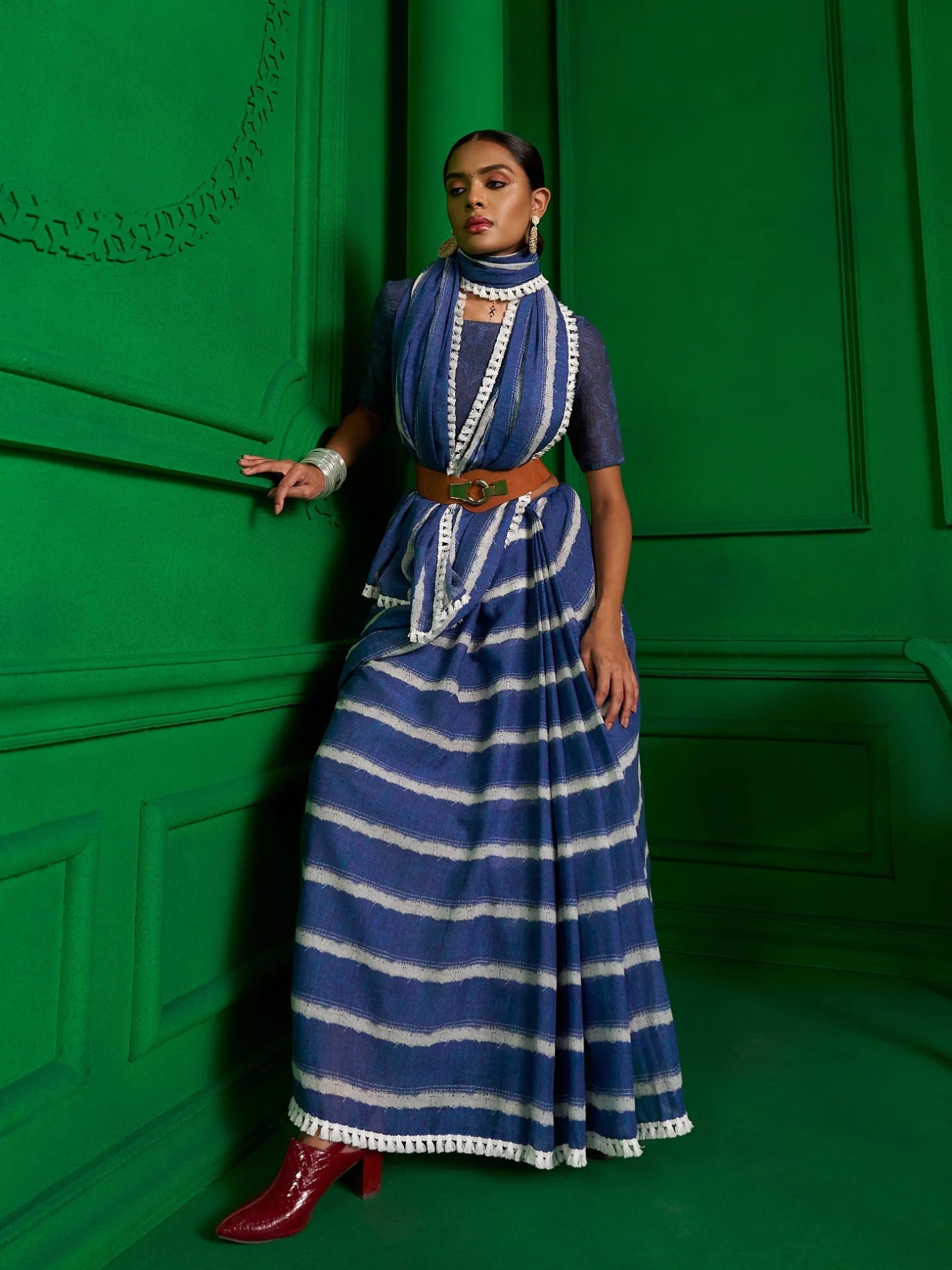
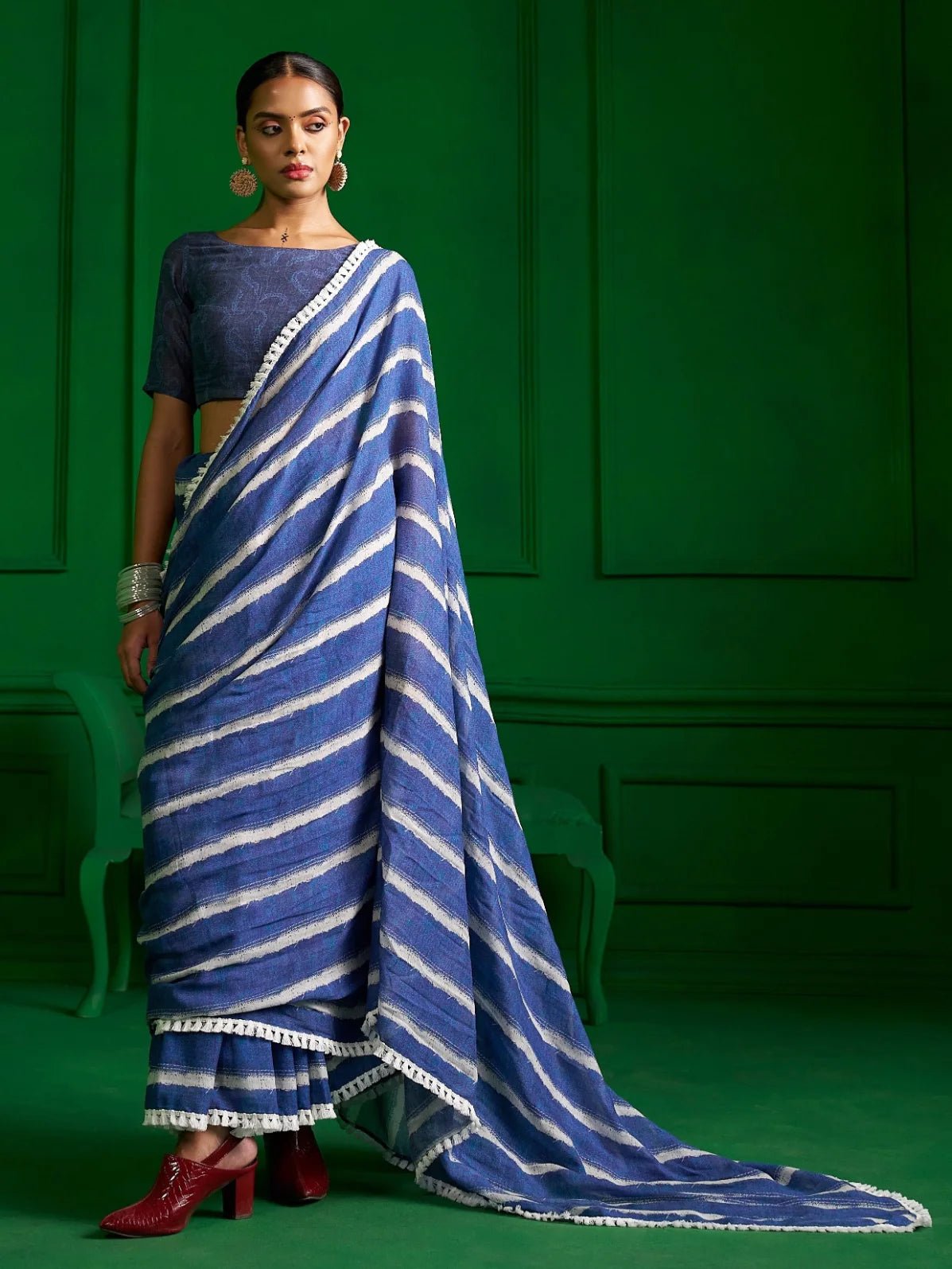
BRIGHT BLUE MULMUL COTTON SELVEDGE SAGA DENIM PRINT SAREE
Sale price₹ 3,999
Regular price₹ 5,990
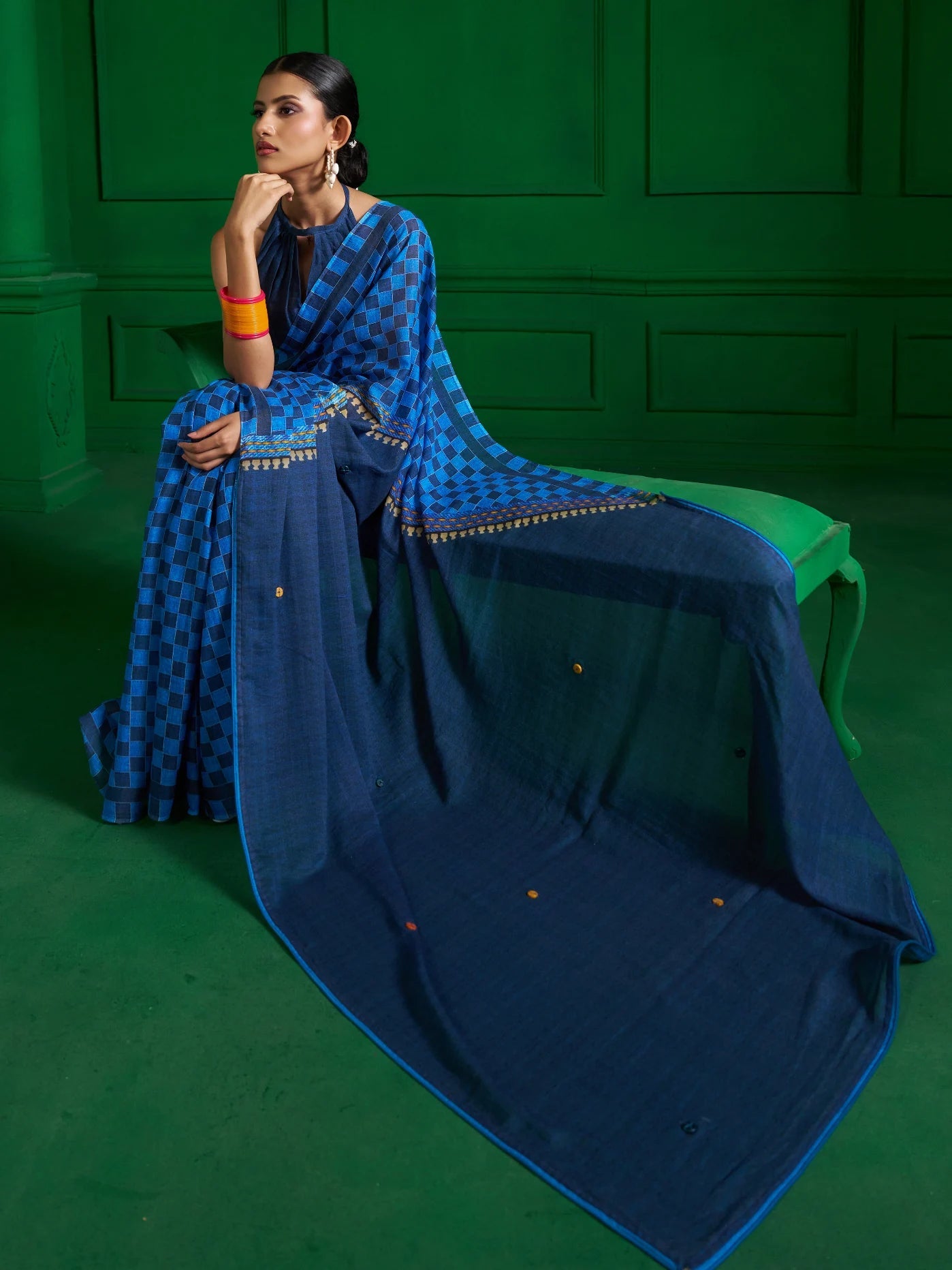
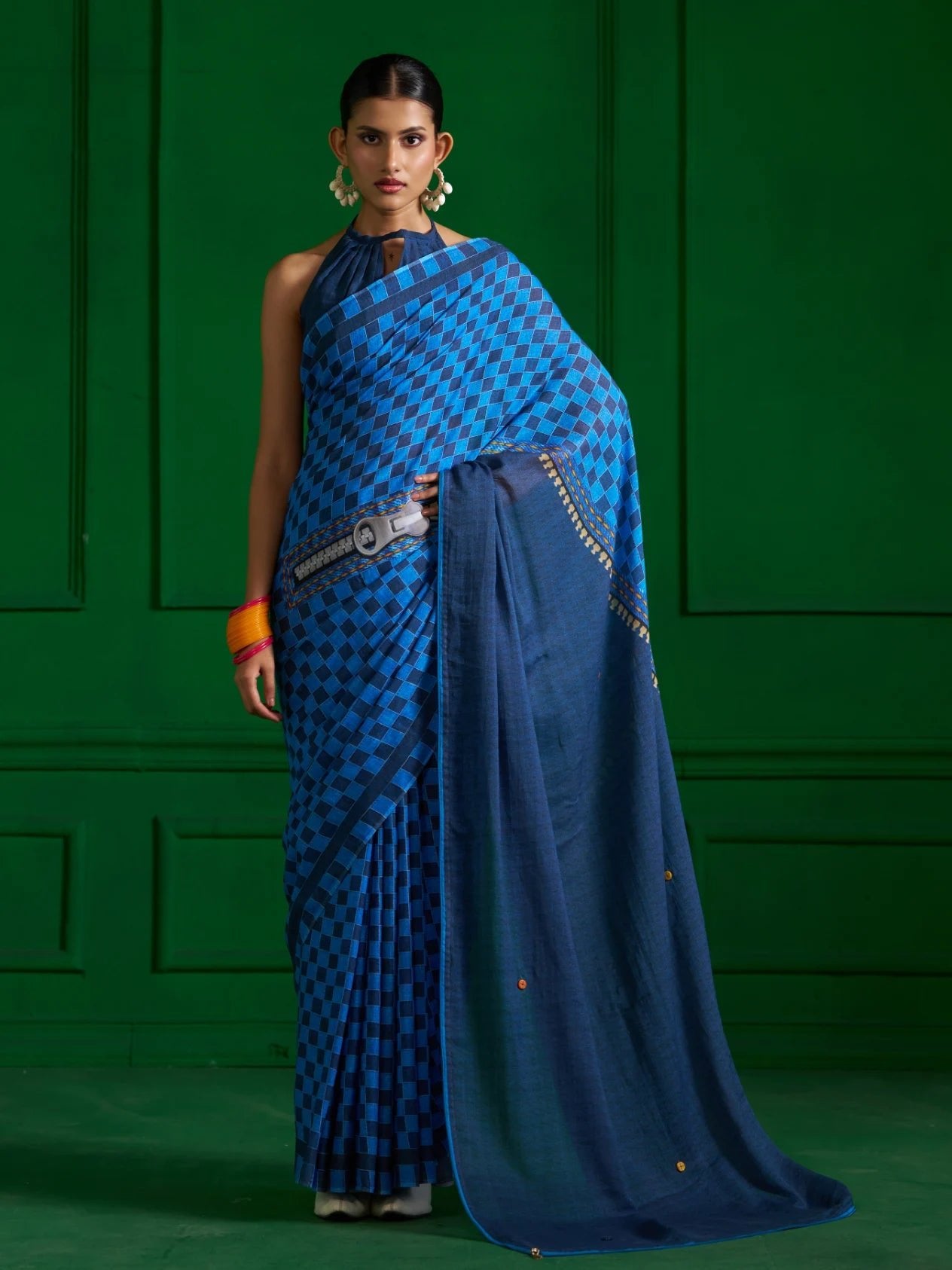
BRIGHT BLUE MULMUL COTTON ZIP UP CHECKS DENIM PRINT SAREE
Sale price₹ 3,999
Regular price₹ 5,990


SELLING FAST
NISHTHA IN VINTAGE VIBE DENIM PRINT SAREE
Sale price₹ 3,490
Regular price₹ 5,990
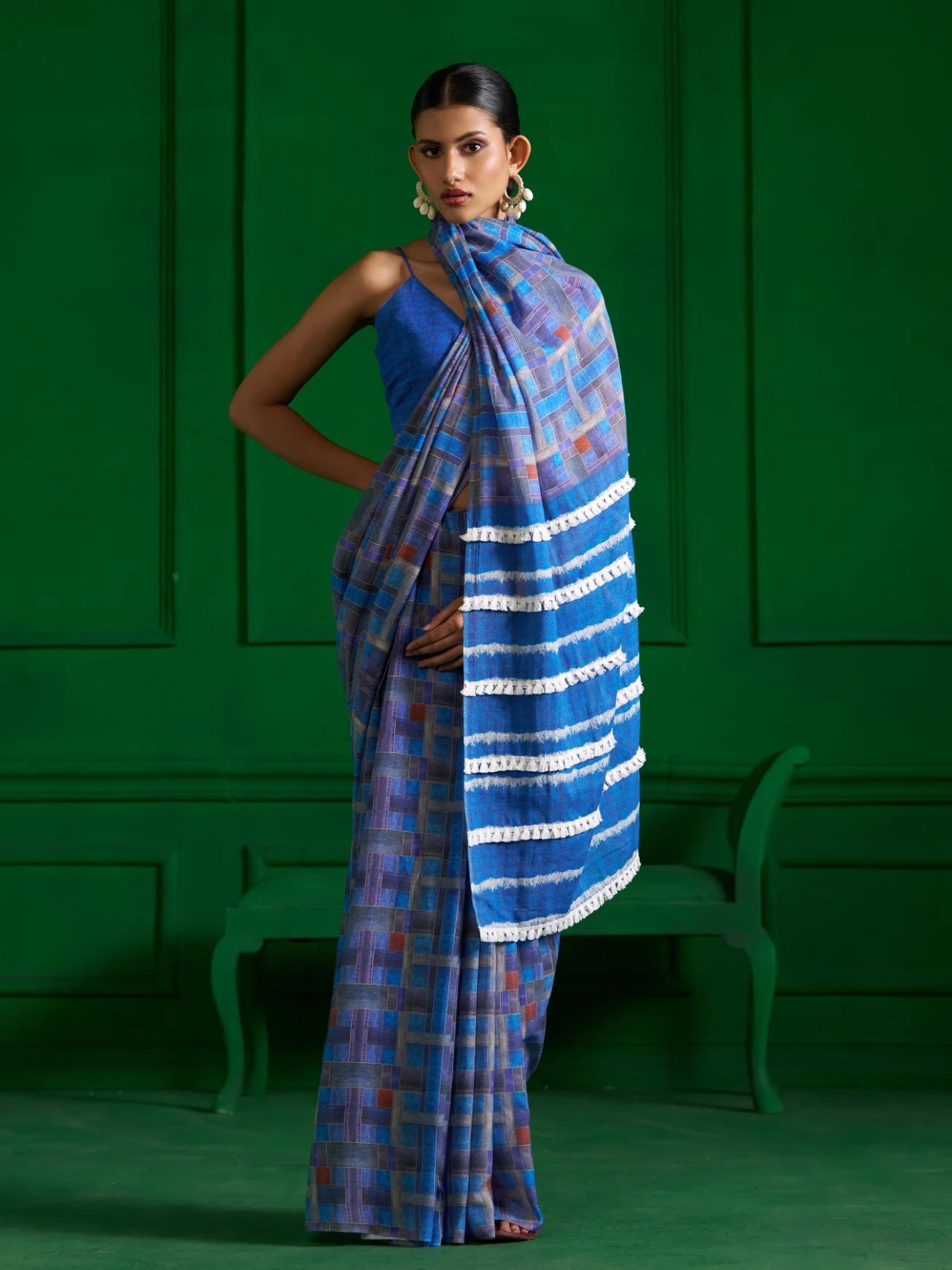
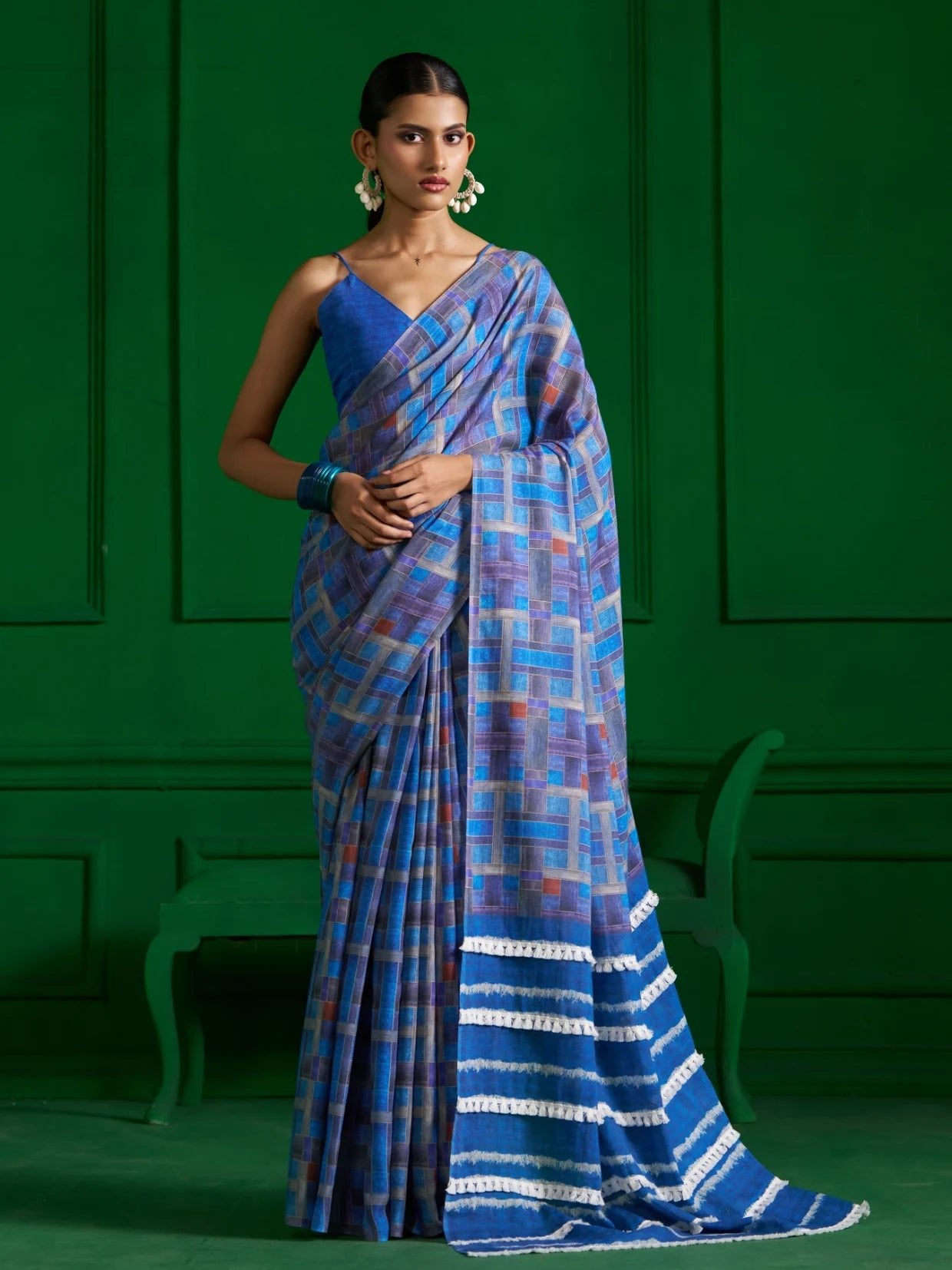
DENIM BLUE MOSAIC CHECK PRINTED VISCOSE MULMUL COTTON SAREE
Sale price₹ 3,490
Regular price₹ 5,990
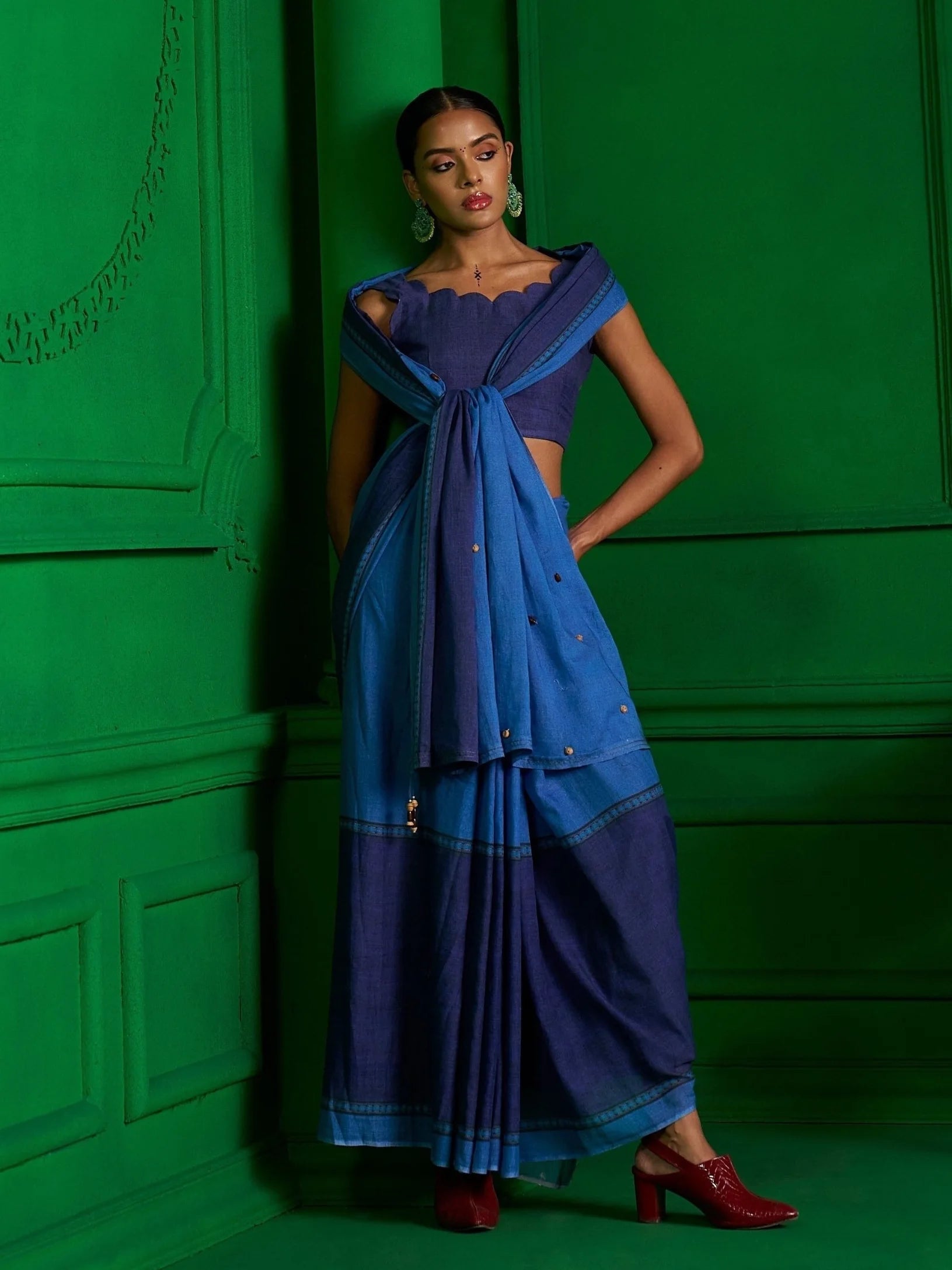
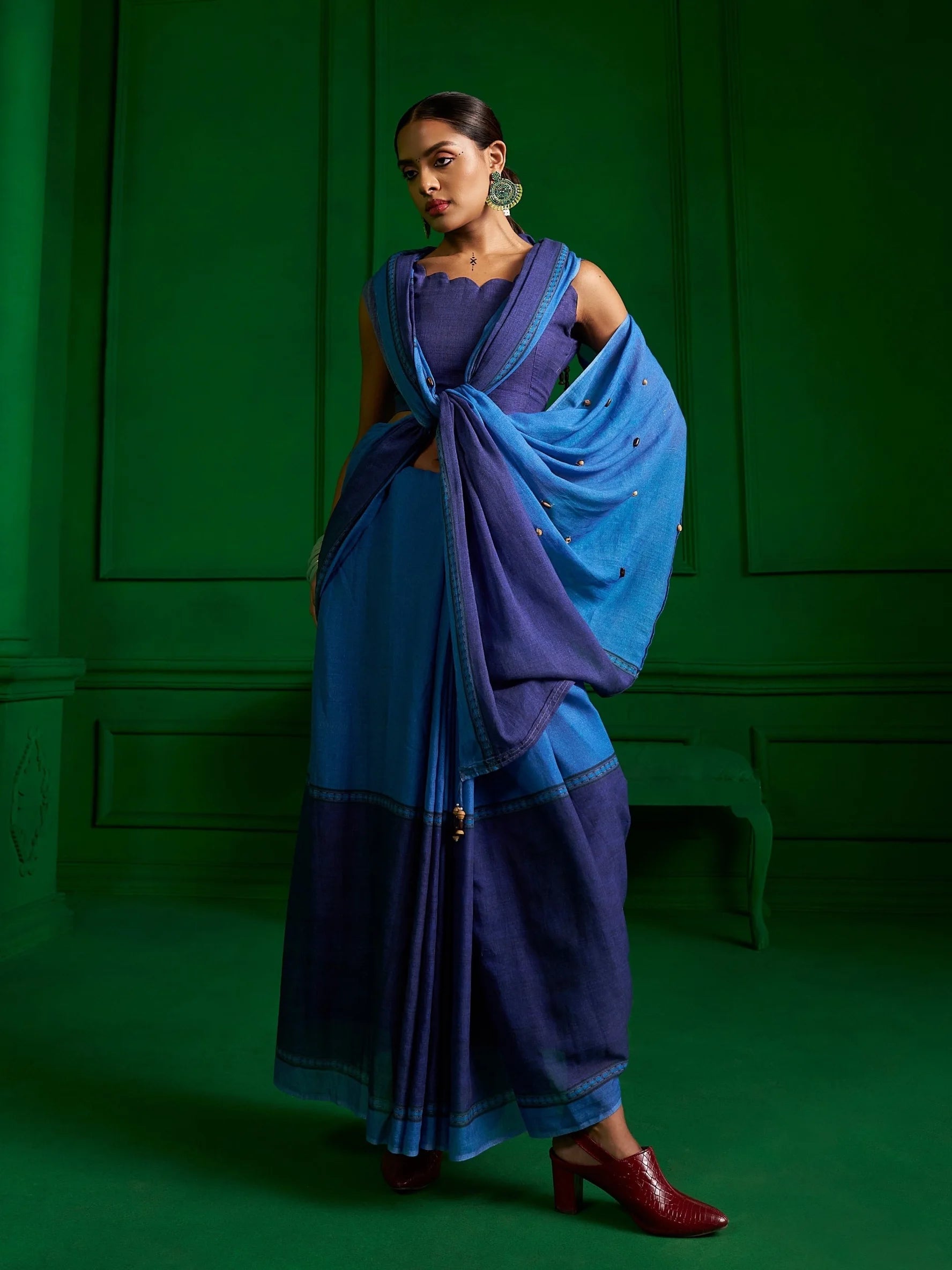
DENIM & INDIGO BLUE COLOUR-BLOCK VISCOSE MULMUL COTTON SAREE
Sale price₹ 3,999
Regular price₹ 5,990
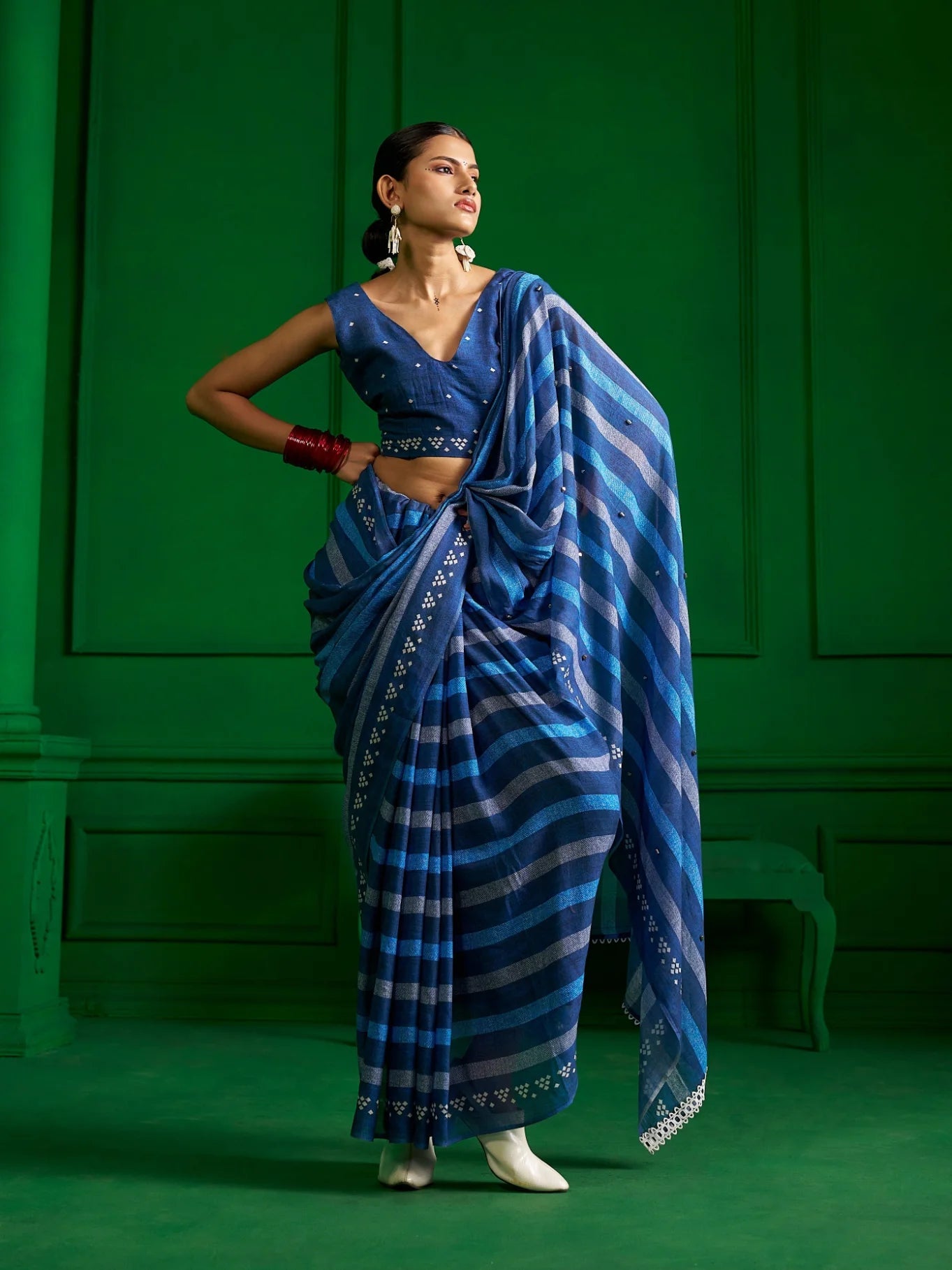
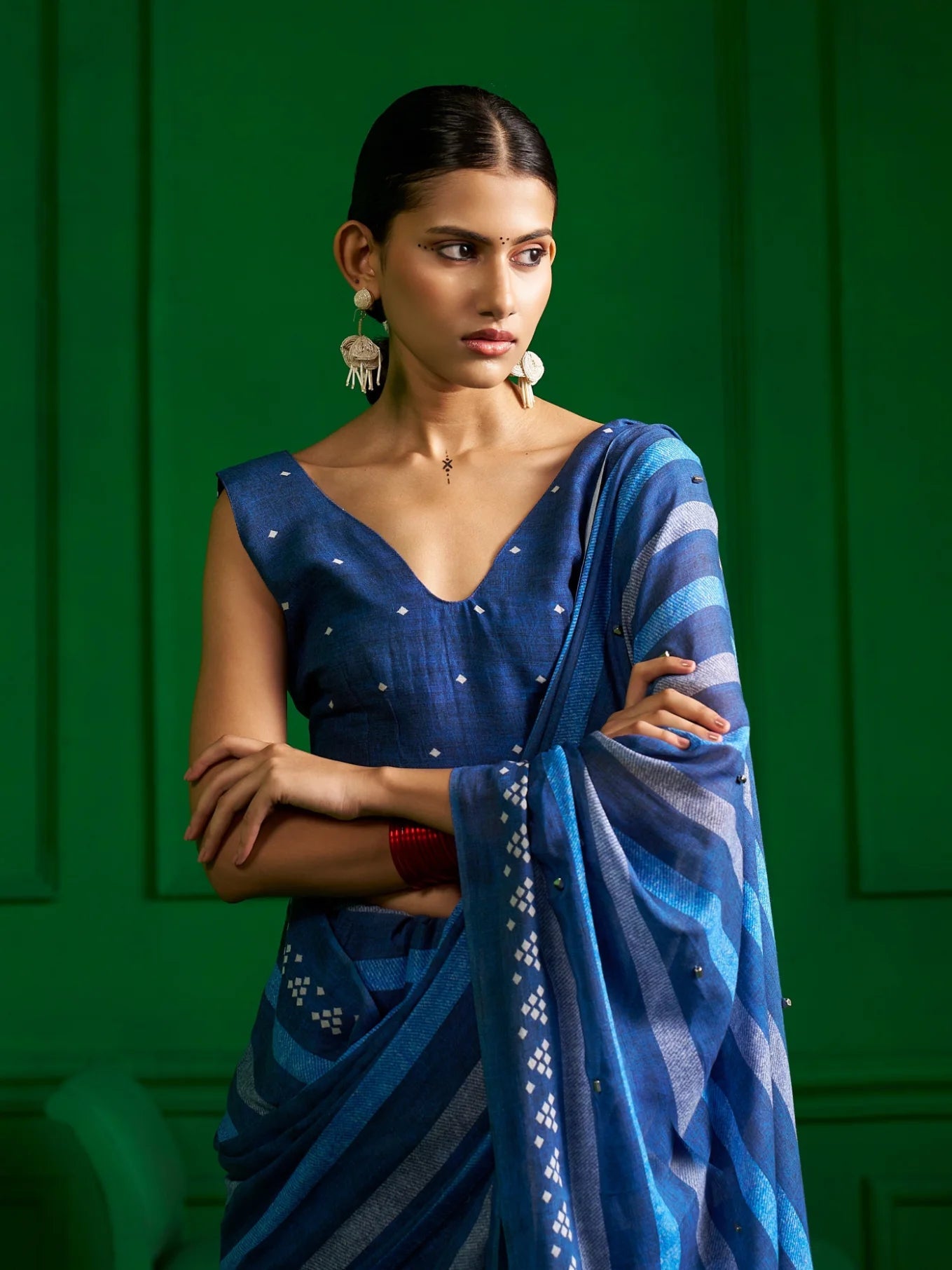
BRIGHT BLUE MULMUL COTTON BLUE ZEN DENIM PRINT SAREE
Sale price₹ 3,999
Regular price₹ 5,990


TOP SELLER
ANCHAL SARAF DEVANI IN PINK ZIP DENIM PRINT SAREE
Sale price₹ 3,999
Regular price₹ 5,990


ATRILEKHA IN BLUE ZEN DENIM PRINT SAREE
Sale price₹ 3,999
Regular price₹ 5,990


MAHIMA KHANCHANDANI IN STUDS AND STARS DENIM PRINT SAREE
Sale price₹ 3,999
Regular price₹ 5,990


SELLING FAST
NIKITA RANAWAT IN INDIGO WHIMSY DENIM PRINT SAREE
Sale price₹ 3,999
Regular price₹ 5,990
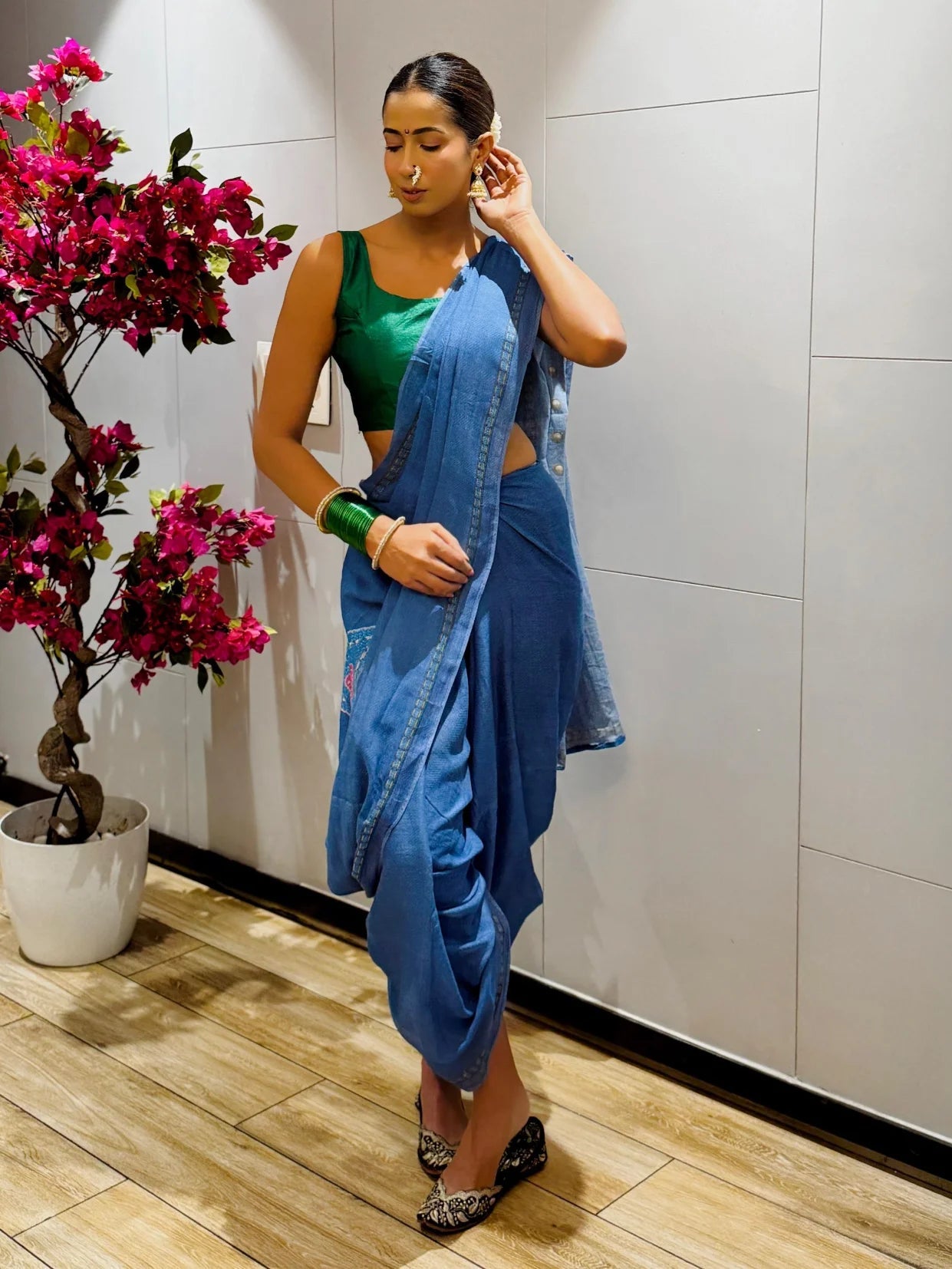
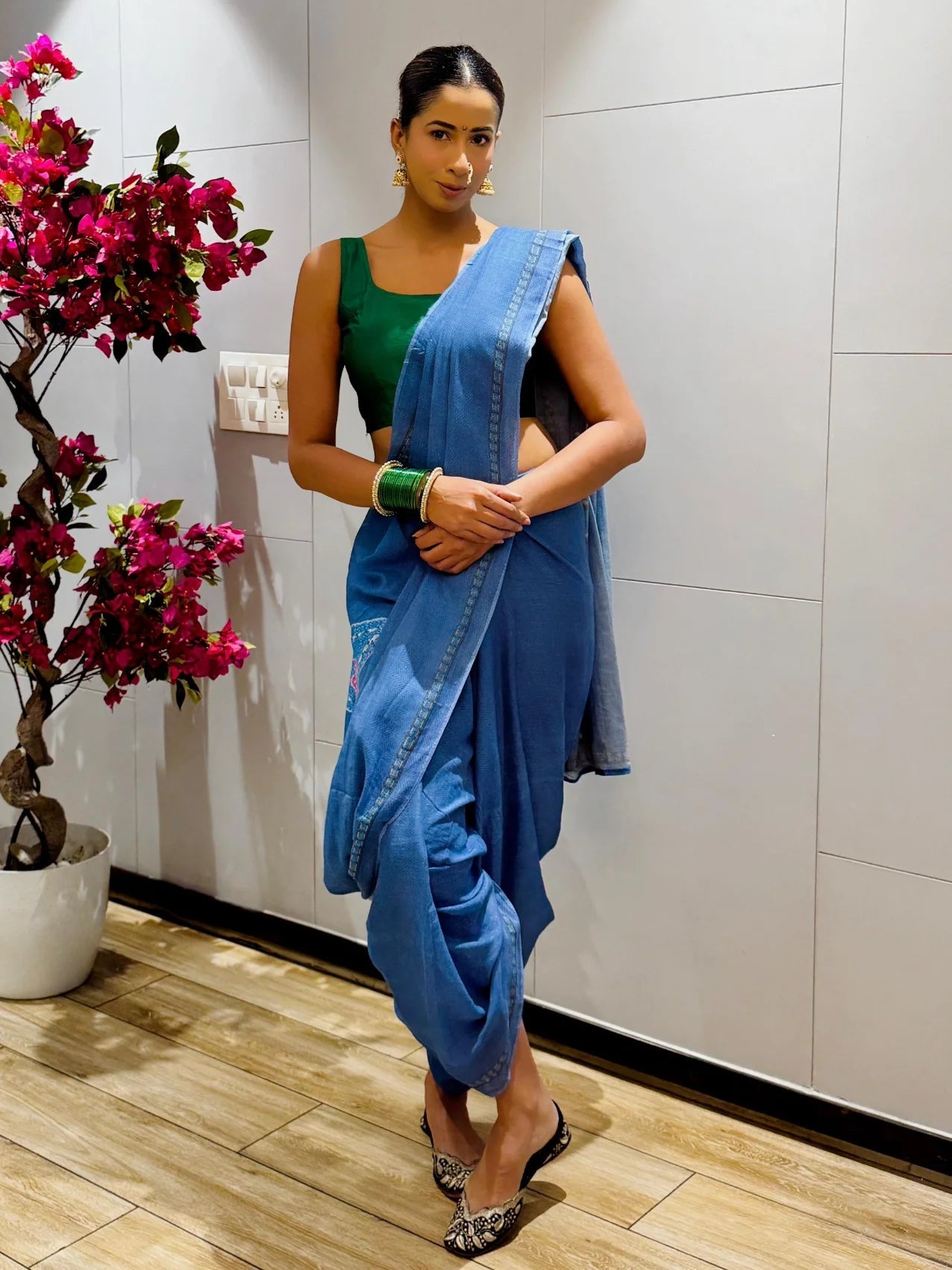
SELLING FAST
NIKKI IN STUD KNOT DENIM PRINT SAREE
Sale price₹ 3,490
Regular price₹ 5,990
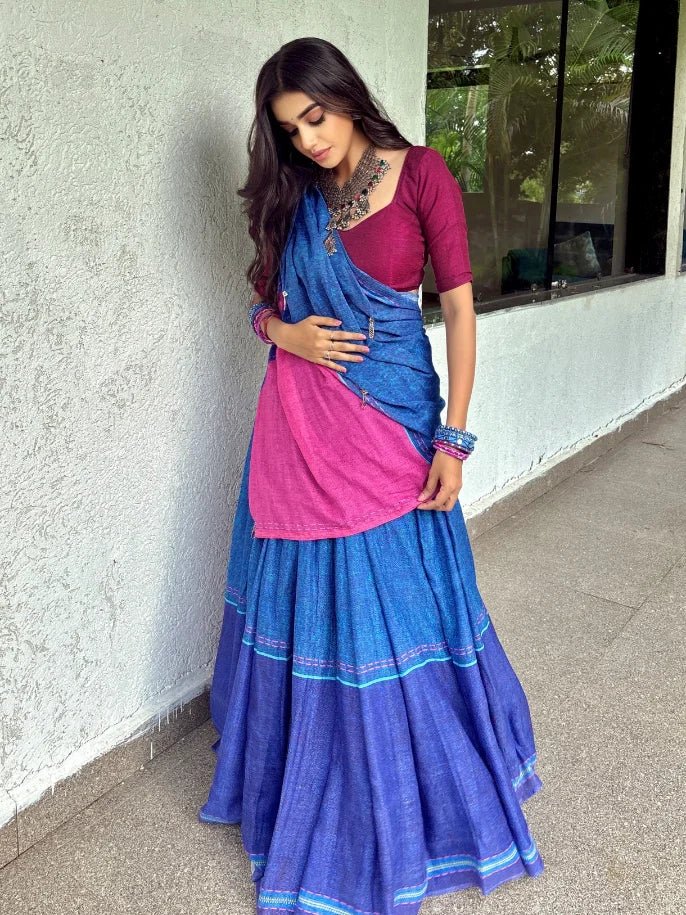
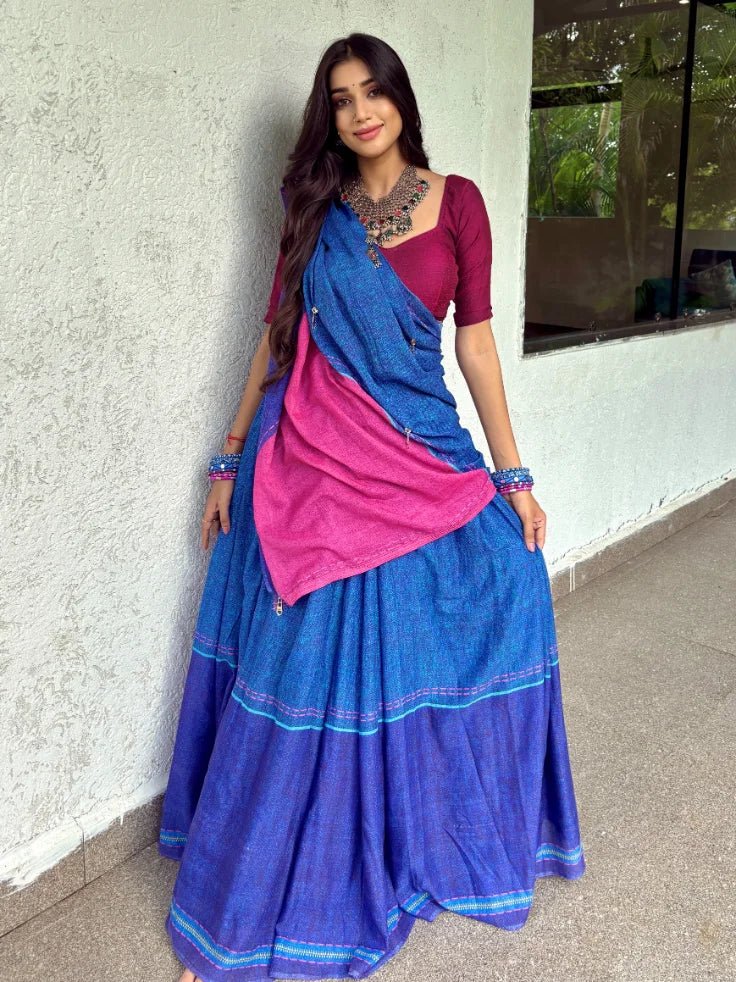
SELLING FAST
POOJA BARDE IN PINK ZIP DENIM PRINT SAREE
Sale price₹ 3,999
Regular price₹ 5,990

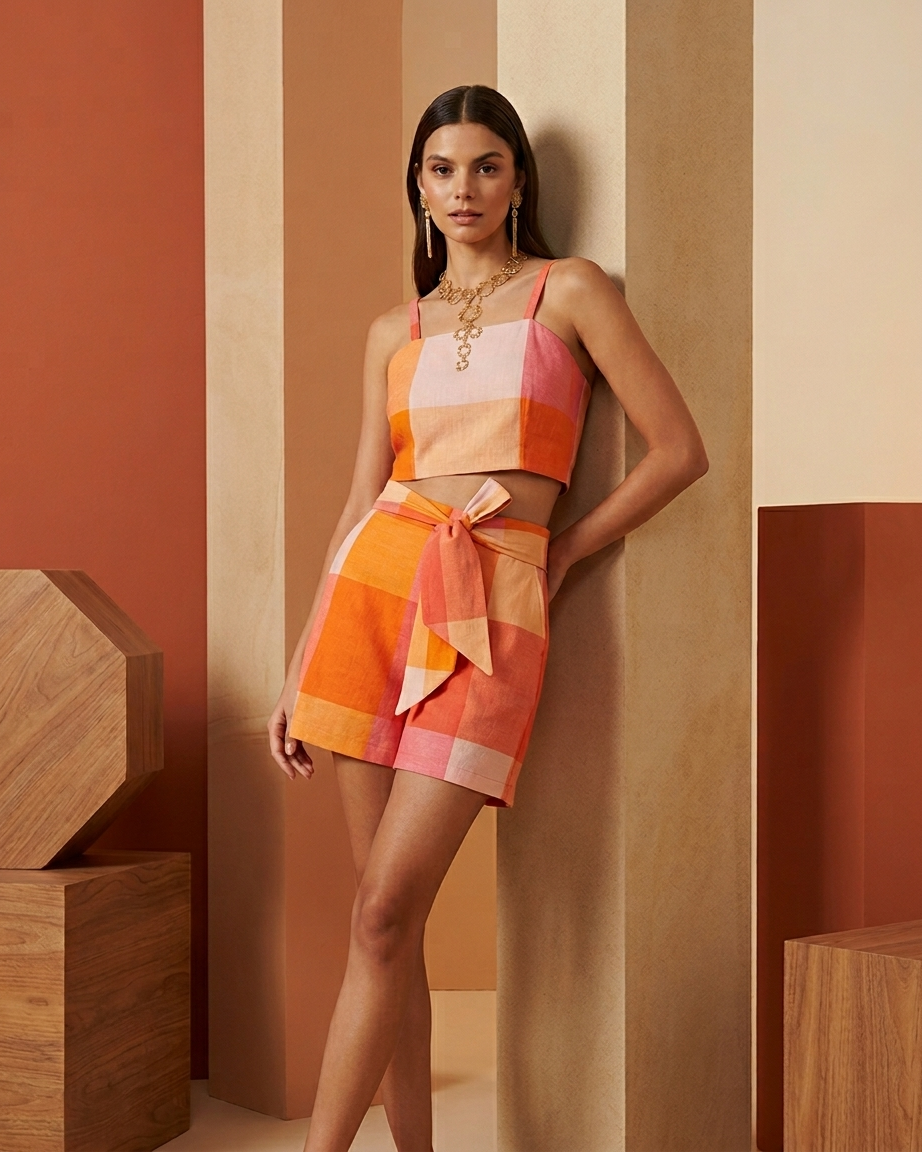
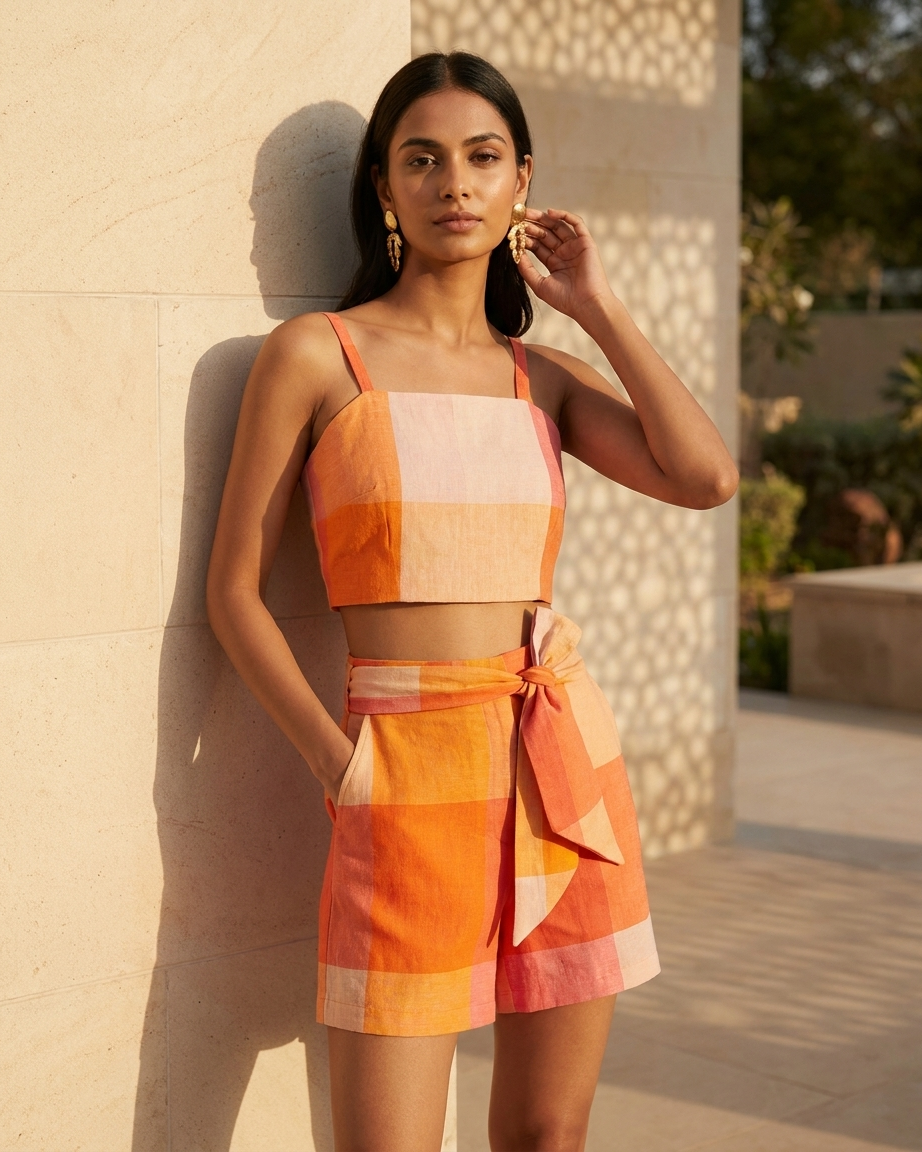
MULMUL COTTON MADRAS CHECKS CO-ORD SET
Sale price₹ 2,390
Regular price₹ 4,490
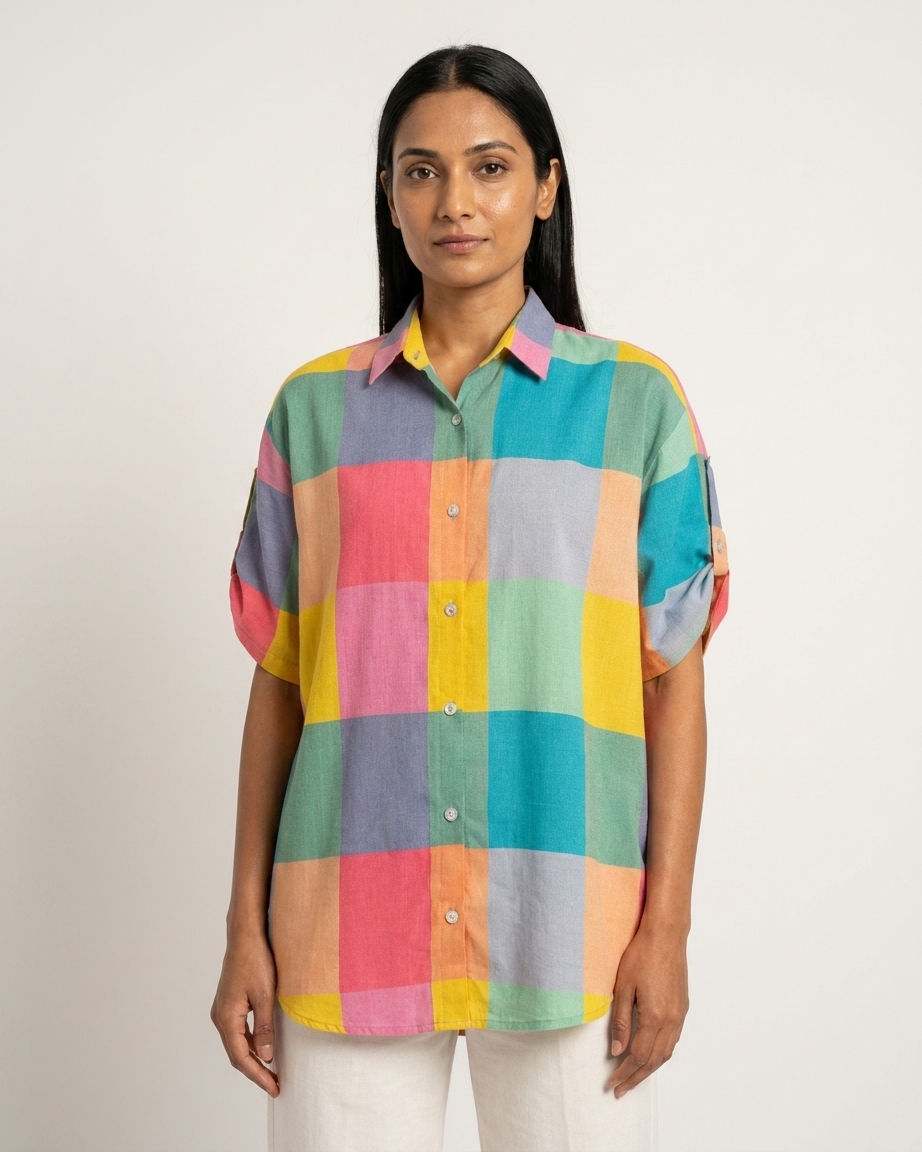
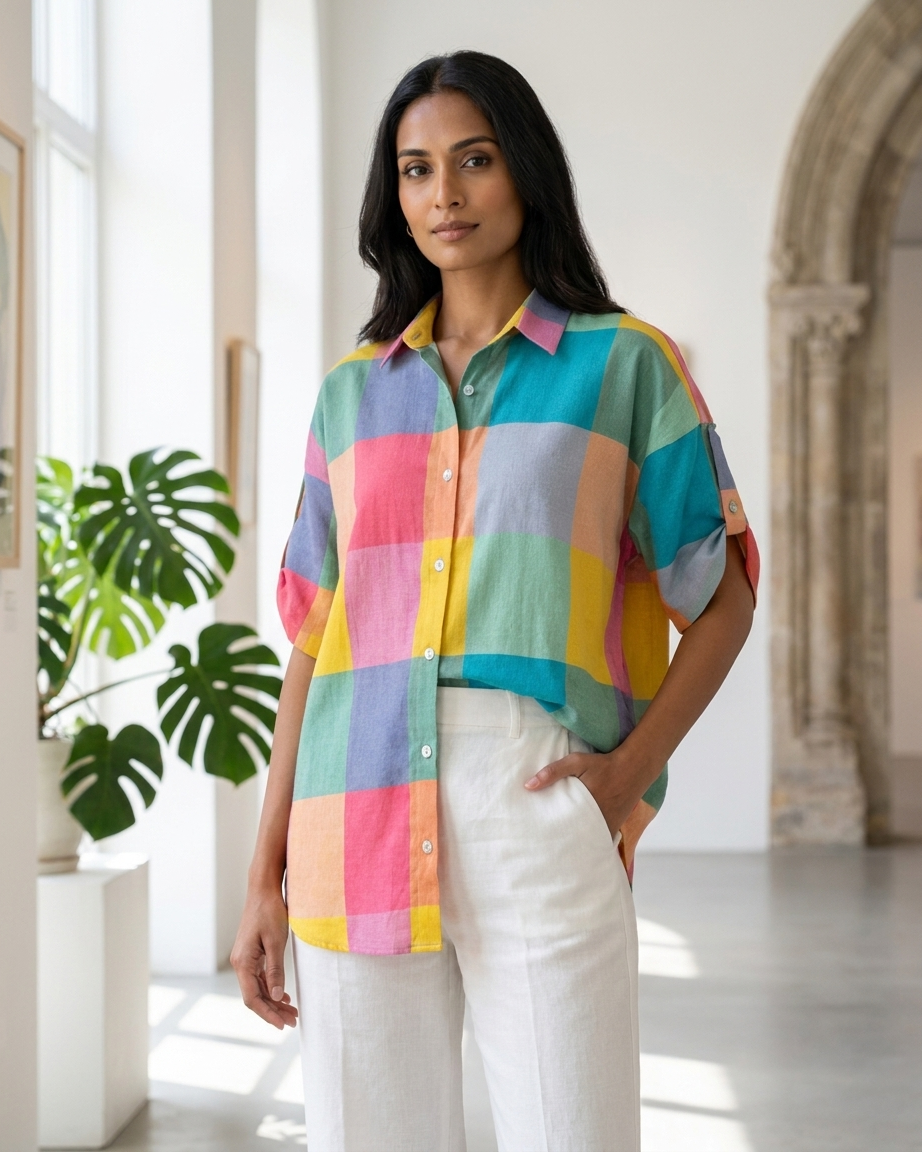
MULMUL COTTON MADRAS CHECKS SHIRT
Sale price₹ 1,890
Regular price₹ 3,490
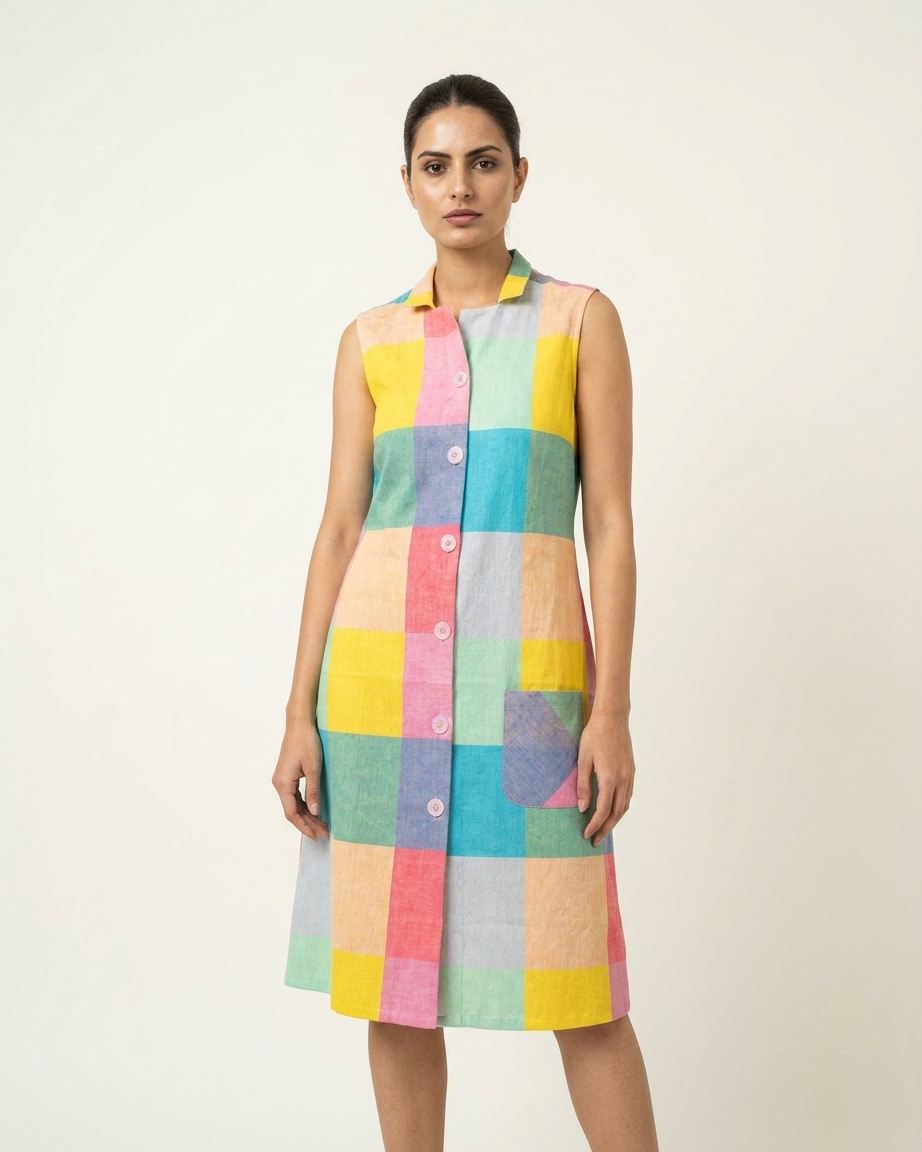
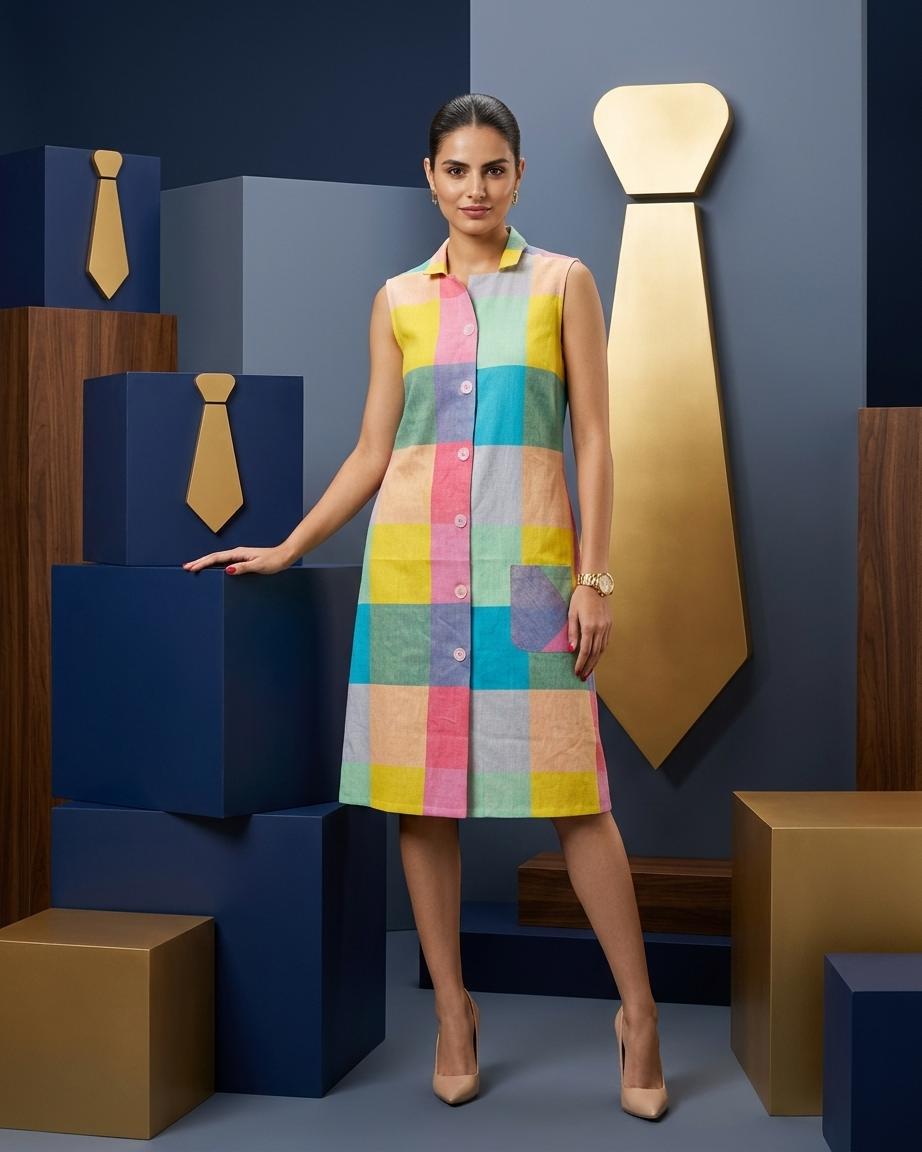
MULMUL COTTON MADRAS CHECK SLEEVE LESS DRESS
Sale price₹ 1,790
Regular price₹ 2,990


YELLOW WHITE COTTON CANDY LEAF ONE PCS DRESS
Sale price₹ 1,390
Regular price₹ 2,490
YELLOW COTTON COIN LEAF PRINTED TUNIC TOP
Sale price₹ 990
Regular price₹ 1,990
WHITE MULMUL COTTON CC COIN TUNICE DRESS
Sale price₹ 1,990
Regular price₹ 3,490
WHITE LIVO LINEN HAND EMBROIDERED SHIRT
Sale price₹ 990
Regular price₹ 1,990
YELLOW LIVA LITE HAND EMBROIDERED DRESS
Sale price₹ 2,490
Regular price₹ 4,490
WHITE LIVA MULMUL COTTON HAND EMBROIDERED DRESS
Sale price₹ 2,490
Regular price₹ 4,490
PISTA LIVA LITE HAND EMBROIDERED DRESS
Sale price₹ 2,490
Regular price₹ 4,490
PEACH & WHITE CC COIN DYED KURTI
Sale price₹ 1,390
Regular price₹ 2,490
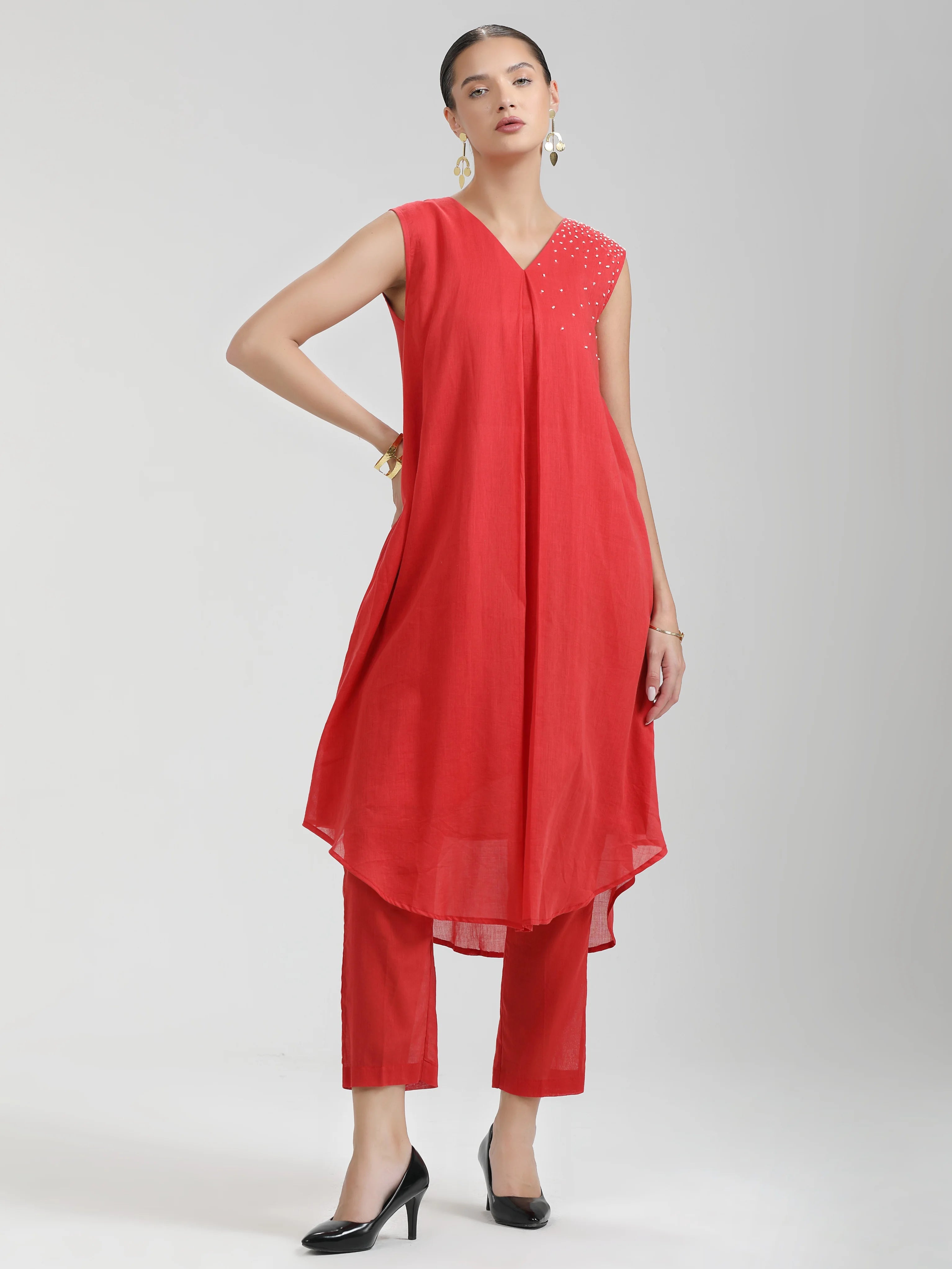
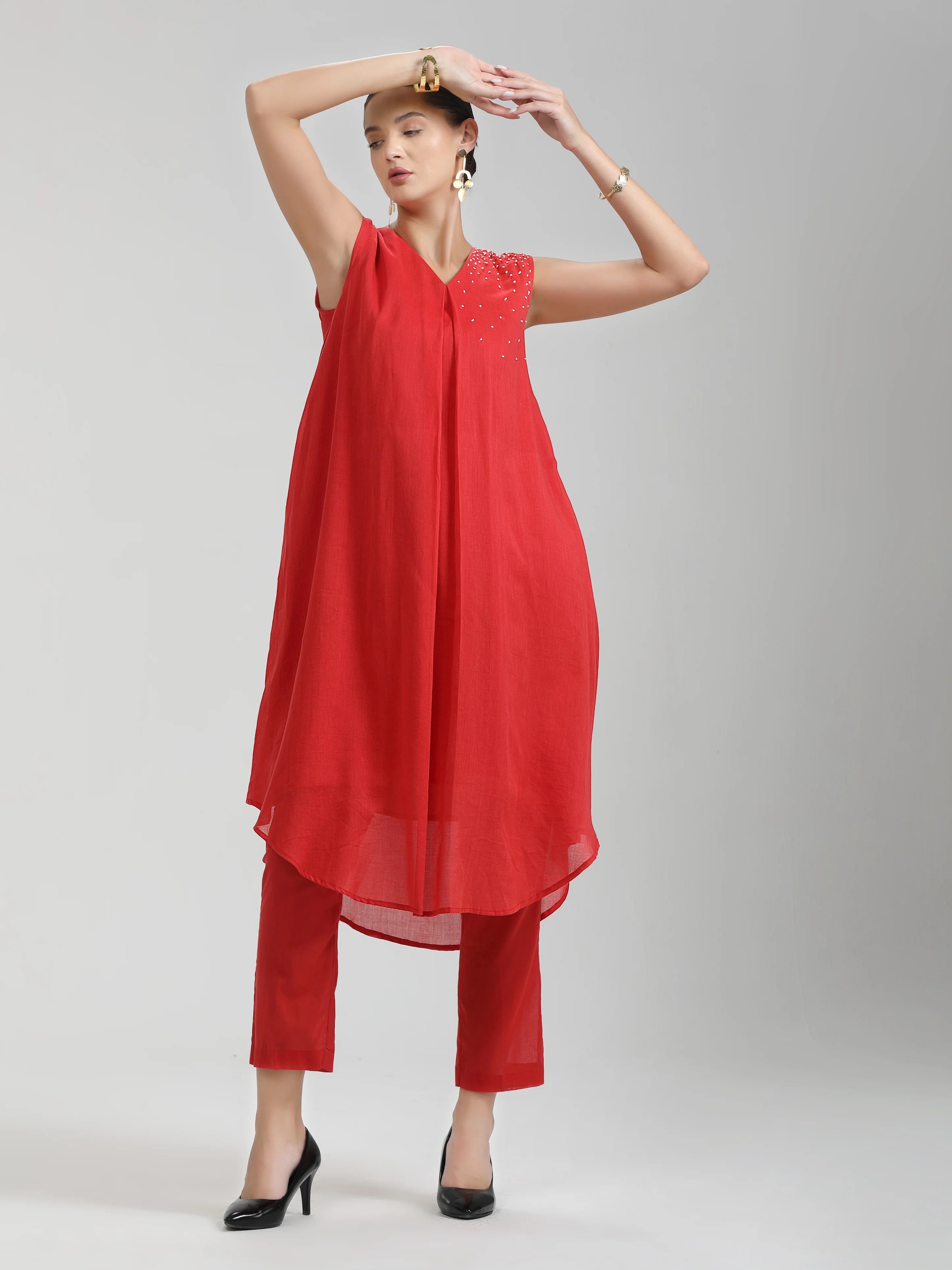
RED MULMUL COTTON HAND EMBROIDERD KURTA PANTS
Sale price₹ 3,490
Regular price₹ 6,490


BLACK MULMUL COTTON HAND EMBROIDERD KURTA PANTS
Sale price₹ 3,490
Regular price₹ 6,490
YELLOW COTTON COIN PRINTED WEAVED TOP
Sale price₹ 1,490
Regular price₹ 2,990
PINK COTTON COIN PRINTED WEAVED TOP
Sale price₹ 1,490
Regular price₹ 2,990


GREEN MULMUL COTTON HAND EMBROIDERD CROP TOP WITH PANTS
Sale price₹ 1,990
Regular price₹ 3,490


BLACK MULMUL COTTON HAND EMBROIDERD CROP TOP WITH PANTS
Sale price₹ 1,990
Regular price₹ 3,490
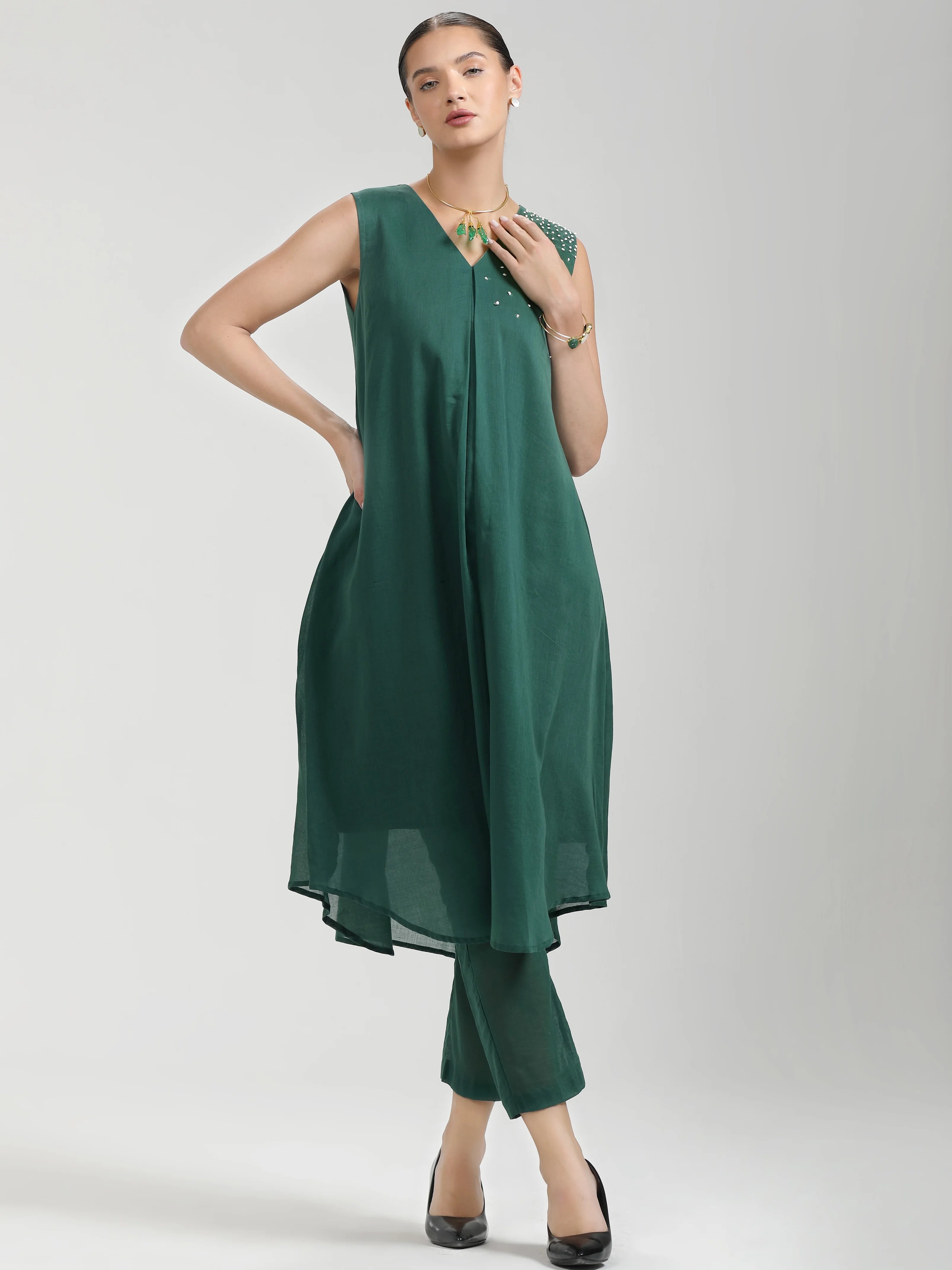

GREEN MULMUL COTTON HAND EMBROIDERD KURTA PANTS
Sale price₹ 3,490
Regular price₹ 6,490


DUNGRANI HANDCRAFTED PURPLE NR GOLD BATIK DRESS
Sale price₹ 999
Regular price₹ 2,990


DUNGRANI HANDCRAFTED ORANGE CC CHAIN BATIK DRESS
Sale price₹ 999
Regular price₹ 2,990


DUNGRANI HANDCRAFTED PISTA CC COIN BATIK DRESS
Sale price₹ 999
Regular price₹ 2,990


DUNGRANI HANDCRAFTED MAHENDI CC LEAF JACQUARD DRESS
Sale price₹ 999
Regular price₹ 2,990


DUNGRANI HANDCRAFTED BLUE COTTON FOIL PRINTED DRESS
Sale price₹ 999
Regular price₹ 2,990


DUNGRANI HANDCRAFTED COFFEE COTTON FOIL PRINTED DRESS
Sale price₹ 999
Regular price₹ 2,990


DUNGRANI HANDCRAFTED RANI COTTON SRTIPED PRINT DRESS
Sale price₹ 999
Regular price₹ 2,990


DUNGRANI HANDCRAFTED PINK COTTON FOIL PRINTED DRESS
Sale price₹ 999
Regular price₹ 2,990


DUNGRANI HANDCRAFTED YELLOW CC COIN 2 IN 1 BATIK DRESS
Sale price₹ 1,199
Regular price₹ 2,990


DUNGRANI HANDCRAFTED GRAY CC COIN 2 IN 1 BATIK DRESS
Sale price₹ 1,199
Regular price₹ 2,990
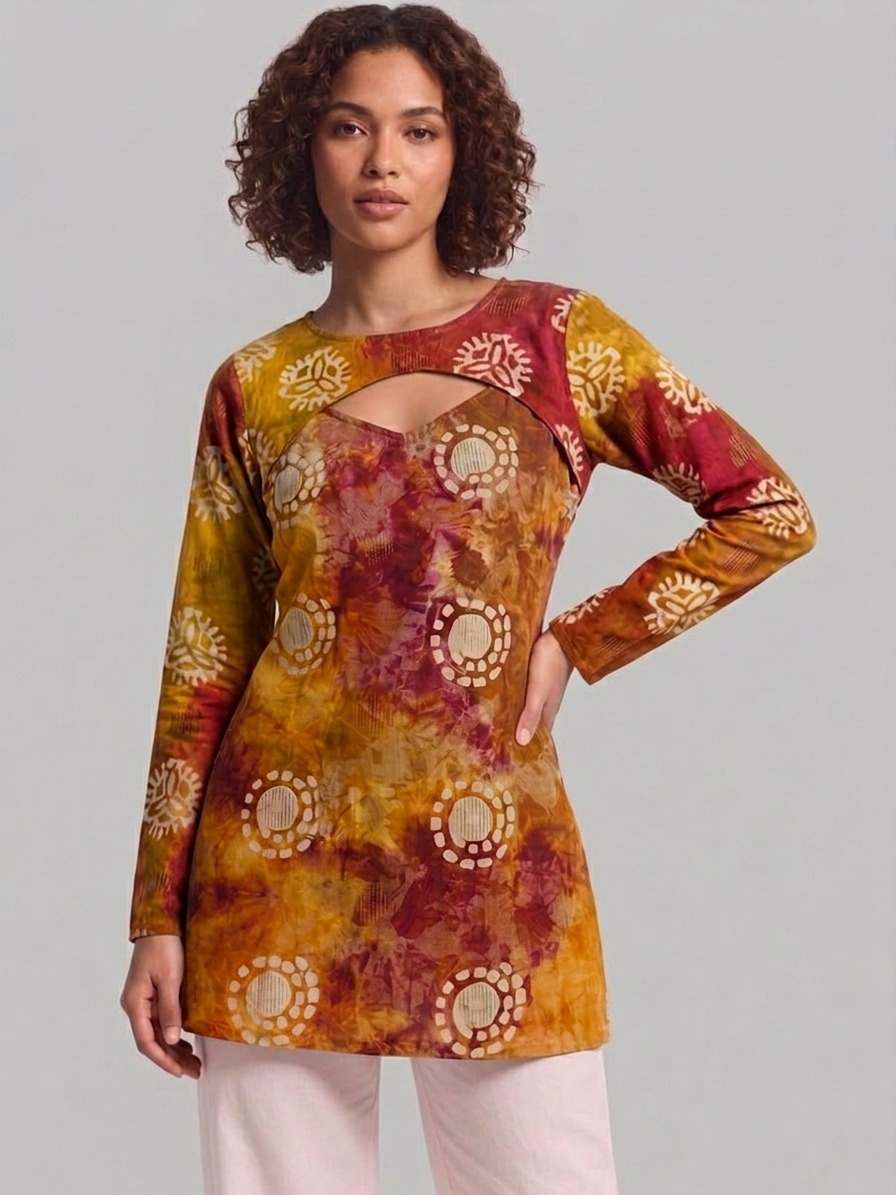
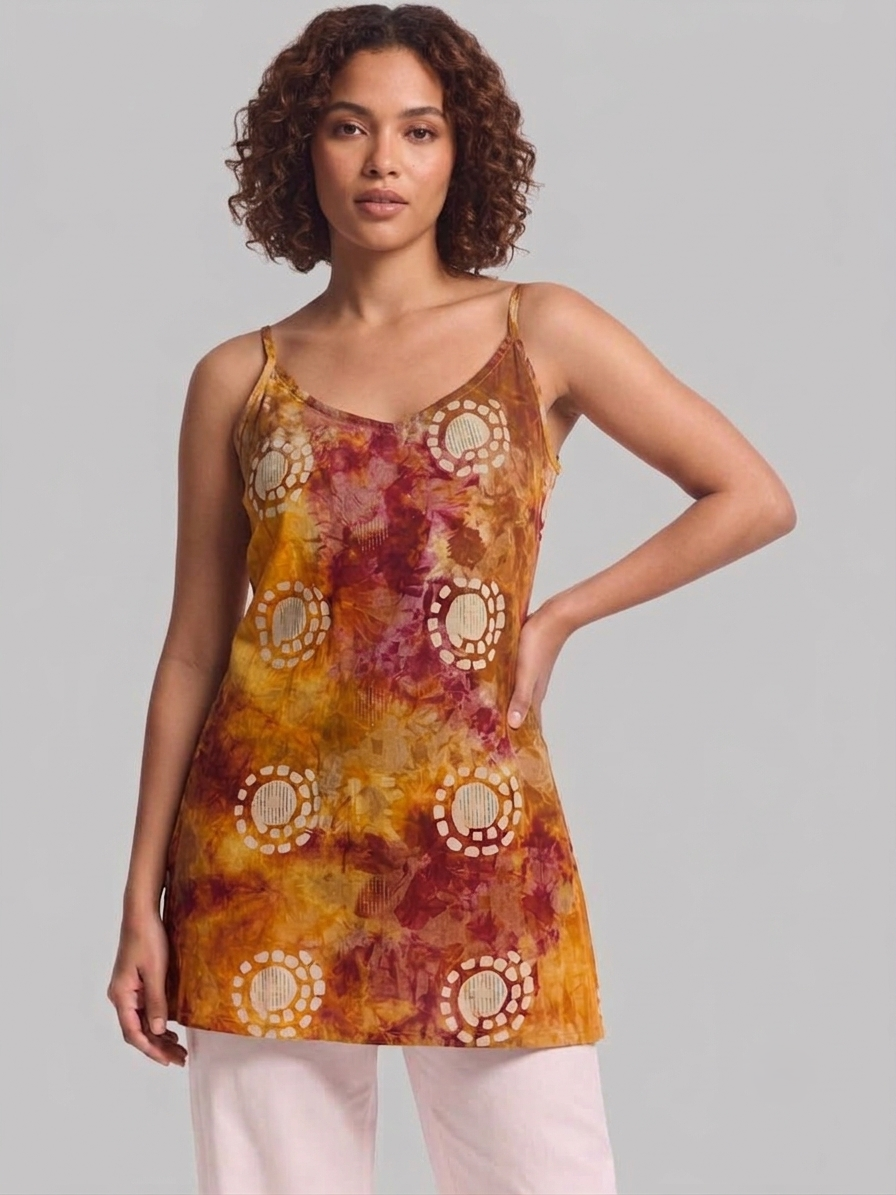
DUNGRANI HANDCRAFTED MUSTARD CC COIN 2 IN 1 BATIK DRESS
Sale price₹ 1,199
Regular price₹ 2,990
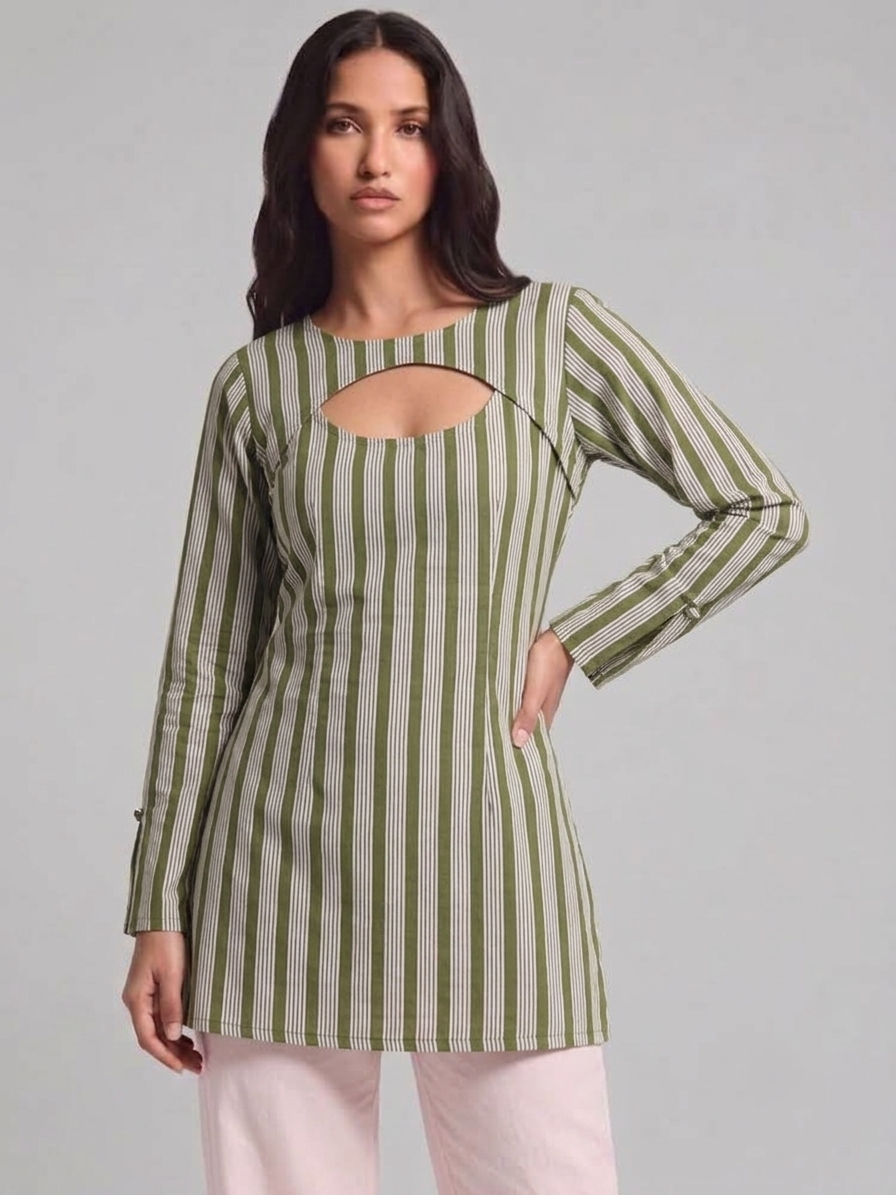
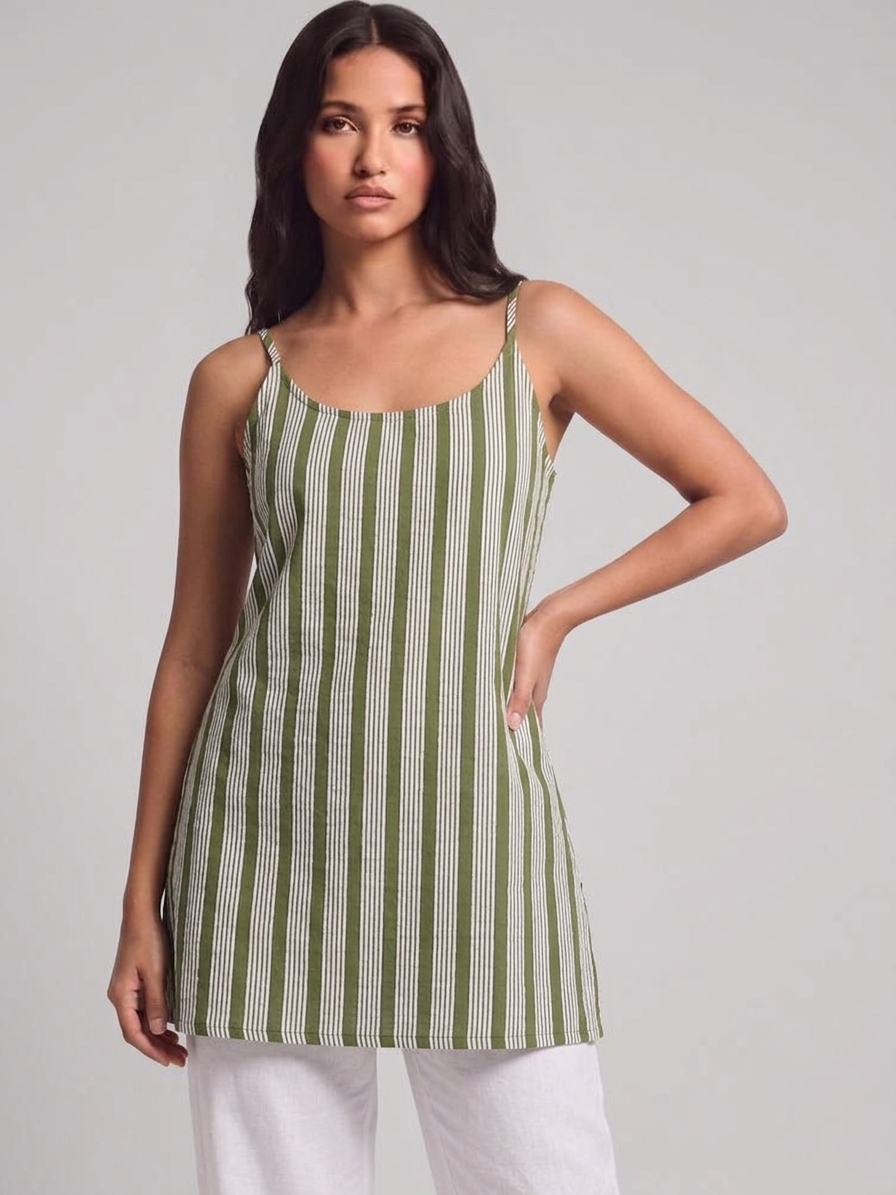
DUNGRANI HANDCRAFTED GREEN CC COIN 2 IN 1 BATIK DRESS
Sale price₹ 1,199
Regular price₹ 2,990
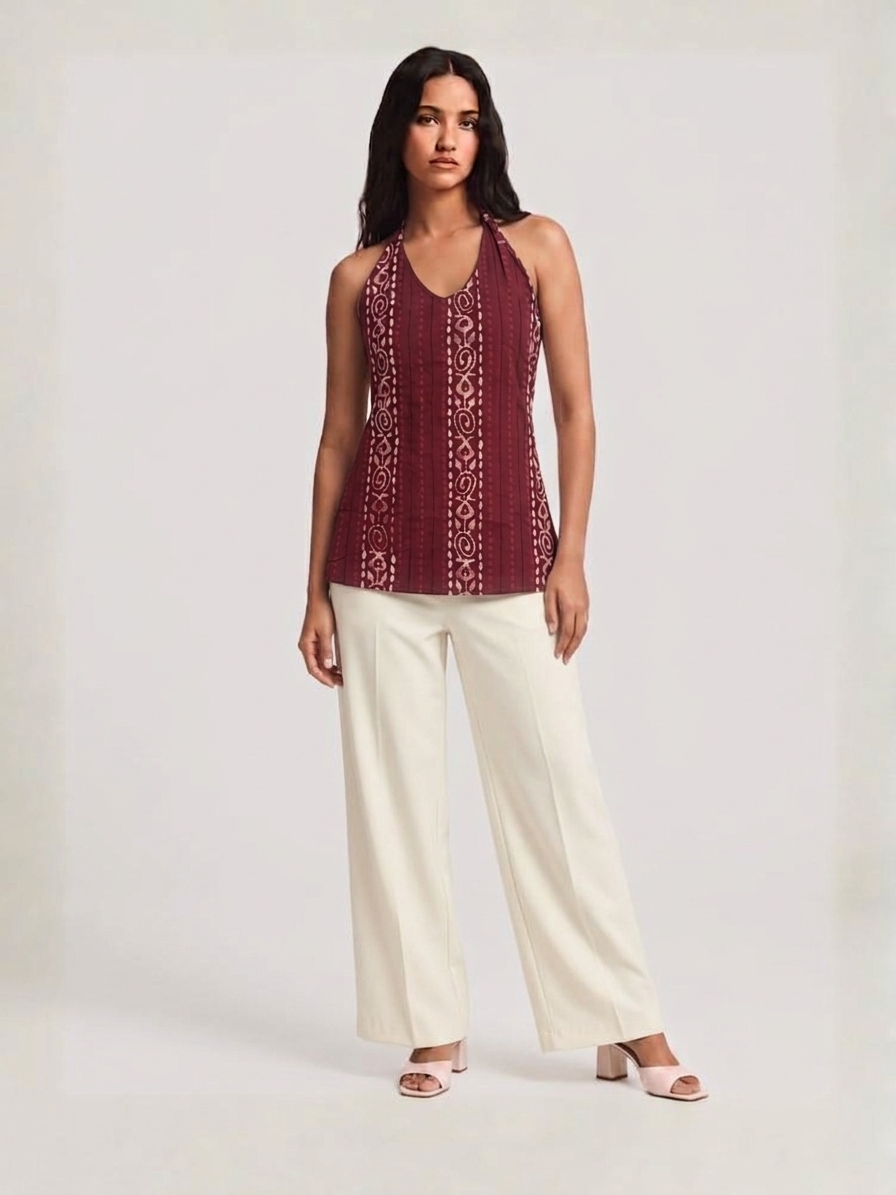
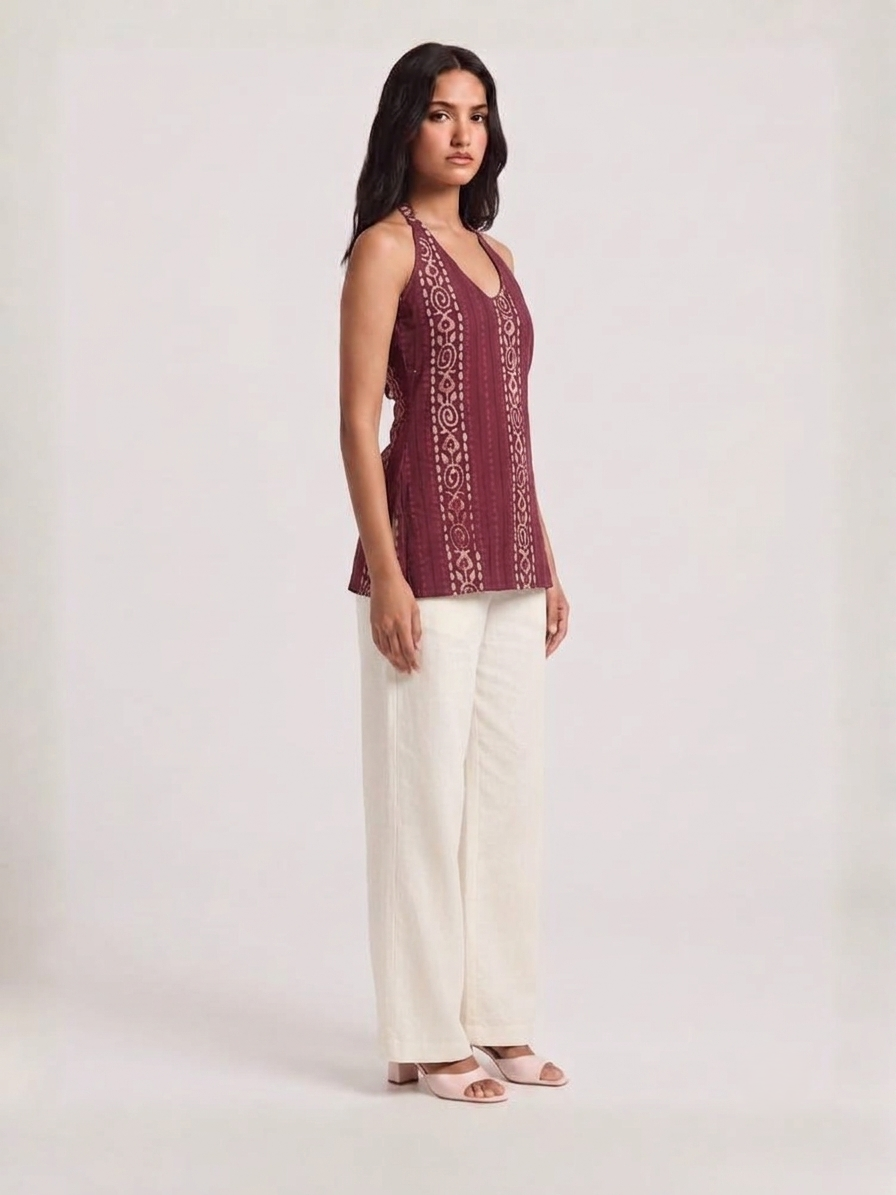
DUNGRANI HANDCRAFTED WINE COTTON COIN CHAIN BATIK DRESS
Sale price₹ 999
Regular price₹ 2,990


DUNGRANI HANDCRAFTED PISTA COTTON FOIL PRINTED DRESS
Sale price₹ 999
Regular price₹ 2,990


DUNGRANI TURQUOISE COTTON SILK SOLID DRESS
Sale price₹ 999
Regular price₹ 2,990


DUNGRANI HANDCRAFTED BLUE CC COIN JACQUARD BATIK DRESS
Sale price₹ 999
Regular price₹ 2,990
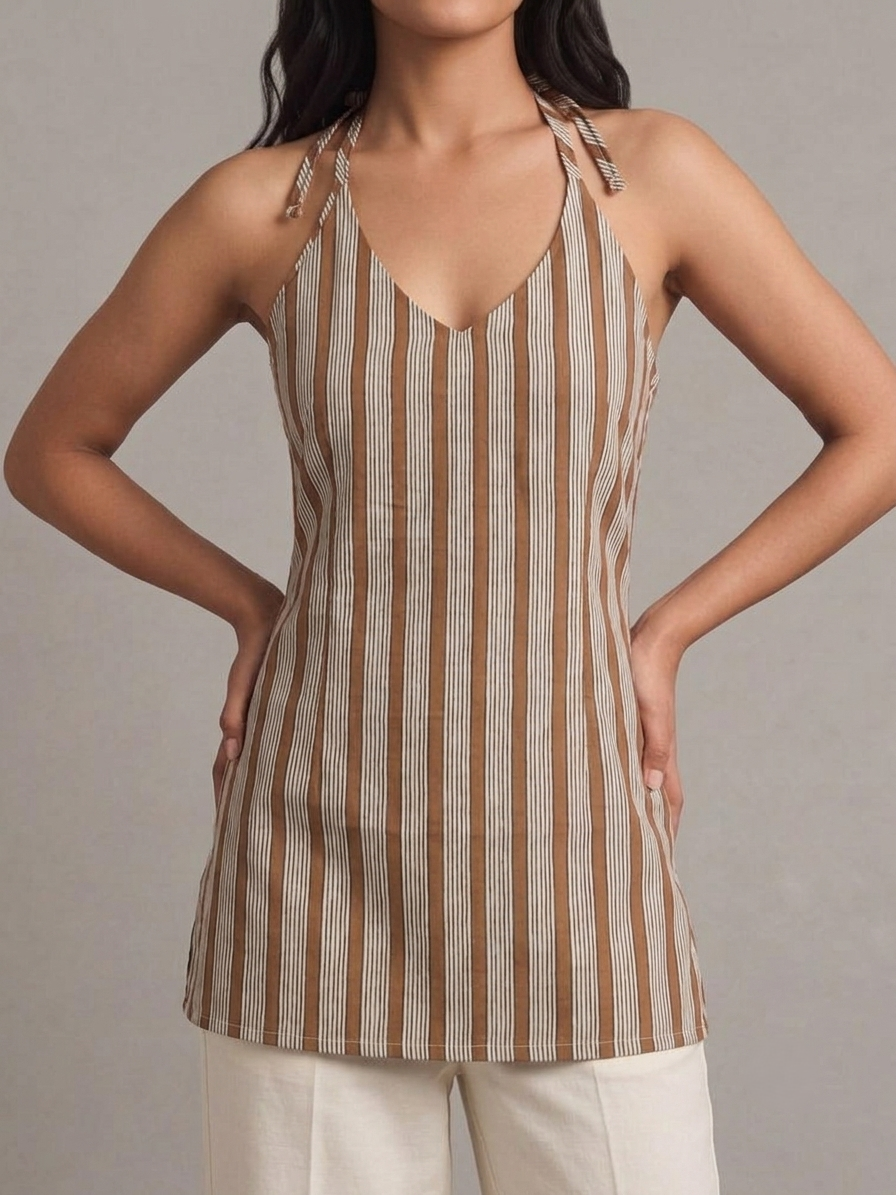
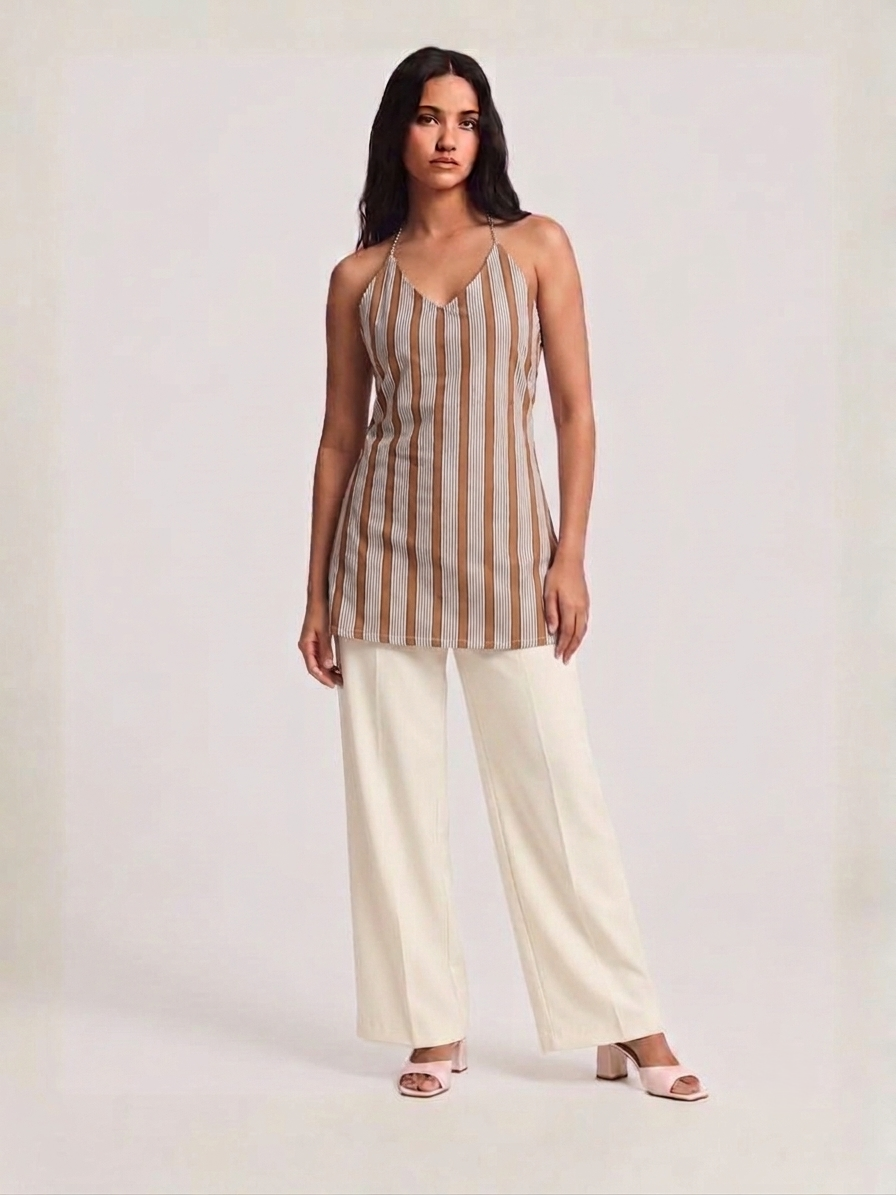
DUNGRANI HANDCRAFTED COFFEE COTTON SRTIPED PRINT DRESS
Sale price₹ 999
Regular price₹ 2,990
WHITE LIVA VISCOSE MULMUL COTTON HAND EMBROIDERED DRESS
Sale price₹ 2,190
Regular price₹ 4,490
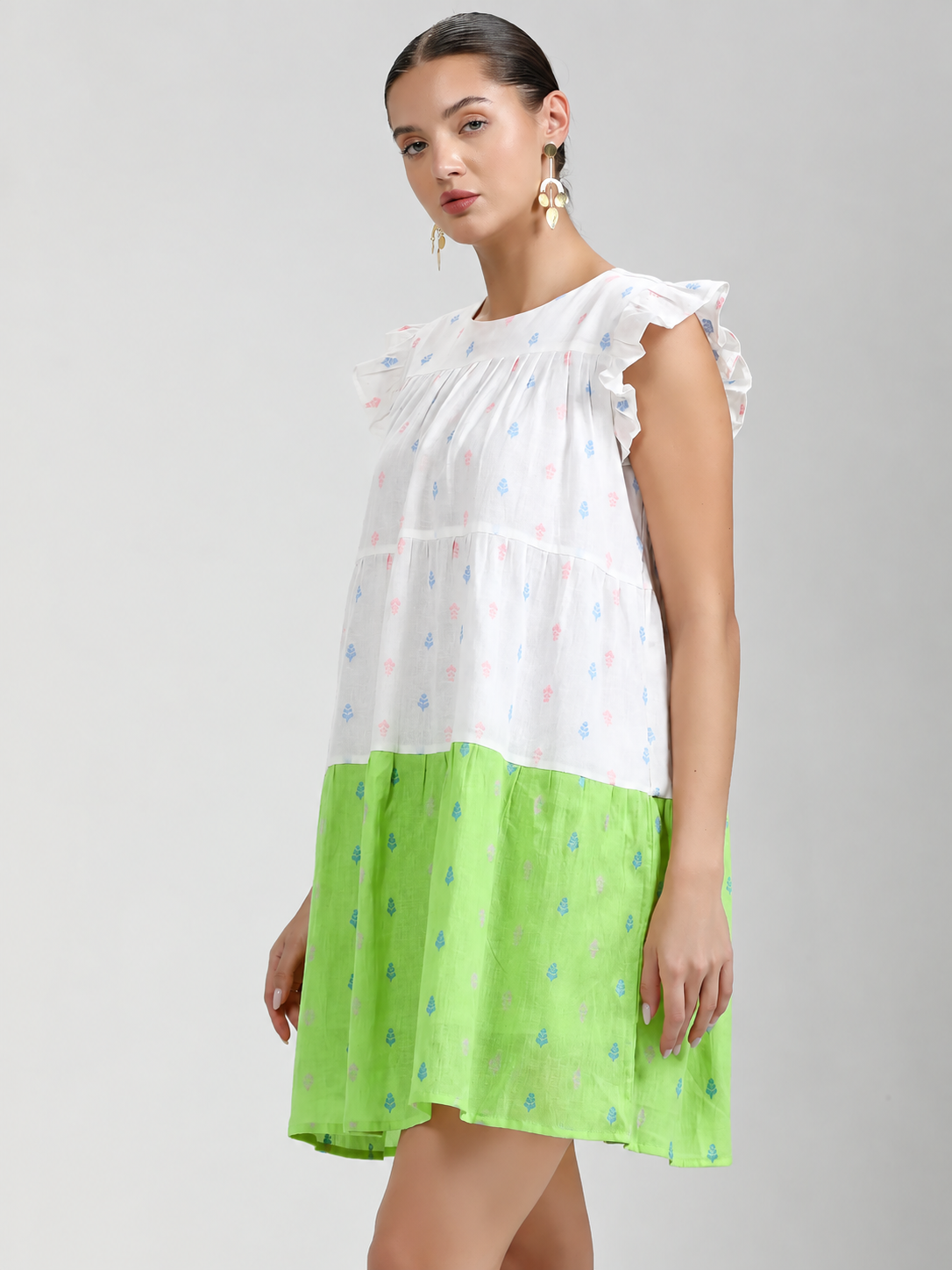
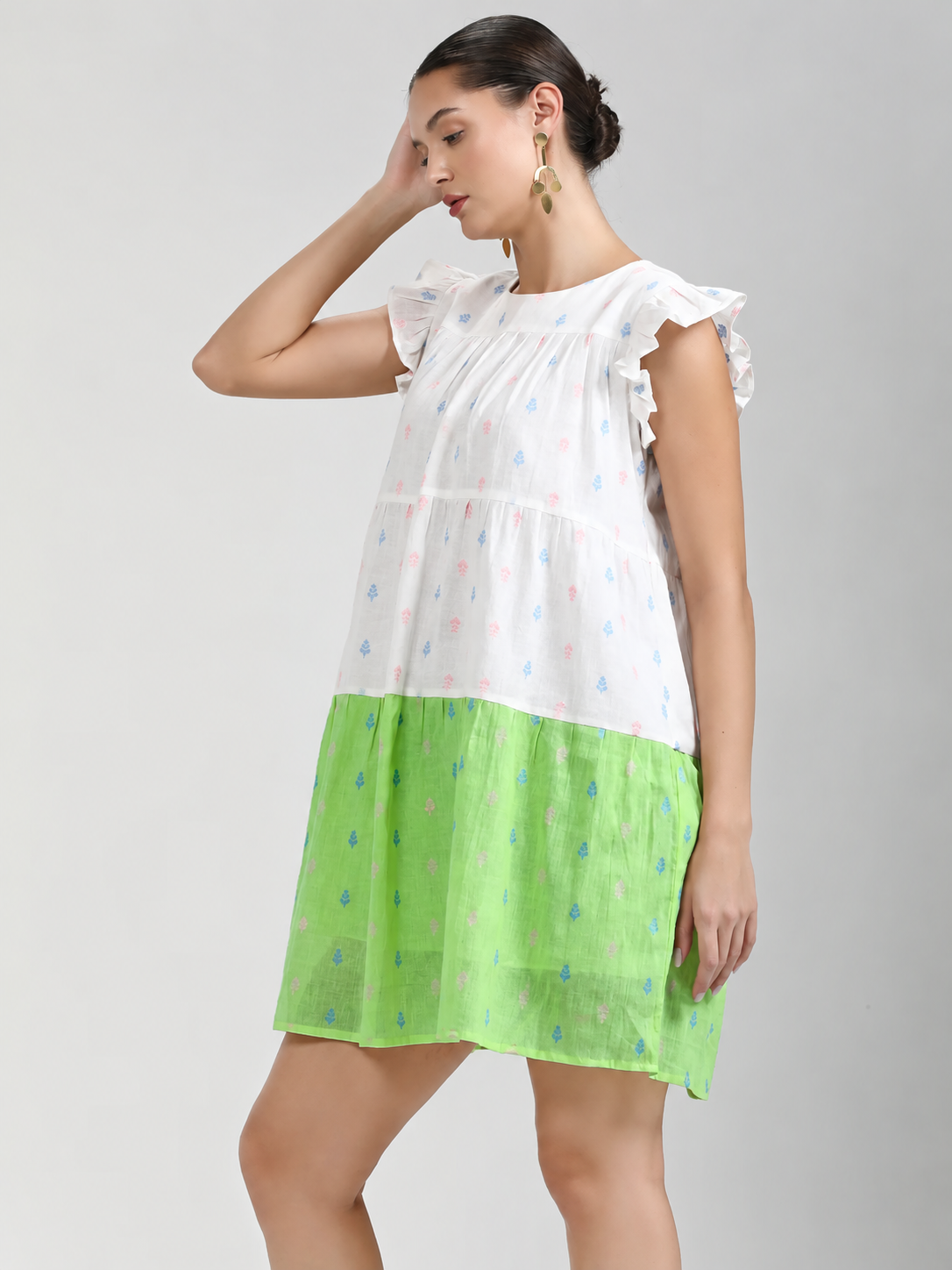
GREEN WHITE COTTON CANDY LEAF ONE PCS DRESS
Sale price₹ 1,390
Regular price₹ 2,490
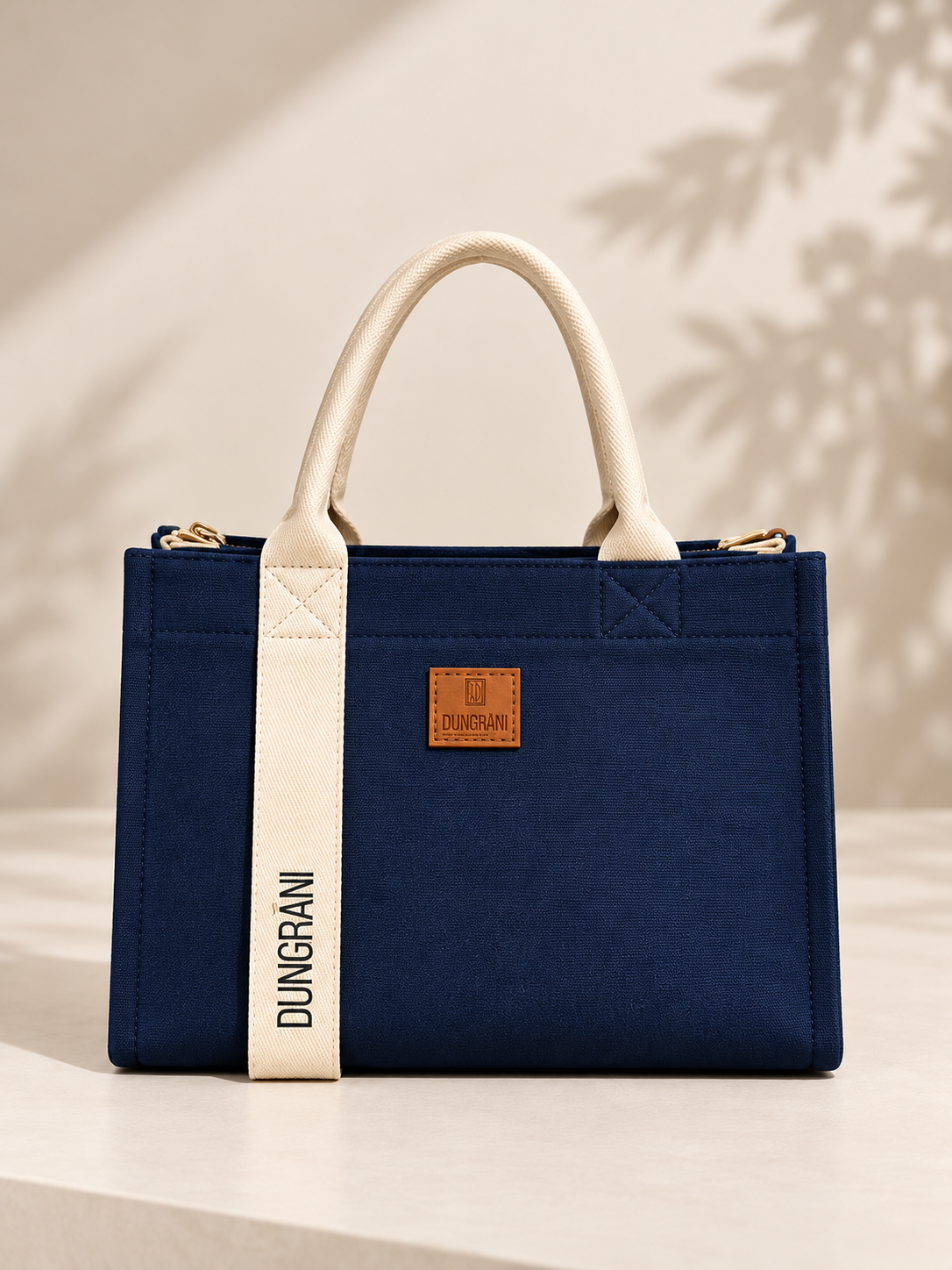
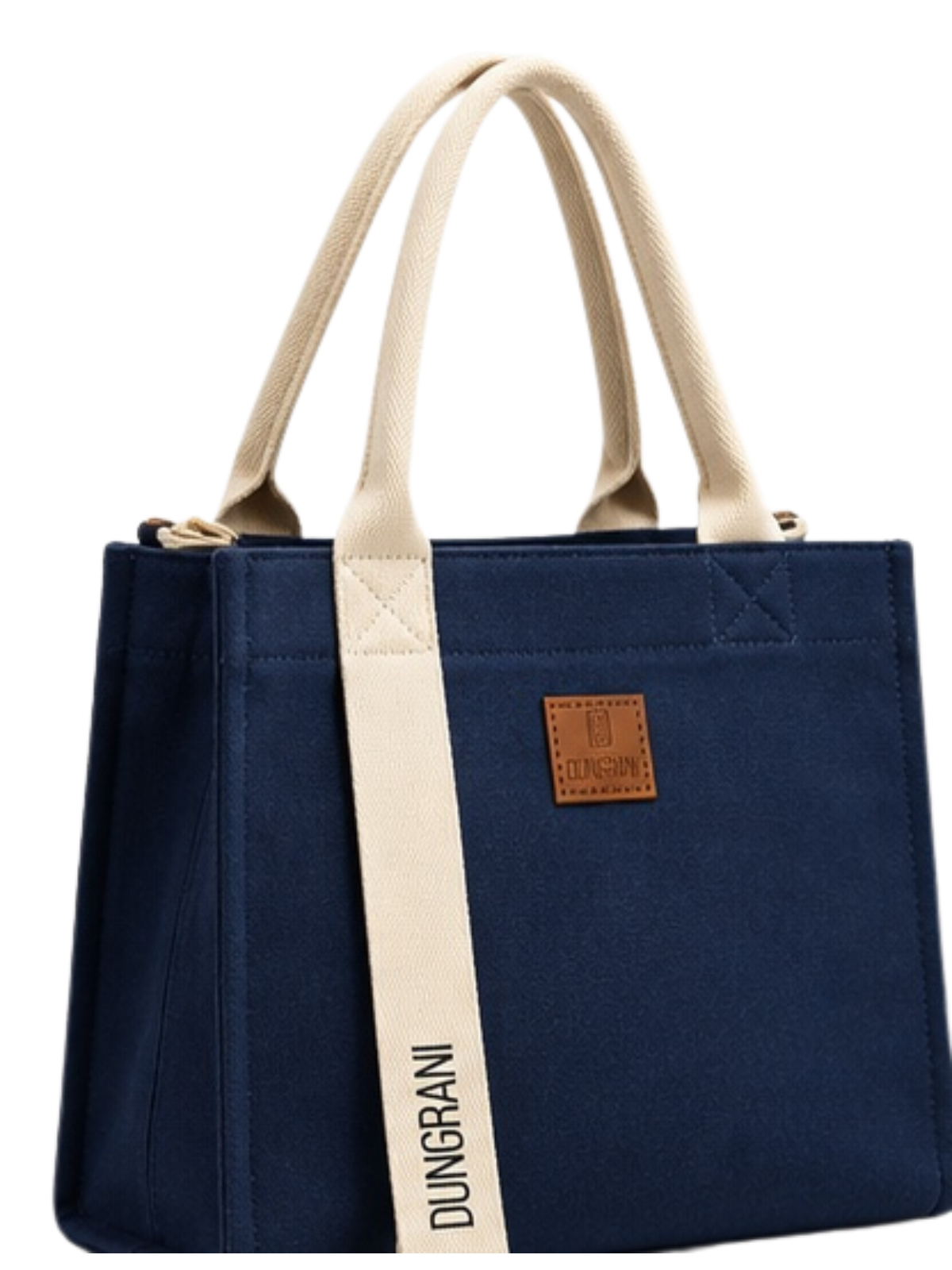
NAVY BLUE MIDIUM SQUAR TOTE BAG
Sale price₹ 1,550
Regular price₹ 2,490
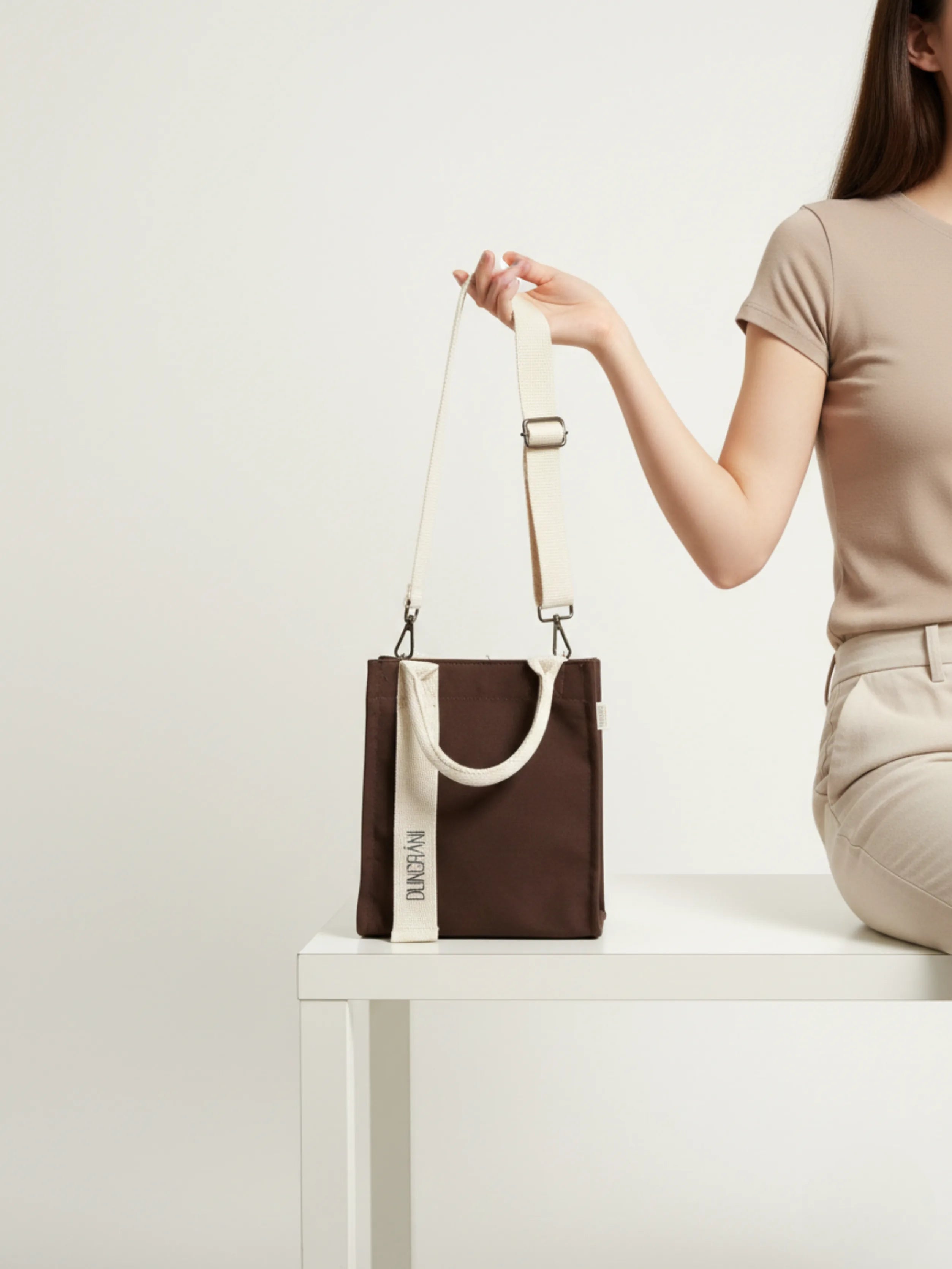

RICH BROWN MINI SQUARE TOTE BAG
Sale price₹ 1,250
Regular price₹ 2,490
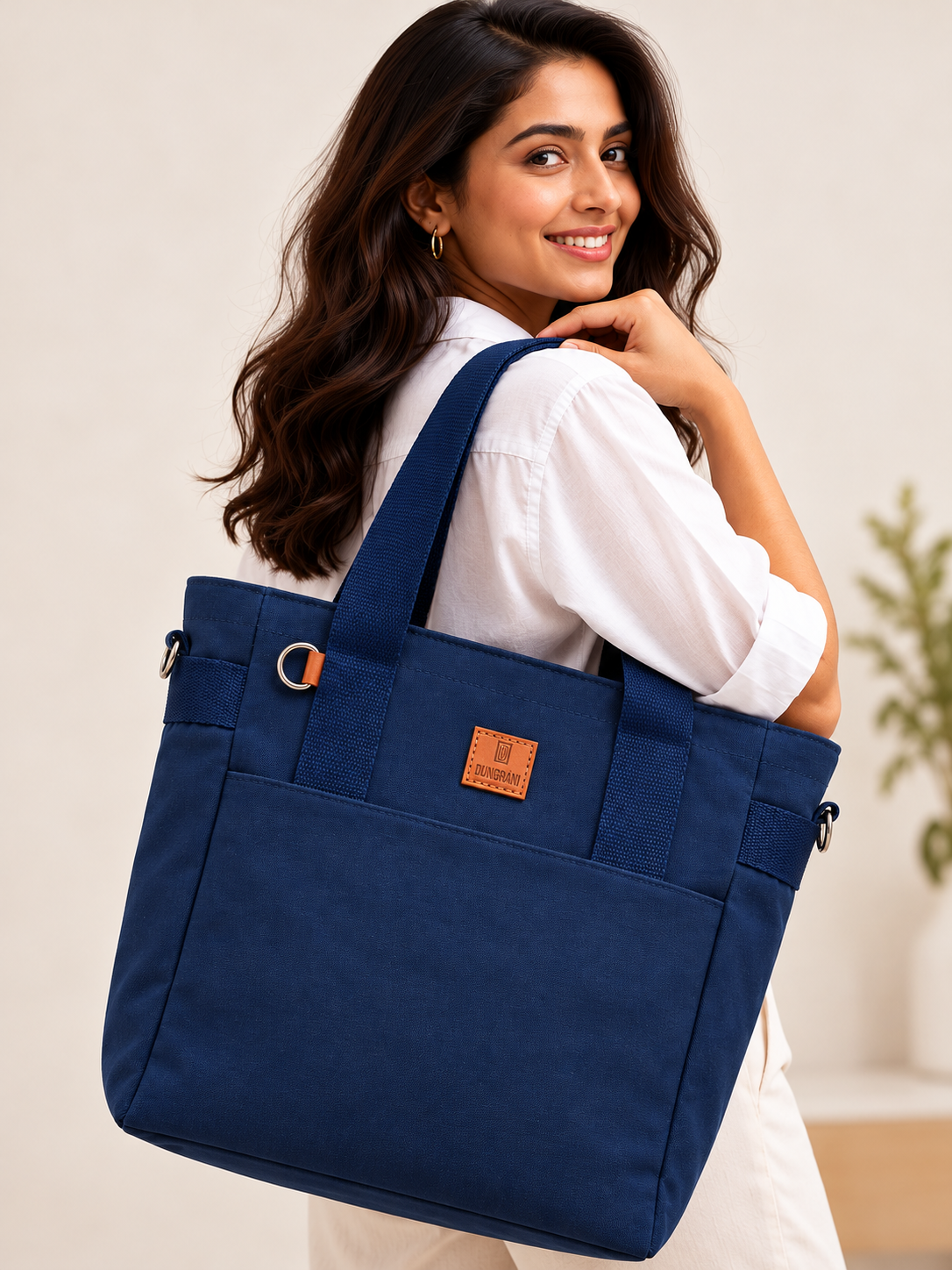
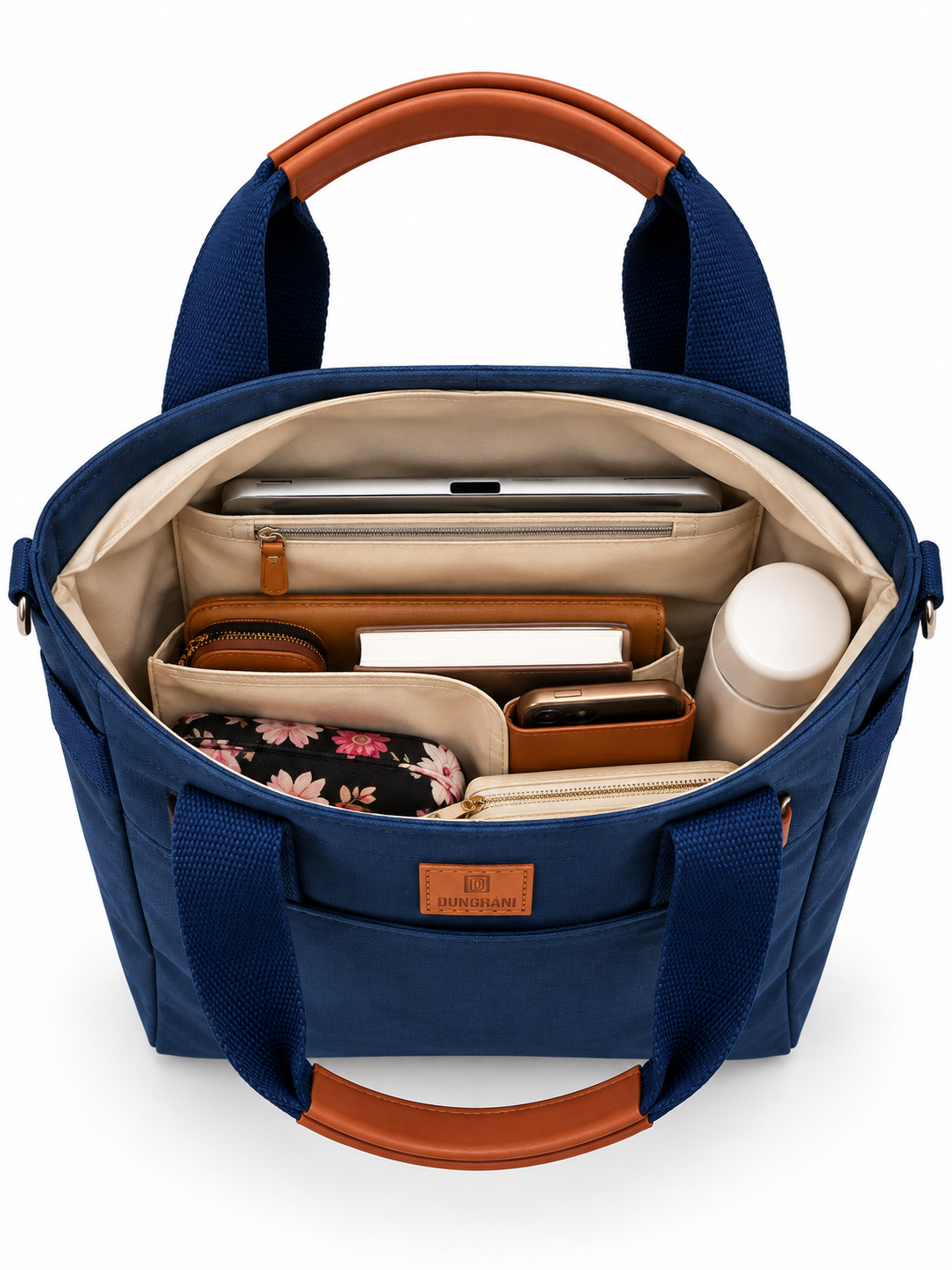
NAVY BLUE UNISEX LARGE CANVAS TOTE BAG
Sale price₹ 2,550
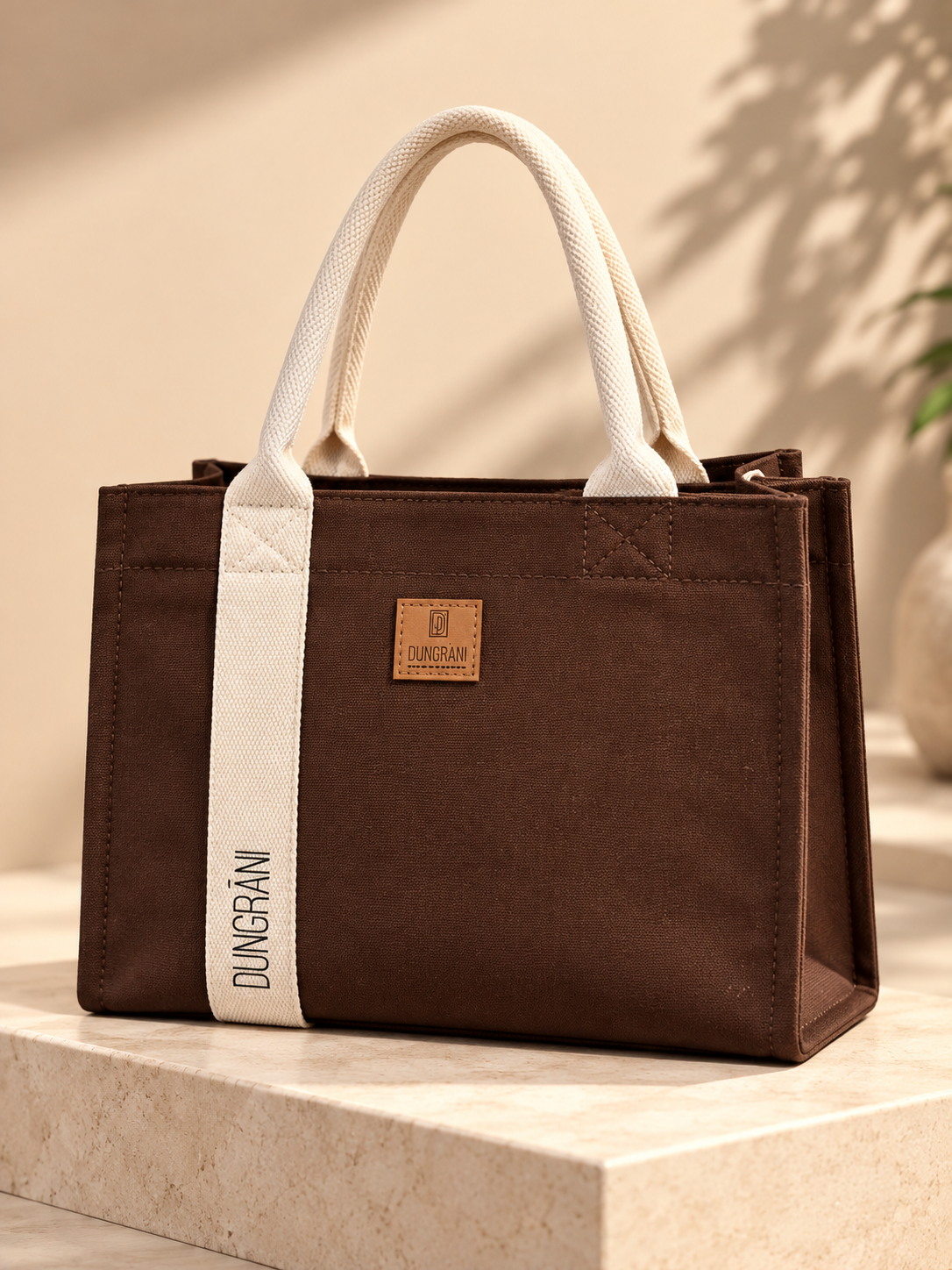
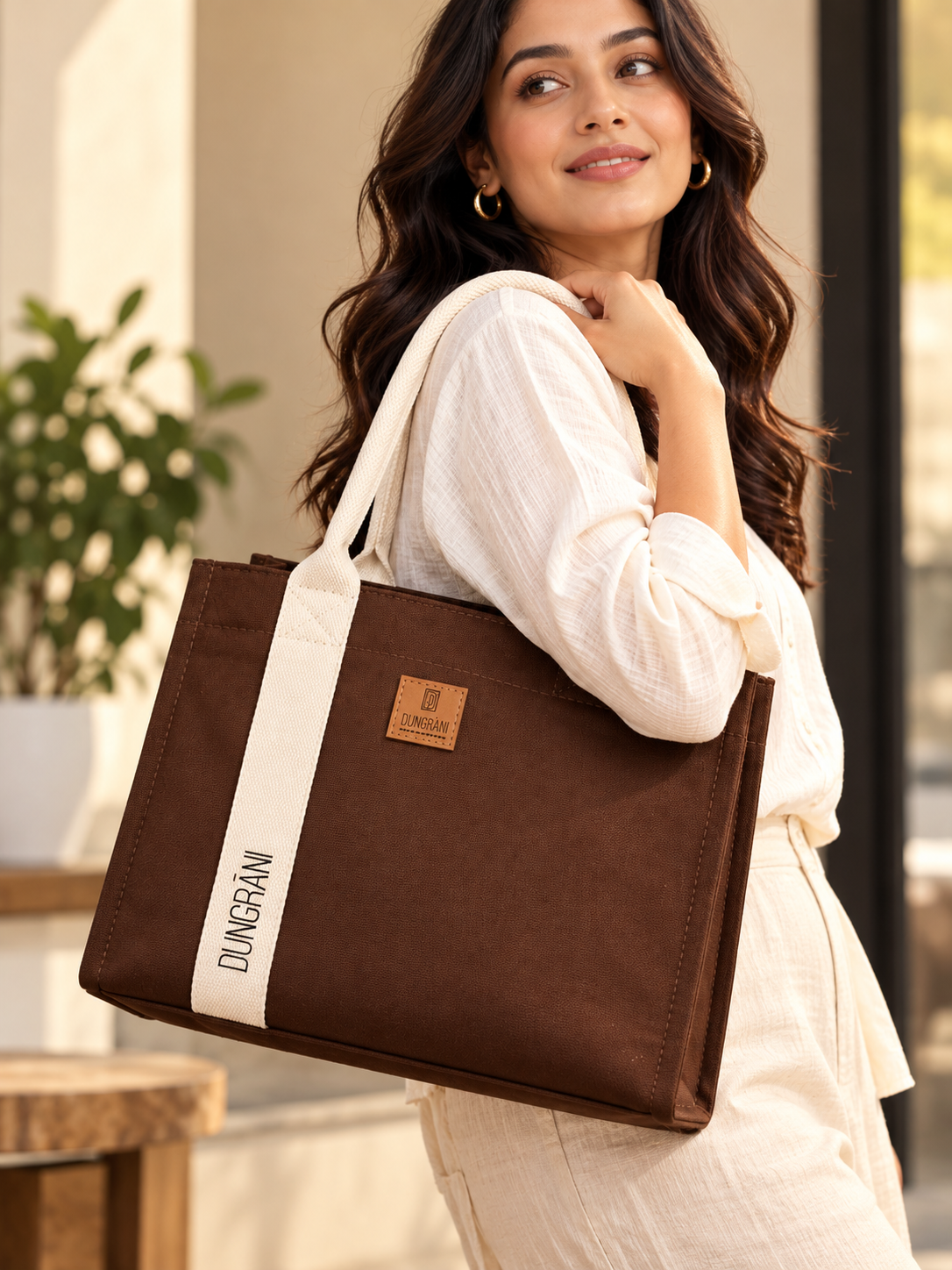
BROWN MIDIUM SQUAR TOTE BAG
Sale price₹ 1,550
Regular price₹ 2,490
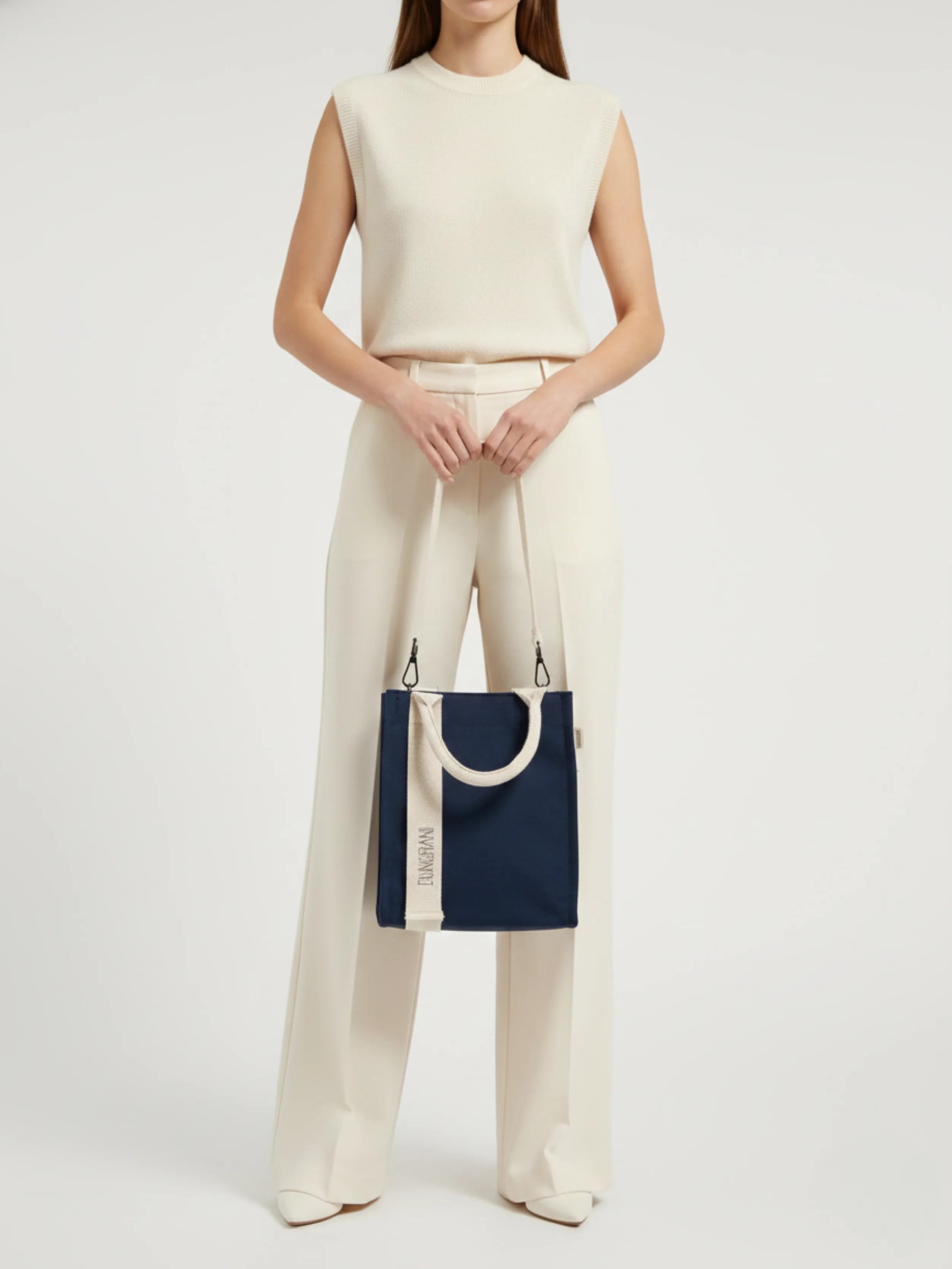
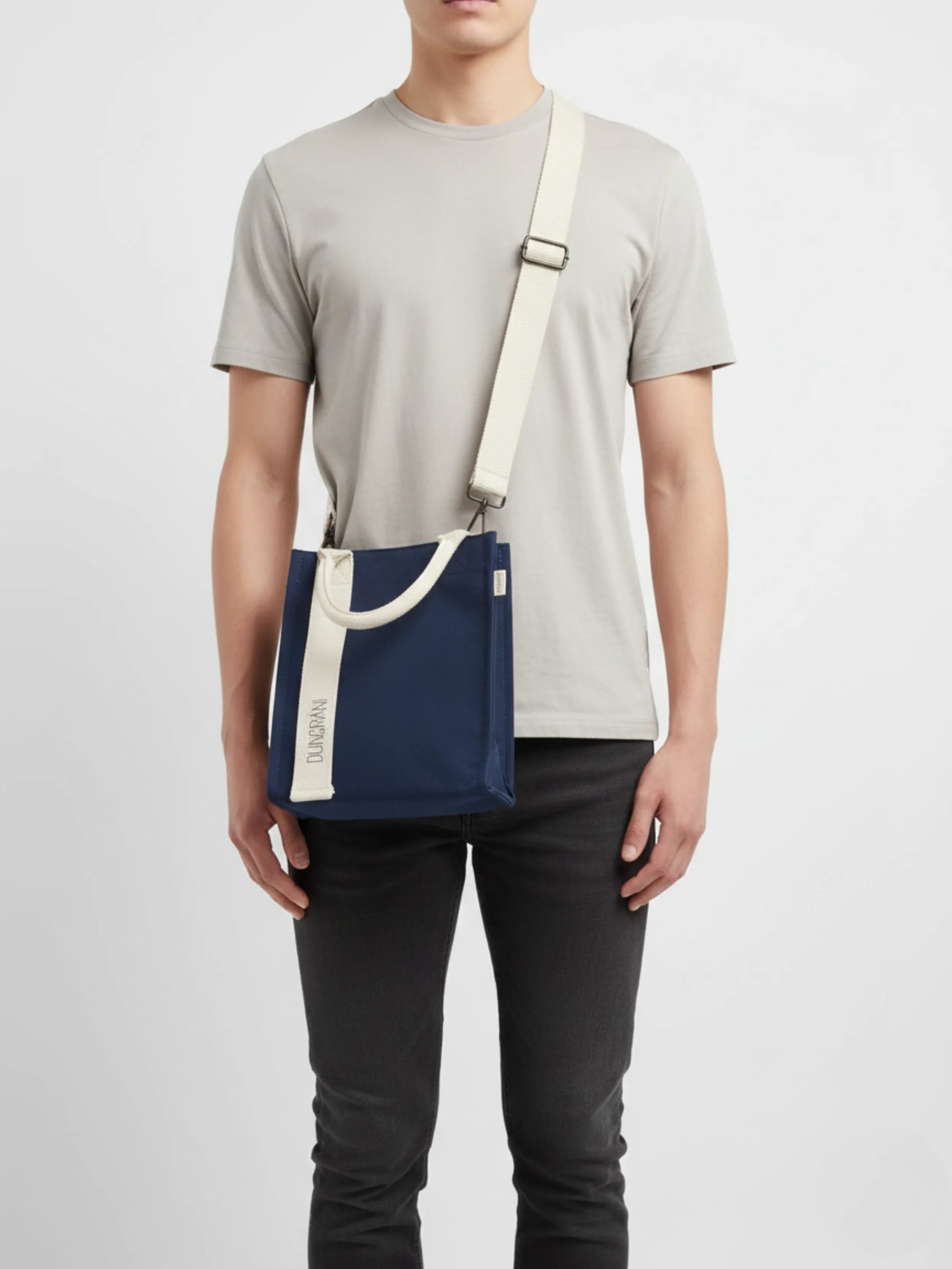
NAVY BLUE MINI SQUARE TOTE BAG
Sale price₹ 1,250
Regular price₹ 2,490
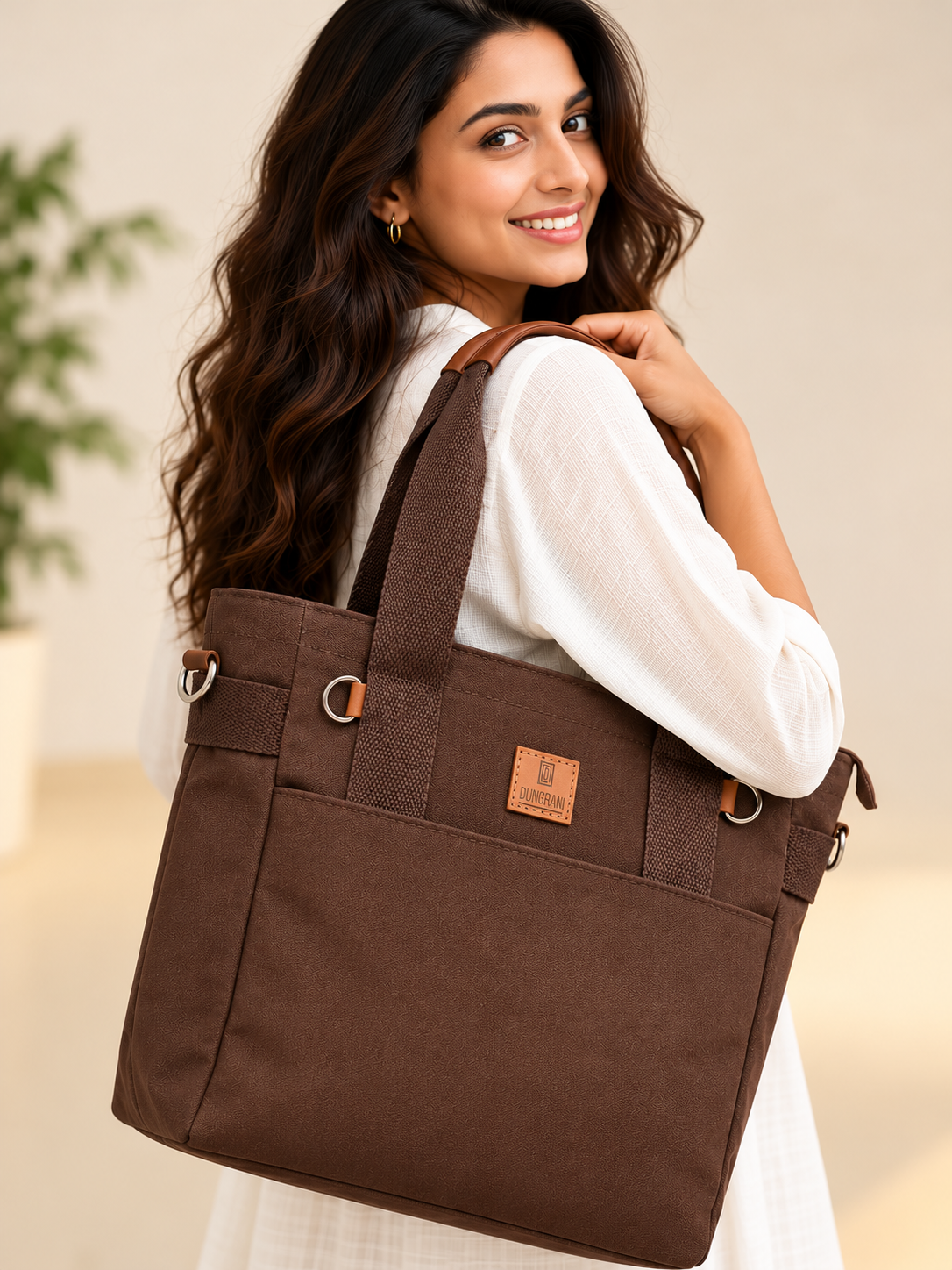
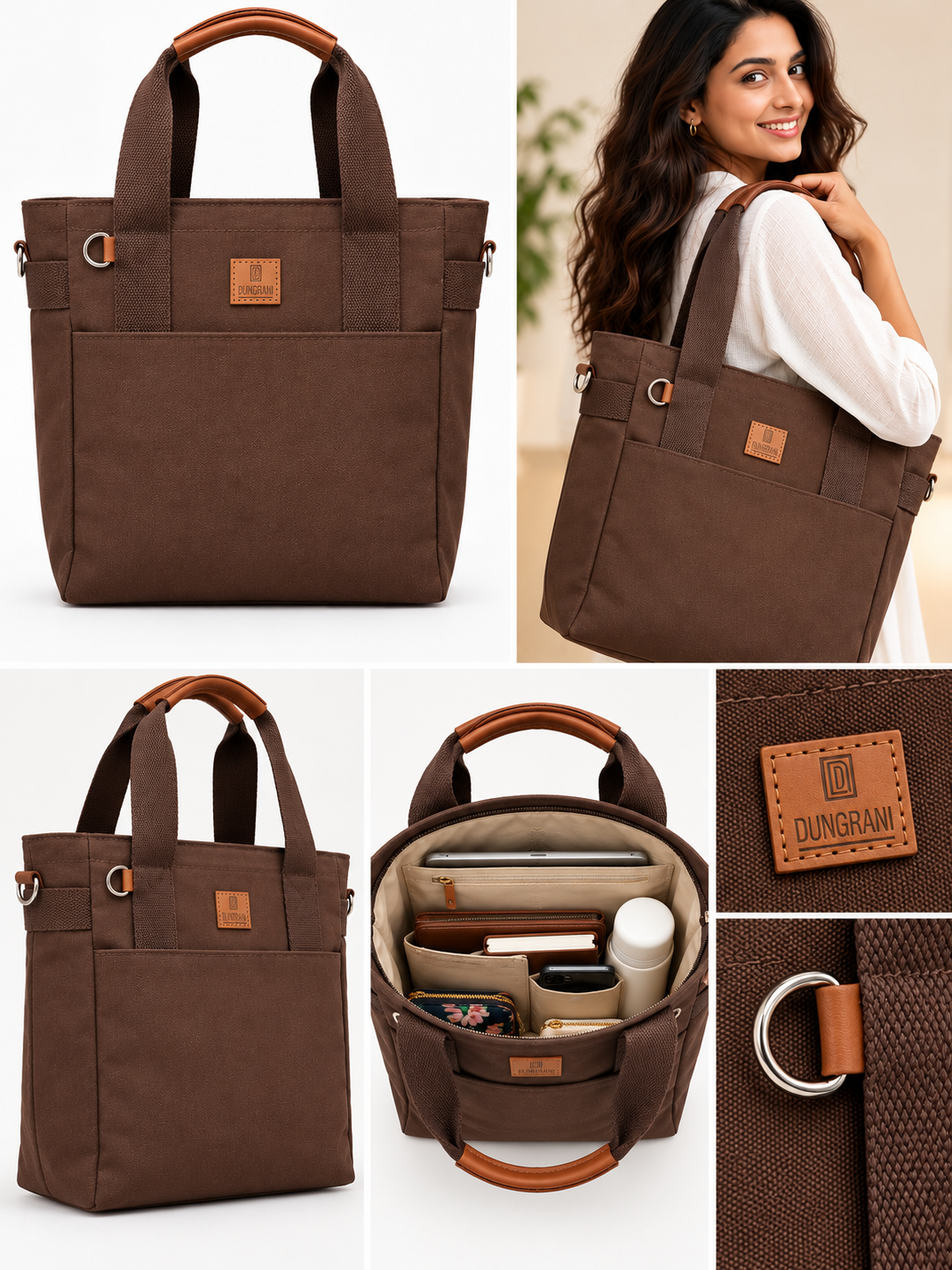
BROWN UNISEX LARGE CANVAS TOTE BAG
Sale price₹ 2,550
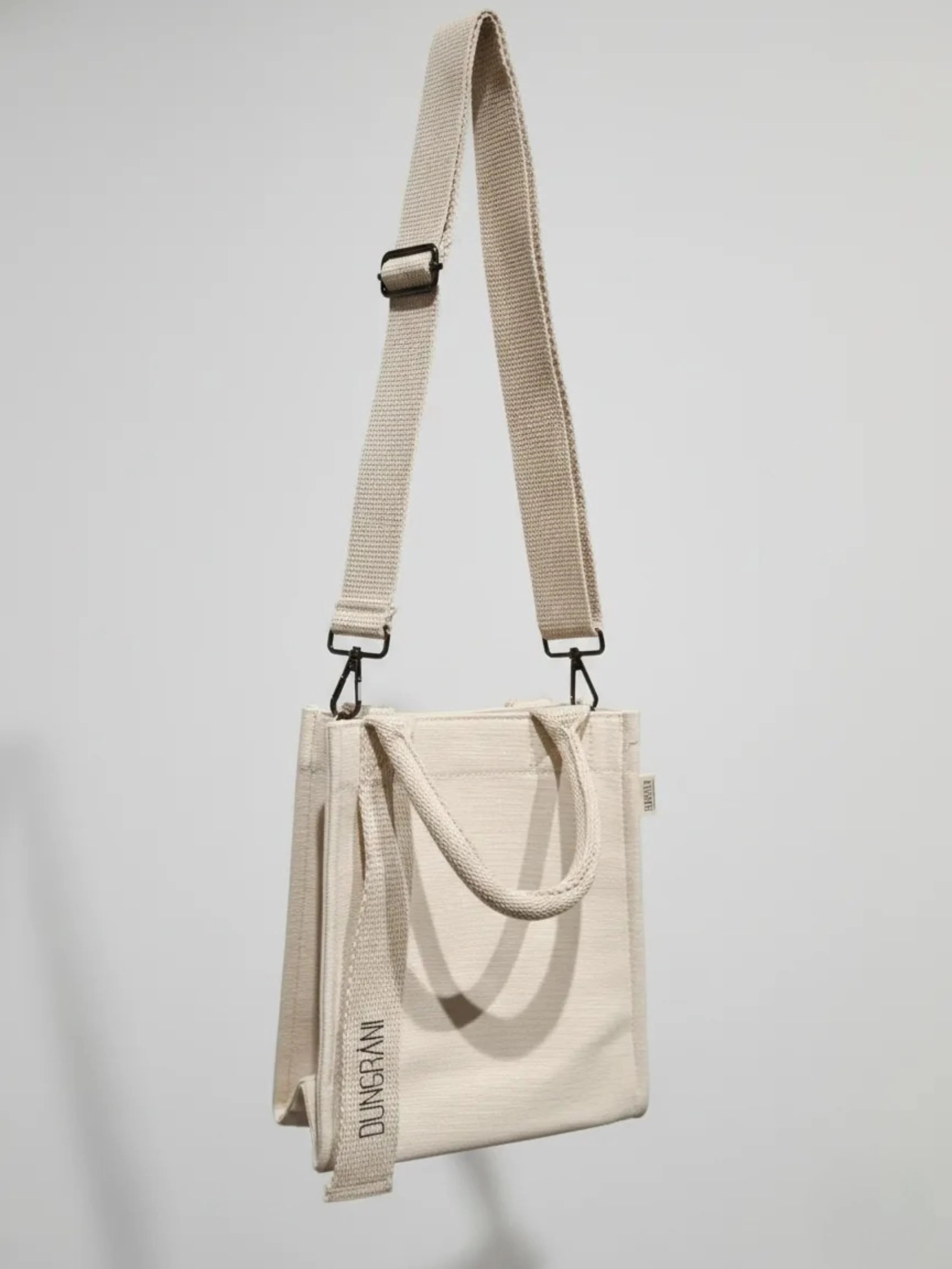
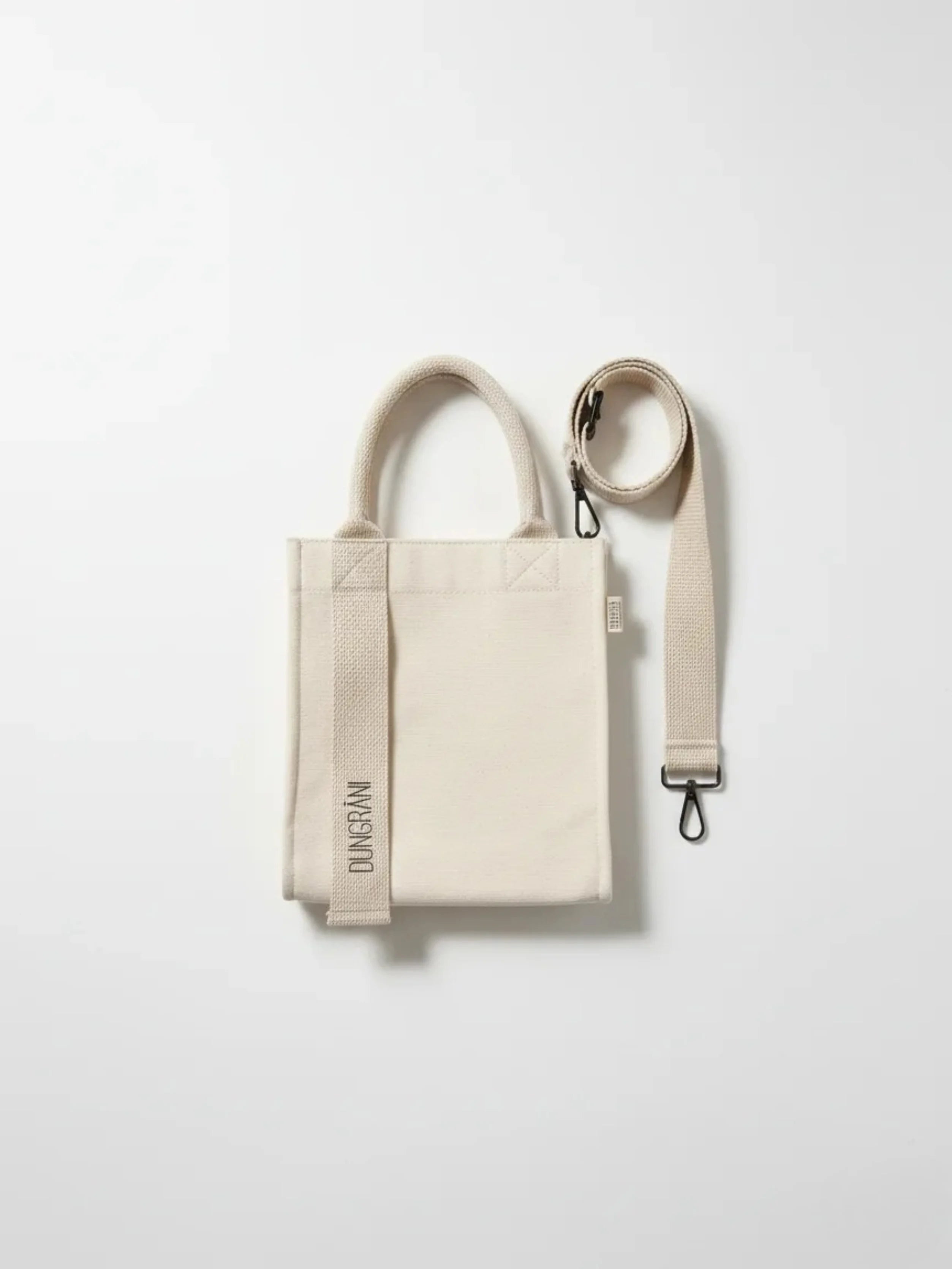
NATURAL BEIGE MINI SQUARE TOTE BAG
Sale price₹ 1,250
Regular price₹ 2,490


NAVY BLUE LARGE CLASSIC CANVAS TOTE BAG
Sale price₹ 2,250
Regular price₹ 4,490
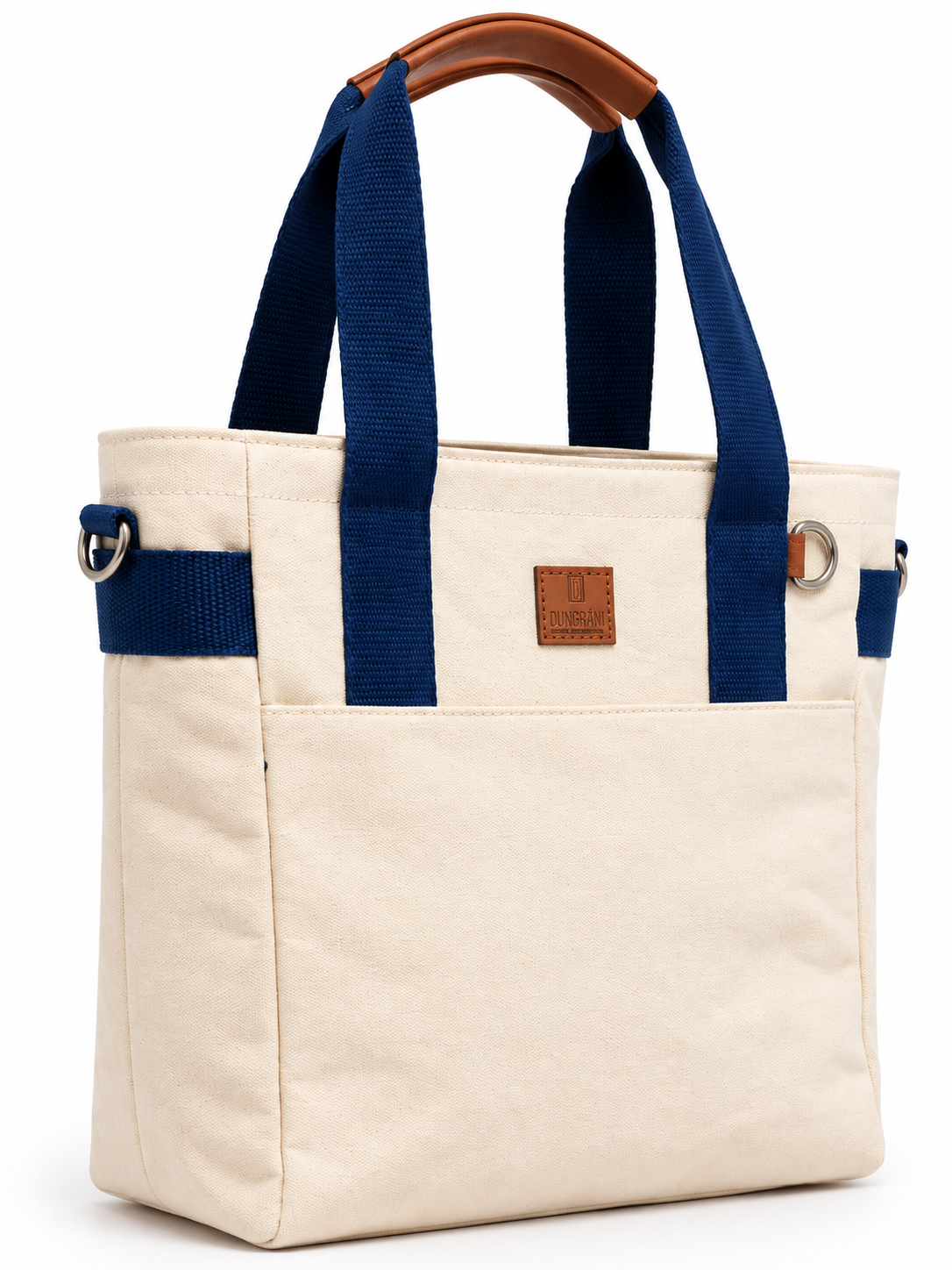
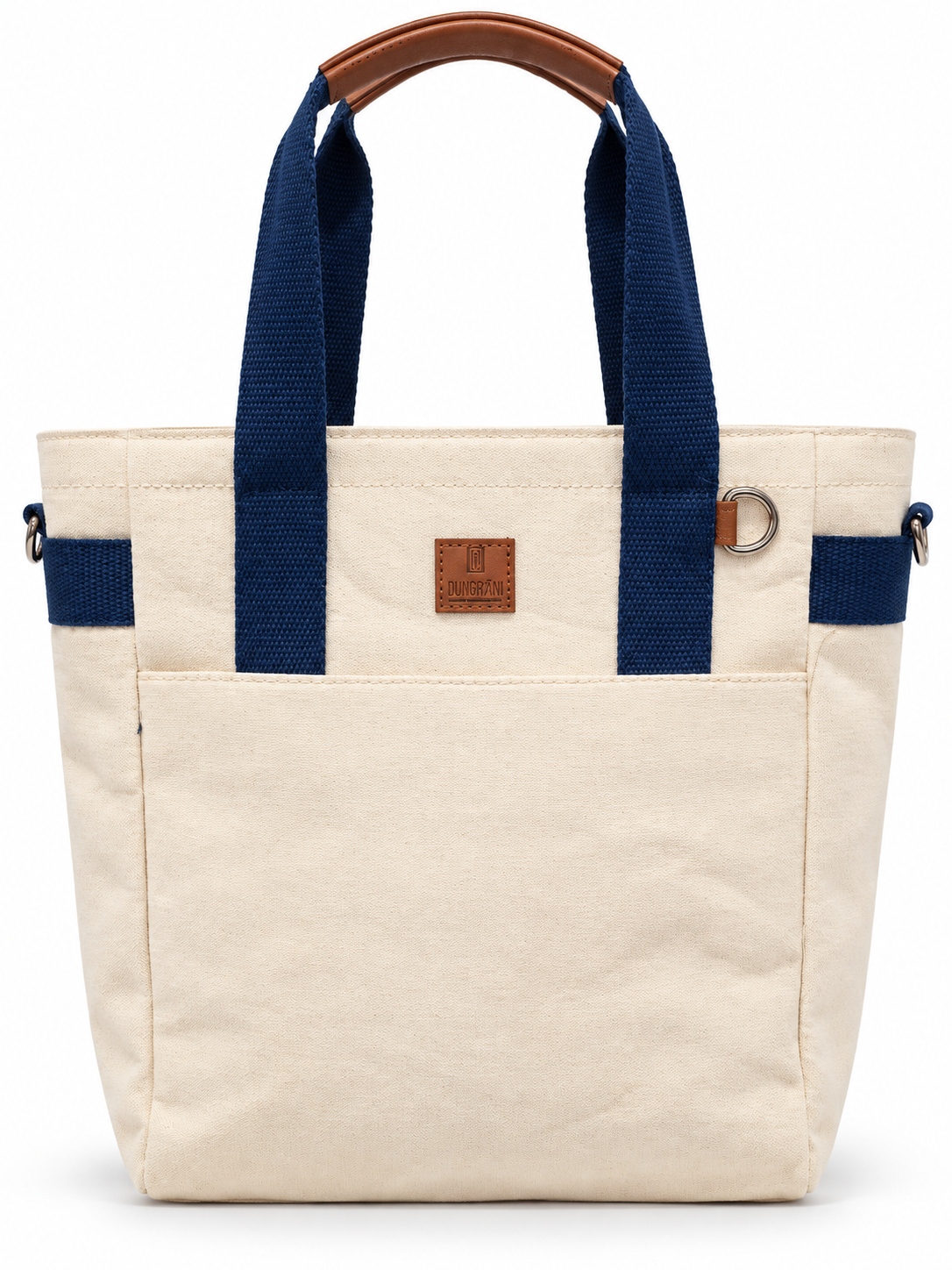
NATURAL BEIGE UNISEX LARGE CANVAS TOTE BAG
Sale price₹ 2,550


RICH BROWN LARGE CLASSIC CANVAS TOTE BAG
Sale price₹ 2,250
Regular price₹ 4,490
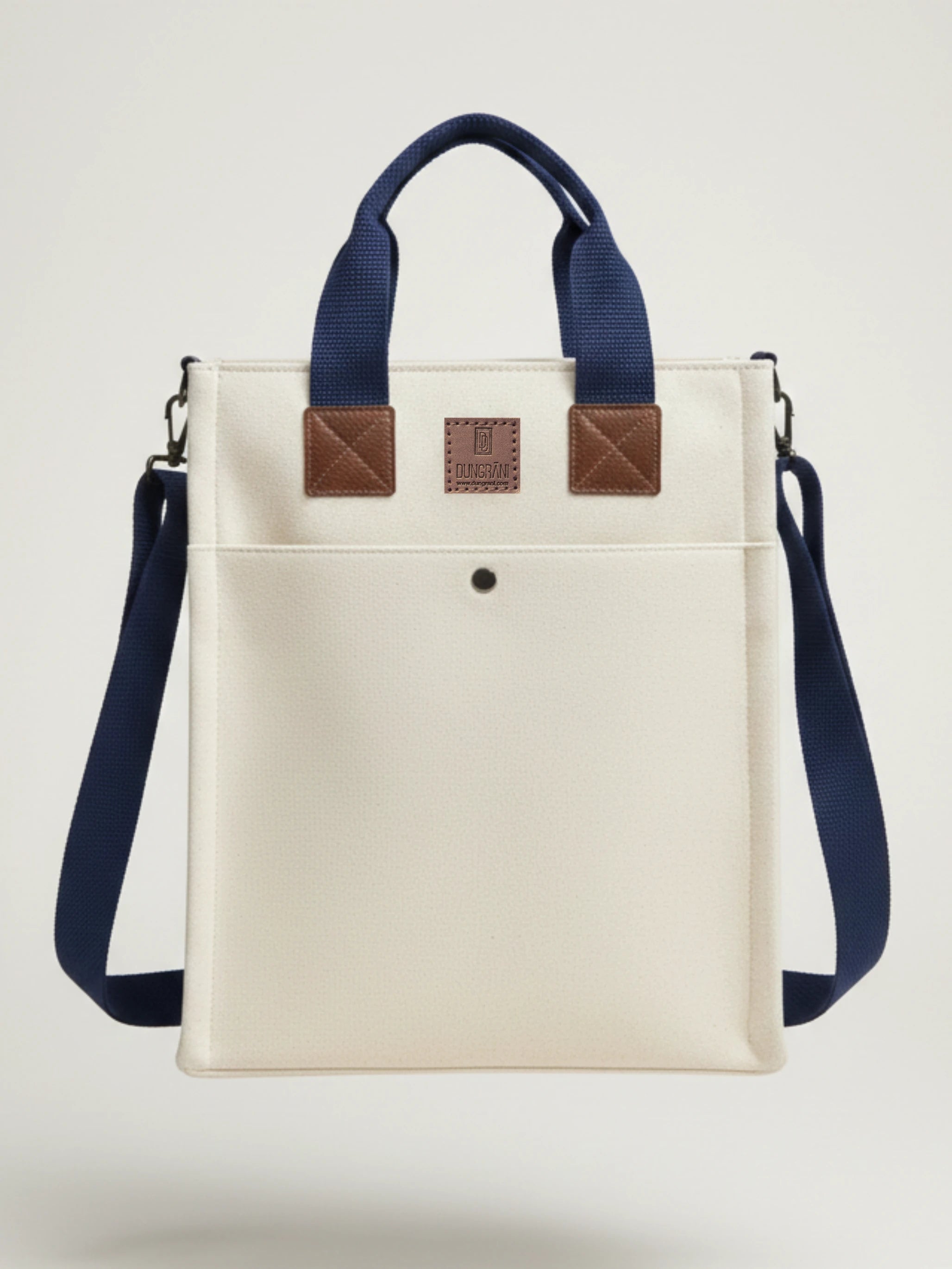
BEST DEAL
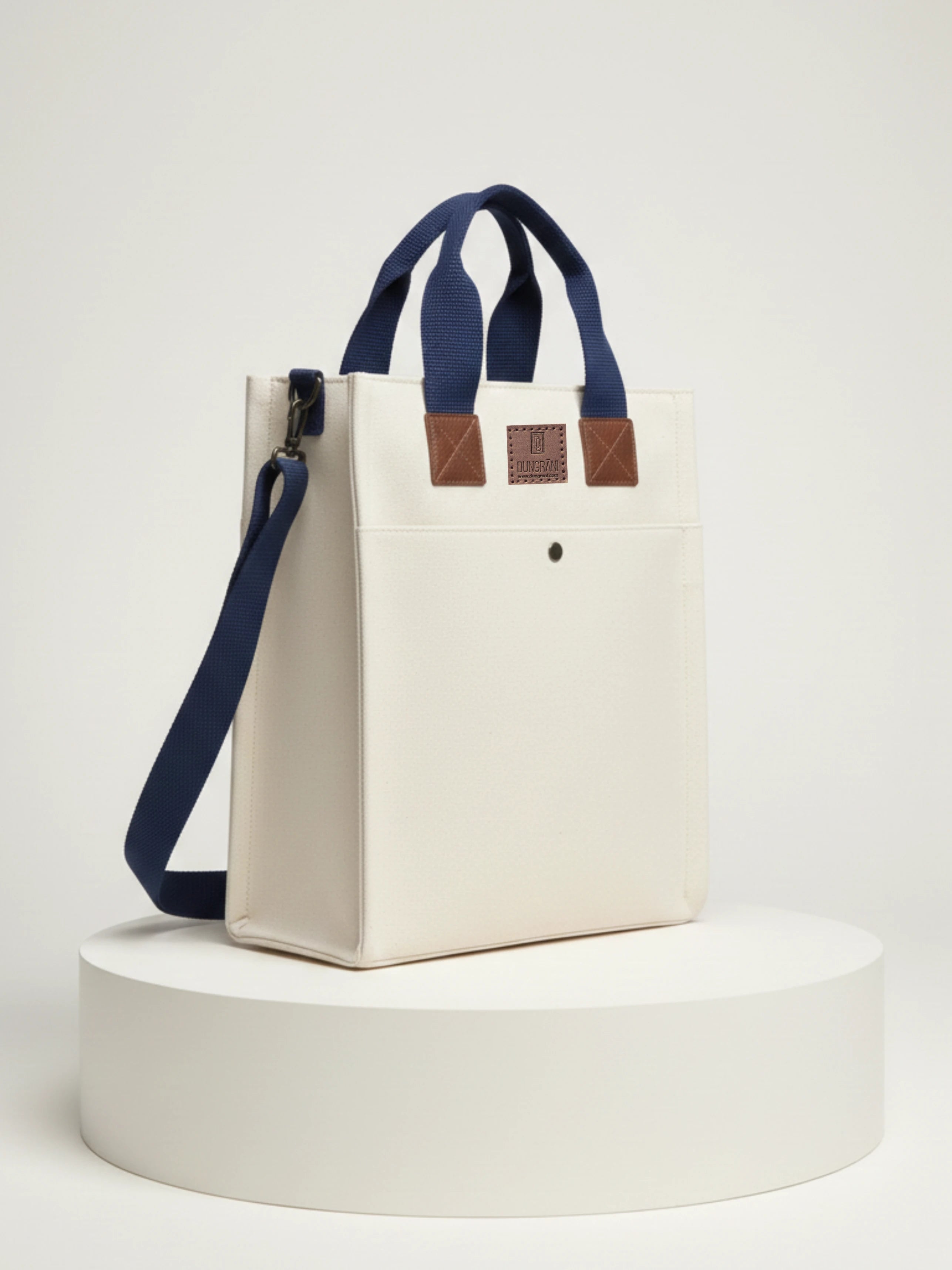
NATURAL BEIGE UNISEX CLASSIC CANVAS BAG
Sale price₹ 1,690
Regular price₹ 3,490


NAVY BLUE MINI CLASSIC CANVAS TOTE BAG
Sale price₹ 1,450
Regular price₹ 2,990
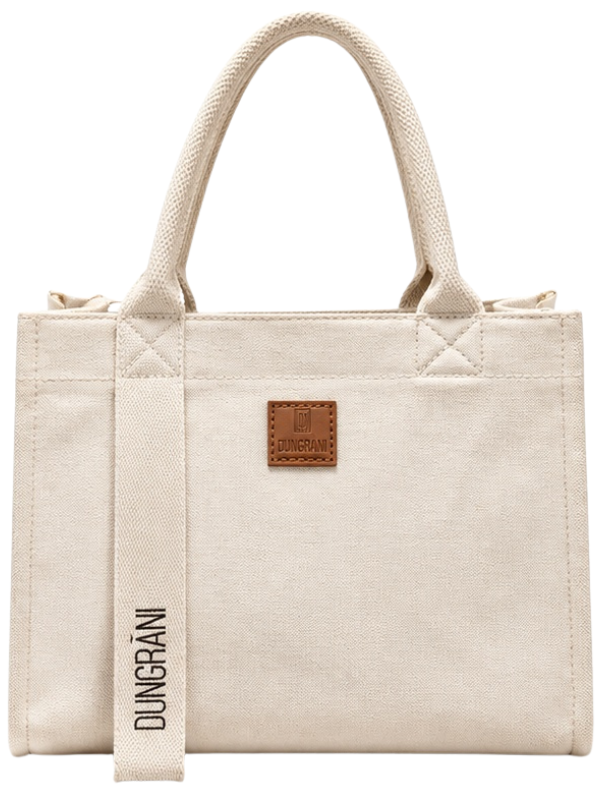
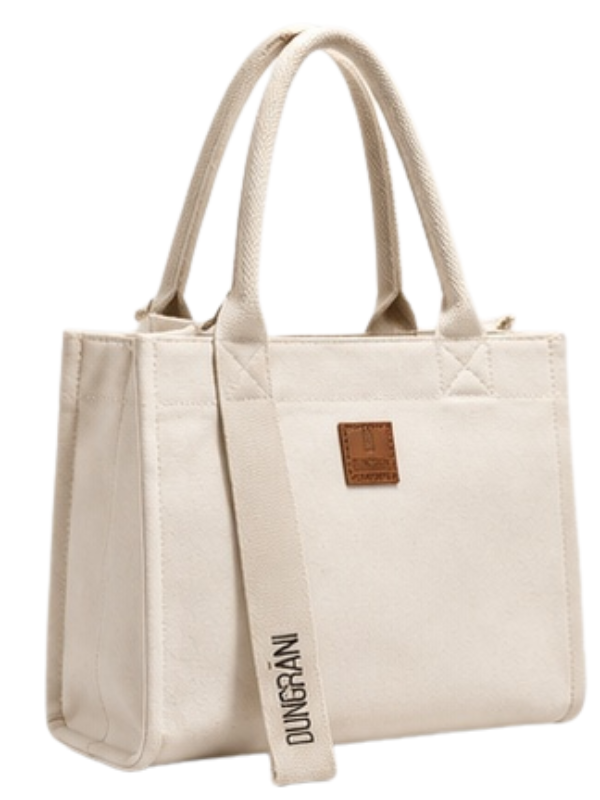
NATURAL BEIGE MIDIUM SQUAR TOTE BAG
Sale price₹ 1,550
Regular price₹ 2,490
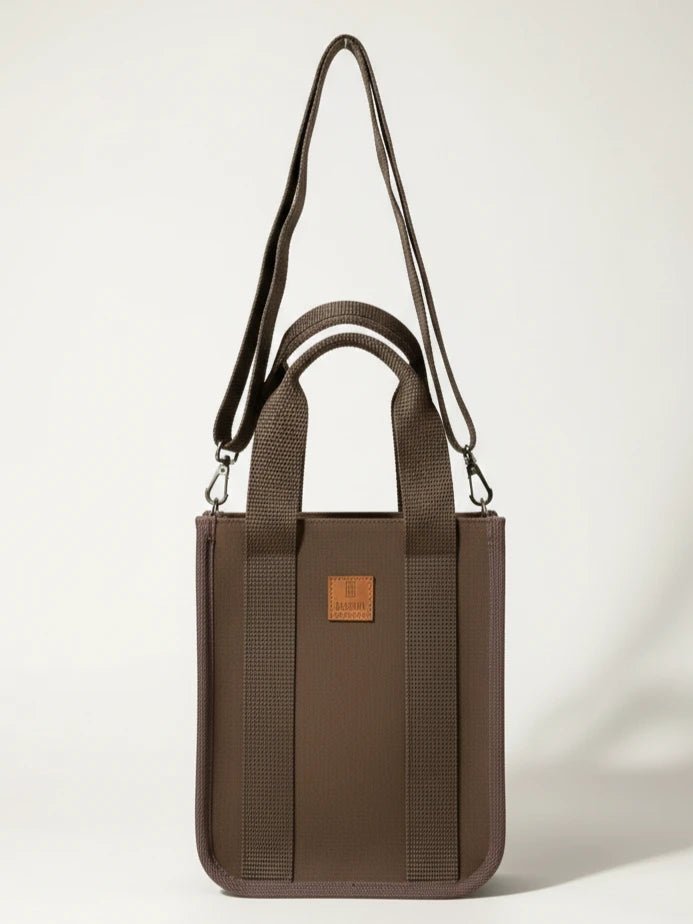
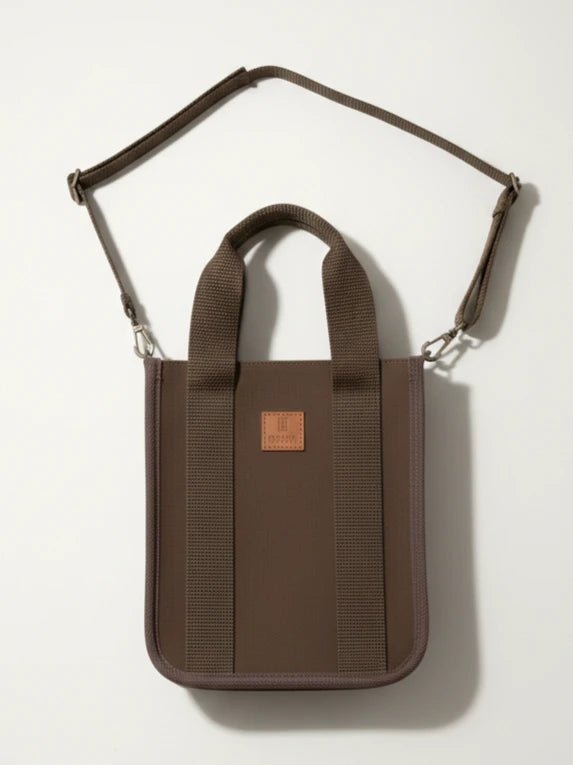
RICH BROWN MINI CLASSIC CANVAS TOTE BAG
Sale price₹ 1,450
Regular price₹ 2,990


NATURAL BEIGE MINI CLASSIC CANVAS TOTE BAG
Sale price₹ 1,450
Regular price₹ 2,990
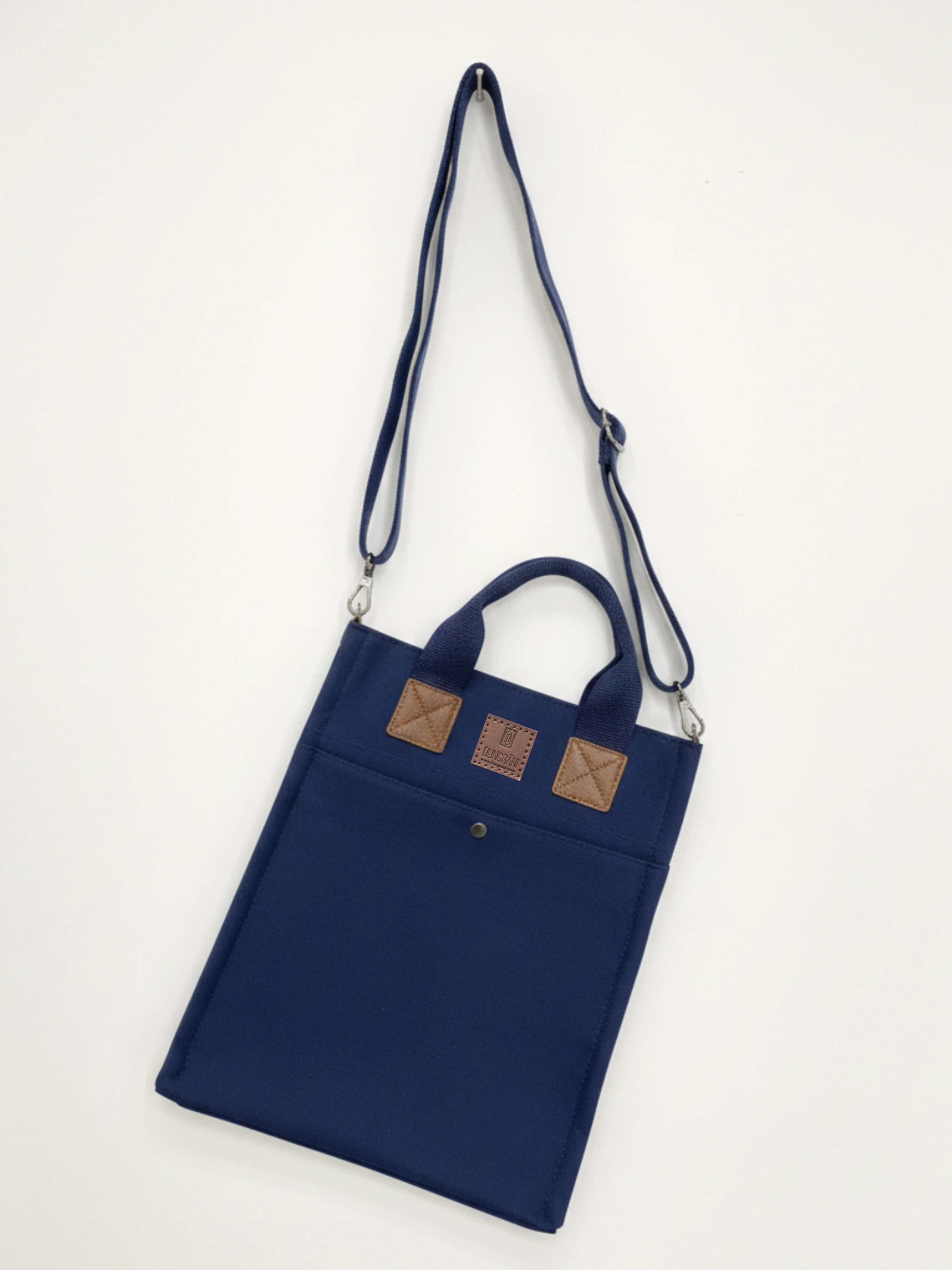
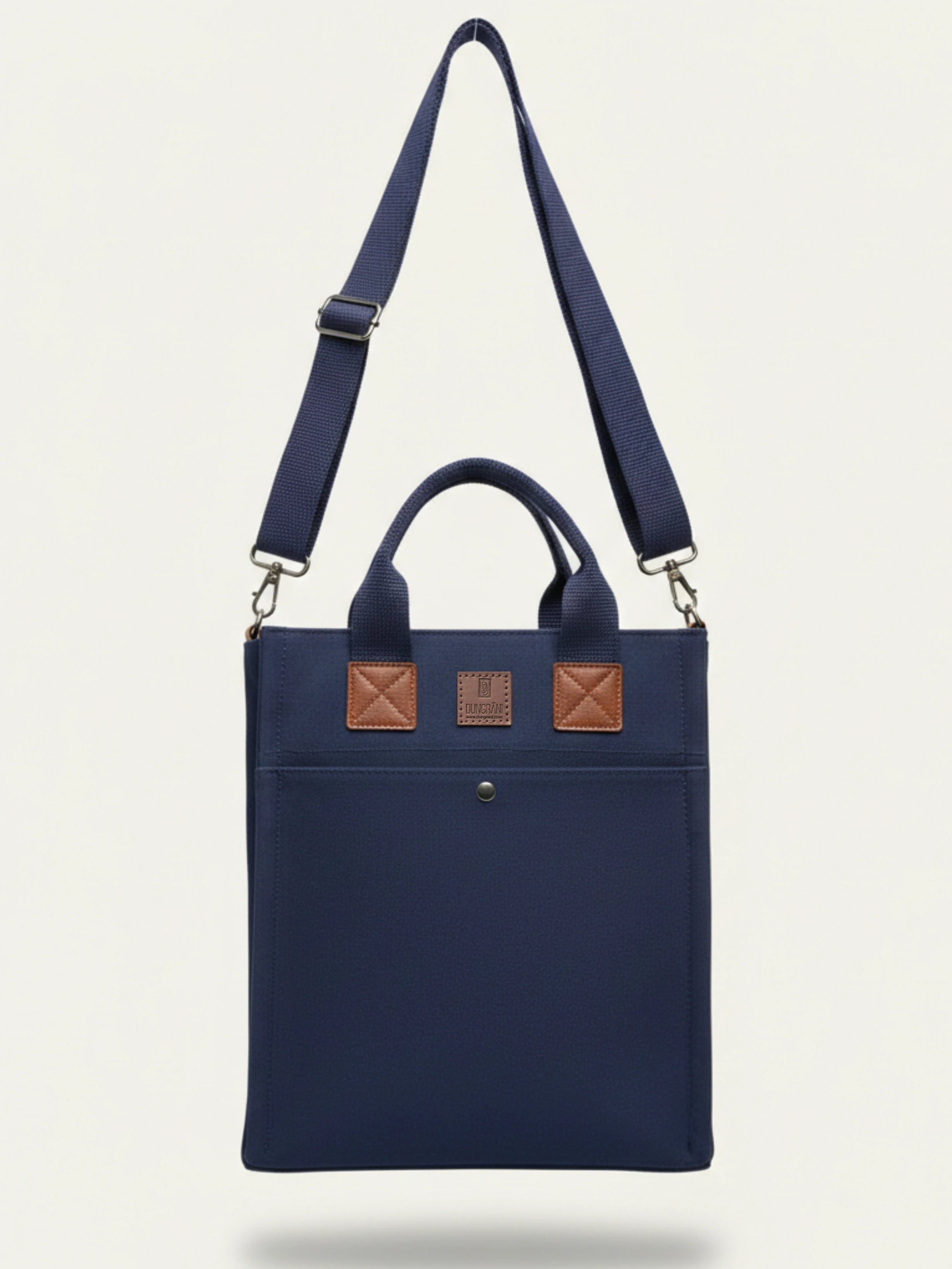
NAVY BLUE UNISEX CLASSIC CANVAS BAG
Sale price₹ 1,690
Regular price₹ 3,490
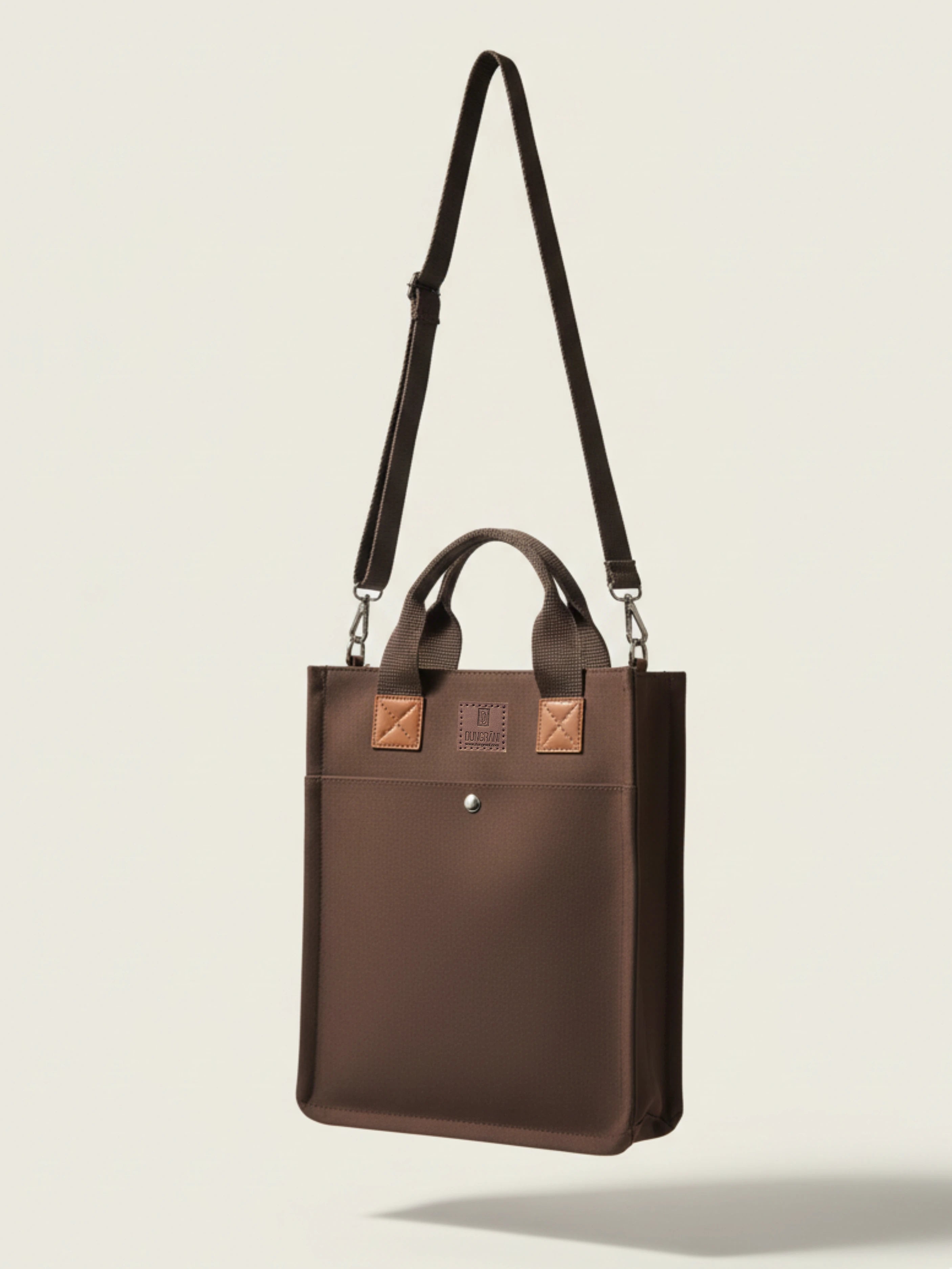
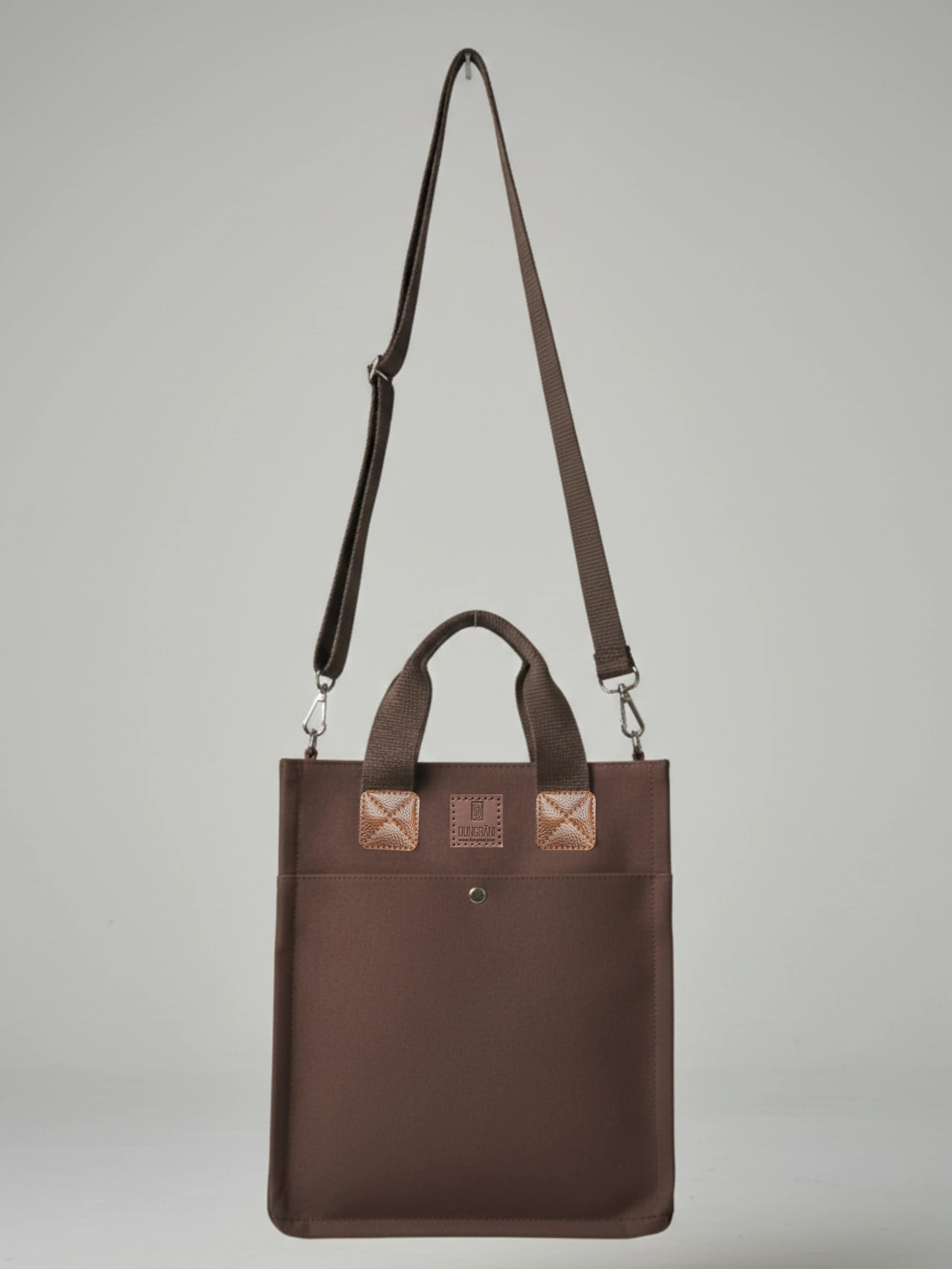
RICH BROWN UNISEX CLASSIC CANVAS BAG
Sale price₹ 1,690
Regular price₹ 3,490


NATURAL BEIGE LARGE CLASSIC CANVAS TOTE BAG
Sale price₹ 2,250
Regular price₹ 4,490

SIX YĀRDS-ZÉRO RULES
NEW AGE DRĀPES
TRY OUR NEW FLĀVOURS
SIX YĀRDS-ZÉRO RULES
NEW AGE DRĀPES
SIX YĀRDS-ZÉRO RULES
NEW AGE DRĀPES
TRY OUR NEW FLĀVOURS
SIX YĀRDS-ZÉRO RULES
NEW AGE DRĀPES
TRY OUR NEW FLĀVOURS
SIX YĀRDS-ZÉRO RULES
NEW AGE DRĀPES
SIX YĀRDS-ZÉRO RULES
NEW AGE DRĀPES
TRY OUR NEW FLĀVOURS
Premium Retail Feel
Shop. Sip. Style.
Everything you need to complete your look — thoughtfully curated under one roof.

DEEP BLUE MULMUL COTTON SAGITTARIUS VEDIC ZODIAC THREAD WORK SAREES
Sale price₹ 2,990
Regular price₹ 5,490
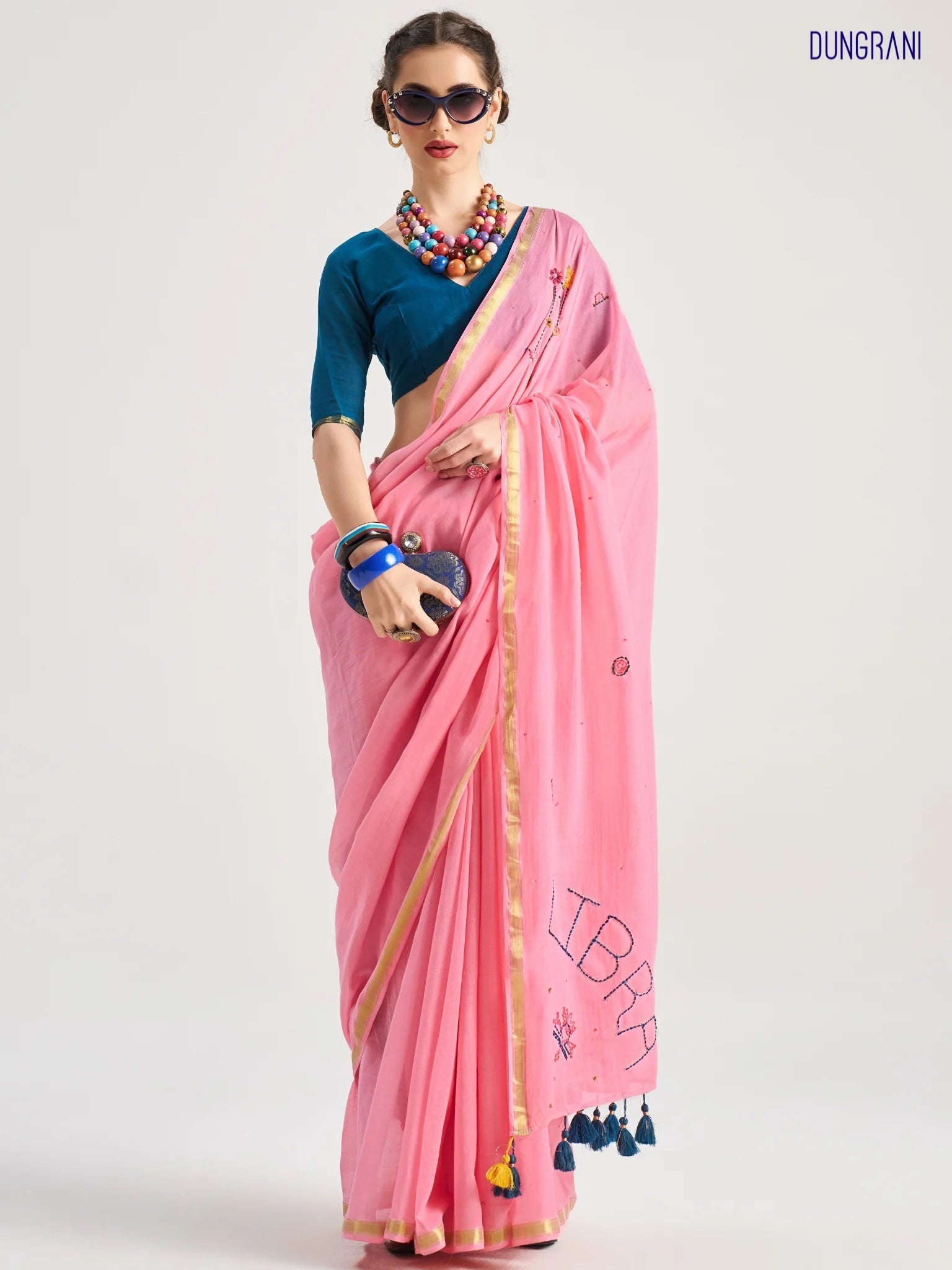
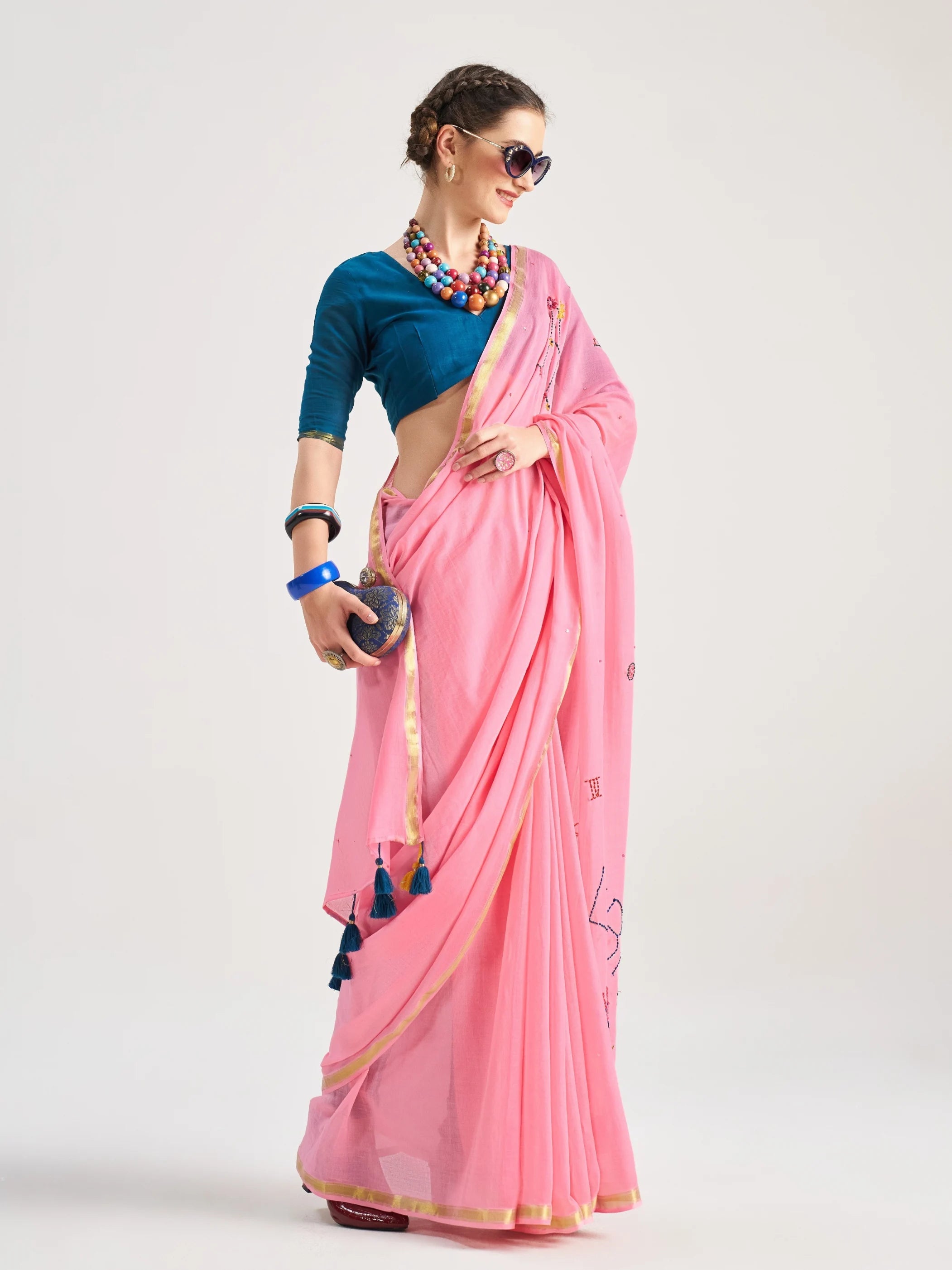
ROSE PINK MULMUL COTTON LIBRA VEDIC ZODIAC THREAD WORK SAREES
Sale price₹ 2,990
Regular price₹ 5,490

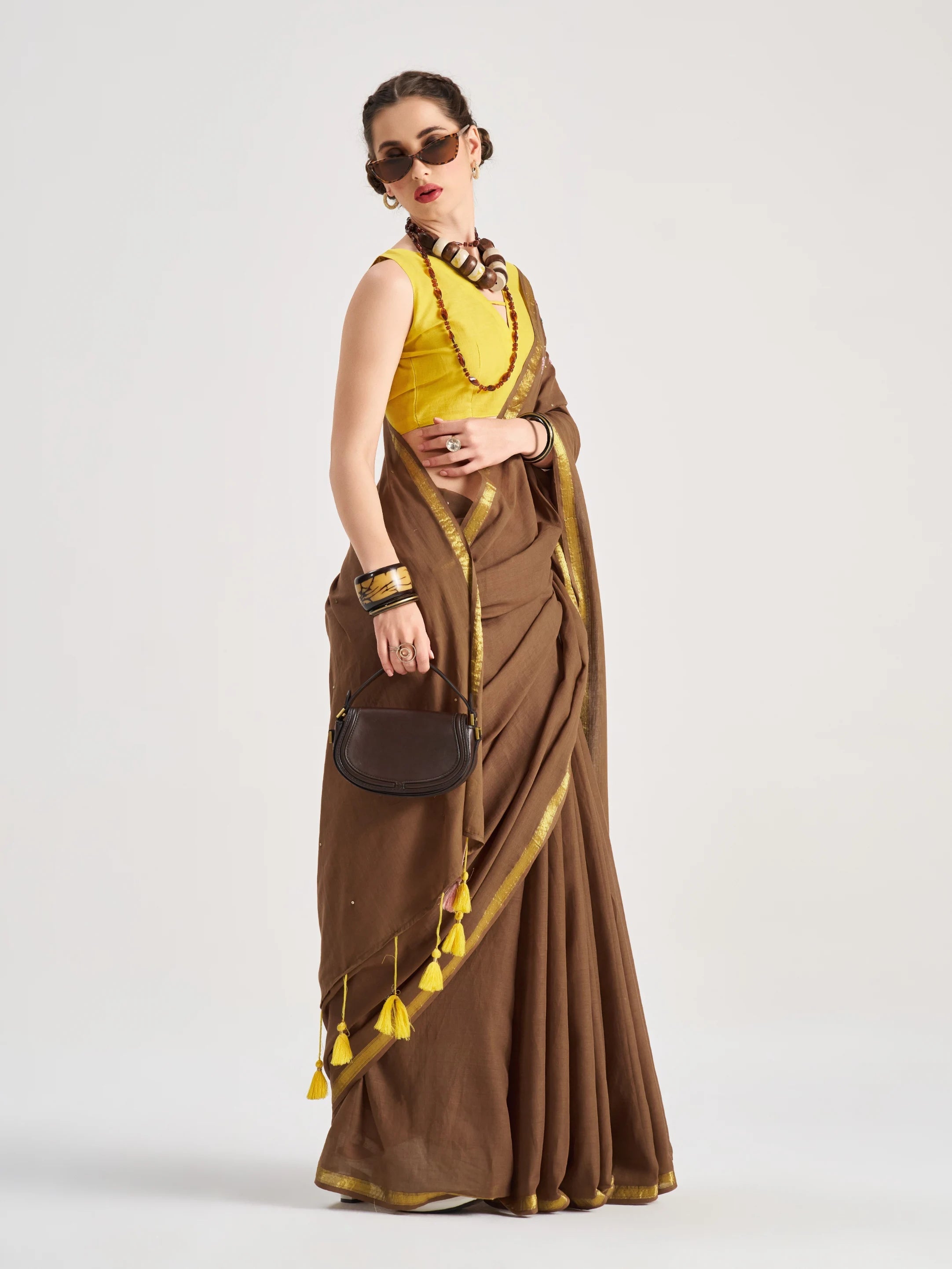
BROWN MULMUL COTTON CAPRICORN VEDIC ZODIAC THREAD WORK SAREES
Sale price₹ 2,990
Regular price₹ 5,490


BAHAMA BLUE MULMUL COTTON VIRGO VEDIC ZODIAC THREAD WORK SAREES
Sale price₹ 2,990
Regular price₹ 5,490


DARK GREEN MULMUL COTTON AQUARIUS VEDIC ZODIAC THREAD WORK SAREES
Sale price₹ 2,990
Regular price₹ 5,490
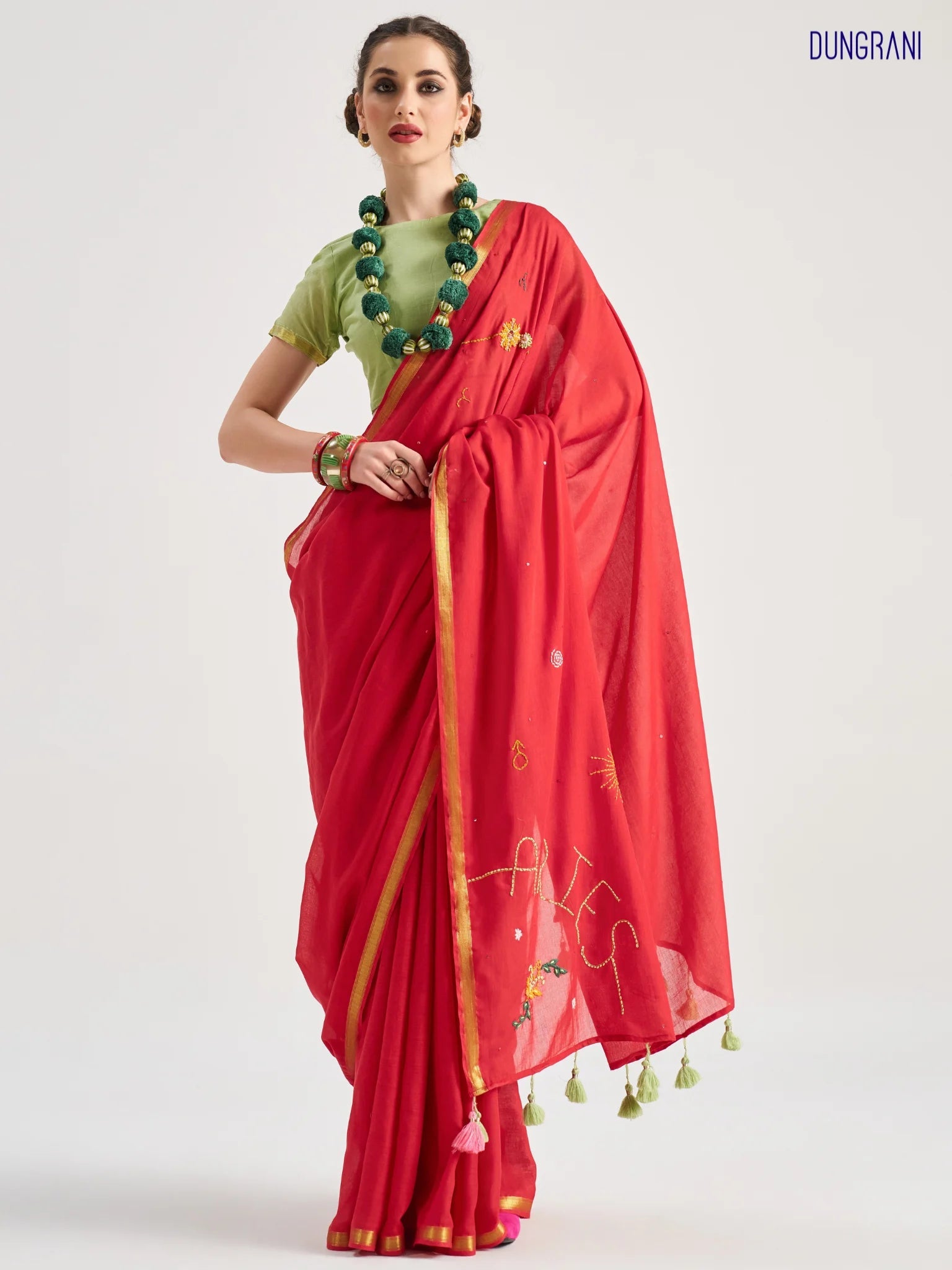
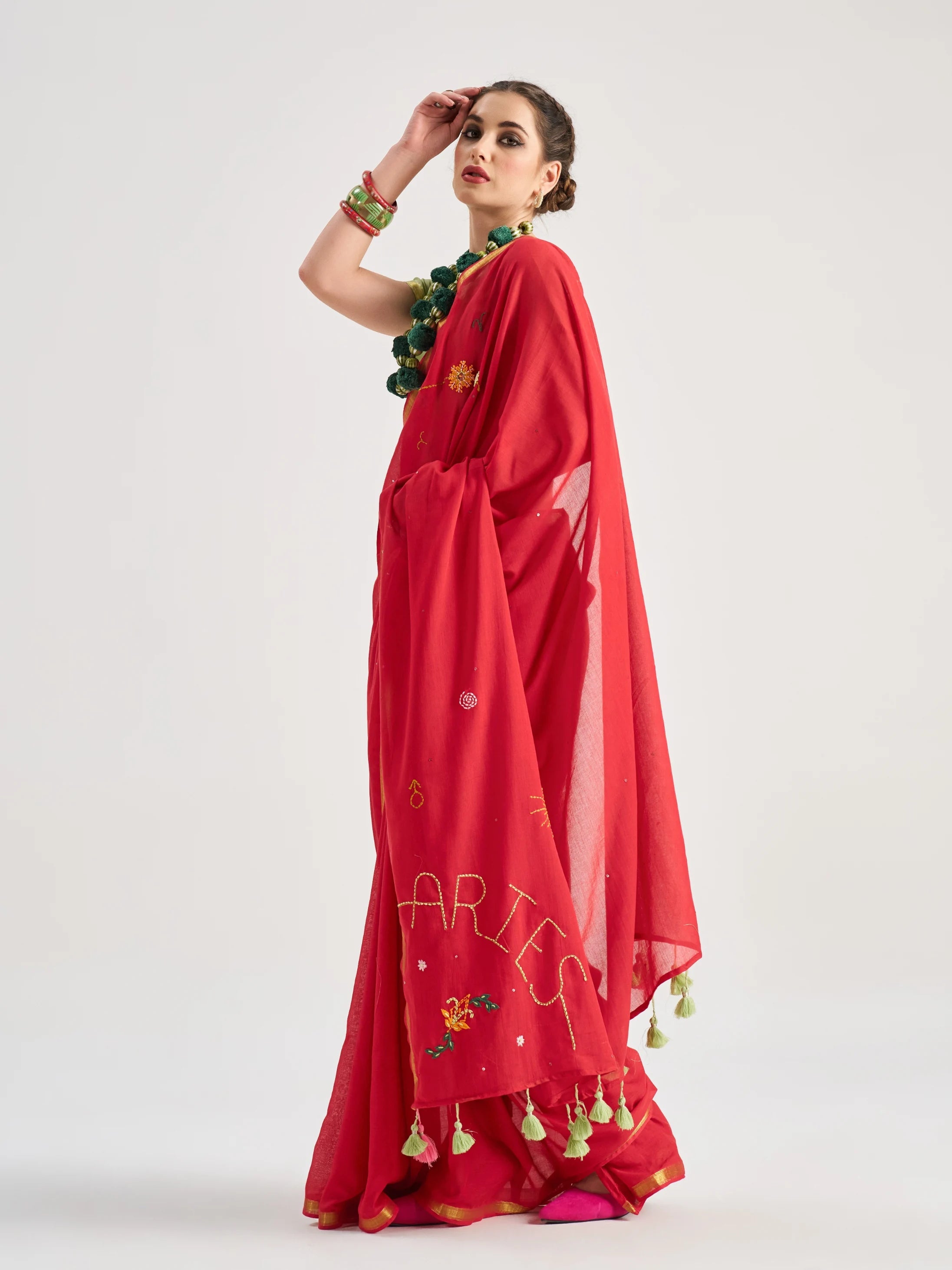
RED MULMUL COTTON ARIES VEDIC ZODIAC THREAD WORK SAREES
Sale price₹ 2,990
Regular price₹ 5,490
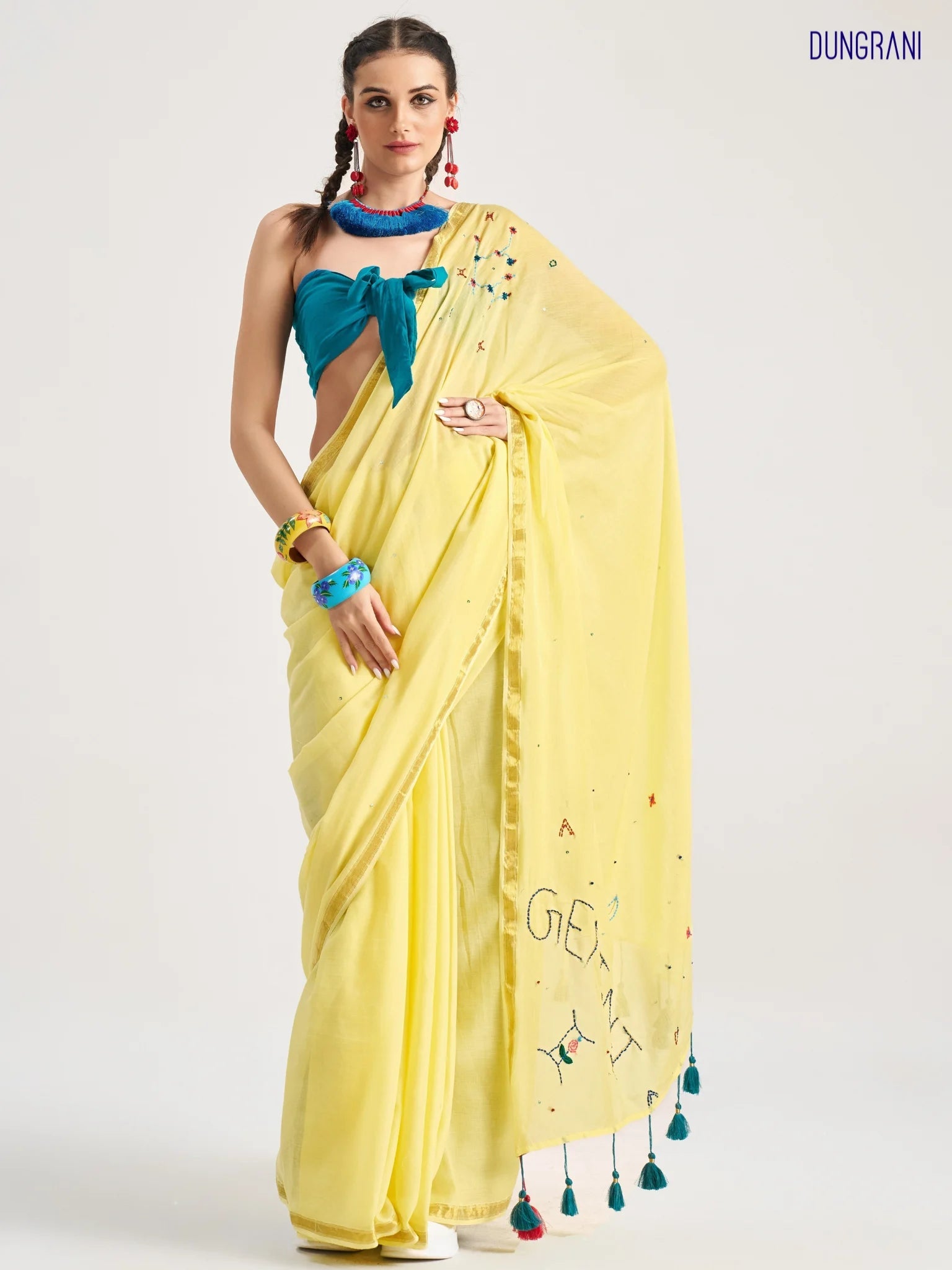

YELLOW MULMUL COTTON GEMINI VEDIC ZODIAC THREAD WORK SAREES
Sale price₹ 2,990
Regular price₹ 5,490
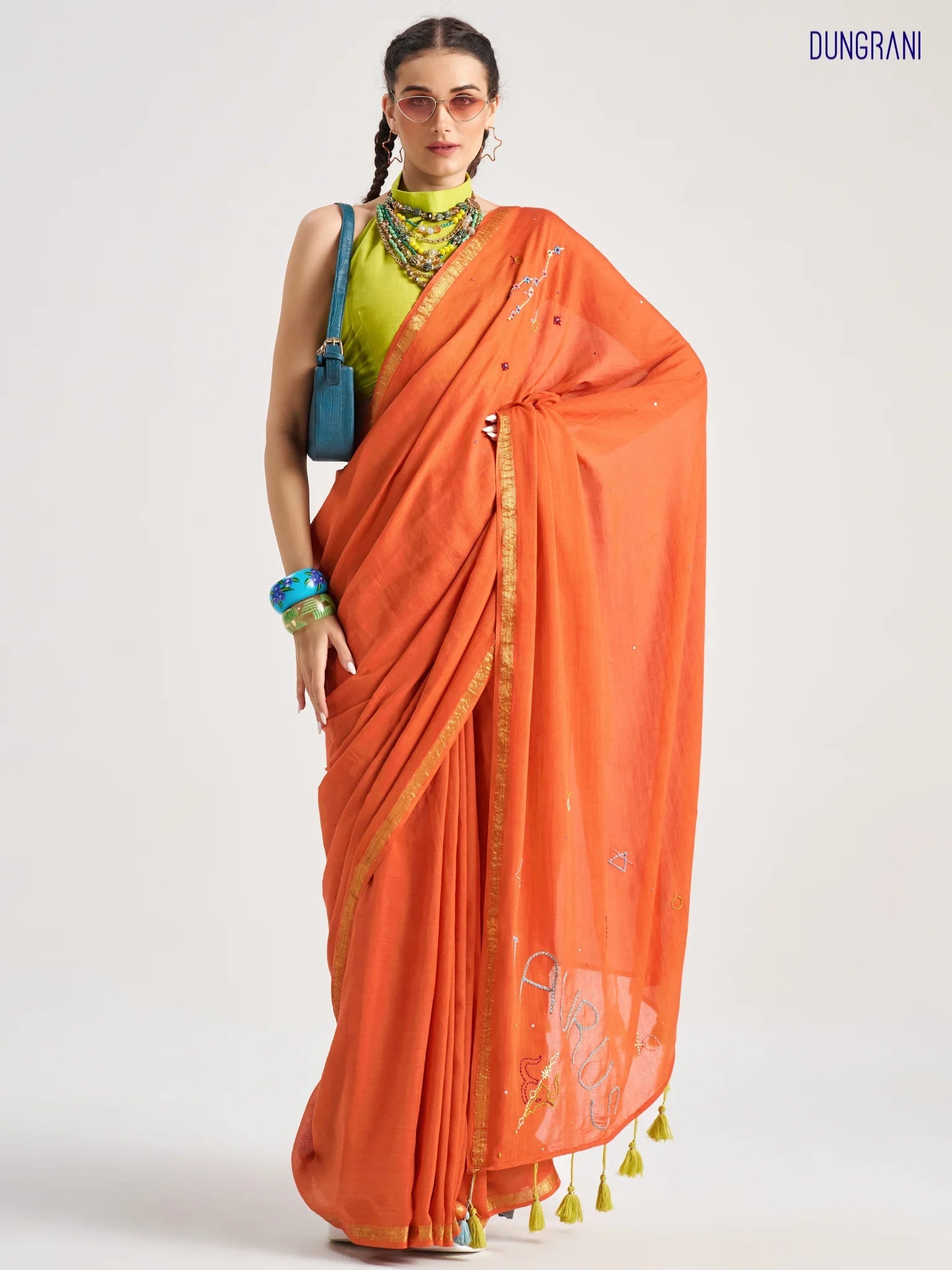
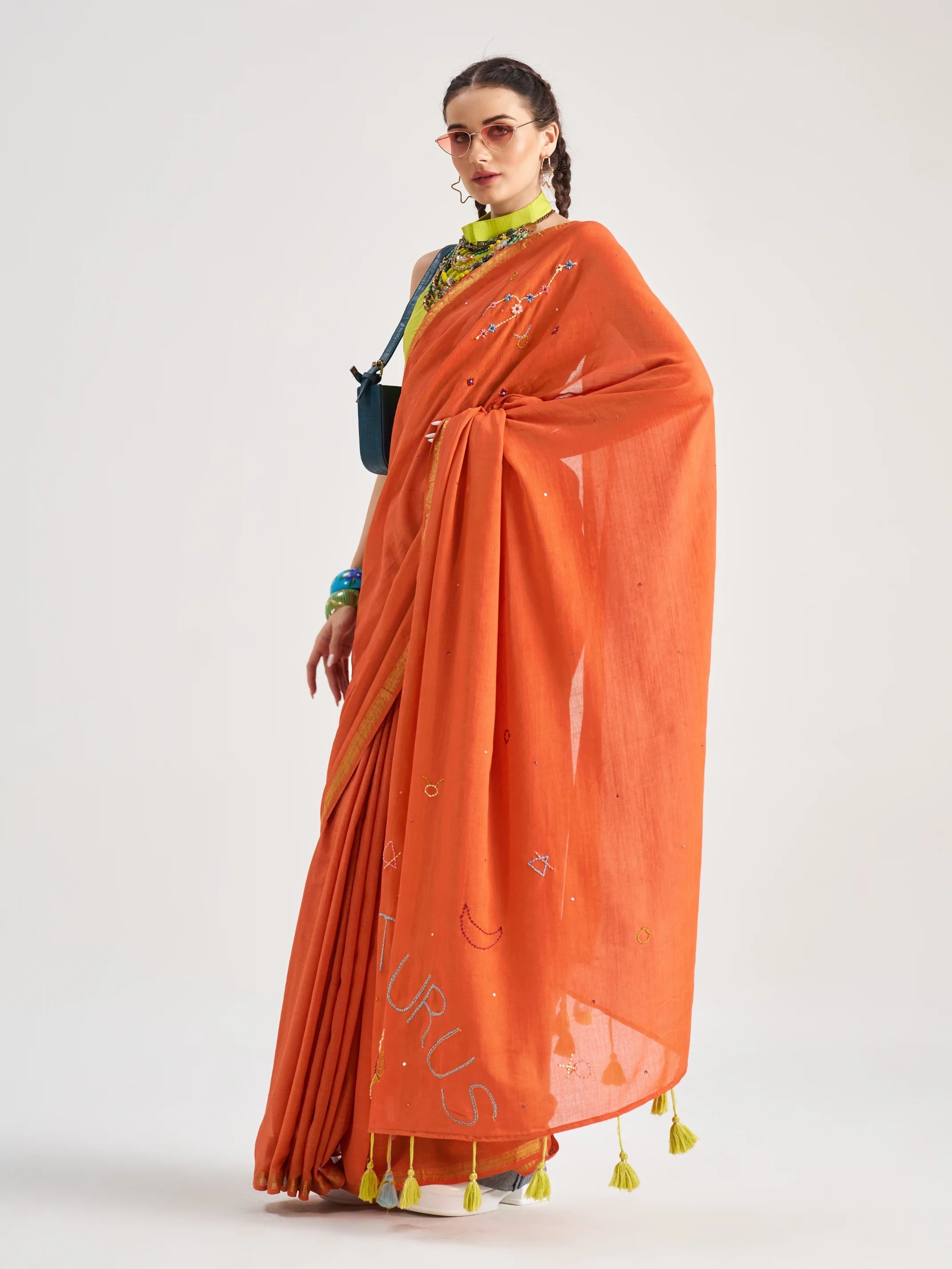
RUST ORANGE MULMUL COTTON TAURUS VEDIC ZODIAC THREAD WORK SAREES
Sale price₹ 2,990
Regular price₹ 5,490
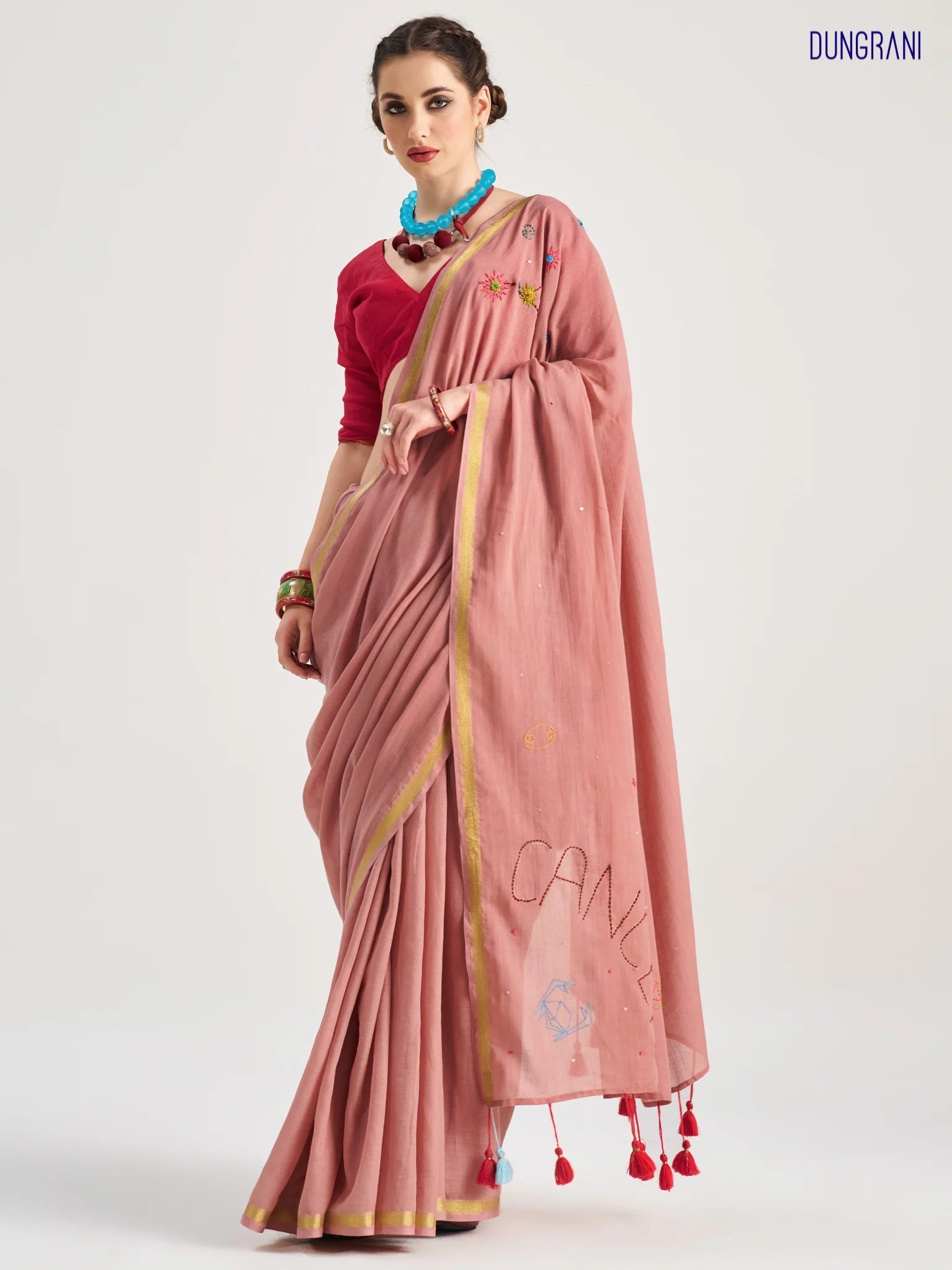

ROSE PINK MULMUL COTTON CANCER VEDIC ZODIAC THREAD WORK SAREES
Sale price₹ 2,990
Regular price₹ 5,490

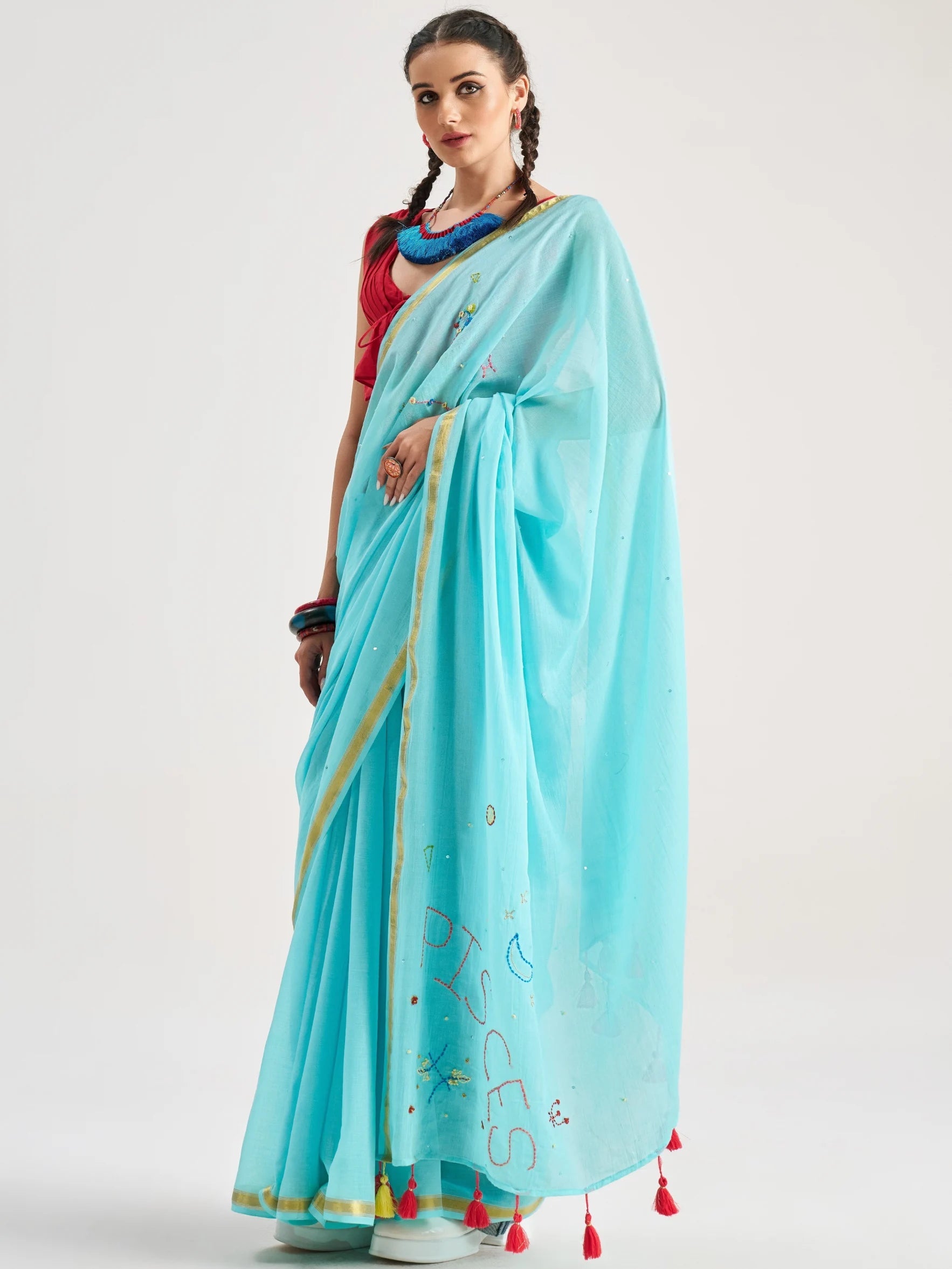
SKY BLUE MULMUL COTTON PISCES VEDIC ZODIAC THREAD WORK SAREES
Sale price₹ 2,990
Regular price₹ 5,490


ORANGE MULMUL COTTON LEO VEDIC ZODIAC THREAD WORK SAREES
Sale price₹ 2,990
Regular price₹ 5,490
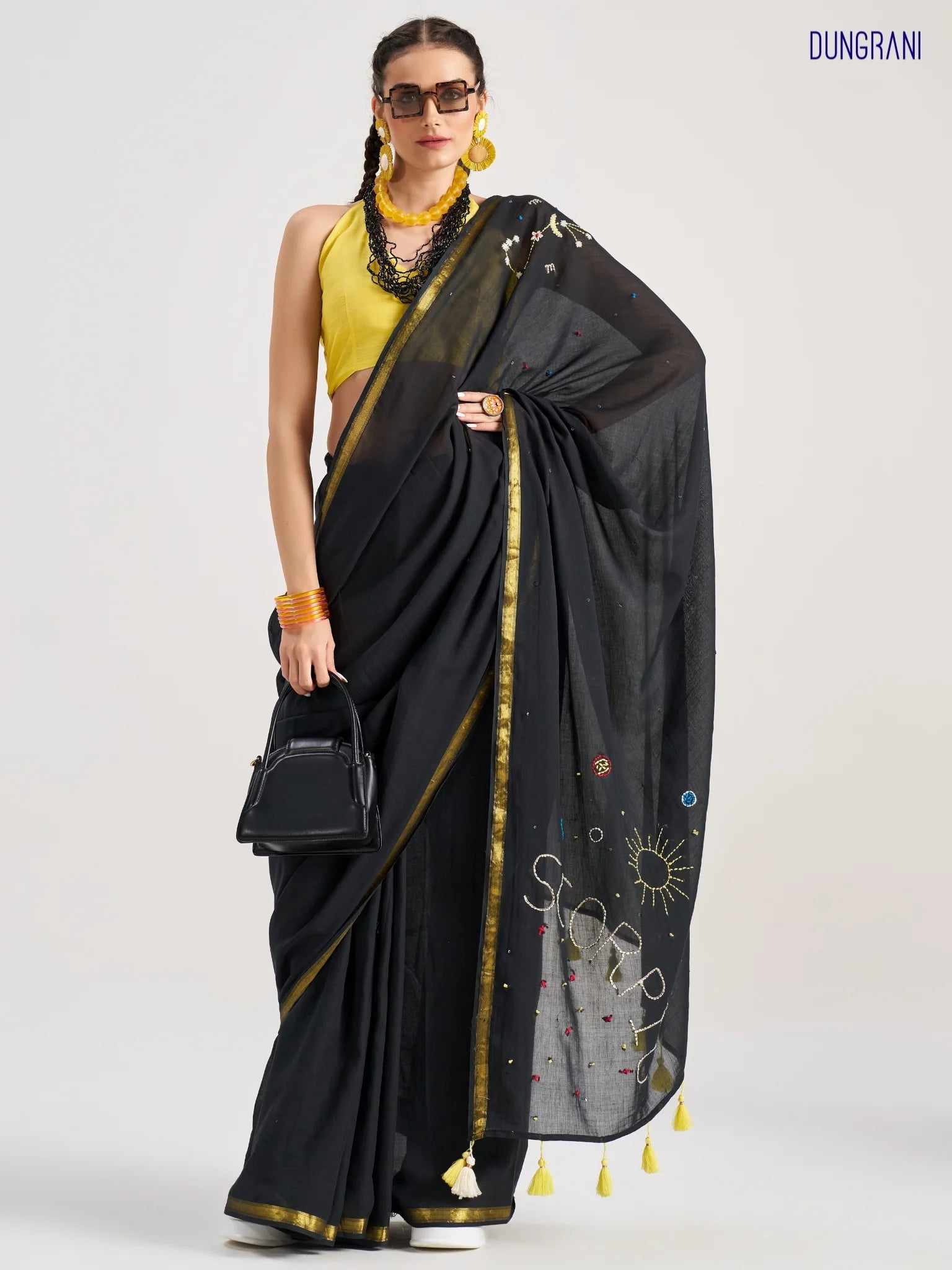
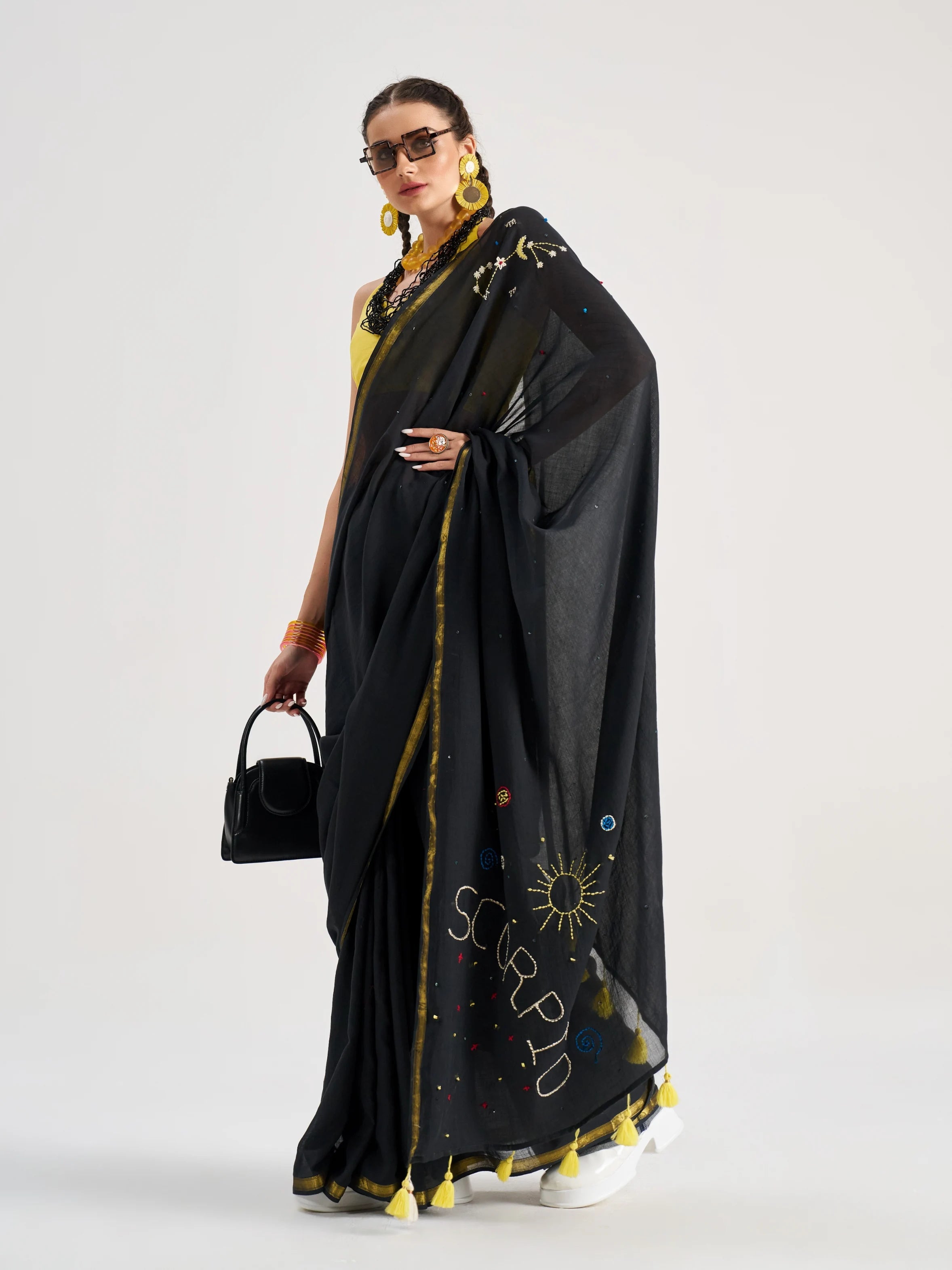
BLACK MULMUL COTTON SCORPIO VEDIC ZODIAC THREAD WORK SAREES
Sale price₹ 2,990
Regular price₹ 5,490
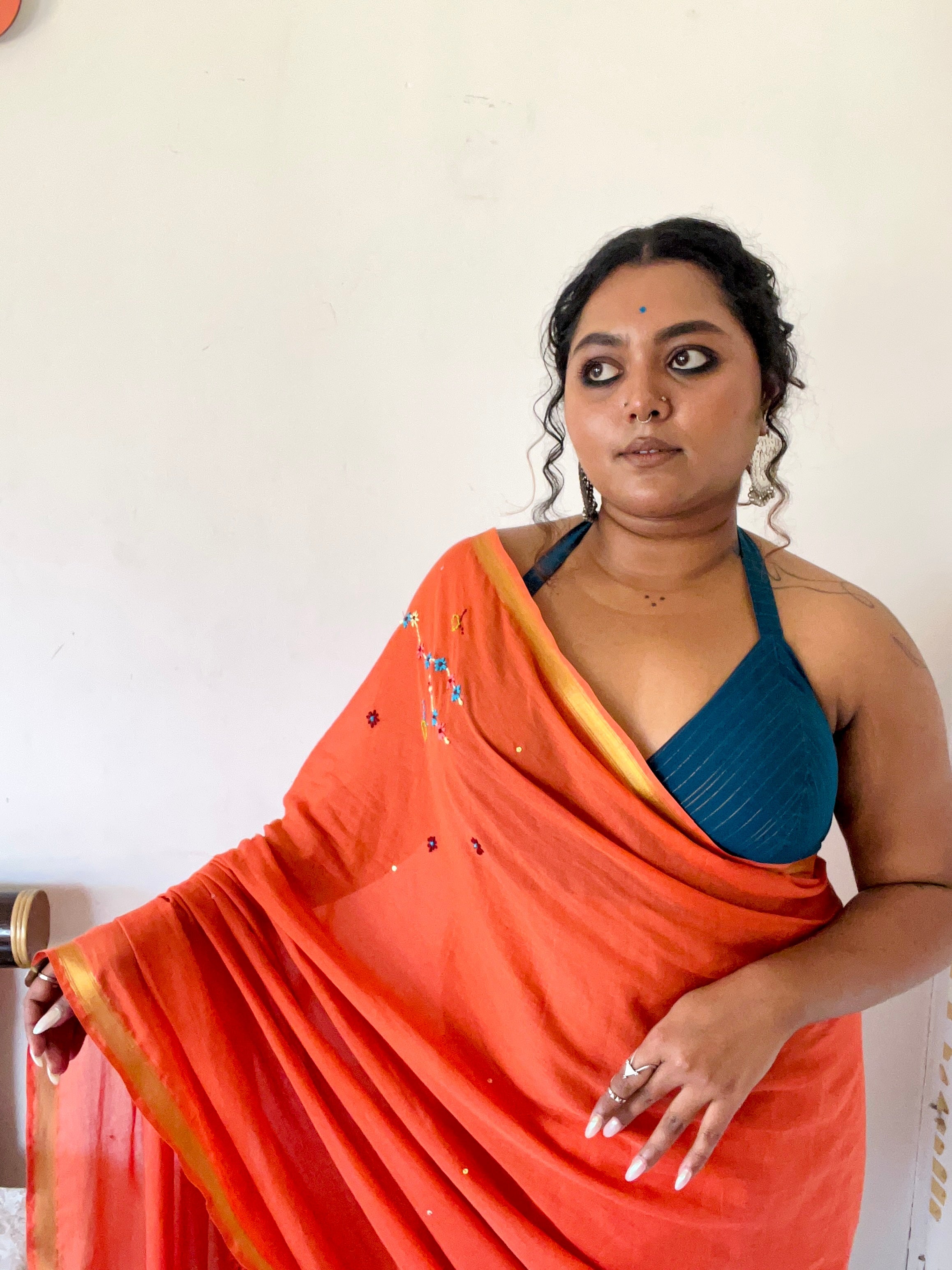
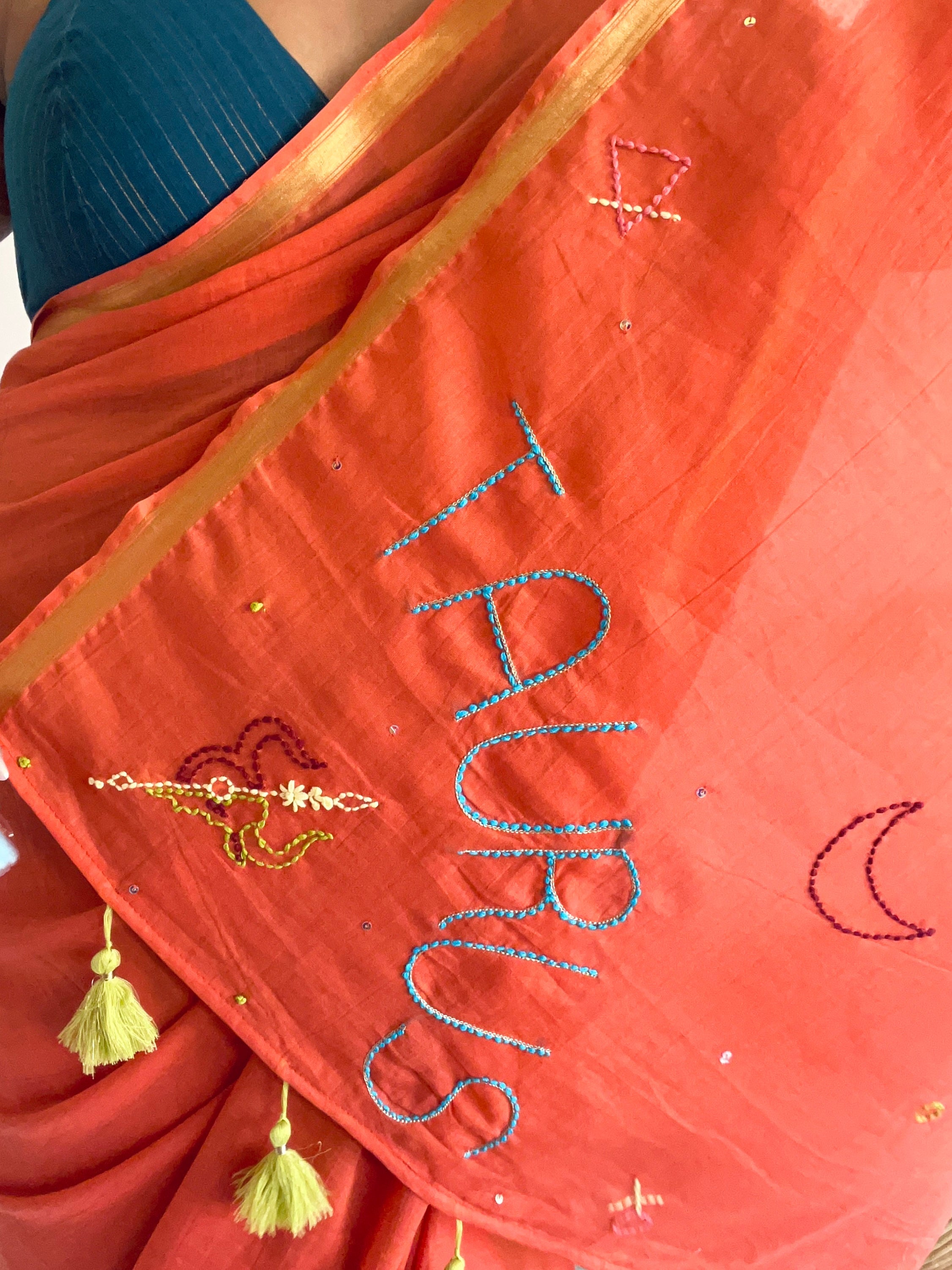
RITWIKA SARKAR IN MULMUL COTTON TAURUS VEDIC ZODIAC HAND EMBROIDERED SAREE
Sale price₹ 2,990
Regular price₹ 5,490
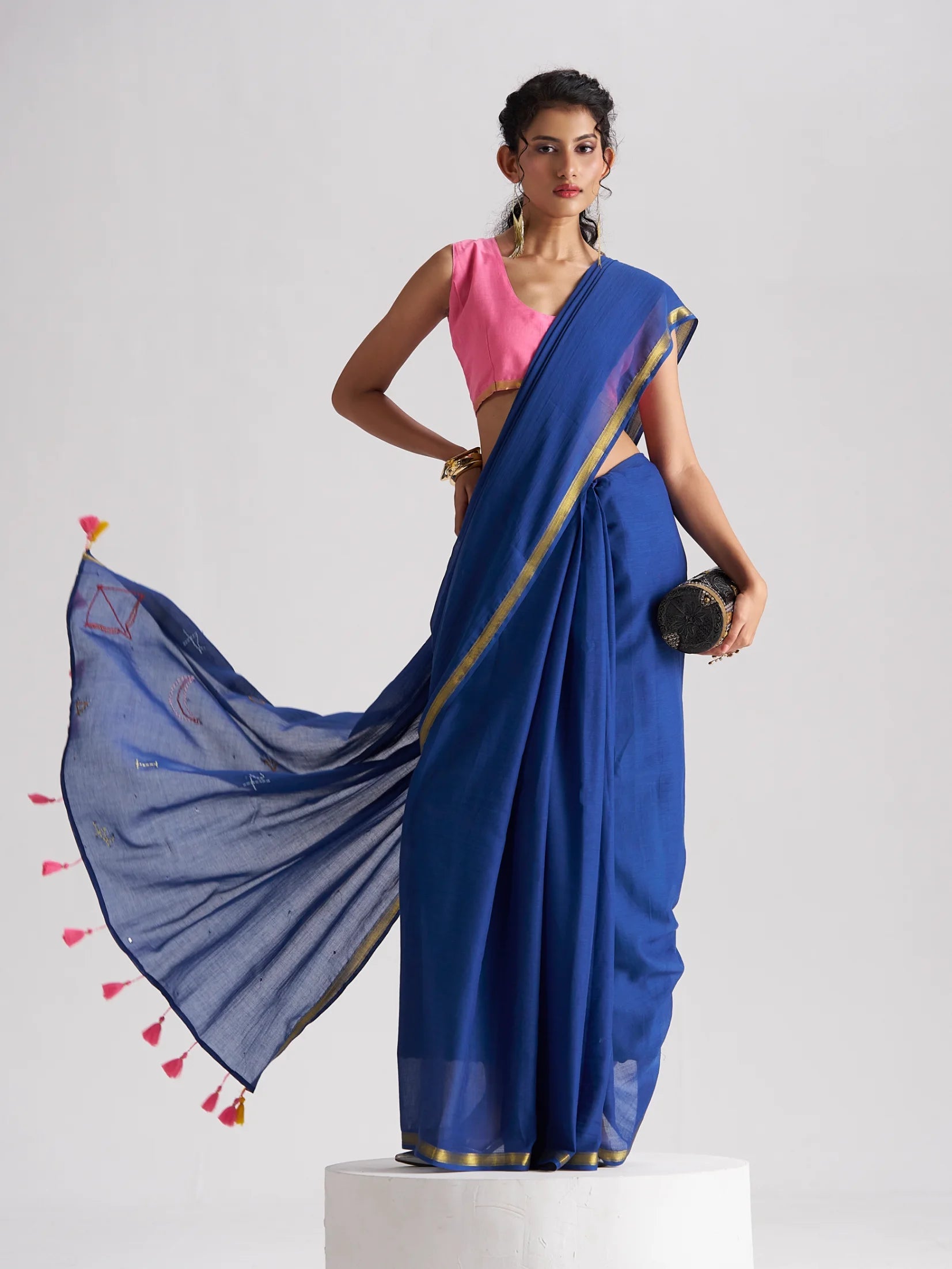
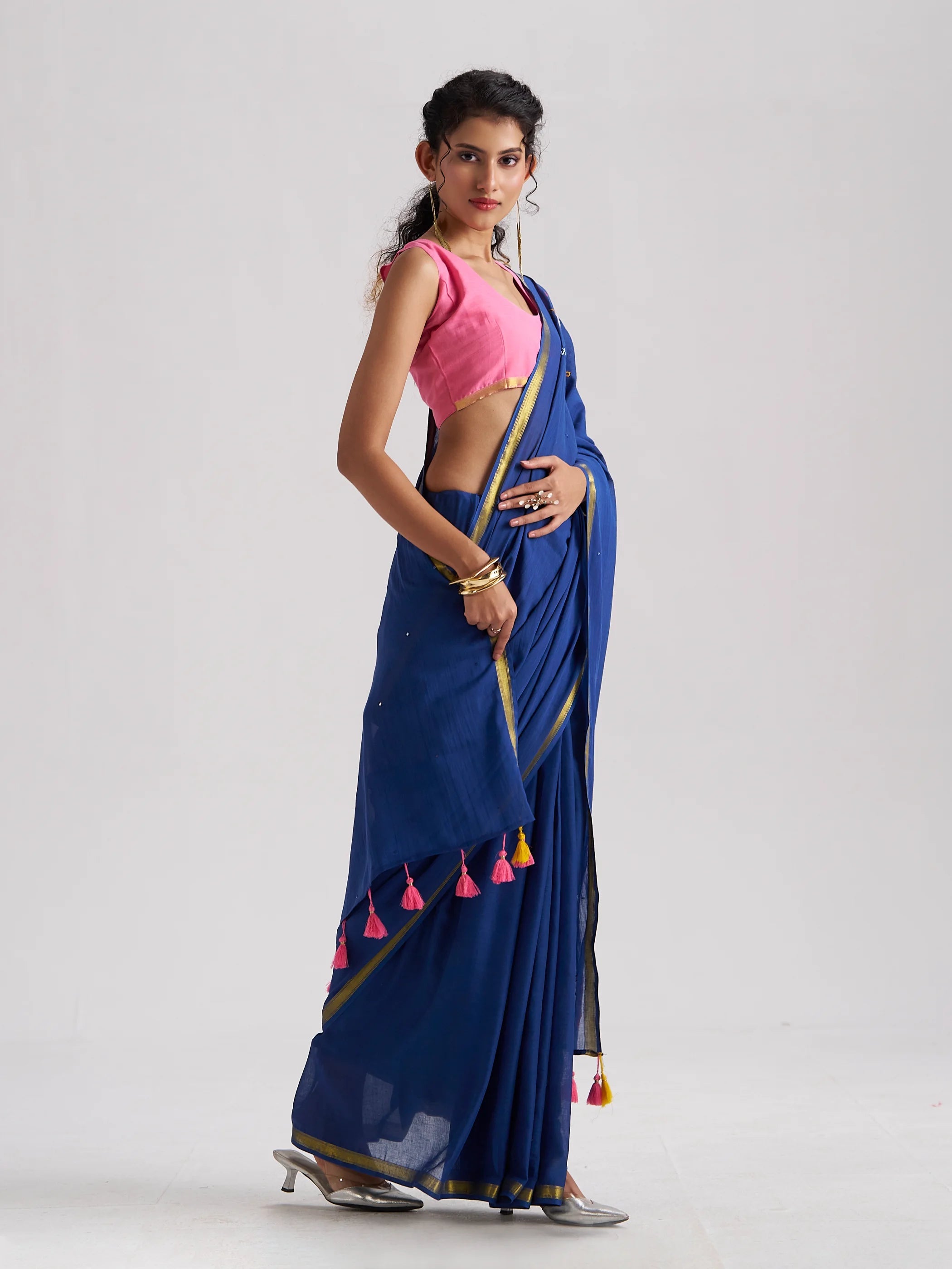
DEEP BLUE MULMUL COTTON THREAD WORK SAREES
Sale price₹ 2,990
Regular price₹ 5,490


SKY BLUE MULMUL COTTON PISCES CELESTIAL THREAD WORK SAREES
Sale price₹ 2,990
Regular price₹ 5,490
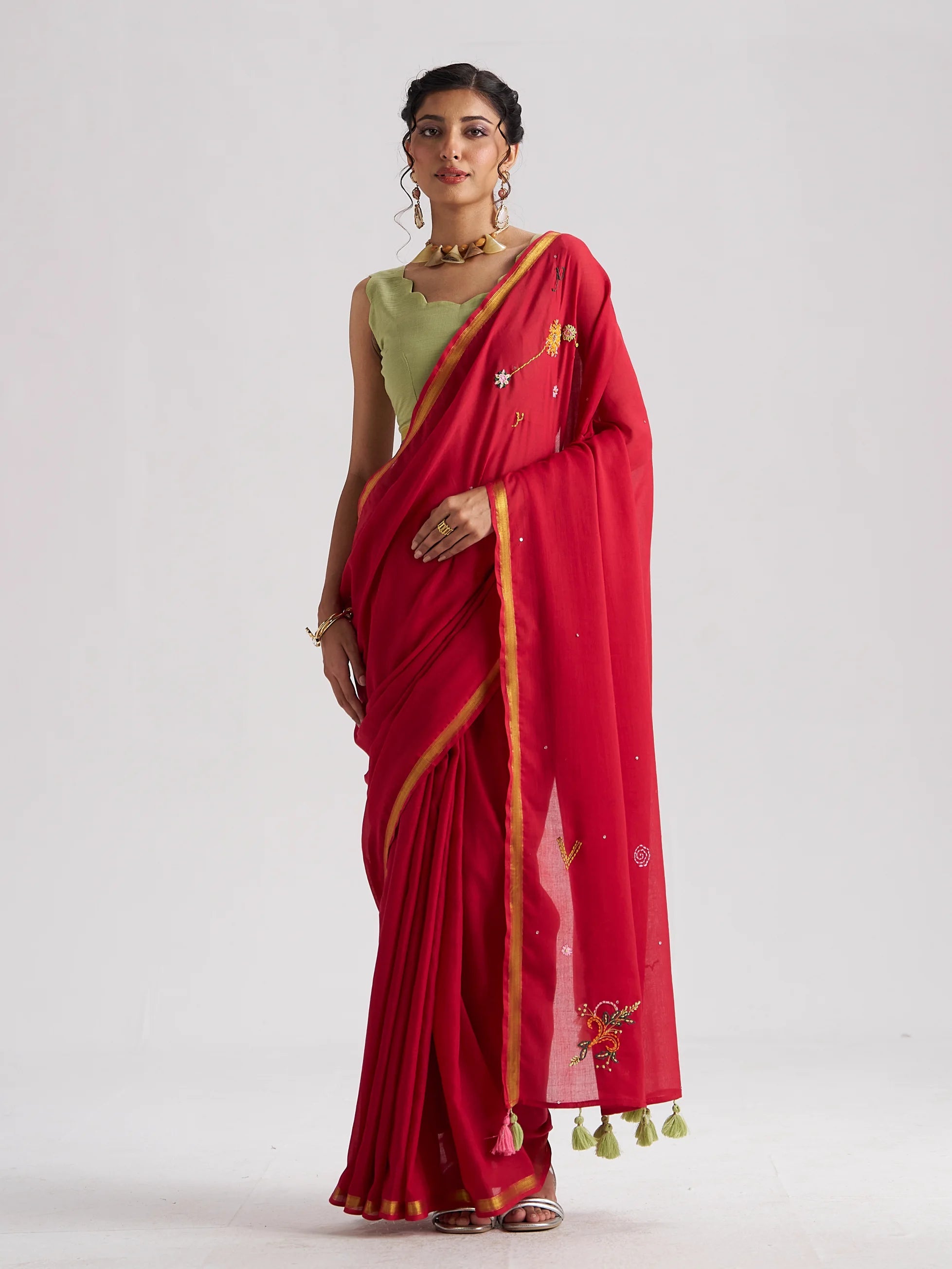
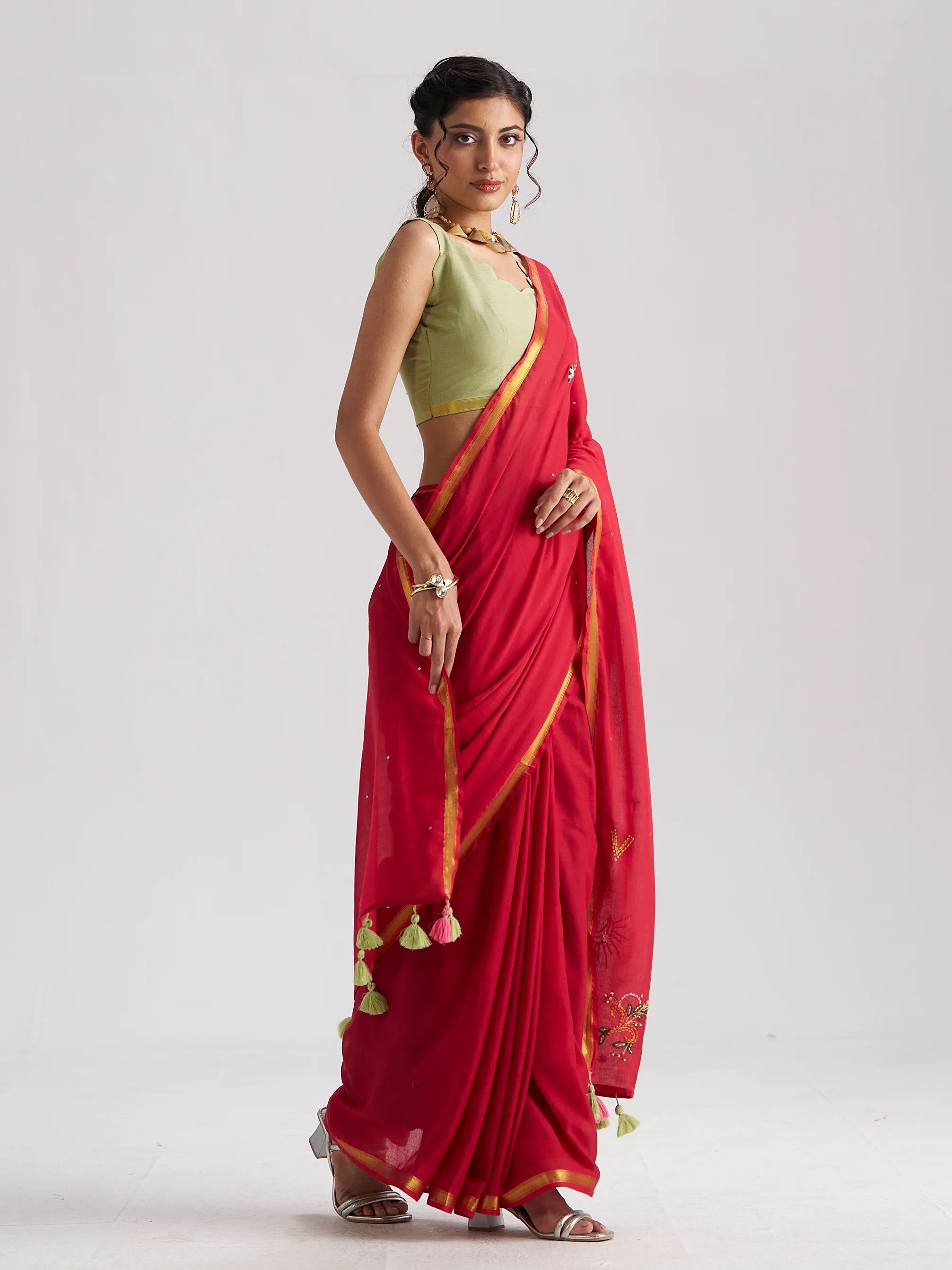
RED MULMUL COTTON THREAD WORK SAREES
Sale price₹ 2,990
Regular price₹ 5,490
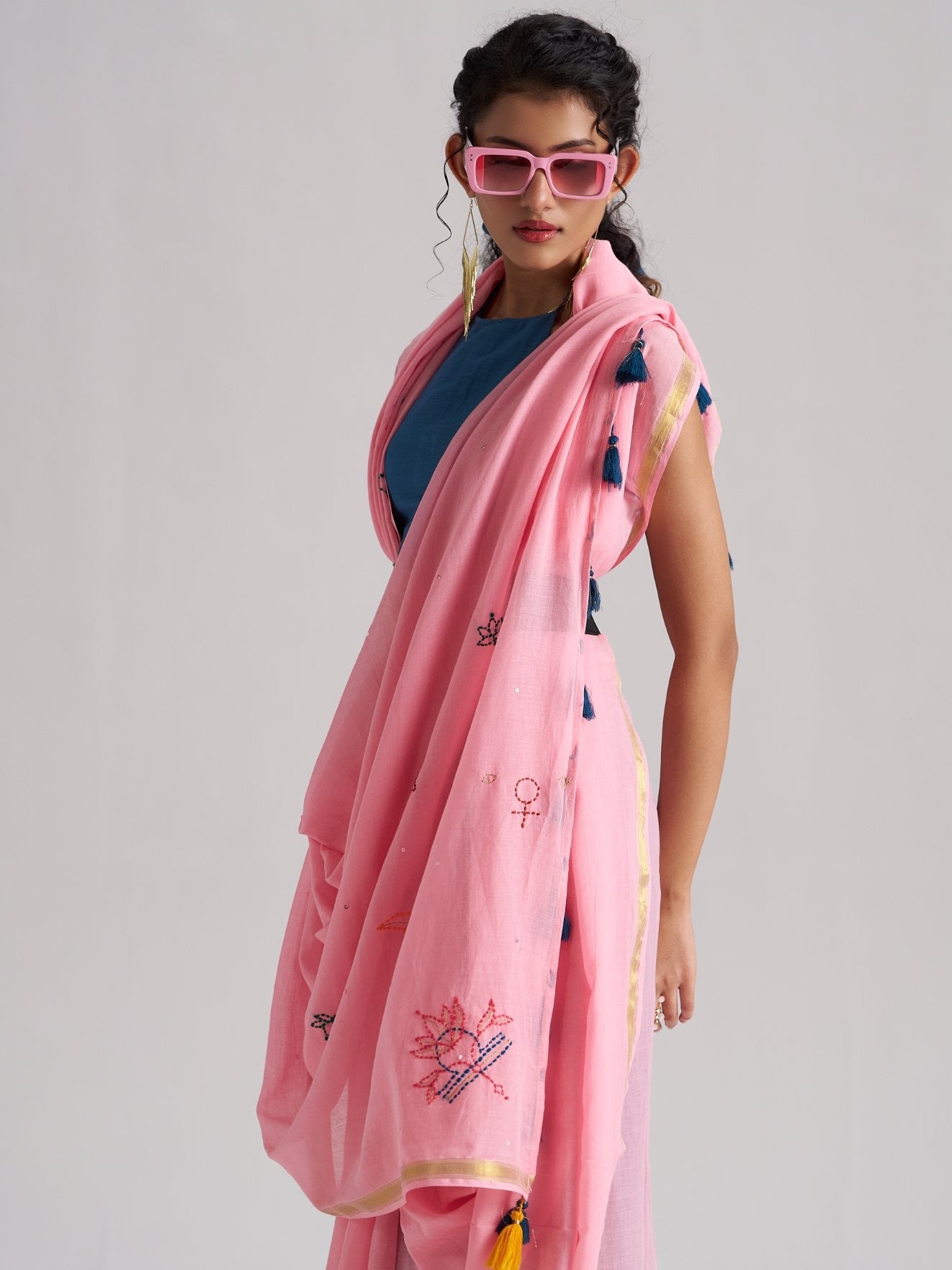
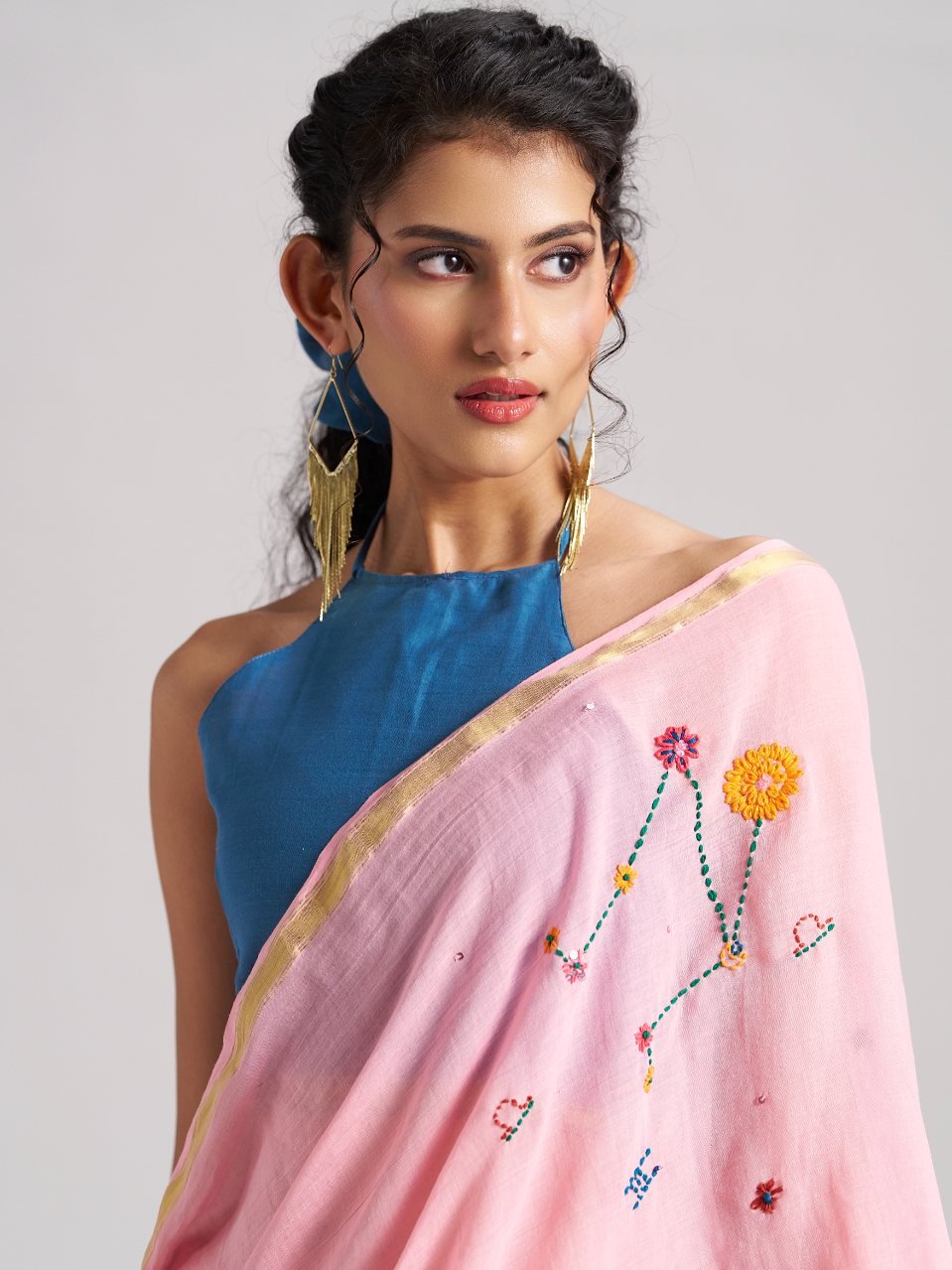
ROSE PINK MULMUL COTTON LIBRA CELESTIAL THREAD WORK SAREES
Sale price₹ 2,990
Regular price₹ 5,490


BLACK MULMUL COTTON SCORPIO CELESTIAL THREAD WORK SAREES
Sale price₹ 2,990
Regular price₹ 5,490


ROSE PINK MULMUL COTTON THREAD WORK SAREES
Sale price₹ 2,990
Regular price₹ 5,490


BAHAMA BLUE MULMUL COTTON THREAD WORK SAREES
Sale price₹ 2,990
Regular price₹ 5,490


ORANGE MULMUL COTTON LEO CELESTIAL THREAD WORK SAREES
Sale price₹ 2,990
Regular price₹ 5,490
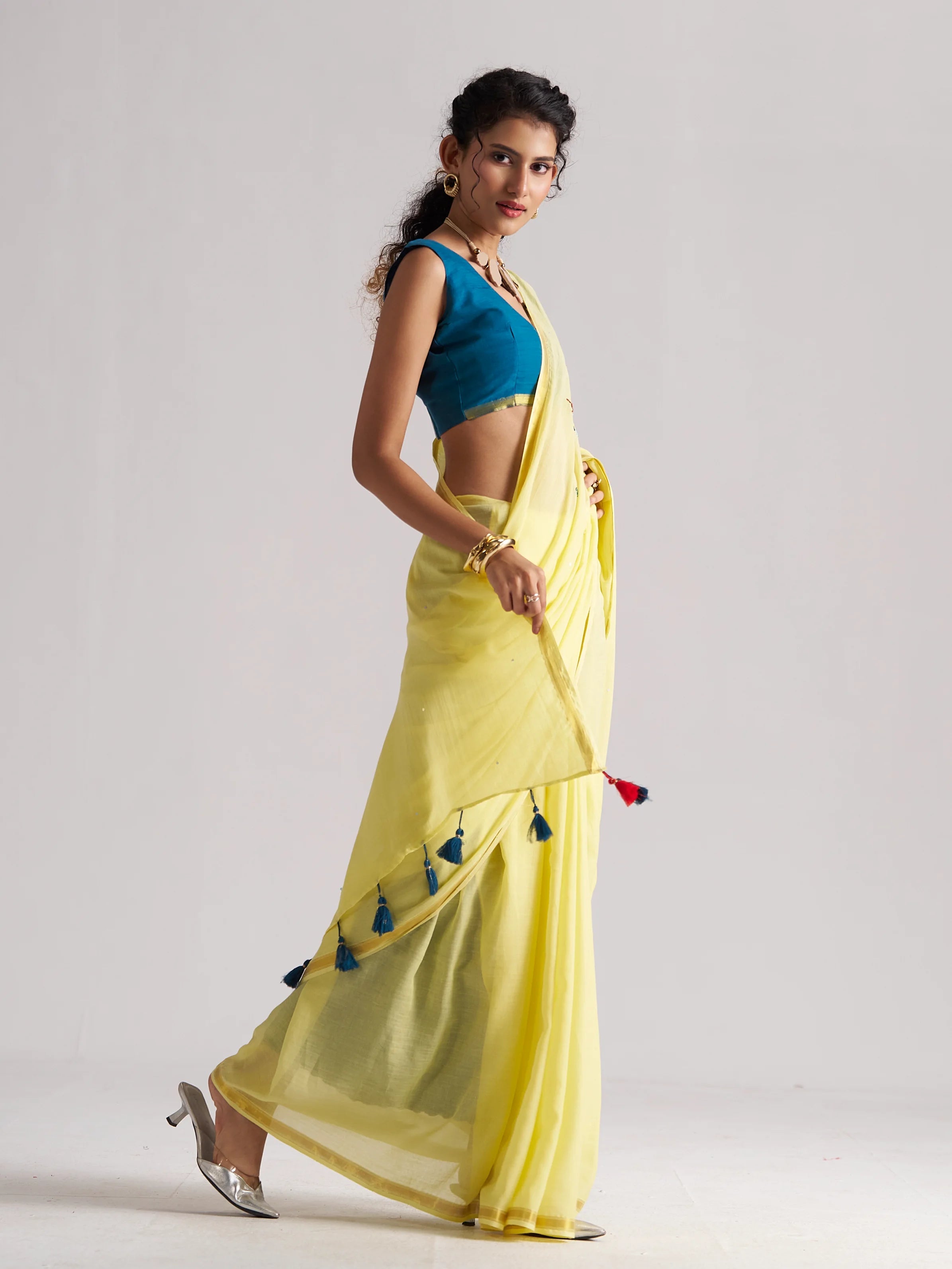
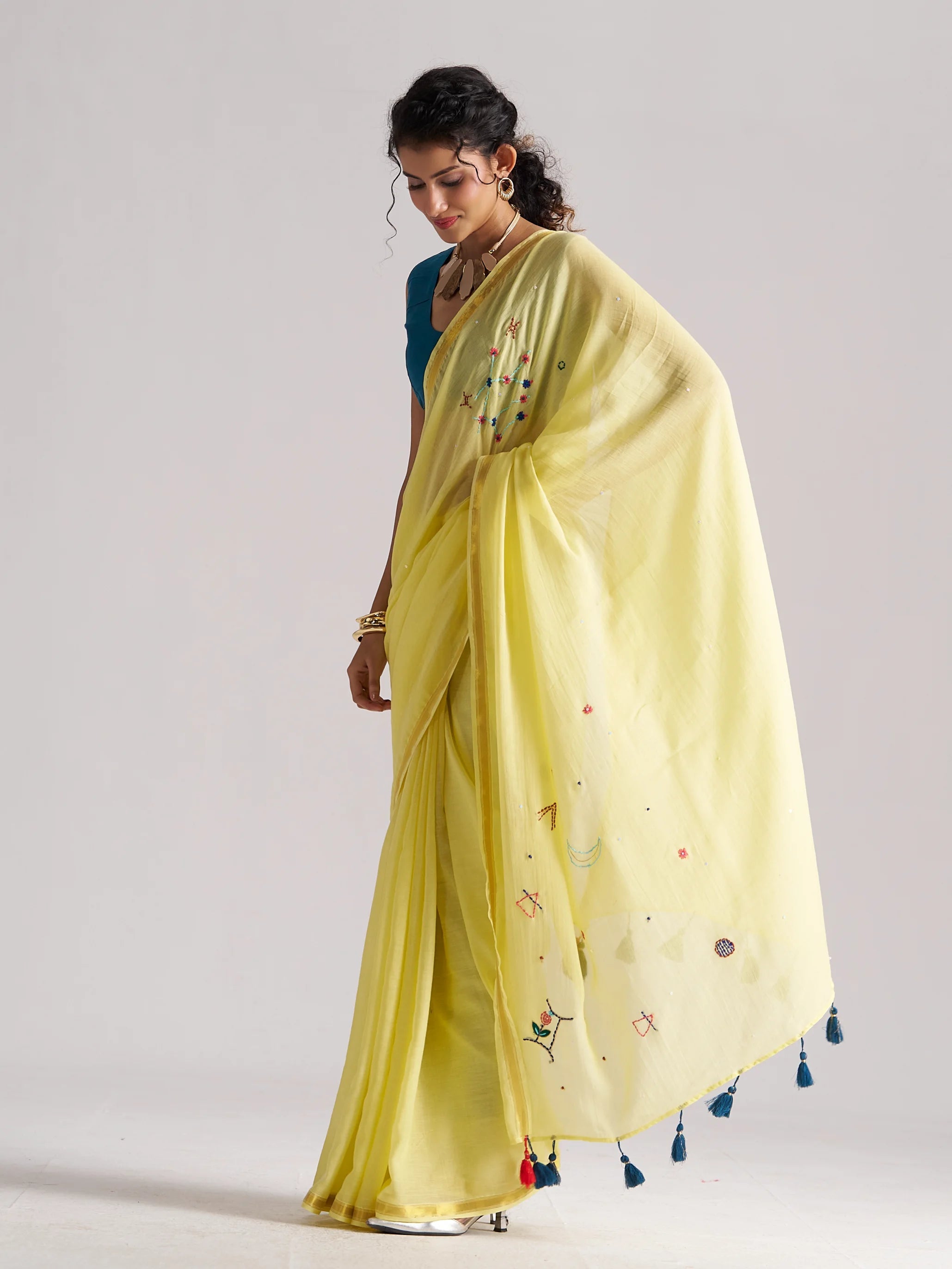
YELLOW MULMUL COTTON THREAD WORK SAREES
Sale price₹ 2,990
Regular price₹ 5,490


DARK GREEN MULMUL COTTON THREAD WORK SAREES
Sale price₹ 2,990
Regular price₹ 5,490


BROWN MULMUL COTTON CAPRICORN CELESTIAL THREAD WORK SAREES
Sale price₹ 2,990
Regular price₹ 5,490


RUST ORANGE MULMUL COTTON THREAD WORK SAREES
Sale price₹ 2,990
Regular price₹ 5,490
we are available on :


Shop By Video Call

Visit Dungrani store

Express Delivery

Cash on delivery

Secure payment

Premium Fabrics

Guaranteed

Made in India
Our Happy Customers

DIPALI BHASIN
The Mono Chrome Pure Bemberg Satin Gaji Silk Saree feels luxurious and drapes beautifully.

DR. JAI MADAN
Its so soft & comfy saree! It surely is a style statement piece

ANCHAL DEVNANI
The denim-look saree feels soft, breathable, and easy to carry. It gives a trendy denim vibe with a comfortable, stylish drape.

ANKITA PATEL
Super soft, breathable Liva Viscose Mul saree with a beautiful drape

ANU ROY
"Such an amazingly rare fit. Love the fabric. Simply beautiful"


DOWNLOAD OUR APP
Discover timeless sarees and ethnic wear for women and men all in one app.
Handpicked designs, rich fabrics, and styles for every occasion.
Download now and dress tradition with confidence.


FEATURED IN
From textile tales to fashion pages.
 IN
IN


STYLING WITH INNOVATION
X


From textile tales to fashion pages.
IN
Style Stories

How to Wear Ready to Wear Saree?
Wearing a saree is a beautiful way to celebrate our Indian culture. Most women love how a saree looks on them. However, the traditional styles of saree draping cannot be so easy for some women, especially beginners. It takes a long time to get the pleats perfect. You might worry about the saree coming loose during an important event.
A ready to wear saree is the perfect solution for these problems. It helps you look elegant without any of the usual stress. This guide will show you how to wear ready to wear saree easily.
What Are Ready-to-Wear Sarees?
If you’re new to these sarees, you might wonder what they are and how to wear ready to wear saree. Ready-to-wear sarees are pre-draped or pre-stitched saree. They’re among the top saree trends at present.
They’re designed to give you a perfect look without the hard work. Many people also call it a one-minute saree. The pleats and pallu (the loose end that falls on your shoulder) are already stitched or fixed, so you don’t need to drape them from scratch. Understanding how to wear pre draped saree is simple once you know the basics.
You simply wear it like you'd wear a skirt or gown. It looks exactly like a traditional saree once you put it on. But without the complexity of draping.
What Are the Benefits of Ready-to-Wear Saree?
There are many reasons why modern women are choosing these sarees and learning how to wear pre draped saree. Here are some of the problems we face with traditional draping that ready-to-wear sarees are solving:
Saves time: Draping a traditional saree takes 10 to 15 minutes. Sometimes more if you want it perfect. You can master how to wear ready to wear saree in 30 seconds to 60 seconds with very little effort. That's a huge difference when you're running late.
No draping skills needed: Not everyone grows up learning to drape a saree. That's completely fine. But you don't need any special skills to know how to wear ready to wear saree. If you can wear a skirt, you can wear this.
Perfect for beginners: First time wearing a saree? This is your best friend. You get the traditional look without the stress. Once you learn how to wear pre draped saree, no one will know it’s pre-stitched.
Stays in place: Traditional sarees can come undone. A pleat slips. The pallu falls off your shoulder. Ready-to-wear sarees are stitched to stay. You can move freely. Dance at weddings. Climb stairs. No constant adjustments needed.
Travel-friendly: Travelling with a saree usually means carrying extra pins and dealing with wrinkles. Ready-to-wear sarees pack more easily. They hold their shape better. Less fuss when you reach your destination.
Step-by-Step Guide: How to Wear Ready to Wear Saree
Getting ready is very simple. Some women watch a 1 minute saree tutorial while wearing it. But you can easily wear ready to wear saree step by step with this quick process:
Step 1 — The base layer: Put on your footwear before you start the draping process. This helps you decide the correct height for the saree. You don’t want the saree to be too short or too long.
Step 2 — Putting it on: Step into the saree just like you would wear a skirt. Most Dungrani ready-to-wear sarees have a simple wrap-around design. Make sure the pleated section is exactly in the centre of your waist. This is a crucial part of learning how to wear pre stitched saree.
Step 3 — Securing the waist: Locate the hooks or the zipper on the waistband. Fasten them according to your comfort level for a snug fit. The saree should feel secure but not too tight around your stomach. This is a key part of learning how to wear a ready-to-wear saree.
Step 4 — Setting the pallu: Take the long end of the fabric called the pallu. Bring it across your front and over your left shoulder. You can pin it lightly if you want a sharper look. Most ready-to-wear saree styles have a pre-pleated pallu for ease. Knowing how to drape a ready to wear saree becomes effortless at this step.
Step 5 — The final adjustments: Check the length of the saree in a full-length mirror. Fix the blouse or top you’re wearing underneath. You can also wrap a belt around your waist for a modern and stylish look. Choose simple jewellery if you want a casual look or heavier pieces for parties.
Different Styles of Ready-to-Wear Sarees at Dungrani
Dungrani has a wide variety of designs to suit your taste. You can find a style for every special moment in your life.
Pre-draped Ready to Wear Sarees
These sarees come with the pleats and pallu already fixed in place. They’re very helpful if you want a neat look in seconds. For example, the Pink Art Silk Blend Pre-Draped Ready to Wear offers a rich and shiny finish. It’s a great choice for evening parties.
Pre-stitched Ready to Wear Sarees
These styles are designed to be worn just like a skirt. You can simply step into them and secure the waist. The Sky Blue Soft Organza Ready-to-Wear Saree is a popular pick from this range. It has a light and airy feel that’s perfect for summer events.
How to Choose the Right Ready-to-Wear Saree: Pre-Purchase Tips
Choosing the right ready-to-wear saree makes a big difference in how you look and feel. Before learning how to wear saree, the choice depends on your body type and the occasion. Here’s how you can pick the perfect piece for yourself:
By Body Type
Hourglass body: If you have an hourglass figure, you're pretty lucky because most saree styles will work beautifully on you. Belt sarees are especially flattering since they highlight your natural waist. Pre-pleated sarees also look amazing on hourglass bodies when you understand how to wear ready to wear saree correctly.
Apple-shaped body: If you have an apple-shaped body and tend to carry weight around your middle, sarees with vertical pleats will be your best friend. They create a natural slimming effect. We would suggest skipping belts at the waist since they draw attention to the midsection. Instead, let the pallu drape loosely over your stomach area for a more flattering look.
Pear-shaped body: For those with this body shape, where your hips are wider than your shoulders, you should look for sarees that have heavy or embellished pallus. Learning how to wear pre draped saree with the right style helps balance out your proportions by drawing attention upward. Try to avoid heavy embroidery or embellishments around the hip area, as this can make that area look wider.
Petite frame: Women with petite frames should be careful with heavy borders. Big, bold borders can overwhelm a smaller frame and make you look even shorter. Instead, pick sarees without heavy borders or with minimal border work. Gown-style sarees work particularly well on petite women because they create one seamless vertical line. Once you master how to wear ready to wear saree, you can experiment with different lengths.
Tall frame: If you're tall, you have the advantage of being able to carry bold patterns and heavy borders without them overwhelming you. Dhoti-style sarees look fantastic on tall frames because they add interesting visual breaks to your appearance. Feel free to experiment with longer pallu lengths, too.
By Occasion
Office or workwear: When it comes to office wear or professional settings, you want to keep things elegant but understated. Cotton or cotton-blend ready-to-wear sarees are perfect for work. Learning how to wear pre draped saree for office settings means choosing subtle styles. Stick with subtle colours like navy, grey, or beige. Keep embellishments minimal or skip them because you want to look professional without appearing overdressed for the workplace.
Wedding functions: Wedding functions are where you can really have fun and go all out. This is the time for silk, georgette, or chiffon sarees with heavy embroidery and embellishments. Rich colours like maroon, emerald green, and royal blue look stunning at weddings. Knowing how to wear ready to wear saree for grand occasions ensures you look your absolute best.
Festive occasions: For festive occasions like Diwali, Navratri, or Durga Puja, bright colours are the way to go. Choose yellow, pink, orange, and red. Look for sarees that have gold or silver work to really capture that festive spirit. Learning how to wear pre draped saree makes getting ready for festivals so much easier. Georgette ready-to-wear sarees are perfect for these occasions because they're comfortable enough to wear all day while still looking elegant.
Casual outings: When you're just meeting friends or attending family gatherings, you don't need anything too fancy. Cotton or linen ready-to-wear sarees are ideal for casual outings. Pastel shades and light prints work beautifully for these relaxed settings. You'll be comfortable and stylish without looking like you tried too hard.
Party wear: For cocktail parties or evening events, you want something more glamorous and eye-catching. Satin or sequined ready-to-wear sarees are perfect for these occasions. Colours like black, wine, or metallic shades look gorgeous for party wear. Don't forget to pair these with bold jewellery to complete the look.
By Fabric
Cotton: Cotton is your go-to fabric for daily wear and daytime events. It's breathable and comfortable, which makes it perfect for Indian weather. Cotton sarees are also easy to maintain, so you don't have to stress about special care when learning how to wear ready to wear saree.
Silk: Silk sarees are traditional and elegant. They're ideal for weddings and religious ceremonies because they have that rich, luxurious look. Just keep in mind that silk requires more careful handling than other types of saree fabrics, so you'll need to treat it gently.
Georgette: Georgette is a lightweight and flowy fabric that creates beautiful drapes. It's versatile enough to work for almost any occasion, and it's easy to pack for travel without worrying too much about wrinkles.
Chiffon: Chiffon is similar to georgette but slightly sheerer, which gives it a very graceful appearance. It looks stunning, but you'll definitely need a good petticoat underneath since the fabric is more see-through. Chiffon sarees are great for evening wear when you want that elegant, flowing look.
Satin: Satin has a smooth and glossy finish that gives a very modern look. It's perfect for parties and contemporary events. Though it can be a bit tricky to wear in humid weather since the fabric doesn't breathe as well.
Net: Net fabric is often used with embroidery or embellishments to make a bold statement. These sarees work wonderfully for weddings and grand celebrations where you really want to stand out.
Also Read: Mistakes to Avoid While Draping Saree
How to Style Your Ready-to-Wear Saree?
The saree is just the beginning of your look. You can use different blouses and accessories to make yourself stand out.
Blouse Options
Crop tops: These blouses are very modern and work beautifully with high-waisted ready-to-wear sarees. They show just a bit of midriff, which makes them great for parties and contemporary events.
Designer blouses: These blouses with heavy embroidery or embellishments are perfect for weddings. Just make sure the blouse doesn't overpower your saree. You want a balance between the two, so if your saree is heavily worked, go lighter on the blouse and vice versa.
Cape blouses: These blouses have an attached cape and are very trendy right now. You can let the cape replace the pallu for a unique modern look, or wear it under the pallu for added elegance and movement.
Jacket-style blouses: These blouses are longer and look like short jackets. They cover the midriff completely, which is a good option if you prefer not to show too much skin. These work really well for formal events and give a sophisticated look.
Sleeveless or strappy blouses: These blouses show off your arms and shoulders. They're best suited for evening events where you want to look a bit more glamorous.
Full-sleeve blouses: These blouses are traditional and elegant. They work wonderfully for religious occasions and are also practical for cooler weather when you want a bit more coverage.
Accessories
Jewellery: When it comes to jewellery, think about balance. If you're wearing a heavy, embellished saree, go minimal with your jewellery. Simple earrings and maybe a delicate bracelet are enough. You don't want to look overloaded. On the other hand, if your saree is simple and understated, you can definitely wear bolder jewellery. This is the time for chunky necklaces, chandelier earrings, or stacked bangles. Let your accessories become the focal point.
Belt: A belt can completely transform how your saree looks. Metallic belts add a touch of glamour and shine. Embroidered belts give a more traditional feel. Thin belts look elegant and understated, while broader belts create a bolder look. The trick is to wear the belt slightly above your saree waistline rather than directly on it. This creates a nice layered effect and adds visual interest to your outfit.
Bags: Small clutches work best with sarees. Choose one that complements your colour scheme without matching it exactly. Potli bags add a traditional touch and are perfect for weddings and festive events. Box clutches have a very modern, sleek look. Whatever you do, AVOID big bags. They really do ruin the flow and drape of your saree. Keep it small and elegant.
Footwear: Heels are a classic choice with sarees because they elongate your legs and make you look taller. If you're going to be on your feet for hours at a wedding or event, wedges are more comfortable while still giving you that height. For casual sarees, Kolhapuris are a great choice. They're comfortable and have that effortless ethnic vibe. Juttis are perfect for traditional occasions and come in so many beautiful designs. Try to match your footwear colour to either your blouse or your saree for a coordinated look. If you're not sure what colour to pick, you can't go wrong with neutrals like gold, silver, or nude tones.
Hairstyles
Your hairstyle matters more than you might think.
Wearing your hair up shows off the saree's neckline and lets your jewellery shine.
A neat bun is always classic and timeless.
Side-swept hair has a romantic feel to it.
If you want something more modern, try a half-up, half-down style.
You can wear your hair down, too, but make sure it's styled and not just left loose and messy. Soft curls look lovely, and so does straight, sleek hair. Both work well with sarees.
For traditional events like weddings or religious ceremonies, consider adding fresh flowers to your hair. Jasmine or roses pinned into a bun look absolutely beautiful and smell amazing, too.
Say Goodbye to Falling Pallus and Messy Pleats Forever!
We all love how a saree looks, but many of us struggle with the actual draping part. The ready-to-wear sarees from Dungrani are the perfect solution because they’re already pleated and stitched for you. You simply wrap a saree around, and you’re ready to go. They’re easy to wear, easy to carry, and even easier to store in your cupboard.
We hope this guide helps you feel more confident about choosing this modern saree. If you need help picking the right saree or style, get in touch with us to get expert tips!
Frequently Asked Questions
What do you wear under a ready-to-wear saree?
Under a ready-to-wear saree, you usually wear seamless innerwear (like boy shorts or briefs). Some women wear a lightweight petticoat, a saree shaper/shapewear skirt, or sometimes nothing if the saree has built-in lining/structure. This depends on the fabric and what kind of shape or look you're going for.
Should I pin the pallu of a ready-to-wear saree?
Many ready-to-wear sarees have a pallu that’s already pleated for you. You should place it over your left shoulder and use one pin. This keeps the fabric from sliding off while you move.
What should I do if the saree feels too long?
If the saree is too long, you can adjust the hooks on the waistband. You might also need to wear higher heels to lift the fabric. Always check the length in a mirror before leaving.
How do I make sure the saree stays in place while dancing?
Ready-to-wear sarees are stitched to stay secure during heavy movement. You should ensure the waist hooks are fastened tightly enough. Adding a shoulder pin will also keep the pallu from falling.
Can I change the blouse of my ready-to-wear saree?
You can pair your saree with different tops like crop tops or jackets. Make sure the blouse fits well underneath the pre-stitched waistband. This allows you to create many different looks with one saree.

Types of Saree Fabrics: The Ultimate Shopper’s Cheat Sheet
Have you ever felt confused by the endless variety of saree fabrics available in the market today? Do you find it difficult to identify authentic handloom fabrics when shopping? Being able to spot the real fabric saves you money and ensures you get high-quality.
In this blog, you’re going to explore a detailed saree fabrics list, from breathable to luxurious saree fabric names with pictures. We'll help you become a smarter shopper by teaching you exactly how to choose a saree that flatters your figure, help you achieve the perfect saree draping style, and fit the occasion just perfectly.
Cottons and Related Saree Fabrics List
Cotton is often the first choice for many because it feels so natural and light on the skin. It’s especially popular for people living in warmer climates where staying cool is the main priority.
Plain cotton
Plain cotton sarees are simple, woven sarees available in a range of weaves and weights, valued for daily comfort and breathability, often topping a saree fabrics list.
Origin: Ancient India
Feel: Cotton feels soft or crisp depending on finish and always offers a cool, familiar touch on the skin.
Visual cues to identify: Matte surface, visible yarn texture and simple prints or plain bodies.
Pros: Comfortable, easy to wash and affordable for regular use.
Cons: It wrinkles easily and can look casual for formal events.
Best for: It’s the best saree fabric for summer outings, daily wear, office, and informal gatherings.
Care & storage: Machine wash or handwash in cool water. Dry in shade and iron while slightly damp for crisp pleats. Fold and store in a dry place.
Khadi
Khadi is a handspun and handwoven types of saree fabrics, usually cotton, known for its artisanal texture and sustainable production.
Origin: Gujarat
Feel: Khadi feels slightly coarse compared to mill-made cotton and shows visible slubs from handspun yarns that give it character.
Visual cues to identify: Irregular yarn texture, slubs and a matte finish suggest authentic khadi.
Pros: Eco-friendly, durable and unique in appearance.
Cons: Irregularities may not appeal to everyone, and these types of saree fabrics can feel heavier than mill cotton.
Best for: It's the best saree fabric for office ethnic wear, casual events, and for anyone who loves handloom textiles.
Care & storage: Wash gently by hand or on a mild machine cycle. Dry in shade and iron at medium heat. Store folded in a dry place and avoid damp storage.
Tant
Tant is a traditional Bengali cotton saree fabric designed for lightness, quick drying and comfortable drape in hot and humid climates.
Origin: West Bengal
Feel: These types of saree fabrics feel light and airy, and can be slightly coarse depending on yarn quality. It feels cool against the skin.
Visual cues to identify: Broad colourful borders and pallus with a plain or simply patterned body are typical of Tant sarees.
Pros: Ideal for daily wear in hot weather, comfortable and usually affordable.
Cons: May look plain for very formal occasions unless embellished.
Best for: Everyday wear, puja ceremonies and casual gatherings
Care & storage: Wash by hand or on a gentle cycle. Let it dry in the shade, then iron with medium heat. Fold and store in a dry area.
Muslin
Muslin is an ultra-fine cotton fabric prized for its soft, sheer quality and delicate drape.
Origin: Dhaka (currently in Bangladesh)
Feel: Muslin feels feather-light and silky, almost floating on the body and requiring careful handling.
Visual cues to identify: An extremely fine, sheer weave and a soft glide are signs of authentic muslin.
Pros: Unmatched breathability and an elegant, airy drape.
Cons: Very fragile, prone to tearing and often expensive in authentic handwoven forms.
Best for: High-end daytime events or collector pieces
Care & storage: Dry cleaning is safest. If washing at home, use a very gentle handwash. Avoid wringing. Dry flat or in shade. Store folded in muslin with padding between layers.
Linen
Linen is a natural fibre made from the flax plant. It’s prized for its breathability and crisp, organic look.
Add this saree to your wardrobe: White Art Linen Kasavu Solid Saree
Origin: Southern Caucasus, West Asia (modern-day country of Georgia)
Feel: Cool and slightly coarse at first. Linen softens with wear and washing and becomes very comfortable.
Visual cues to identify: Visible slubs, matte finish and a slightly textured surface.
Pros: Very breathable and great in hot weather. Linen ages well and looks better with use, making it a favourite in any summer saree fabrics list.
Cons: It wrinkles easily and needs regular ironing if you want a tidy look.
Best for: It’s the best saree fabric for summer events, daytime casual events, and travel.
Care & storage: You can hand-wash linen sarees or machine wash them on a gentle setting. Dry it in the shade to prevent sun fading. Iron while slightly damp for a neat finish, and store folded in a dry place.
You may also read: Summer Saree Fabric Guide
Silk Saree Fabrics List
Silk is generally seen as the peak of luxury when it comes to Indian clothing. These sarees are usually reserved for the most important milestones and celebrations because of their rich texture and natural shine.
Kanjeevaram (Kanchipuram) silk
Kanjeevaram is a handwoven mulberry silk saree known for a rich silk body and wide, contrasting metallic borders and an elaborate pallu, often featuring temple, peacock and floral motifs.
Origin: Kanchipuram (Tamil Nadu)
Feel: The saree feels substantial and slightly crisp, with a smooth silk surface that holds pleats and structure well when draped.
Visual cues to identify: Strong colour contrasts between body and border, heavy metallic zari work on the border and pallu, and neat, dense weaving.
Pros: Extremely durable, holds pleats beautifully, and creates a regal look for important occasions.
Cons: It is heavy, often costly, and the metallic thread needs careful handling to avoid tarnish.
Best for: It's the best saree fabric for wedding in a South Indian setup, temple ceremonies and major festivals.
Care & storage: Always dry clean Kanjeevaram sarees. Store them folded in breathable muslin. Refold periodically to avoid permanent creases and keep the saree in a dry, pest-free place.
Banarasi silk
Banarasi silk refers to brocade-style sarees from Varanasi, famous for dense metallic motifs, floral jaal patterns and a heavily worked pallu.
Origin: Varanasi (Uttar Pradesh)
Feel: A Banarasi saree feels smooth with areas of raised metallic work where brocade is woven, giving it a firm and elegant drape.
Visual cues to identify: Dense zari patterns, floral or foliate jaals and a richly brocaded pallu and border.
Pros: Very ornate and festive, with classic appeal and strong visual presence.
Cons: Often heavy, requires careful storage, and handwoven types of saree fabrics are expensive.
Best for: It’s also one of the best saree fabric for wedding, receptions and festivals.
Care & storage: Dry clean only. Store wrapped in muslin or cotton. Keep away from moisture.
Muga silk
Muga silk is a rare, natural golden silk produced in Assam, prized for a warm, natural sheen and long life.
Origin: Assam
Feel: These types of saree fabrics feel smooth and slightly heavier than lighter silks, with a soft firmness that highlights their natural lustre.
Visual cues to identify: A distinctive golden-yellow tone and a natural glossy surface that differs from dyed mulberry silks.
Pros: Unique natural sheen, strong durability, and it tends to age gracefully.
Cons: There’s limited availability, fewer colour options with these types of saree fabrics, and authentic pieces command a higher price.
Best for: Assamese traditional ceremonies, weddings and special formal occasions.
Care & storage: Prefer dry cleaning. If you wash at home, do a very gentle handwash with cool water and mild soap. Dry in the shade. Store in breathable muslin and avoid prolonged bright light.
Tussar (Tasar) silk
Tussar is a wild silk with a natural slubbed texture and earthy tones that give sarees a rustic, organic appearance.
Origin: Jharkhand, Odisha, West Bengal, Chhattisgarh and other regions
Feel: These types of saree fabrics feel slightly textured because of visible slubs and have a light to medium weight with a subtle matte sheen.
Visual cues to identify: Visible slubs or irregularities in the yarn, an earthy or muted colour palette and a soft, textured surface.
Pros: Rustic charm, good breathability and a relaxed elegance suited to daytime wear and a unique saree fabrics list.
Cons: Less lustrous than mulberry silk, more prone to creasing, and delicate handwoven pieces need careful handling.
Best for: Daytime functions, office ethnic wear and casual festive looks
Care & storage: Dry cleaning is preferred. For simpler pieces, a gentle handwash in cold water will work; dry in shade and iron on low with a cloth between the iron and fabric. Store folded in cotton or muslin to prevent moisture damage.
Mysore silk
Mysore silk is pure mulberry silk sarees from Karnataka, known for a soft sheen, fine weave and understated borders.
Origin: Mysore (Karnataka)
Feel: Mysore silk feels soft and smooth and is lighter than many temple silks, which makes it comfortable to drape for long periods.
Visual cues to identify: A gentle sheen, simple bodies with contrasting zari borders and authentic hallmark labels on genuine pieces.
Pros: Refined and comfortable for extended wear while still appearing luxurious.
Cons: Understated designs may feel too simple for very opulent occasions.
Best for: It’s the best saree fabric for office festive wear, formal functions, and subtle wedding options.
Care & storage: Dry cleaning is preferred. If washing at home, do a gentle handwash. Store folded in muslin away from moisture and sunlight, and refold occasionally.
Semi-Silk and Blended Saree Fabrics List
Modern fashion has introduced many materials designed for specific types of movement or visual effects. These fabrics are often very easy to drape and work well for many occasions where you want a more modern look.
Chanderi
Chanderi is a graceful types of saree fabrics woven from silk, cotton or a silk-cotton blend and adorned with small woven motifs and thin zari lines.
Origin: Chanderi (Madhya Pradesh)
Feel: Chanderi feels soft with a gentle crispness and a subtle sheen that catches light softly while remaining lightweight.
Visual cues to identify: Small woven bootis, delicate zari stripes and a semi-transparent body with a faint shine are hallmarks of Chanderi.
Pros: Elegant, breathable and suitable for both day and evening events.
Cons: These types of saree fabrics can be delicate, and areas with zari need special care.
Best for: Pujas, day weddings and formal office wear
Care & storage: Dry cleaning is recommended. For simpler pieces, you can do a gentle handwash. Dry in shade and store folded with tissue to protect the motifs and zari.
Art Silk
Art Silk, short for artificial silk, is a synthetic fibre usually made from rayon or polyester that mimics the sheen and look of pure silk at a lower cost.
Add this saree to your wardrobe: Deep Orange Handwoven Bandhej Art Silk Saree
Origin: France
Feel: It feels smooth and silky, but can be slightly slippery and warmer than natural silk.
Visual cues to identify: High uniform shine, smooth texture, and it burns with a plastic smell, unlike real silk.
Pros: Very affordable, vibrant colours, and looks rich for photos
Cons: Less breathable than natural silk and can make you sweat in hot weather
Best for: These sarees are best for budget weddings, festivals and family functions. So, when you're ready to shop for budget-friendly silk sarees for those extra special moments, Dungrani’s Silk saree collection has exquisite options waiting for you.
Care & storage: Handwash gently or dry clean. Iron on low heat with a cloth barrier. Store hung or folded in a dry place.
Cotton-silk blends
Cotton-silk blends combine cotton and silk yarns to balance breathability and sheen, creating versatile types of saree fabrics suitable for many occasions on your saree fabrics list.
Add this saree to your wardrobe: Lawn Green Cotton Silk Gardenia Saree
Origin: Bhagalpur (Bihar), Karnataka, Chanderi; Maheshwari (Madhya Pradesh), and Eastern India
Feel: These blends feel smoother than pure cotton and lighter than pure silk, offering a pleasant hand and comfortable drape.
Visual cues to identify: A mild sheen, along with the texture of cotton and a blended yarn appearance, indicate these types of saree fabrics.
Pros: Affordable, comfortable and adaptable for both casual and formal settings.
Cons: They don’t match the luxury of pure silk, and quality can vary across producers.
Best for: Office ethnic wear, casual weddings and everyday festive dressing
Care & storage: Follow the care label. When unsure, handwash gently or opt for mild dry cleaning. Dry in shade and store folded in a cool, dry place.
Modern and Semi-synthetic Saree Fabrics List
Modern fashion has brought us lots of new materials that are made for specific kinds of movement or to create certain visual effects. These fabrics drape really easily, and they're perfect for events when you're going for a more contemporary look.
Chiffon
Chiffon is a very lightweight and sheer fabric that drapes fluidly and is used for modern saree styles and overlays. It can be made from silk, cotton, or synthetic fibres like nylon, polyester, and rayon.
Add this saree to your wardrobe: Apatite Pink Pre-Pleated Saree
Origin: France
Feel: Chiffon feels soft and floaty, and it moves easily with the body. It can cling slightly in humid weather but remains graceful.
Visual cues to identify: The fabric is sheer, floaty and slightly glossy with a delicate fall.
Pros: Drapes beautifully, comfortable for long wear and available in many colours and prints.
Cons: It snags easily, and synthetic versions are less breathable.
Best for: Evening parties, receptions and contemporary saree drapes
Care & storage: Gently hand wash in cold water without wringing. Dry flat or hang in shade. Store rolled or hung to prevent creases and snags.
Georgette
Georgette is a crepe-like fabric with a slightly grainy texture and a soft, flowing drape that works well for both casual and formal sarees.
Add this saree to your wardrobe: Retro Style Digital Printed Green Georgette Saree
Origin: France
Feel: Georgette feels light to medium in weight with a slightly pebbled surface that helps pleats hold.
Visual cues to identify: A crinkled, grainy surface and a matte to semi-shiny fall are common signs of georgette.
Pros: Forgiving with pleats, versatile and good for embellished work.
Cons: Synthetic versions can be less breathable, and seams can pucker if not sewn well.
Best for: It’s one of the best fabrics suitable for sarees for evening gowns, receptions, and flowing saree styles.
Care & storage: Handwash or machine wash on a gentle cycle, depending on fibre content. Dry in shade and iron lightly on low heat or use steam.For a lightweight feel that handles heavy embroidery beautifully, explore the exquisite options in Dungrani’s Georgette Saree collection.
Crepe
Crepe is a fabric with a textured, slightly crinkled surface that gives a graceful fall. It can be made from silk, viscose or polyester.
Add this saree to your wardrobe: Pure Crepe Digital Printed Saree
Origin: Brittany (France)
Feel: Crepe feels soft and fluid with a textured surface that enhances drape and usually resists wrinkling.
Visual cues to identify: A grainy surface and a strong, graceful fall are hallmarks of crepe.
Pros: Sleek modern look and lower maintenance for a smooth appearance.
Cons: Some crepes can snag, and synthetic versions may not feel natural.Best for: Cocktail parties, office formals and travel-friendly sarees
Care & storage: Check the fibre label always. Many crepes need gentle washing or dry cleaning. Dry in shade. Use low heat when ironing, or prefer steaming.
Upgrade your wardrobe with a low-maintenance yet luxurious fabric by choosing a beautiful masterpiece from Dungrani’s Crepe Saree collection.
Satin
Satin is a weave that produces a glossy face and a dull back. It’s often used for sarees that need a glamorous, high-shine finish and comes in silk and polyester varieties.
Add this saree to your wardrobe: Bemberg Modal Satin Digital Printed Red Saree
Origin: Medieval China
Feel: Satin feels smooth, cool and slippery with a medium to heavy weight and a polished surface.
Visual cues to identify: A bright, glossy face and a smooth, reflective texture are telltale signs of satin.
Pros: Very glamorous and suitable for evening wear.
Cons: Shows water marks and snags easily, and synthetic satin can trap heat.
Best for: Evening parties, receptions and modern bridal looks
Care & storage: Dry clean for the best results. If washing at home, use a very gentle handwash. Iron inside out on low heat with a cloth between the iron and fabric. Store on padded hangers to reduce creases.
Net
Net is an open mesh fabric used as an overlay or the base for heavily embellished sarees, producing a see-through decorative effect that usually requires lining.
Origin: Ancient India, Western civilisations
Feel: Net feels very light and airy, but can be delicate depending on mesh size and fibre.
Visual cues to identify: Visible open mesh, see-through quality and frequent heavy embellishments are signs of net sarees.
Pros: Ideal for dramatic overlays and heavily worked party sarees.
Cons: Fragile and prone to snags, and it requires a good lining to look finished.
Best for: Reception parties, cocktail events and embellished evening wear
Care & storage: Dry clean to protect both embellishments and mesh. Store rolled or flat and use a protective cloth cover to avoid snags.
Organza
Organza is a crisp, sheer fabric that gives structure to pallus and overlays and is used to create sculpted saree styles.
Add this saree to your wardrobe: Turquoise Blue Organza Rose Printed Embroidery Saree
Origin: Ancient China
Feel: Organza feels firm and slightly stiff while remaining lightweight, which helps it hold ruffles and sculpted shapes.
Visual cues to identify: A transparent look with a subtle glossy finish and a crisp hand that holds form indicate Organza.
Pros: Excellent for structured pallus, ruffles and contemporary styling.
Cons: Can be scratchy, creases easily and needs careful handling.
Best for: Bridal overlays, formal sculpted sarees and contemporary couture
Care & storage: Dry cleaning preserves structure and finish. Store folded with tissue paper between layers to avoid creases. Keep in a cool, dry place.
We have some really prett Organza Sarees at Dungrani that are great for weddings or formal parties.
Velvet
Velvet is a plush fabric with a short, dense pile that gives an intensely soft surface, often used for winter sarees and luxurious blouses.
Origin: Ancient Egypt
Feel: Velvet feels warm, heavy and velvety to the touch, with a pile that changes appearance when brushed in different directions.
Visual cues to identify: A dense, smooth pile, deep colour saturation and a nap that shifts sheen when moved identify velvet.
Pros: Very rich appearance and great for colder weather and evening events.
Cons: Heavy, attracts dust and may crush if stored incorrectly.
Best for: It’s one of the best saree fabric for winter weddings, receptions and formal evening wear
Care & storage: Dry clean only. Store flat or on padded hangers and keep covered in a breathable cloth to protect the pile. Brush the nap gently to restore the surface if needed.
Brasso
Brasso fabric, also known as “burnout” fabric, is a textile with sheer, see-through patterns created by chemically dissolving parts of a fabric blend (like silk/chiffon with net/organza), leaving opaque designs (often velvety or embroidered) against a translucent background.
Origin: Brasso originated from a chemical etching technique, popular in Indian ethnic fashion.
Feel: Slight texture where flocking lies and a smooth base.
Visual cues to identify: Raised floral or geometric motifs and slight sheen from finishing.
Pros: Decorative without heavy embroidery and good for party wear.
Cons: The finish can wear off and usually needs careful cleaning.
Best for: Evening and party sarees that want surface shine
Care & storage: Brasso usually needs gentle handling. Follow the garment label. Prefer dry cleaning for high-shine finishes. Store flat or folded with tissue to protect the surface.
Viscose
Viscose (also known as rayon) is a semi-synthetic fabric made from natural cellulose, like wood pulp or bamboo. It looks and drapes like silk but costs less. It’s often used for casual to semi-formal sarees.
Add this saree to your wardrobe: Dark Brown Viscose Mul Block Printed Saree
Origin: Viscose originated in the late 19th century as a cheap silk alternative, invented by French chemist Hilaire de Chardonnet.
Feel: Soft, smooth and fluid. It has a good fall and feels gentle on the skin.
Visual cues to identify: Silk-like drape and a mild sheen, but less natural lustre.
Pros: Affordable and comfortable with a silk-like look.
Cons: Can wrinkle and may lose shape if soaked or handled roughly.
Best for: Casual and semi-formal sarees that need a soft drape
Care & storage: Handwash viscose gently or use a gentle machine cycle. Avoid heavy wringing. Dry in shade. Because viscose can wrinkle, store folded neatly or lightly steamed before wearing.
These Viscose Sarees from Dungrani are so soft and easy to wear that you might find yourself reaching for them every single day.
Lycra / Elastane
Lycra, a brand name for the synthetic fibre elastane (also known as spandex), is a stretch fibre blended into other fabrics to add elasticity and a better fit. It’s often used for ruffle sarees.
Origin: United States
Feel: Flexible and snug, it returns to shape after stretching.
Visual cues to identify: Fabric recovers shape quickly and has a slight stretch feel.
Pros: Great for pre-stitched sarees.
Cons: Elasticity can reduce with heat or age.
Best for: Daily wear, cocktail parties, and weddings
Care & storage: Wash lycra blends on a gentle cycle. Avoid high temperatures in washing or drying, which can damage elasticity. Store folded or on a hanger without overstretching.
Polyester and Synthetic Blends
Polyester blends and synthetic sarees use polyester alone or mixed with natural fibres to offer affordable, easy-care options in many prints and finishes.
Origin: United Kingdom, United States
Feel: These fabrics feel smooth and sometimes glossy with a light to medium weight. They’re usually less breathable than natural fibres.
Visual cues to identify: Uniform sheen, a very even weave, and a consistent surface often indicate synthetic blends.
Pros: Low maintenance, wrinkle-resistant, and budget-friendly.
Cons: Less comfortable in hot weather, and cheaper finishes can look inexpensive.
Best for: Daily wear, travel, office and budget party wear
Care & storage: Most polyester sarees are machine washable and dry quickly. Use a gentle machine cycle and low heat when ironing. Store folded or hung in a dry place.
Sustainable and Coarse Natural Saree Fabrics List
Many people are now looking for eco-friendly options that have a more grounded feel. These materials often have a unique texture that stands out because of its rustic charm and durability.
Jute
Jute is a coarse bast fibre used traditionally for ropes, bags and home textiles. It’s increasingly used for rustic sarees and urban ethnic pieces.
Origin: Eastern India and Bangladesh
Feel: Stiff and rough compared to cotton and silk. It gives a very earthy, structural feel to garments.
Visual cues to identify: Coarse visible fibres, matte earthy tones and a textured surface. The weave often looks rustic.
Pros: Eco-friendly image, sturdy and gives a unique aesthetic.
Cons: Limited drape, rough hand and sensitive to moisture.
Best for: Daily wear, office wear, casual outings, semi-formal gatherings, festive events and weddings
Care & storage: Jute is best spot-cleaned or dry cleaned to avoid weakening the fibre. Store in a dry place away from humidity and pests, and avoid folding sharp creases into the weave.
Bamboo
Bamboo fabric usually refers to regenerated bamboo viscose, a semi-synthetic fibre made from bamboo pulp. It’s valued for its softness and eco-friendly image.
Origin: East Asian countries like India, China, and Japan
Feel: Very soft, smooth and breathable. It drapes beautifully and feels cool on your skin.
Visual cues to identify: Soft sheen and silk-like fall; often labelled as bamboo or bamboo viscose.
Pros: Comfortable, breathable and good for everyday wear.
Cons: True sustainability depends on processing methods and may vary.
Best for: Everyday sarees, travel and comfortable casual wear
Care & storage: Wash bamboo fabric gently by hand or toss it in the machine on a gentle cycle with mild detergent. Let it shade dry and store it folded in a cool, dry place.
Woollen Saree Fabric
When the temperature drops, you don't have to give up on wearing a saree. Woollen fabrics provide the necessary warmth while still looking incredibly elegant for winter gatherings.
Pashmina
Pashmina is a fine form of wool from the Changthangi goat. It’s treasured for its softness and insulating warmth. Pashmina is usually used for shawls, and very occasionally for delicate sarees or special weaves.
Origin: Himalayan regions of Ladakh, Kashmir, and parts of Tibet/China
Feel: Ultra soft, very light and warm. It has a lofty feel that still manages to be fine and delicate.
Visual cues to identify: Very fine and dense fibres and a soft matte surface. Authentic pieces are often labelled as pashmina.
Pros: Extremely warm and luxurious, ideal for cold weather.
Cons: Very expensive and requires delicate care and moth protection.
Best for: It’s the best saree fabric for winter weddings, festivals (Diwali, Durga Puja), formal gatherings, and parties.
Care & storage: Dry clean your pashmina or hand wash it gently in cold water with mild detergent (baby shampoo or wool wash). Dry flat to preserve shape. Store wrapped in muslin in a cool, dry place to avoid moth damage.
Speciality Saree Fabrics
Some fabrics are defined more by the specific way they are woven than just the fibres used. These speciality styles often feature intricate patterns that create a three-dimensional effect.
Brocade
Brocade is a richly woven fabric that uses supplementary metallic or coloured threads to create raised decorative patterns that sit on top of the base cloth.
Origin: Woven traditions across India and Asia. Varanasi is a major centre.
Feel: Brocade feels textured where the motifs rise above the ground fabric and usually has a firm body that helps it hold structure well.
Visual cues to identify: Raised motifs such as florals or paisleys, visible metallic threads or zari and a clear contrast in texture between patterned areas and the plain ground are signs of brocade.
Pros: Brocade looks lavish without extra embellishment and supports structured silhouettes well.
Cons: It can be heavy and stiff. The metallic threads may tarnish over time.
Best for: Engagement parties, weddings, receptions, festivals, family functions, and galas
Care & storage: Always dry clean brocade to protect metallic threads. Store the saree folded in muslin. Refold occasionally to prevent permanent creasing.
How to Choose Saree Fabric?
Now that you know the types of saree fabrics, how do you pick the "right one"? Finding the perfect saree is about balancing the event, the weather, and how the fabric behaves on your body.
Use this quick reference saree fabric guide 2026 to match the fabric to your specific needs.
Occasion and vibe
Best season
Recommended fabrics
Body type and styling tips
Daily wear or casual
(Errands, relaxing at home)
Summer or humid
Cotton, tant, khadi, linen, bamboo
For a fuller look
These types of saree fabrics are often crisp and stiff. They add volume to your frame, so they’re great if you have a slim figure.
If you’re curvy, then you might want softer cottons so you don’t look boxy.
Office and corporate
(Professional, crisp, manageable)
All seasons
Raw silk (tussar), chanderi, linen, cotton-silk, jute
Structured and neat
These fabrics hold pleats well without feeling too heavy. They give you a neat and formal look that works for almost everyone.
Stick to matte finishes like Linen or Tussar for a formal vibe.
High-end weddings
(Bridal, close family, ceremonies)
Winter or cool environments
Kanjivaram, Banarasi, muga, brocade
Regal and Tall
Heavy silks sit firmly on the body. They’re fantastic for taller women or anyone who wants a strong presence.
The heavy borders define the frame.
If you’re petite, then choose narrower borders so the fabric doesn’t overwhelm you.
Evening parties
(Glamorous, dancing)
Summer or spring
Chiffon, georgette, crepe, satin, net, Lycra
Figure hugging
These fluid fabrics cling to the body and highlight your curves. They’re perfect for hourglass figures.
Since these fabrics can be clingy, you should ensure you have a well-fitted petticoat for a smooth finish.
Winter galas
(Warm, luxurious, opulent)
Winter
Velvet, Pashmina, heavy silks
Rich and heavy
Velvet and Pashmina absorb light and look very distinct. They’re great for keeping warm without losing style.
Velvet is thick, so you can drape the pallu in narrow pleats to keep the look streamlined rather than bulky.
Fashion statements
(Red carpets, trendy events)
All seasons
Organza, tissue, Brasso
Sculptural shapes
Organza is stiff and balloons out to create bold shapes. It’s ideal if you want to add curves or volume.
If you have a fuller front body, then drape the pallu loosely rather than pleating it tightly so the stiffness doesn’t exaggerate your width.
Travel & rush hour
(Low maintenance, wrinkle-free)
All seasons
Polyester blends, art silk, crepe
Easy flow
These fabrics are easy to manage and usually resist wrinkles. They suit all body types because they fall straight down.
Choose these when you have no time to iron, as they look polished straight out of the suitcase.
Ready to Shop a Saree Like a Pro?
From daily wear options to bridal classics, the right fabric can make a world of difference. We hope this blog helps you identify quality types of saree fabrics and store them correctly for long life. Go ahead and experiment with different textures in the saree fabrics list to find your personal favourite style.
If you want specific designs, contact us to know exactly what’s new at Dungrani this month.
Frequently Asked Questions
Which saree is best for beginners?
If you’re a beginner, you can start with a georgette or crepe saree because the pleats stay in place easily. Avoid cottons or satins for your first time since they need a bit more practice to drape neatly.
Which saree should I wear for the farewell?
For the farewell, you may usually want some trendy and stylish types of saree fabrics. A Chiffon or georgette saree in a solid colour looks very elegant. You can also try a net or an Organza saree if you want to stand out.
How do I know if my saree is pure silk?
You can check the shine to know if your silk is pure because real silk changes colour slightly when you move it in light. You can also rub the fabric against your skin. Real silk will feel warm instantly, while fake silk stays cool.
Which material makes you look slim in a saree?
To achieve a slimmer appearance, you should go for soft types of saree fabrics from this saree fabrics list, like georgette, Chiffon and crepe. These materials settle down flat and don’t fluff up like cotton or Organza. This helps create a smooth shape that makes you look thinner and taller.
Which saree fabric is wrinkle-resistant?
Fabrics like polyester, georgette and crepe are the best if you want to avoid creases. They stay smooth even after sitting for hours. These are perfect if you travel a lot or hate using an iron every time you dress up.

Saree Trends 2026: Top 20 Sarees Your Wardrobe Must Have
Fashion is one of the most beautiful ways we tell the world who we are without saying a word. For many of us, the saree is the ultimate canvas for that personal story, blending our past with our modern dreams, using different saree fabrics. The saree trends 2026 show a beautiful shift toward sustainability, ease of use, and very personal details.
Whether you’re a minimalist at heart or love a bit of sparkle, this year has something that’ll speak to you. Read on to explore the 20 latest saree trends 2026 that every fashion lover should know about.
The Modern Fusion
The old rules of dressing up are gone. This year is about showing your unique personality through bold choices. These latest saree trends 2026 are perfect for women who like to stand out and look different.
Ready-to-Wear Sarees
These are pre-stitched sarees that come with fixed pleats and zippers for a perfect fit. You can put them on just like a skirt without any pinning. This style is a leader among pre draped saree trends 2026.
Why it's trending:
(i) They save time for women with fast-paced lifestyles.
(ii) They remove the struggle of creating perfect pleats manually.
(iii) You can achieve a professional look in less than a minute.
(iv) No extra help or safety pins are needed to get a secure drape.
Who it's for:
(i) Busy working professionals who need to get ready quickly.
(ii) New saree wearers and teenagers who find traditional draping intimidating.
(iii) Frequent travellers who want an easy-to-pack, stress-free outfit.
(iv) Mothers who need to change outfits rapidly during wedding events.
Best occasions: Office parties, brunch with friends, or any event where you need to get ready fast.
Styling tips: Pair it with a modern crop top or a sleeveless blouse. Opt for minimalist geometric earrings. Keep your hair in a messy bun or sleek ponytail. Use a thin waist belt for a sharp, structured look.
Digital Print Sarees
These sarees use high-definition printing technology to create sharp and vibrant patterns on smooth fabrics like satin or silk. They offer a modern and artistic look that feels very unique. These are some of the best saree trends 2026 for creative souls.
Why it's trending:
(i) Digital printing allows for detailed, artistic designs that traditional weaving can’t match.
(ii) It gives a high-fashion look without the heavy weight of hand embroidery.
(iii) Colours stay bright and do not fade away easily after washing.
(iv) It supports more creative and abstract fashion ideas.
Who it's for:
(i) Artistic souls and creative professionals who enjoy unique, painterly designs.
(ii) Experiment-loving shoppers who want to move away from traditional ethnic motifs and follow the best saree trends 2026.
(iii) College students looking for trendy and affordable ethnic wear.
(iv) Modern women who prioritise lightweight fashion for daily use.
Best occasions: Daytime events, casual outings, and creative workspaces.
Styling tips: Wear a solid colour blouse to let the print be the star. Add contemporary silver jewellery for a modern, urban look. Try a sleek bun to keep the focus on the artistic print. Carry a simple box clutch in a tone that matches your blouse.
Polka Pop Retro Sarees
These sarees feature large, playful polka dots that remind us of old-school Bollywood glamour. They bring back a fun and classic look from the 1970s, making them the latest saree trends 2026 for vintage lovers..
Why it's trending:
(i) Vintage fashion and "nostalgia-core" are making a huge comeback.
(ii) People love the playful and cheerful feel of large polka dots.
(iii) It’s an easy way to look like a cinematic diva without much effort.
(iv) Retro-inspired pieces are a top choice for Gen Z fashionistas.
Who it's for:
(i) Nostalgic fashionistas who love the 70s Bollywood aesthetic.
(ii) Playful shoppers looking for a "Barbie-core" or fun theme for parties.
(iii) Influencers who want a high-contrast, camera-friendly outfit.
(iv) Young women wanting a "fierce and festive" look.
Best occasions: Retro-themed parties, high tea, or festive celebrations with a fun twist.
Styling tips: Wear a high-neck blouse for a full vintage effect. Add a winged eyeliner and bold red lipstick to complete the look. Large hoop earrings or a chunky pearl choker work beautifully with this aesthetic. For hair, go for classic retro waves or a high bouffant. Carry a small pearl-studded handbag for a classic touch.
Zodiac Sarees
These are personalised sarees featuring beautiful thread work that represents your specific star sign. They allow you to wear your identity in a very creative way.
Why it's trending:
(i) Fashion is becoming more about personal storytelling and identity.
(ii) Customised and tailor-made motifs are a growing as saree trends 2026.
(iii) People enjoy wearing outfits that have a deeper, personal meaning.
(iv) Digital customisation tools make adding personal details easier than ever.
Who it's for:
(i) Mindful shoppers who value personalised and meaningful fashion.
(ii) Spiritual or astrology-loving women who want to flaunt their zodiac sign.
(iii) Gift-seekers looking for a special and unique birthday present.
(iv) Women who enjoy "conversation-starter" designer pieces.
Best occasions: Birthdays, intimate family gatherings, and daytime festivals.
Styling tips: A simple scoop-neck or boat-neck blouse in a neutral tone works best. Keep your accessories minimal with small star-shaped earrings. Use a thin chain with a matching zodiac pendant.
Keep the makeup dewy and natural to match the personalised vibe. Soft open curls or a loose side braid complement the personalised vibe. A delicate bracelet with celestial charms adds a finishing touch to the theme.
Denim Sarees
This trend uses soft fabric (like soft cotton, linen, or viscose) to create a saree that looks cool, modern, and mimics denim fabric. It’s a bold mix of Western casual and Indian styles, and is one of the best saree trends 2026 for urban wear.
Why it's trending:
(i) 2026 sees denim being reinvented for traditional Indian wear.
(ii) It combines high durability with a very stylish, urban look.
(iii) Younger generations love the rugged yet feminine fashion statement of denim.
(iv) Denim print sarees are much softer and easier to drape than actual denim fabrics.
Who it's for:
(i) Gen-Z students and urban dwellers who want a low-maintenance look.
(ii) Street-style influencers who want to merge casual and traditional fashion.
(iii) Women who prefer "unconventional" and bold geometric patterns.
(iv) Young professionals in creative fields like media or design.
Best occasions: Music festivals, college events, and weekend hangouts.
Styling tips: Pair it with a crisp white shirt or a denim jacket. Use bold, chunky oxidised silver jewellery for a bohemian look. A high-top bun or loose, textured beach waves suit this style. Wear it with high-top sneakers for a cool, urban vibe.
Upcycled Sarees
These sarees are made by combining different fabric pieces or refreshing old materials into new designs. They focus on ethical and sustainable saree trends 2026.
Why it's trending:
(i) Sustainability is now a top priority for modern fashion shoppers.
(ii) Eco-conscious consumers want ethical and planet-friendly products.
(iii) Circular fashion is a major trend to reduce textile waste in 2026.
(iv) Every upcycled saree is unique and tells its own special story.
Who it's for:
(i) Eco-conscious shoppers and "slow fashion" supporters.
(ii) Artisanal buyers who appreciate unique, handcrafted textures.
(iii) Women who want "one-of-a-kind" pieces that nobody else owns.
(iv) Environmentally aware Gen-Z and Millennial shoppers.
Best occasions: Cultural events, art gallery visits, and Earth Day celebrations.
Styling tips: Use traditional handmade jewellery to match the artisanal craft. Keep the blouse simple and solid to highlight the unique patchwork. A low messy bun with loose strands enhances the natural, relaxed feel. Use a fabric tote bag instead of a leather clutch for a natural look.
The Modern Classics
This section is perfect for those who deeply value tradition but want a lighter and fresher feel for their wardrobe. These are the best sarees to wear in 2026 wedding season. Heritage sarees remain a powerful symbol of luxury and Indian culture, but they are being reinvented to suit a more modern aesthetic.
Banarasi Sarees
These are heritage silk sarees from Varanasi, known for their rich gold and silver brocade work. They’re a classic symbol of luxury and Indian tradition.
Why it's trending:
(i) Designers are creating lighter versions for better all-day comfort.
(ii) Traditional motifs are being combined with fresh, modern colours.
(iii) They remain the top choice for a prestigious wedding look.
(iv) Heritage revival is a huge theme in 2026 fashion.
Who it's for:
(i) Traditionalists and brides-to-be who want a regal wedding look.
(ii) Heirloom collectors who value authentic handwoven craftsmanship.
(iii) Family elders who prefer the "opulence and tradition" of rich silks.
(iv) Women attending grand family functions or religious ceremonies.
Best occasions: Weddings, religious ceremonies, and traditional festivals.
Styling tips: Pair with a heavy choker and a neat gajra for a timeless look. Opt for a sleeveless blouse for a fresh, modern twist. A classic potli bag with gold embroidery complements the rich silk.
Kanjeevaram Sarees
These are heavy silk sarees from Tamil Nadu, famous for their vibrant colours and temple-inspired borders. They’re timeless pieces that can last for generations.
Why it's trending:
(i) They’re a lifetime investment that never goes out of style.
(ii) High-quality craftsmanship is very valued by luxury shoppers.
(iii) Rich zari borders are a major trend for grand 2026 events.
(iv) They offer a prestigious look that requires minimal extra styling.
Who it's for:
(i) Luxury investors who want a saree that doubles as a valuable asset.
(ii) South Indian brides who want an authentic, glamorous wedding look.
(iii) Women who love high-contrast colours and traditional temple motifs.
(iv) Shoppers looking for durable, high-shine fabrics for big celebrations.
Best occasions: South Indian weddings and major family milestones.
Styling tips: A contrasting silk blouse with elbow-length sleeves and traditional embroidery is ideal. Wear traditional gold jewellery to keep the look authentic. Keep the makeup glowing and very natural. Do a long braid decorated with jasmine flowers or gold hairpins. Finish the look with a gold-toned metallic clutch.
Fabric Favorites
In 2026, how a saree feels against your skin is just as important as its visual appeal. Women are increasingly prioritising trending saree fabrics 2026 that are soft, natural, and gentle for long hours of wear.
Organza Sarees
Organza is a thin, plain-weave fabric that’s very light and has a slight shine. It holds its shape beautifully for a structured yet sheer look.
Why it's trending:
(i) The translucent and sheer look is very romantic and dreamy.
(ii) It’s feather-light and perfect for long summer weddings.
(iii) Organza gives a very polished and high-end appearance.
(iv) It works perfectly with modern soft pastel shades.
Who it's for:
(i) Ethereal brides or guests who want a dreamy, weightless look.
(ii) Sophisticated women who like structured fabrics that aren't heavy.
(iii) Minimalist shoppers looking for "subtle grace".
(iv) Young women attending morning festive events or high tea.
Best occasions: Garden parties, morning weddings, and engagement ceremonies.
Styling tips: Wear a well-fitted blouse to balance the fabric's volume. Add a delicate waist belt to define your look. Dainty pearl drops or simple diamond studs keep the look ethereal. A soft floral bun or a sleek low knot works perfectly.
Tissue Silk Sarees
These sarees are made with very fine silk threads that give them a translucent and metallic look. They have a sleek sheen and a very structured fall.
Why it's trending:
(i) They offer a rich metallic glow without the weight of traditional silk.
(ii) Tissue silk drapes elegantly and creates a very grand appearance.
(iii) It’s a perfect lightweight choice for destination weddings.
(iv) This fabric feels very modern yet highly sophisticated.
Who it's for:
(i) High-fashion socialites wanting an expensive-looking glow for evening events.
(ii) Destination wedding guests needing a dressy look that travels well.
(iii) Women who prefer "high-octane" glam for cocktail parties.
(iv) Brides looking for a shimmering and lightweight reception outfit.
Best occasions: Cocktail parties, evening receptions, and festive dinners.
Styling tips: Choose a contrast blouse in a dark jewel tone to make the fabric pop. Pair it with modern silver or diamond jewellery. Do sleek, straight hair or a sophisticated updo. Take a metallic silver or gold envelope clutch.
Chiffon Sarees
Chiffon is a lightweight and slippery fabric that drapes beautifully around the body. It's incredibly soft and comfortable.
Why it's trending:
(i) It’s the most effortless fabric for all-day social events.
(ii) Chiffon is perfect for travelling as it’s very easy to manage.
(iii) It’s breathable and perfect for the tropical Indian climate.
(iv) Hand-painted designs look amazing on this fluid, soft fabric.
Who it's for:
(i) Beginners who want a saree that is easy to handle and style.
(ii) Minimalist dressers who prefer body-hugging outfits.
(iii) Professional women who want a "chic and easy-to-carry" office look.
(iv) Travellers who need a non-wrinkle, lightweight outfit for trips.
Best occasions: Office wear, casual dinners, and summer events.
Styling tips: Wear a sleeveless blouse for an ultra-modern appearance. Keep jewellery simple with a modern watch or pearl studs. Flowing open hair or a simple half-up style suits the fluid drape. Wear minimalist silver bangles or a thin, delicate chain.
Georgette Sarees
Georgette is a slightly textured fabric that is very durable and easy to drape. It’s more opaque than chiffon but still feels very light.
Why it's trending:
(i) Georgette is a versatile fabric suitable for all Indian seasons.
(ii) It holds vibrant digital prints and embroidery very well.
(iii) This fabric is famous for its beautiful and bouncy fall.
(iv) It’s ideal for active women who move around a lot.
Who it's for:
(i) Busy professionals who need a wrinkle-free saree for long days.
(ii) Multitaskers looking for a durable fabric that still looks dressy.
(iii) Women who like flowy styles that flatter all body types.
(iv) Shoppers seeking a mix of class and comfort in their wardrobe.
Best occasions: Semi-formal events, travel, and everyday wear.
Styling tips: Wear a halter-neck blouse for a very chic appearance. Statement earrings in a contrasting hue can elevate the look. Messy side-swept curls add to the bouncy fall of the fabric. Style with comfortable wedges, especially for outdoor events.
Liva Sarees
Liva fabric is a soft, fluid, and eco-friendly textile made from natural cellulosic fibres (like wood pulp from eucalyptus, birch) by Aditya Birla Group. Dungrani has partnered with Liva by Birla Cellulose to help sustainable fashion reach every environmentally conscious soul. The fabric is breathable and feels very gentle on the skin.
Why it's trending:
(i) Today’s shoppers are prioritising natural and skin-friendly materials.
(ii) It’s much softer than traditional cotton or synthetic fabrics.
(iii) Liva fabric drapes effortlessly and follows your body's movement.
(iv) It keeps you very cool during hot and humid days.
Who it's for:
(i) "Comfort-first" shoppers who hate stiff or itchy fabrics.
(ii) Women with sensitive skin who need natural, gentle materials.
(iii) Eco-conscious professionals wanting sustainable fashion alternatives.
(iv) Everyday wearers who want a "breathable and easy-to-move-in" outfit.
Best occasions: Everyday wear, long work days, and summer outings.
Styling tips: Style it with a simple cotton blouse for maximum comfort. Terracotta or wooden jewellery enhances the eco-friendly, natural feel. Keep your hair natural or in a simple low ponytail. Wear comfortable flats or juttis for a relaxed, natural look.
The Colour and Glam Edit
The right mix of colour and texture can completely transform how you look. Modern saree styles 2026 are about finding a balance between high-fashion volume and subtle, sophisticated elegance.
Ruffle Sarees
These sarees have multiple layers of frills along the borders or the pallu. They add a lot of volume and movement to your overall look.
Why it's trending:
(i) Ruffles create a stylish and high-fashion appearance.
(ii) They’re the perfect choice for dancing at sangeet ceremonies.
(iii) This style looks spectacular in Instagram photos and party lights.
(iv) It brings a playful and youthful touch to traditional ethnic wear.
Who it's for:
(i) Gen-Z shoppers who enjoy a modern twist on tradition.
(ii) Sangeet performers who need a saree that dances beautifully with them.
(iii) Creative shoppers looking for a silhouette that looks great in motion.
(iv) Playful party lovers who want to add volume and fun movement.
Best occasions: Sangeet ceremonies and glam evening parties.
Styling tips: Use a sleek, fitted blouse with a boat neck to let the ruffles remain the main star. Minimalist studs or a very thin necklace avoid clashing with the volume. A tight, sleek bun balances the layered frills. Wear high heels to better manage the fabric's volume.
Sequin Sarees
A saree covered in small, shiny discs that catch the light from all angles. It’s the top choice for evening glamour, special parties, and is considered one of the best saree trends 2026.
Why it's trending:
(i) It’s the ultimate choice for making a grand "red-carpet" entrance.
(ii) Sequin sarees are a favourite for Bollywood-inspired wedding receptions.
(iii) Shimmer and metallic glam are peaking in 2026 fashion trends.
(iv) They offer high glamour with very simple draping requirements.
Who it's for:
(i) Bold, party-loving shoppers who enjoy the "sparkle and glitter" trend.
(ii) Bollywood fans wanting to recreate their favourite celebrity look.
(iii) Night-owls attending evening functions, birthdays, or club events.
(iv) Brides looking for a "high-octane" second outfit for their reception.
Best occasions: Receptions, New Year’s parties, and evening functions.
Styling tips: Wear a sleeveless or corset-style blouse for extra glam. Use a dark lipstick to balance the shimmering fabric. Chandelier earrings or a bold statement ring work well. For hair, go for Hollywood-style waves or a high, sleek ponytail. Carry a small clutch in a matte finish to balance the shimmering fabric.
Embroidered Net Sarees
These sarees use delicate net fabric with intricate needlework and floral patterns. They offer a romantic and very feminine look for special events.
Why it's trending:
(i) The mix of sheer net and detailed embroidery is very elegant.
(ii) It provides a lightweight but very formal, expensive appearance.
(iii) Net sarees allow you to showcase designer blouses perfectly.
(iv) They’re a top choice for sophisticated high-society gatherings.
Who it's for:
(i) "Feminine romantics" who love lace and delicate fabric details.
(ii) Socialites attending high-end evening mixers or fancy dinner parties.
(iii) Women who prefer sheer, airy fabrics over heavy silks.
(iv) Bridesmaids wanting a graceful and light-colored group look.
Best occasions: Engagement parties and high-end social gatherings.
Styling tips: Opt for a designer blouse with intricate back detailing that is visible through the sheer net. Use a high-quality petticoat that matches the fabric exactly. Add diamond or crystal jewellery for some extra sparkle. Soft romantic braids with small flower pins complement this style.
Bold Floral Sarees
These sarees feature very large and eye-catching botanical prints. They create a fresh and energetic look for daytime fashion.
Why it's trending:
(i) Large florals are a major fashion statement in saree trends 2026.
(ii) They represent a global return to nature-inspired fashion themes.
(iii) Painterly floral designs are now replacing heavy thread embroidery.
(iv) They’re a perfect way to add bright, fresh colours to your wardrobe.
Who it's for:
(i) Confident "maximalists" who love bright colours and nature themes.
(ii) Spring wedding guests looking for a fresh, non-blingy outfit.
(iii) Creative professionals who want a vibrant, cheerful daytime look.
(iv) Young women attending garden parties or outdoor festive events.
Best occasions: Spring weddings and daytime garden parties.
Styling tips: Use a solid-colored blouse that matches a colour in the floral print. For jewelry, go for simple floral-inspired earrings or a plain metallic cuff. Keep the makeup light and do loose, breezy curls or a crown braid for hair. A pastel-toned sling bag matches the fresh daytime theme.
Pastel-toned Sarees
Sarees in soft, muted colours like lemon yellow, mint green, and baby pink. They offer a calm and very sophisticated look for daytime events. These are the essential saree trend colours 2026.
Why it's trending:
(i) Pastels provide a youthful and very sophisticated fashion vibe.
(ii) They’re the essential colours for all 2026 summer events.
(iii) Pastel shades offer a "soothing" look that feels very modern.
(iv) They’re part of the growing global trend.
Who it's for:
(i) Refined minimalists who want to look polished but not loud.
(ii) Daytime hosts and guests wanting a soft, classy aesthetic.
(iii) Women looking for "versatile and trendy" pieces for daytime events.
(iv) Professionals who need a subtle but elegant look for presentations.
Best occasions: Haldi ceremonies, morning events, and summer lunches.
Styling tips: Use a darker-colored blouse to create a nice visual contrast. Wear delicate rose gold or silver jewelry to match the soft tones. Do your hair tied half-up with a pearl clip. A dainty rose-gold watch completes the sophisticated look.
Monotone Sarees
A monotone saree features just one colour or gentle variations of the same shade throughout. Instead of relying on contrasting colours, these sarees let the fabric texture and intricate weaving take centre stage. These are also considered as latest saree trends 2026.
Why it's trending:
(i) Minimalism and "Quiet Luxury" are in the spotlight.
(ii) Monotone looks appear very professional and authoritative.
(iii) It’s the easiest style to pair with any type of statement jewellery.
(iv) People are choosing simpler styles over busy, heavy designs.
Who it's for:
(i) Office-going professionals wanting a soft but powerful style for the workplace.
(ii) Minimalist shoppers who believe that "less is more".
(iii) Short-statured women looking for a drape that adds the illusion of height.
(iv) Fashion influencers who want a bold, high-contrast look for the camera.
Best occasions: Corporate events, formal dinners, and upscale parties.
Styling tips: Try a blouse in the same colour but a different texture, such as velvet or lace. Add a pop of bright colour with your lipstick or handbag. Use a statement watch or bold jewellery to complete the look. Go for a sharp, sleek bob or a tight low bun. Add a pop of bright colour through your handbag or a statement watch.
Ombre Sarees
A saree that features a smooth colour gradient from one shade to another. It creates a very modern and artistic visual effect. These are widely considered the saree styling trends 2026.
Why it's trending:
(i) The gradient effect makes the saree look visually interesting in motion.
(ii) It’s a popular trend seen frequently in recent celebrity fashion.
(iii) Ombre designs add depth without needing any heavy patterns.
(iv) It’s a simple way to combine two of your favourite colours in one look.
Who it's for:
(i) Modern trend-chasers who love the celebrity-inspired looks seen on red carpets.
(ii) Shoppers who like colour-blocking but with a smoother finish.
(iii) Evening party guests wanting a look that is both sophisticated and modern.
(iv) Minimalists who want visual interest without extra embellishments.
Best occasions: Evening cocktail parties and social events.
Styling tips: Pick a blouse that matches the darkest shade in the gradient. Let the pallu flow freely to show off the beautiful colour blend. Wear long, sleek earrings that mimic the vertical flow of the gradient. Let your hair flow freely to mirror the movement of the colour blend. An ombre-effect clutch bag completes the modern artistic look.
Which of These Saree Trends 2026 Will You Wear First?
In conclusion, the latest saree trends 2026 are a beautiful mix of old-school glamour and very modern innovation. We’ve seen how personalised touches like zodiac signs and eco-friendly fabrics are becoming essential for the mindful shopper.
At the same time, the classics remain a solid investment for anyone who values heritage and high-quality craftsmanship. Embracing these saree trends 2026 allows you to celebrate your culture while staying at the forefront of global fashion.
If you’re ready to add these stunning sarees to your wardrobe, explore our exclusive collection at Dungrani. Get in touch with us for any expert styling advice.
Frequently Asked Questions
What are the biggest saree trends to look out for in 2026?
You’ll find a lovely blend of modern ease and classic beauty in the latest saree trends 2026. Key trends include ready-to-wear sarees for busy days and artistic digital prints. Shimmering tissue silk and romantic organza are also very popular for grand events.
Are readymade sarees good?
Yes, they’re an excellent choice if you have a busy lifestyle. These pre-stitched sarees come with fixed pleats and zippers, so you can put them on just like a skirt in under a minute. They remove the struggle of creating manual pleats and don’t require any pins to stay secure.
Which saree is best for a summer wedding?
For a summer wedding, you should choose a lightweight and breathable fabric. Organza is a great option because it’s feather-light and holds its shape beautifully for a polished look. Chiffon and Georgette are also ideal because they’re airy, easy to manage, and feel very comfortable on the skin.
What kind of fabric is Liva?
Liva is a soft and fluid fabric made from natural fibres like wood pulp from eucalyptus or birch trees. It’s a very breathable and eco-friendly textile that feels gentle on your skin and represents the latest saree trends 2026. It drapes effortlessly and is much softer than traditional synthetic or cotton fabrics.
Which is better, Banarasi or Kanjivaram?
Both are beautiful and are among the best saree trends 2026, so the "better" choice depends on the look you want. Banarasi sarees from Varanasi are famous for their rich gold and silver brocade work and are a classic symbol of luxury.
Kanjeevaram sarees from Tamil Nadu are known for their vibrant colours and temple-inspired borders. While both are classic, Kanjeevarams are often seen as a durable lifetime investment; modern Banarasis are now available in lighter versions for better comfort.


