
Skip to content
BUY 1 GET 10% - 2 GET 15% - 3 GET 20% OFF

COD & FREE DELIVERY AVAILABLE IN INDIA.

Cart

Your cart is empty

Article: 5 Tips To Choose The Best Saree For Your Body Type: Complete Styling & Fabric Guide
5 Tips To Choose The Best Saree For Your Body Type: Complete Styling & Fabric Guide

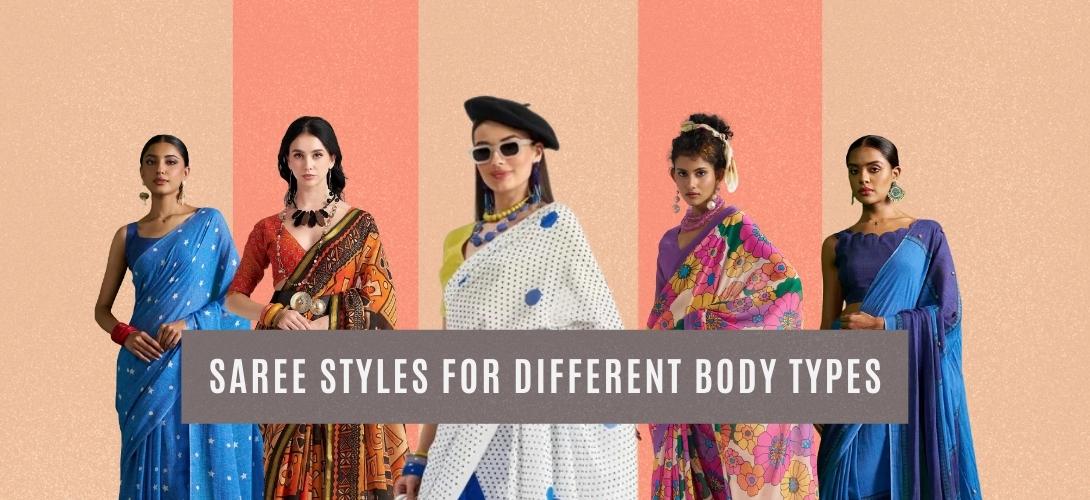
Best Saree Styles for Different Body Types

Why does the same saree look gorgeous on one woman and awkward on another? It's because of the body type. It's the variable that changes everything, how fabric drapes, where volume sits, what proportions get created. Ignore it, and you're basically shopping blind.

There’s no single "correct" body shape because every woman is built differently. The goal is to find a drape that works with your natural body structure. 

This blog will guide you through saree selection for five common body shapes with practical saree styling tips by body type. You'll learn how to choose saree for body shape, which fabrics work best, how to choose flattering colours, what blouse styles complement your figure, and easy draping tricks that make all the difference.

Key Takeaways

➤ The same saree looks different on different women because fabric fall, pleat placement, borders, and drape interact with the body structure. 
➤ Identifying whether you’re apple, pear, hourglass, inverted triangle, or rectangle helps you choose fabrics and drapes that balance proportions. 
➤ Lightweight, flowy fabrics minimise bulk, while structured fabrics add volume where needed to create visual curves. 
➤ Blouse necklines, sleeve lengths, and border widths play a major role in shaping how your saree looks on you. 
➤ Small adjustments in draping height, pleats, and pallu placement can noticeably improve overall proportions. 


Why Body Type Matters in Saree Styling?

Your body type affects how a saree looks on you. The same saree can look different on two women because of their body shapes.

A saree is six metres of fabric. How it falls and drapes depends on your body structure. Understanding, how to choose saree for body shape helps you choose sarees that look good on you.

Here's what makes a difference:

⬥ Fabric weight decides how the saree falls on your body
⬥ Pleat placement can make certain areas look balanced
⬥ Where you drape the saree changes your body proportions
⬥ Border width adds volume in specific areas


Why this matters for you?

When you drape a saree higher on your waist, you look taller. Heavy borders add structure to your frame. Light fabrics flow smoothly over your body. Each choice affects your overall look if you follow the right saree styling tips by body type.

There are women with different body shapes across regions. What works for someone else might not work the same way for you. This is normal. There’s no perfect body type for sarees. Every shape can wear a saree beautifully.

The goal is to choose saree fabrics and saree draping styles that work with your body, not against it. When you do this right, you feel comfortable and confident in your saree.


Best Saree Styles for Different Body Types

Once you understand the basic logic of your own structure, everything becomes much easier. The following sections break down saree styles for different body types so you can clearly understand how to choose saree for body shape.


1. Apple/Oval Body Shape

An apple or oval body shape is characterised by a fuller, rounded midsection, a less defined waist, and narrower hips compared to the bust and shoulders, which is why selecting the right saree for apple body shape is important.

Individuals with this shape often have slender legs and a wider back or ribcage. It’s a common, balanced, and confident silhouette often referred to as "round" in discussions around saree styles for different body types.

➤ Best Saree for Body Type:

(i) Belted sarees work wonderfully because they create instant waist definition. The belt adds structure exactly where you need it for a saree for body type like this.
(ii) Structured sarees with pleats provide shape and make your body look more defined.
(iii) A-line drapes flow away from your midsection instead of clinging to it.
(iv) Soft silk sarees drape smoothly over your body without highlighting problem areas.
(v) Half-and-half sarees with darker bottoms and lighter tops create visual balance.
(vi) Pre-stitched sarees give you a defined silhouette without the hassle of draping and are helpful if you're thinking, “Which saree suits my body type?”

➤ Recommended Fabrics:

Lightweight fabrics work best because they flow beautifully without adding bulk to your midsection, an important part of choosing the best saree for body type.

Choose these:

(i) Georgette flows smoothly and doesn't cling to your body.
(ii) Chiffon creates a lightweight and graceful fall that looks elegant.
(iii) Crepe offers structure while remaining comfortable throughout the day.
(iv) Soft silk gives you an elegant drape without any stiffness.
(v) Cotton silk is breathable and provides good structure for your saree.

Avoid these: Stiff silks add unnecessary bulk. Clingy materials highlight areas you want to balance. Sheer fabrics require too many layers.

➤ Best Draping Styles:

(i) Gujarati drape creates structure and naturally hides your midsection. This style brings the pallu from back to front over the right shoulder.
(ii) Lehenga style drape gives you a defined waist with a flowing lower portion.
(iii) Belted Nivi drape is a classic style with added definition from the belt.
(iv) Lower pallu drape draws eyes downward and away from your midsection.

Pro tip: Keep your pleats loose and flowing instead of tight (this is key in understanding how to choose saree for body shape). Tight pleats draw attention to your stomach area.

➤ Perfect Blouse Styles:

Your blouse should elongate your upper body and provide comfortable coverage, especially when styling a saree for apple body shape.

(i) V-neck or deep V blouses elongate your upper body and create a slimming effect.
(ii) Three-quarter sleeves give you balanced coverage without looking too covered up.
(iii) Longer length blouses provide coverage for your midsection and add comfort.
(iv) Princess cut blouses create vertical lines that make you look taller.

Avoid: Crop blouses expose your midsection. Tight-fitting designs highlight areas you want to balance. Horizontal patterns make your torso look wider.

➤ What to Emphasise:

(i) Focus on your beautiful arms and legs because these are your best features.
(ii) Draw attention to your elegant neckline and shoulders with interesting blouse designs.
(iii) Create interest with graceful pallu draping that flows elegantly.
(iv) Use vertical styling elements throughout your saree look when wearing a saree for body type.

➤ What to Avoid:

(i) Body-hugging fabrics cling to your midsection and highlight it.
(ii) Tight pleating around the stomach draws unwanted attention.
(iii) Horizontal borders at waist level cut your body visually and make you look wider.
(iv) Heavy embellishments at the midsection add bulk where you don't need it.
(v) High-waist draping shortens your torso and makes you look stocky.
(vi) Shiny, clingy materials reflect light and emphasise problem areas.

➤ Colour & Pattern Recommendations:

- Colours: Dark and medium tones work best for your body shape. Navy, maroon, deep green, and royal blue create a slimming effect and work well for the best saree for heavy body.
- Patterns: Vertical stripes elongate your torso. Small prints are flattering because they don't overwhelm your frame. Diagonal designs create movement and direct the eye away from the middle.
- Borders: Medium-width borders work well when placed away from your waist level.
- Pallu: Your pallu can be more embellished because it draws attention upward to your face and shoulders.

➤ Pro Styling Tips:

(i) Drape your saree slightly below your belly button for the most flattering look.
(ii) Use a well-fitted petticoat as your foundation because it smooths everything underneath.
(iii) Layer your saree with a long jacket or cape for formal events.
(iv) Draw attention with statement jewellery at your neckline to bring focus upward.
(v) Choose sarees with interesting pallu designs because people will notice them first.

➤ Height Considerations:

- Petite Apple: Avoid overwhelming fabrics that drown your frame. Choose monochrome colours because they create a continuous line.
- Tall Apple: You can carry heavier fabrics and larger prints without looking overwhelmed.
- Plus-size Apple: Prioritise comfort above everything else. Avoid stiff fabrics that don't move with your body.

➤ Top 5 picks from Dungrani:

Bright Blue Viscose Mul Studs and Stars Denim Saree 

Deep Maroon Titanium Art Silk Floral Embroidery Saree

Maroon Viscose Mul Liva Batik Printed Saree 

Teal Blue Organza Duo Dots Embroidery Saree

Pine Green Titanium Art Silk Floral Embroidery Saree

▌Related Post: How to Look Slim in Saree?

2. Pear/Triangle Body Shape

A pear or triangle body shape is characterised by having hips and thighs that are noticeably wider than the shoulders and bust. Often described as having a smaller upper body, a well-defined waist, and a fuller lower body, this shape creates a triangle-like silhouette commonly discussed in saree styles for different body types.

➤ Best Saree for Body Type:

(i) Embellished pallu sarees draw eyes to your upper body and away from your hips.
(ii) Half-and-half designs with contrasting light tops and dark bottoms create visual balance.
(iii) Heavy-worked blouse sarees shift focus upward to your shoulders and neckline.
(iv) Designer pallu sarees make a statement at the shoulder level.
(v) Boat neck blouse styles broaden your shoulder line and balance your proportions.
(vi) Vertical design sarees elongate your lower body and make you look taller when choosing a saree for pear shaped body.

➤ Recommended Fabrics:

Lightweight fabrics that flow smoothly work best for your body shape.

Choose these:

(i) Georgette is lightweight and doesn't add bulk to your lower body.
(ii) Chiffon flows beautifully and minimises your hip area.
(iii) Soft silk gives you an elegant look without stiffness.
(iv) Crepe provides a smooth drape that skims over your hips.
(v) Satin works well if it's not too clingy.

Avoid these: Stiff organza adds unnecessary volume. Thick tissue makes your lower body look bigger. Heavy silks with volume emphasise your hips.

➤ Best Draping Styles:

(i) Classic Nivi with wide pleats works well, but don't make too many pleats.
(ii) Butterfly/Seedha pallu emphasises your upper body beautifully.
(iii) Bengali style adds volume at the top and balances your proportions.
(iv) Mermaid drape can work only if you're comfortable with it.

Pro tip: Keep your lower pleats minimal and flat. Too many pleats add volume to your hips.

➤ Perfect Blouse Styles:

Your blouse is your best friend for balancing your body shape and styling a saree for pear shaped body.

(i) Boat neck widens your shoulder line and creates balance.
(ii) Off-shoulder draws attention upward to your face and shoulders.
(iii) Puff sleeves add volume to your upper body where you need it.
(iv) Sweetheart neckline looks feminine and balanced.
(v) Embellished or embroidered designs keep focus on your upper body.
(vi) Cap sleeves with details add shoulder emphasis.

Avoid: Sleeveless blouses make your shoulders look even narrower. Plain fitted blouses don't add any visual interest to your upper body.

➤ What to Emphasise:

(i) Focus on your shoulders and décolletage with beautiful necklines.
(ii) Show off your arms and upper back with interesting blouse cuts.
(iii) Create interest with beautiful pallu draping techniques.
(iv) Invest in statement blouse designs that draw the eye upward.

➤ What to Avoid:

(i) Mermaid drapes hug your hips and highlight them.
(ii) Heavy borders at the bottom add width to your lower body.
(iii) Stiff fabrics add volume below where you don't want it.
(iv) Large prints on the bottom portion make your hips look bigger.
(v) Bright colours at hip level draw attention to your lower body.
(vi) Pleats that fan out at the hips create unnecessary width.

➤ Colour & Pattern Recommendations:

- Top half: Use light colours, bright shades, and embellishments to draw attention upward.
- Bottom half: Stick to dark colours like navy, black, and deep maroon to minimise your lower body.
- Patterns: Choose busy patterns on your pallu. Keep the bottom portion minimal.
- Borders: Thin to medium borders work best. Heavy borders add width.
- Contrast sarees: Light and dark combinations create the perfect balance for your body shape.

➤ Pro Styling Tips:

(i) Invest in show-stopping blouses because they make the biggest difference for your body type.
(ii) Use padded blouses to balance your proportions and add volume on top.
(iii) Wear statement necklaces and earrings to keep attention on your upper body.
(iv) Keep your pallu pinned securely at your shoulder for a polished look.
(v) Opt for A-line petticoats instead of full flare petticoats.
(vi) Create pleats that fall straight down, not fanned out at the bottom.

➤ Height Considerations:

- Petite Pear: Choose vertical patterns throughout your saree. Avoid any volume that makes you look shorter.
- Tall Pear: You can experiment with Bengali drapes and other voluminous styles on top.
- Plus-size Pear: Focus on comfortable, flowing fabrics that don't cling to your body.

➤ Top 5 picks from Dungrani:

Bright Blue Viscose Mul Indigo Whimsy Denim Saree

White & Blue Georgette Polka Pops Digital Printed Saree

Olive Mint Soft Organza Ready to Wear Saree

Brown Zircon Soft Organza Ready to Wear Saree 

Pure Crepe Digital Printed Saree

▌Related Post: How to Style Embroidered Sarees for Every Occasion?

3. Hourglass Body Shape

An hourglass body shape is characterised by a well-defined, narrow waist with bust and hip measurements that are roughly equal in width. This balanced, curvy silhouette features proportionate shoulders and hips, with curves often extending throughout the thighs and lower body, the reason a saree for hourglass body is considered naturally flattering.

➤ Best Saree for Body Type:

(i) Fitted sarees show off your curves beautifully without hiding your natural shape.
(ii) Mermaid or fishtail drapes are perfect for your curvy figure.
(iii) Classic silk sarees look elegant and sophisticated on your balanced proportions.
(iv) Structured drapes maintain your shape and enhance your curves.
(v) Any traditional style works because the hourglass shape is ideal when choosing a saree for body type.

➤ Recommended Fabrics:

Almost every fabric looks great on you.

Choose these:

(i) Silk (all types), including Kanjivaram, Banarasi, and soft silk, looks stunning on your curves.
(ii) Chiffon flows over your curves perfectly.
(iii) Georgette drapes gracefully and elegantly.
(iv) Crepe gives you a smooth, sophisticated look.
(v) Satin provides a luxurious drape that follows your body beautifully.
(vi) Cotton silk is comfortable and flattering for everyday wear.

Only avoid: Overly bulky or extremely stiff fabrics that hide your natural shape.

➤ Best Draping Styles:

(i) Classic Nivi drape is timeless and flattering on your proportions.
(ii) Mermaid drape accentuates your curves beautifully.
(iii) Bengali style adds drama and elegance to your look.
(iv) Gujarati drape gives you traditional elegance.

Pro tip: Show off that waist! It's your best feature, and part of knowing how to choose saree for body shape.

➤ Perfect Blouse Styles:

You can experiment with almost any blouse style and look amazing in a saree for hourglass body.

(i) Deep back designs show off your curves elegantly.
(ii) Halter necks look elegant and sexy on your frame.
(iii) Boat necks give you classic sophistication.
(iv) Sweetheart necks create a romantic, feminine look.
(v) Sleeveless shows off toned arms and shoulders.
(vi) Fitted designs highlight your waist perfectly.
(vii) Crop blouses provide perfect waist emphasis.
(viii) Backless or low back looks stunning for evening events.

➤ What to Emphasise:

(i) Your natural waistline is your best asset, so always highlight it.
(ii) Show off your balanced curves with fitted styles.
(iii) Embrace your feminine silhouette with confidence.
(iv) Celebrate your elegant proportions with any saree style.

➤ What to Avoid:

(i) Overly loose, shapeless draping hides your beautiful curves.
(ii) Extremely bulky embellishments overwhelm your frame.
(iii) Too many layers hide your figure unnecessarily.
(iv) Baggy, ill-fitted blouses don't do justice to your shape.

➤ Colour & Pattern Recommendations:

All colours work for you. Bright colours, pastels, darks, and metallics all look stunning on you.

- Patterns: You can carry all patterns beautifully - vertical, horizontal, and diagonal designs all work.
- Bold prints: Your balanced proportions mean you can carry bold prints well.
- Solid colours: These show off your curves perfectly.
- Borders: Any width works on your body type.

➤ Pro Styling Tips:

Your body type is naturally balanced, so you don't need to overthink your choices.

(i) Fitted is your friend - show off those curves with confidence.
(ii) Experiment with bold styles and saree trends because you can pull them off.
(iii) You can carry statement pieces that other body types might struggle with.
(iv) Focus on what makes YOU feel confident and beautiful.
(v) Both traditional and modern styles work equally well on you.
(vi) Don't be afraid of body-hugging fabrics - they're made for your body type if you’re choosing a saree for body type.

➤ Height Considerations:

- Petite Hourglass: All styles work beautifully on you. Stick to proportionate prints that don't overwhelm your frame.
- Tall Hourglass: You can carry any fabric weight and print size. Experiment with everything!
- Plus-size Hourglass: Celebrate your curves with fitted yet comfortable fabrics. You have the advantage of natural proportion.

➤ Top 5 picks from Dungrani:

Bright Blue Viscose Mul Blue Zen Denim Saree

Bemberg Modal Satin Saree 

Black & White Monochrome Wave Print Liva Satin Saree 

Black & White Striped Monochrome Crepe Saree 

Retro Style Digital Printed Lavender Georgette Saree

▌Related Post: Best Saree Colours for Different Skin Tone

4. Inverted Triangle Body Shape

An inverted triangle body shape is defined by shoulders or a bust that are broader than the hips, creating a V-shape or T-shape silhouette, often with a strong, athletic upper body and narrower hips, and usually good legs. Understanding this helps when choosing a saree for body type that restores visual balance.

➤ Best Saree for Body Type:

(i) Sarees with heavy borders add weight to your lower body and balance your proportions.
(ii) Belted sarees create waist definition that you might naturally lack.
(iii) A-line drapes add volume at the bottom where you need it.
(iv) Structured silks like Kanjivaram and Banarasi with borders create the perfect balance.
(v) Pleated styles with more pleats add volume to your lower body.
(vi) Lehenga-style drapes give you a fuller bottom portion.

➤ Recommended Fabrics:

Structured, heavier fabrics work best for creating volume in your lower body when selecting the best saree for body type.

Choose these:

(i) Kanjivaram silk has heavy borders that add volume below.
(ii) Banarasi is a rich, structured fabric that creates shape.
(iii) Cotton silk provides good structure without being too heavy.
(iv) Tussar silk has a texture that adds dimension to your lower body.
(v) Raw silk creates shape and adds visual weight.
(vi) Organza (bottom half) adds volume where you need it.

Avoid: Sheer, clingy fabrics don't add any structure. Heavily embellished shoulder pieces draw attention to your already broad shoulders.

➤ Best Draping Styles:

(i) Gujarati drape defines your waist and adds volume to your hips.
(ii) Lehenga style gives you a fuller lower portion that balances your frame.
(iii) Classic Nivi with many pleats creates lower volume and draws eyes downward.
(iv) Maharashtrian style is structured and naturally balanced.

Pro tip: Create more pleats (8-10 pleats) for a fuller lower body. This adds the volume you need.

➤ Perfect Blouse Styles:

Your blouse should minimise your shoulder width and create vertical lines.

(i) V-neck narrows your shoulder line visually.
(ii) Sleeveless or thin straps minimise your broad shoulders.
(iii) Fitted sleeves streamline your upper body.
(iv) Longer blouses balance your proportions.
(v) Simple, minimal designs without embellishments on the shoulders work best.
(vi) Deep V or scoop necks create vertical lines that slim your upper body.

Avoid: Boat necks widen your shoulders even more. Off-shoulder styles emphasise your broad shoulders. Puff sleeves add unnecessary volume on top. Heavy shoulder embellishments draw attention upward. Horizontal necklines make you look wider.

➤ What to Emphasise:

(i) Show off your beautiful legs because they're one of your best features.
(ii) Focus on your lower body with interesting draping techniques.
(iii) Create waist definition with belts and structured draping.
(iv) Draw attention to your elegant neckline with vertical designs when learning how to choose saree for body shape.

➤ What to Avoid:

(i) Boat neck blouses widen your shoulders even more.
(ii) Heavy pallu embellishments add bulk to your upper body.
(iii) Thin borders don't add the lower volume you need.
(iv) Body-hugging georgette without structure doesn't create balance.
(v) Emphasis on the shoulder area highlights what you want to minimise.
(vi) Horizontal patterns at shoulder level make you look wider.
(vii) Off-shoulder blouses draw attention to your broad shoulders.

➤ Colour & Pattern Recommendations:

- Upper half: Use dark, solid colours to minimise your shoulder and bust area.
- Lower half: Choose lighter shades, patterns, and embellishments to add visual interest and volume.
- Borders: Wide, heavy, eye-catching borders are your best friend. They add weight to your lower body.
- Patterns: Focus patterns and prints on the lower portion of your saree.
- Strategy: Reverse the pear strategy. Add visual interest below and keep things simple on top.

➤ Pro Styling Tips:

(i) Invest in sarees with stunning borders because they make the biggest difference for your body type.
(ii) Create voluminous pleats at the front to add fullness where you need it.
(iii) Keep your pallu draping simple and minimal to avoid adding bulk to your shoulders.
(iv) Avoid statement shoulder jewellery like heavy earrings or shoulder necklaces.
(v) Use waist belts for definition because your waist might not be naturally defined.
(vi) Opt for flared petticoats that add volume to your lower body.
(vii) Draw attention downward with anklets and waist chains.

➤ Height Considerations:

- Petite Inverted Triangle: Choose medium borders. Don't go too heavy or you'll look overwhelmed.
- Tall Inverted Triangle: You can carry very wide borders beautifully without looking unbalanced.
- Plus-size Inverted Triangle: Focus on comfortable structure and waist definition. Avoid anything too stiff.

➤ Top 5 picks from Dungrani:

Charcoal Red Viscose Mul Bagh Print Saree

Electric Blue Soft Organza Ready-To-Wear Saree

Black & White Monochrome Floral Print Liva Satin Saree 

Steel Blue Viscose Mul Liva Block Printed Saree 

Moonlight Wine Soft Organza Ready-To-Wear Saree

▌Related Post: How to Wear Ready to Wear Saree?

5. Rectangle/Straight Body Shape

A rectangle body shape, also called "straight," features similar measurements for shoulders, waist, and hips, creating a balanced, linear silhouette with little waist definition, often seen as athletic or streamlined. Understanding this helps when choosing a saree for body type that adds curves and dimension.

➤ Best Saree for Body Type:

(i) Textured sarees add dimension to your straight silhouette.
(ii) Heavy border sarees create visual curves where you need them.
(iii) Ruffled or layered sarees add volume and create shape.
(iv) Printed and patterned sarees create visual interest and curves.
(v) Banarasi and Kanjivaram use their weight to create curves naturally.
(vi) Drapes with layers like Bengali or butterfly style add dimension.

➤ Recommended Fabrics:

Textured and structured fabrics are your best friends for creating curves, if you’re thinking, “How to choose saree for body shape?”

Choose these:

(i) Organza creates volume and structure beautifully.
(ii) Cotton has a texture that adds body to your silhouette.
(iii) Linen is structured and creates shape.
(iv) Tussar silk has a textured surface that adds dimension.
(v) Banarasi is heavy and creates curves naturally.
(vi) Kanjivaram uses its weight to add dimension to your frame.
(vii) Jacquard has textured patterns that create visual interest.
(viii) Net with layers adds volume where you need it.

Avoid: Clingy chiffon shows your straight silhouette. Plain georgette doesn't add any dimension. Body-hugging fabrics highlight your lack of curves.

➤ Best Draping Styles:

(i) Bengali style adds volume and creates curves beautifully.
(ii) Butterfly drape creates dimension and visual interest.
(iii) Gujarati drape with pleats gives you a structured look.
(iv) Ruffled pallu styles add visual interest and volume.
(v) Belted drapes create instant waist definition.

Pro tip: Layer and create volume everywhere! This creates the illusion of curves.

➤ Perfect Blouse Styles:

Your blouse should add volume and create curves where you don't naturally have them.

(i) Puff sleeves add curves at the top.
(ii) Ruffled designs create volume and visual interest.
(iii) Padded blouses enhance your bust and create curves.
(iv) Peplum blouses define your waist instantly.
(v) Heavily embellished designs create focal points and dimension.
(vi) High neck with work adds dimension to your upper body.
(vii) Cape sleeves create curves and drama.

Avoid: Simple, fitted blouses without details don't add anything. Sleeveless styles without embellishments show your straight silhouette.

➤ What to Emphasise:

(i) Create a waist illusion through belts and structured draping.
(ii) Add volume through textures and layers everywhere.
(iii) Use strategic embellishment placement to create curves.
(iv) Experiment with interesting draping styles that add dimension when exploring saree styles for different body types.

➤ What to Avoid:

(i) Plain, smooth fabrics don't add any dimension to your frame.
(ii) Body-hugging georgette or chiffon highlights your straight silhouette.
(iii) Simple, straight draping doesn't create any curves.
(iv) Minimalist blouses miss the opportunity to add volume.
(v) Monochrome without texture looks flat on your body type.
(vi) Single-layer draping doesn't create the dimension you need.
(vii) Very thin, sleek silhouettes emphasise your lack of curves.

➤ Colour & Pattern Recommendations:

- Colours: Bold, bright colours work beautifully and create visual interest.
- Patterns: Choose large prints, bold designs, and geometric patterns that create dimension.

- Borders: Broad, heavy, contrasting borders are perfect for creating curves.
- Combinations: Try colour blocking and contrasting blouse and saree combinations.
- Prints: Florals, abstract designs, and traditional motifs all add visual interest.

➤ Pro Styling Tips:

(i) Layer, layer, layer! This is the golden rule for your body type.
(ii) Use belts to create waist definition that you don't naturally have.
(iii) Experiment with textured fabrics because they're made for your body shape.
(iv) Don't shy away from volume - embrace it!
(v) Use padded or structured undergarments to create curves underneath.
(vi) Create pleats that have volume, not flat pleats that lie against your body.
(vii) Try pre-stitched ruffle sarees for instant dimension.
(viii) Accessorise heavily with waist chains and layered necklaces to create focal points.

➤ Height Considerations:

- Petite Rectangle: Choose medium textures. Avoid too much volume, or you'll look overwhelmed.
- Tall Rectangle: You can carry maximum volume and drama beautifully.
- Plus-size Rectangle: Focus on strategic waist definition to create curves without adding bulk.

➤ Top 5 picks from Dungrani:

Pink Art Silk Blend Pre Draped Ready to Wear

Baby Blue Georgette Tree Printed Embroidery Saree

Teal Blue Viscose Mul Liva Block Printed Saree

Hansika Silk Saree

Black & Orange Viscose Mul Liva Digital Printed Saree

Make Smarter Saree Choices From Now On!

Everybody's shape can look graceful in a saree when the styling is done thoughtfully. 

From choosing the right fabrics to balancing proportions through draping and blouse design, this blog walked you through body-specific saree styling in a clear, practical way so you can confidently pick the right saree for body type. Small details like border placement and pleat structure can completely change how a saree looks on you. 

Upgrade your wardrobe today with a beautiful and unique new saree from Dungrani. To get expert guidance, explore more body-type-friendly sarees, or receive styling support tailored to your needs, reach out to us today!

Frequently Asked Questions

1. Which saree suits my body type?

Choosing the right saree means matching fabrics and drapes to your shape using practical saree styles for different body types:

(i) Hourglass: Go for form-fitting chiffon or georgette.
(ii) Pear: Choose light fabrics with bold, embellished blouses to balance your hips.
(iii) Apple: Silk or cotton with airy fabrics and vertical prints work best.
(iv) Rectangular: Opt for structured fabrics like silk to create curves.

2. What kind of saree should I wear to look slim?

To look slim in a saree, choose lightweight, flowy fabrics like georgette, chiffon, or crepe saree for slim body type. These materials drape well. Opt for darker colours, vertical prints, or smaller patterns. 

Ensure a neat drape with narrow pleats and a well-fitted blouse. This combination creates a sleek, elongated silhouette. Avoid stiff materials and bulky borders that add volume.

3. Can plus-size women wear silk sarees? 

Yes, plus-size women can wear silk sarees beautifully by choosing the best saree for heavy body. Choose lightweight silks like crepe, Tissue, or soft Silk. These fabrics drape well and add no bulk. 

For a slimming look, pick darker colours, minimal embroidery, and thin borders. Pair them with shapewear. Avoid stiff, heavy silks and go for V-neck or U-neck blouses.

4. How to choose a saree according to body type?

Choosing the right saree means matching fabrics and drapes to your shape. For apple or round shapes, go for flowy fabrics like georgette or chiffon. For thin or rectangular bodies, stiff fabrics like cotton or organza add volume. 

Hourglass figures should focus on draping that highlights the waist. Use smaller prints for petite frames and bold, heavy fabric saree for slim body type if you’re tall enough

5. How to hide belly fat in saree style?

To hide your belly in a saree, follow these tips:

(i) Use high-waist wraps and narrow pleats for draping.
(ii) Choose slimming fabrics like chiffon or crepe.
(iii) Wear shapewear for a smooth base.
(iv) Opt for darker colours or vertical prints.
(v) Ensure your blouse fits well for a streamlined look.

Explore More

35 Iconic Saree Draping Styles: Your Ultimate Guide to the Traditional and Modern Drapes

The saree is so much more than just a traditional outfit. Sure, most of us stick to the classic Nivi drape that we see everywhere, but this six-yard piece of saree fabric actually gives you endless ways to style it. Just by changing how you fold, tuck, and pin your saree, you can completely transform your look. Looking for saree draping styles for weddings? There's a drape for that. Want some stylish saree draping styles for a party? You've got options for that, too. In this guide, you’ll explore the most popular saree draping styles with pictures that can really upgrade the way you wear your saree. Different Saree Draping Styles When it comes to wearing Fusion sarees, sarees for kitty parties, or day-to-day events, the options are as diverse as the cultures that wear them. Most of us are familiar with the standard style, but stepping out of that comfort zone can really change how you look and feel in six yards of fabric. We have put together a comprehensive list of different saree draping styles that range from the deeply traditional to the boldly modern. Nivi Style Open Pallu Saree Draping The Nivi drape is the most popular and classic way to wear a saree, while the "open pallu" variation adds a touch of modern elegance. It‘s one of the easiest saree draping styles for beginners. The Base: Start by tucking one end of the saree into your petticoat and wrapping it around once. Gather the fabric into neat front pleats and tuck them into the centre of your waist, just below the navel. The Open Pallu: Bring the remaining loose fabric (the pallu) over your left shoulder. Instead of making narrow pleats, simply pin the top edge to your shoulder and let the rest of the fabric hang freely. The Final Look: This style allows the pallu to flow loosely behind you, creating a relaxed look that beautifully showcases the saree's pattern or design. It is one of the most effortless saree draping styles for casual events. Nivi Style Pleated Pallu Saree Draping This is the classic and most widely recognised variation of the Nivi drape, known for its neat and structured appearance. It serves as a great foundation when learning saree draping styles step by step. The Base: Begin by tucking one end of the saree into your petticoat and wrapping it around your waist once. Gather the fabric into neat front pleats and tuck them securely into the centre of your waist, near the navel. The Pleated Pallu: Bring the remaining fabric (the pallu) over your left shoulder. Instead of leaving it loose, fold the pallu into even, orderly pleats and pin them neatly to your blouse. The Final Look: Adjust your pallu so it falls nicely. It should typically reach about knee length. This gives you a tidy, sophisticated look that works great for professional settings or formal occasions. Gujarati / Front Pallu / Seedha Pallu Style Saree Draping The Front/Seedha Pallu (or Gujarati drape) is a traditional style distinguished by the way the pallu is worn to the front. This makes it perfect for displaying intricate designs and stands out among other saree draping styles. The Base: Start by wrapping the saree around your waist and tucking the pleats at the centre front, just like the Nivi style. The Pallu: Bring the pallu from your back over the right shoulder to the front. This is the reverse of the standard drape, which goes over the left shoulder. The Front Look: Spread the pallu across the front of your body to showcase the saree's border and patterns effectively, creating a rich and elegant look suitable for cultural events. Create this stunning look by choosing a unique design from Dungrani’s Batik Print Sarees. Marathi / Nauvari / Kashta / Dhoti Style Saree Draping The Nauvari (also known as Kashta or Marathi saree) is a unique 9-yard traditional drape that resembles a dhoti and is usually worn without a petticoat for ease of movement. The Base (Dhoti Style): Begin by tying a knot at the waist to secure the saree. Instead of wrapping it like a skirt, pleats are tucked between the legs and secured at the back, creating a trouser-like effect. The Pallu: After the lower body drape is set, bring the remaining fabric (pallu) around to the front and drape it over the left shoulder. The Final Look: This drape style brings together the beauty of a saree with the comfort of wearing trousers. You get a traditional look that's also practical and easy to move around in. Coorgi / Kodagu Style Saree Draping The Coorgi (or Kodagu) drape is a distinctive style hailing from the Karnataka region, traditionally designed to support an active lifestyle. The Base: Unlike most styles, the pleats in this drape are tucked securely at the back of the waist instead of the front.  The Pallu: The pallu is brought from the back, wrapped around the chest, and thrown over the right shoulder. The Final Look: The pallu is often secured with a pin or a knot at the neckline (known as molakattu). This gives you a graceful look that works perfectly with a full-sleeved blouse. Parsi Style Saree Draping The Parsi drape (or Gara style) is an elegant and distinct variation, often considered a reversed version of the classic Nivi style. The Pallu: The most defining feature is the pallu, which is brought from the back over the right shoulder to the front. It’s draped across the chest, showcasing the intricate embroidery (typically Gara work) for which these sarees are famous. The Front Look: The front pleats are often kept minimal or spread out to create a flowing look, with the pallu end tucked at the left waist or left hanging gracefully. This creates a beautiful V-shape or diagonal line below the knee that makes the drape look really elegant and special. Since this style is famous for showcasing needlework, it pairs perfectly with Dungrani’s Embroidered Sarees. Kunbi Style Saree Draping The Kunbi drape is a simple, traditional style from Goa, originally designed for ease of movement in fields. The Length: The saree is draped high, finishing just below the knees, and is traditionally worn without a blouse. The Knot: A distinctive feature is the pallu brought across the chest and secured with a firm double knot on the right shoulder. The Final Look: This secure, dress-like wrap allows for maximum mobility, making it practical for work and cultural performances. Mundum Neriyathum Style Saree Draping This classic two-piece drape from Kerala is simple yet elegant. It uses two separate fabrics to create a traditional look perfect for festivals. The Lower Drape (Mundu): The bottom piece is wrapped once around the waist, with the pleats tucked into the front to form a skirt. The Upper Drape (Neriyathu): The upper piece is wrapped horizontally around the chest. To achieve this, pin the edge of the cloth to the right side of your chest, wrap it around your back once, and then pleat and neatly tuck the remaining fabric in front. The Final Look: This style highlights the garment's border across the front and chest, giving you an elegant and eye-catching look. Madisaru Style Saree Draping The Madisar is a traditional 9-yard drape worn by Tamil Brahmin women, known for its unique trouser-like structure. The Base: Start by tying a waist thread. Make 4-5 pleats with the saree end, place them on your left hip, wrap the saree around, and knot it. The Leg Tuck: Pass a second thread between your legs, tying it to the waist thread at the front and back to create the pant style. The Draping: Drape the saree at a slant above the ankles, wrap it around the waist, and bring the pallu over your shoulder. The Finish: Fold the pallu edge, tuck it at the waist, and pin the shoulder pleats securely. Pin Kosuvam Style Saree Draping The Pin Kosuvam is a traditional Tamil style distinguished by its unique pleat placement at the back. The Back Pleats: Unlike standard drapes, begin by making medium-sized pleats at the inner end of the saree and tucking them into your back waist, ensuring the folded edges are slightly visible. The Wrap: Wrap the saree around your body towards the right. For longer sarees (like 9 yards), add a second wrap for a better fit. The Final Look: Drape the pallu over your left shoulder. Pin the shoulder, front, and back pleats securely to keep the borders neat and the drape stable during movement. Bengali / Atpoure Style Saree Draping The Atpoure is a traditional Bengali drape celebrated for its distinctive double-shoulder styling. When people ask how to drape a saree for Durga Puja, this is the answer. The Base: Unlike standard drapes, these create broad, loose box pleats at the front and tuck them securely into the waist. The Double Pallu: Pin the pleated pallu to your left shoulder. Then, take the pallu corner from the back, bring it under your right arm to the front, and pin it to your right shoulder. The Final Look: This easy, flowing style works beautifully for festivals like Durga Puja. It's often finished with a traditional key bunch attached to the pallu for that authentic touch. Double Saree Draping Style The Double Saree drape involves layering two contrasting sarees to create a rich, voluminous, and royal look, often resembling a lehenga. This is one of the most innovative saree draping styles done today. First Layer (Right): Drape the first saree around your waist and bring its pallu (neatly pleated) from the back over the right shoulder to the front, similar to a Gujarati style. Second Layer (Left): Layer the second saree over the base. Pleat its pallu and drape it over the left shoulder from front to back, like a traditional Nivi drape. The Final Look: Use lots of pins to hold both layers in place. This creates a clear, defined shape that looks like a lehenga with two pallus draped together. Mix and match your favourites from Dungrani’s Silk Sarees to create this unique, layered look. Double Pallu Saree Draping The Double Pallu drape creates a sophisticated, layered appearance using a single saree to add volume and style.  The Main Layer: Start by draping the saree traditionally, placing the main pallu over the left shoulder with neat pleats. The Second Layer: Bring the remaining long fabric from the back to the front to create a "waterfall" effect or a second layer across the chest. The Final Look: This extra layer can be pinned at the front or styled into a halter-neck back, giving the saree a stylish, fuller finish with added depth. Knotted Pallu Saree Draping The Knotted Pallu drape adds a modern, stylish twist to the traditional saree drape with a decorative knot. It’s a trendy option among modern saree draping styles. The Base: Start with a tight foundational wrap around the waist and create neat front pleats, securing them firmly. The Knot: Instead of pleating the pallu over the shoulder in the standard way, gather the fabric and tie it into a chic knot near the left shoulder. The Final Look: This knot keeps your drape secure while adding a stylish touch. The look gets even better when you let the rest of the fabric flow naturally. Twisted Pallu Saree Draping The Twisted Pallu drape is a modern variation of the standard Nivi style, adding a chic and structural element to the look. It stands out among other saree draping styles for its avant-garde appeal. The Base: Begin with a traditional Nivi drape, securing the waist pleats as usual. The Twist: Instead of flat pleats, twist the pallu fabric to create a textured, rope-like effect. You can drape this twisted section over your shoulder, loop it around your neck, or wrap it around your waist. The Final Look: Tuck the end securely into the front pleats. This creates a unique "infinity" or cowl-like look that showcases the saree's design in an avant-garde way. You can also leave it free-flowing without the tuck. Maharani Style Saree Draping The Maharani style offers a regal twist to the classic drape, known for its unique finish. The Base: Start by draping the saree in the standard Nivi style. Pin the pleated pallu to your left shoulder, ensuring you leave a longer tail hanging at the back than usual. The Royal Touch: Take the loose corner of the pallu from the back, bring it around to the front, and pin it securely to the left side of your chest. The Final Look: This simple tweak takes an ordinary saree and turns it into something sophisticated and uniquely styled. Lehenga Style Saree Draping The Lehenga style drape cleverly transforms a regular saree into a voluminous, skirt-like look without needing a separate lehenga. This is a great drape for how to drape a saree for weddings. The Skirt: Instead of wrapping the fabric flat, tuck individual pleats continuously around your waist to create a full, flared skirt effect. The Pallu: Bring the pallu from the back to the front and drape it diagonally across the chest, securing it to the back side of your waist. The Final Look: This style looks great with a waist chain (kamarband) to highlight your shape and add some structure. Cancan (Back Pleated) / Half-saree Style Draping This drape gives you a really stunning look by adding a voluminous skirt underneath. It creates a gorgeous flare that makes your saree stand out, offering one of the most unique saree draping styles. The Pallu: Begin by pleating the pallu and securing it neatly to your left shoulder. The Back Tucks: Bring the fabric around to your back, make staggered pleats, and tuck them securely at the centre of your back waist to bring out the skirt's flare. The Front Finish: Finally, gather the remaining loose ends, pleat them vertically, and tuck them neatly into the front waistband to complete the look. Retro / Mumtaaz Style Saree Draping The Mumtaz drape is a retro style famous for its figure-hugging, layered look. It's a classic in the list of traditional saree drapes names. The Base: Begin by tucking the saree around your waist. Create only 2-3 small pleats and tuck them into the centre front. The Layers: Wrap the saree around your lower body multiple times. For each round, tuck the top border slightly higher than the previous one to create the signature tiered, spiral effect. The Finish: Finally, drape the pleated pallu tightly over your left shoulder to complete the fitted look. To really make those layers pop, try a solid colour saree from Dungrani’s Viscose Sarees collection. Infinity Saree Draping Style The Infinity Saree drape gives you a sleek, flowing loop effect. It’s a trendy example of how to drape a saree for a modern look. The Loop: Start with a basic waist tuck. Bring the pallu end around to the front and create loose, staggered pleats, leaving some fabric hanging. Tuck this pleated section securely into your waist. The Layering: Wrap the remaining middle section of the saree around your back and bring it forward over the tucked pleats. The Finish: Pleat this fresh layer and pin it to the first tucked part to secure the "infinity" look. Mermaid Style Saree Draping The Mermaid drape is designed to create a curvy, form-fitting look that flatters your figure. It’s quite unique compared to different saree draping styles because it covers the body beautifully. The Base: Wrap the saree around your waist and form fewer, spread-out pleats. Tuck them securely at the centre or slightly to the side. The Pallu: Bring the pallu from the back over your right shoulder so it hangs in the front, distinguishing it from standard styles. The Finish: Pull the inner corner of the front pallu across your chest and back and pin it on the waist. This creates the signature "fan" effect and a fitted profile. Waterfall Style Saree Draping The Waterfall drape gives you a flowing, cascading look with a modern twist on the classic saree. The Waterfall Pallu: Instead of standard vertical pleats, make small diagonal pleats starting from the top corner of the pallu border. Pin this and drape it over your left shoulder to create the signature rippling effect. The Cowl: Arrange the fabric around your waist to form a soft cowl on the hip, then tuck the remaining lower pleats into the centre. The Final Look: Pin the drapes in place and add a belt at the waist for a trendy, structured finish. Scarf Style Saree Draping The Scarf Style drape is great for a chic, modern look. It works best with cotton or thicker fabrics that have decorative ends like tassels, offering a casual take on how to drape a saree. The Base: Drape the saree around your waist and tuck the pleats as usual. Ensure you leave a shorter length for the pallu compared to standard styles. The Scarf Wrap: Instead of pleating the pallu over your shoulder, bunch the fabric and wrap it loosely around your neck once, just like a scarf. The Final Look: Let the end fall stylishly over your chest, keeping the wrap loose enough for comfort and movement. Neck Wrap Style Saree Draping The Neck Wrap style takes a traditional saree and gives it a unique look that feels like wearing a scarf drape. It is a bold choice among different saree draping styles. The Base: Start with a standard Nivi drape, tucking the pleats securely at the waist. The Wrap: Instead of pinning the pallu to your shoulder, wrap it around your neck like a scarf. You can keep it loose, twist it, or bring the end forward to create a stylish V-shape. The Final Look: This modern hands-free style works perfectly for formal events and gives you both elegance and comfort. Blouseless Saree Drape With the Blouseless drape, the saree itself becomes the top, so you don't need to wear a separate blouse. But if you want, you can wear a bandeau blouse that won’t show off any straps or sleeves. The Base: Start by tucking the saree from the back, making very small pleats, and keep tucking them in until you reach your left side. Wrap the fabric around your waist once and tuck it in. The Structure: Place broad, short pleats on your left shoulder. Then, pleat the remaining fabric facing left and tuck it at your right waist. The Chest Wrap: Finally, pull the back pallu tightly across your chest to cover the upper body and tuck it securely at the back. Saree Draping With Belt The Belted Saree style gives the traditional look a modern update by adding structure and a fresh touch. It simplifies how to drape a saree while keeping it secure. The Base: Begin with a standard Nivi drape. Tuck the saree around your waist, create neat front pleats, and pin the pallu over your left shoulder. The Belt: Once the drape is set, define your waist with a statement belt, whether leather, metal, or embroidered, positioned over the saree pleats. The Final Look: This easy addition keeps the pleats in place while showing off your waistline, giving you a sleek, fusion-inspired look. Saree Draping With Cape The Saree with Cape style blends traditional draping with a modern, high-fashion touch. It is perfect for those exploring different saree draping styles for winter weddings. The Base: Begin with a standard drape, such as the Nivi style. Ensure your waist pleats are neat and secure, and arrange the pallu comfortably over your shoulder. The Cape: Layer a stylish cape over your blouse and pallu to add volume, drama, and a modern touch to your look. The Final Look: Pin the cape for structure or let it flow freely, giving you an elegant, effortless look that's ideal for modern events. Saree Draping With Dupatta This style uses a contrasting dupatta to create a layered, festive "Half Saree" or "Lehenga" look. The Base: Start by normally draping the saree as you do in the Nivi-style till you make pleats and tuck it in. Leave the remaining part for later draping. The Dupatta: Tuck one end of a contrasting dupatta into your centre waist. Wrap it around your back to the front and pin it with the end you tucked. Then, pleat the rest of the dupatta and drape it across your left shoulder.  The Pallu: Pleat the remaining part of the saree and drape it over your right shoulder, from back to front. This lets the heavy border sit prominently on the body while the dupatta falls down your back. Saree Draping With Shawl As the name suggests, this style includes a shawl that you drape with your saree for a regal, winter-ready look. It adds warmth to your saree draping styles. The Base: Create broad lower pleats to minimise bulk at the waist and tuck them into the centre. Keep aside the pallu for now. The Shawl (Left): Tuck one end of the shawl at your right waist, wrap it around your back and drape it over your left shoulder, mimicking a standard Nivi pallu. The Saree Pallu (Right): Pleat the actual saree pallu and bring it from the back over your right shoulder. This double-shoulder coverage keeps you warm while looking elegant. Saree Draping With Top This fusion style pairs a saree with a top or kurti for a comfortable, trendy look. It changes how to drape a saree by replacing the blouse with modern wear. The Base: Drape the saree around your lower body like a skirt, creating neat pleats and tucking them securely into your waist. The Top: Wear a short kurti or stylish top over the saree base, covering the waistline for a clean silhouette. The Pallu: Pin the remaining loose fabric to your left shoulder, allowing it to flow freely or pleating it loosely over your arm for a relaxed finish. Saree Draping With Corset This fusion style replaces the traditional blouse with a fitted corset for a sculpted, high-fashion look. This is a bold choice among different saree draping styles. The Corset: Wear a structured corset as your top to define the waistline and add a contemporary edge to the ensemble. The Drape: Perform a standard saree drape (like the Nivi style), keeping the waist pleats smooth and neat to complement the fitted top. The Pallu: Pleat the pallu narrowly and drape it over your left shoulder. This keeps the corset visible, making it the focal point of the look. Saree Draping With Jacket / Cardigan Pairing a traditional saree drape with a jacket or cardigan adds warmth and a sophisticated touch at the same time. The Over-Layer Look: Follow the standard Nivi drape steps, then wear your jacket. Pin the pallu (pleated or flowing) over the jacket on your left shoulder. You can define your waist with a belt for a structured silhouette. The Cowl Neck Look: Alternatively, keep the pallu short. After putting on the jacket, wrap the pallu around your neck like a scarf (cowl style) and tuck the ends inside the jacket for a cosy finish that also looks trendy. Saree Draping With Shrug This layered style combines a saree with a shrug or long shirt for a modern vibe.  It's a good example of saree draping styles for casual outings. The Base: Begin by wrapping the saree around your waist and neatly tucking the pleats to form the skirt. The Layer: Wear your shrug or shirt over the base drape. The Pallu: Take the remaining loose fabric and drape it over your left shoulder, layering it over the shrug. Leave the pallu unpleated and flowing over your arm for a relaxed and breezy look. Saree Draping With Pant Replace the traditional petticoat with pants for a modern look that feels bold and different. This method of how to drape a saree with pants is popular among celebrities. The Base: Wear fitted pants instead of a petticoat. Create your saree pleats and tuck them securely into the centre front waistband of the pants.  The Pallu: Pleat the pallu neatly and drape it over your left shoulder, similar to the classic Nivi style. The Finish: Use a wide statement belt to define the waist. This secures the pleats and pallu in place while creating a structured, polished look. Saree Draping With Palazzo This trendy fusion drape pairs the elegance of a saree with the comfort of palazzo pants. It’s one of the most comfortable and different saree draping styles. The Pallu: Unlike traditional styles, start by pinning a long, pleated pallu to your left shoulder. The Back Tuck: Gather the inner border of the pallu to make small pleats and tuck them securely into the centre of your back waist. The Final Look: Bring the remaining fabric forward, pleat the edge, and tuck it into the front of your waist. This open style gives you a stylish look that shows off the palazzo pants beautifully. Which Types of Saree Drapes Are Best for Your Body Type? You want to look your best in a saree. The right draping style makes a huge difference. It highlights your best features and hides the areas you are conscious about. Let’s find the perfect drape for your unique shape among the many different saree draping styles: Pear-Shaped Body You have wider hips and narrower shoulders. You need a style that balances your look. The Seedha Pallu (Gujarati) drape works best for you. This style brings the pallu to the front. It expands your upper body visually. You can also try a classic Nivi drape with a loose, open pallu. This hides the hip width and looks very elegant. Apple-Shaped Body You might carry weight around your midriff or tummy. You need a drape that covers the waist nicely without adding bulk. The Front Pallu style is a great choice. The pallu flows freely and covers your front torso. You can also try the Coorgi style, which pins the pallu slightly higher. Avoid tucking your pleats too low on your waist. Hourglass Figure Your shoulders and hips are balanced with a well-defined waist.  You can rock almost any of the saree draping styles comfortably.  The Classic Nivi style highlights your curves perfectly. Want a modern look? Try the Mermaid drape or a Belted saree. These styles define your waist and define your look even more. Rectangular or Athletic Body Your body is straight with fewer curves. You need drapes that add volume and definition. Wear stiff fabrics like cotton or Organza. The Dhoti style drape adds nice volume to your lower body. You can also try a Mumtaz-style drape. It creates a layered look and adds the illusion of curves. Petite Body You have a shorter height and a smaller frame. You need drapes that make you look taller. Stick to the Nivi drape with neatly pinned pleats. This creates a long vertical line. Avoid big borders because they cut your height visually. A high-waisted drape also elongates your legs significantly. Plus Size or Voluptuous Body You have a curvy and fuller figure. You need smooth fabrics like Georgette sarees, Chiffon sarees or Soft Organza sarees that fall well. The Nivi drape with an open pallu looks very elegant. It covers side rolls and flows vertically. Avoid stiff cotton sarees. They might make you look broader than you are. Try Your Signature Drape With a Dungrani Saree Today! We hope this guide has inspired you to try something new with your saree. Experimenting with different saree draping styles can help you find what works best for you. You can go with a classic Nivi drape or try something bold like the Pant style, but remember that the most important thing you can wear is your confidence.  If you want to find the perfect saree to try these styles, check out the stunning collection at Dungrani. And if you need personalised advice on the best sarees for your body type, reach out to us for some expert tips. Frequently Asked Questions Which saree drape is most modern? Right now, the Belted Saree, Pant-style Saree, Palazzo Saree, and Dhoti Drape are some of the most modern ways to wear a saree. These styles blend traditional elegance with a contemporary twist. You can also drape your saree with leggings or pants underneath for a look that's both stylish and modern. Which saree style is easiest to drape? The classic Nivi drape is generally considered the easiest to learn. However, pre draped saree styles or "ready-to-wear" sarees from Dungrani are the absolute easiest options today. You just slip them on like a skirt, pin the pallu, and you’re all set to go. How many pleats are in a sari? A standard saree drape usually has between 5 to 7 pleats. The number depends on your waist size and the fabric's thickness. Thinner fabrics like chiffon allow for more pleats than thicker silk or cotton. How to get perfect saree pleats? Hold the saree fabric firmly with your fingers spread like scissors. Make pleats about 4-5 inches wide. Shake them to align the bottom hem. Secure them with a large safety pin before tucking them in. What are the mistakes while wearing a saree? One common mistake is wearing the wrong shoes after you've draped your saree. This can throw off the entire length and make it look uneven. Another issue is tying the petticoat too loosely. When it's not secure enough, your saree can slip throughout the day.  Also, many women use too many pins that end up being visible, which makes the whole look appear messy and unpolished. And finally, picking the wrong fabric for your body type can actually make you look bulkier than you are. 

Saree Trends 2026: Top 20 Sarees Your Wardrobe Must Have

Fashion is one of the most beautiful ways we tell the world who we are without saying a word. For many of us, the saree is the ultimate canvas for that personal story, blending our past with our modern dreams, using different saree fabrics. The saree trends 2026 show a beautiful shift toward sustainability, ease of use, and very personal details.  Whether you’re a minimalist at heart or love a bit of sparkle, this year has something that’ll speak to you. Read on to explore the 20 latest saree trends 2026 that every fashion lover should know about. The Modern Fusion The old rules of dressing up are gone. This year is about showing your unique personality through bold choices. These latest saree trends 2026 are perfect for women who like to stand out and look different. Ready-to-Wear Sarees These are pre-stitched sarees that come with fixed pleats and zippers for a perfect fit. You can put them on just like a skirt without any pinning. This style is a leader among pre draped saree trends 2026. Why it's trending:  (i) They save time for women with fast-paced lifestyles. (ii) They remove the struggle of creating perfect pleats manually. (iii) You can achieve a professional look in less than a minute. (iv) No extra help or safety pins are needed to get a secure drape. Who it's for:  (i) Busy working professionals who need to get ready quickly. (ii) New saree wearers and teenagers who find traditional draping intimidating. (iii) Frequent travellers who want an easy-to-pack, stress-free outfit. (iv) Mothers who need to change outfits rapidly during wedding events. Best occasions: Office parties, brunch with friends, or any event where you need to get ready fast. Styling tips: Pair it with a modern crop top or a sleeveless blouse. Opt for minimalist geometric earrings. Keep your hair in a messy bun or sleek ponytail. Use a thin waist belt for a sharp, structured look. Digital Print Sarees These sarees use high-definition printing technology to create sharp and vibrant patterns on smooth fabrics like satin or silk. They offer a modern and artistic look that feels very unique. These are some of the best saree trends 2026 for creative souls. Why it's trending:  (i) Digital printing allows for detailed, artistic designs that traditional weaving can’t match. (ii) It gives a high-fashion look without the heavy weight of hand embroidery. (iii) Colours stay bright and do not fade away easily after washing. (iv) It supports more creative and abstract fashion ideas. Who it's for:  (i) Artistic souls and creative professionals who enjoy unique, painterly designs. (ii) Experiment-loving shoppers who want to move away from traditional ethnic motifs and follow the best saree trends 2026. (iii) College students looking for trendy and affordable ethnic wear. (iv) Modern women who prioritise lightweight fashion for daily use. Best occasions: Daytime events, casual outings, and creative workspaces. Styling tips: Wear a solid colour blouse to let the print be the star. Add contemporary silver jewellery for a modern, urban look. Try a sleek bun to keep the focus on the artistic print. Carry a simple box clutch in a tone that matches your blouse. Polka Pop Retro Sarees These sarees feature large, playful polka dots that remind us of old-school Bollywood glamour. They bring back a fun and classic look from the 1970s, making them the latest saree trends 2026 for vintage lovers.. Why it's trending:  (i) Vintage fashion and "nostalgia-core" are making a huge comeback. (ii) People love the playful and cheerful feel of large polka dots. (iii) It’s an easy way to look like a cinematic diva without much effort. (iv) Retro-inspired pieces are a top choice for Gen Z fashionistas. Who it's for:  (i) Nostalgic fashionistas who love the 70s Bollywood aesthetic. (ii) Playful shoppers looking for a "Barbie-core" or fun theme for parties. (iii) Influencers who want a high-contrast, camera-friendly outfit. (iv) Young women wanting a "fierce and festive" look. Best occasions: Retro-themed parties, high tea, or festive celebrations with a fun twist. Styling tips: Wear a high-neck blouse for a full vintage effect. Add a winged eyeliner and bold red lipstick to complete the look. Large hoop earrings or a chunky pearl choker work beautifully with this aesthetic. For hair, go for classic retro waves or a high bouffant. Carry a small pearl-studded handbag for a classic touch. Zodiac Sarees These are personalised sarees featuring beautiful thread work that represents your specific star sign. They allow you to wear your identity in a very creative way. Why it's trending:  (i) Fashion is becoming more about personal storytelling and identity. (ii) Customised and tailor-made motifs are a growing as saree trends 2026. (iii) People enjoy wearing outfits that have a deeper, personal meaning. (iv) Digital customisation tools make adding personal details easier than ever. Who it's for:  (i) Mindful shoppers who value personalised and meaningful fashion. (ii) Spiritual or astrology-loving women who want to flaunt their zodiac sign. (iii) Gift-seekers looking for a special and unique birthday present. (iv) Women who enjoy "conversation-starter" designer pieces. Best occasions: Birthdays, intimate family gatherings, and daytime festivals. Styling tips: A simple scoop-neck or boat-neck blouse in a neutral tone works best. Keep your accessories minimal with small star-shaped earrings. Use a thin chain with a matching zodiac pendant.  Keep the makeup dewy and natural to match the personalised vibe. Soft open curls or a loose side braid complement the personalised vibe. A delicate bracelet with celestial charms adds a finishing touch to the theme. Denim Sarees This trend uses soft fabric (like soft cotton, linen, or viscose) to create a saree that looks cool, modern, and mimics denim fabric. It’s a bold mix of Western casual and Indian styles, and is one of the best saree trends 2026 for urban wear. Why it's trending:  (i) 2026 sees denim being reinvented for traditional Indian wear. (ii) It combines high durability with a very stylish, urban look. (iii) Younger generations love the rugged yet feminine fashion statement of denim. (iv) Denim print sarees are much softer and easier to drape than actual denim fabrics. Who it's for:  (i) Gen-Z students and urban dwellers who want a low-maintenance look. (ii) Street-style influencers who want to merge casual and traditional fashion. (iii) Women who prefer "unconventional" and bold geometric patterns. (iv) Young professionals in creative fields like media or design. Best occasions: Music festivals, college events, and weekend hangouts. Styling tips: Pair it with a crisp white shirt or a denim jacket. Use bold, chunky oxidised silver jewellery for a bohemian look. A high-top bun or loose, textured beach waves suit this style. Wear it with high-top sneakers for a cool, urban vibe. Upcycled Sarees These sarees are made by combining different fabric pieces or refreshing old materials into new designs. They focus on ethical and sustainable saree trends 2026. Why it's trending:  (i) Sustainability is now a top priority for modern fashion shoppers. (ii) Eco-conscious consumers want ethical and planet-friendly products. (iii) Circular fashion is a major trend to reduce textile waste in 2026. (iv) Every upcycled saree is unique and tells its own special story. Who it's for:  (i) Eco-conscious shoppers and "slow fashion" supporters. (ii) Artisanal buyers who appreciate unique, handcrafted textures. (iii) Women who want "one-of-a-kind" pieces that nobody else owns. (iv) Environmentally aware Gen-Z and Millennial shoppers. Best occasions: Cultural events, art gallery visits, and Earth Day celebrations. Styling tips: Use traditional handmade jewellery to match the artisanal craft. Keep the blouse simple and solid to highlight the unique patchwork. A low messy bun with loose strands enhances the natural, relaxed feel. Use a fabric tote bag instead of a leather clutch for a natural look. The Modern Classics This section is perfect for those who deeply value tradition but want a lighter and fresher feel for their wardrobe. These are the best sarees to wear in 2026 wedding season. Heritage sarees remain a powerful symbol of luxury and Indian culture, but they are being reinvented to suit a more modern aesthetic.  Banarasi Sarees These are heritage silk sarees from Varanasi, known for their rich gold and silver brocade work. They’re a classic symbol of luxury and Indian tradition. Why it's trending:  (i) Designers are creating lighter versions for better all-day comfort. (ii) Traditional motifs are being combined with fresh, modern colours. (iii) They remain the top choice for a prestigious wedding look. (iv) Heritage revival is a huge theme in 2026 fashion. Who it's for:  (i) Traditionalists and brides-to-be who want a regal wedding look. (ii) Heirloom collectors who value authentic handwoven craftsmanship. (iii) Family elders who prefer the "opulence and tradition" of rich silks. (iv) Women attending grand family functions or religious ceremonies. Best occasions: Weddings, religious ceremonies, and traditional festivals. Styling tips: Pair with a heavy choker and a neat gajra for a timeless look. Opt for a sleeveless blouse for a fresh, modern twist. A classic potli bag with gold embroidery complements the rich silk. Kanjeevaram Sarees These are heavy silk sarees from Tamil Nadu, famous for their vibrant colours and temple-inspired borders. They’re timeless pieces that can last for generations. Why it's trending:  (i) They’re a lifetime investment that never goes out of style. (ii) High-quality craftsmanship is very valued by luxury shoppers. (iii) Rich zari borders are a major trend for grand 2026 events. (iv) They offer a prestigious look that requires minimal extra styling. Who it's for:  (i) Luxury investors who want a saree that doubles as a valuable asset. (ii) South Indian brides who want an authentic, glamorous wedding look. (iii) Women who love high-contrast colours and traditional temple motifs. (iv) Shoppers looking for durable, high-shine fabrics for big celebrations. Best occasions: South Indian weddings and major family milestones. Styling tips: A contrasting silk blouse with elbow-length sleeves and traditional embroidery is ideal. Wear traditional gold jewellery to keep the look authentic. Keep the makeup glowing and very natural. Do a long braid decorated with jasmine flowers or gold hairpins. Finish the look with a gold-toned metallic clutch. Fabric Favorites In 2026, how a saree feels against your skin is just as important as its visual appeal. Women are increasingly prioritising trending saree fabrics 2026 that are soft, natural, and gentle for long hours of wear.  Organza Sarees Organza is a thin, plain-weave fabric that’s very light and has a slight shine. It holds its shape beautifully for a structured yet sheer look. Why it's trending:  (i) The translucent and sheer look is very romantic and dreamy. (ii) It’s feather-light and perfect for long summer weddings. (iii) Organza gives a very polished and high-end appearance. (iv) It works perfectly with modern soft pastel shades. Who it's for:  (i) Ethereal brides or guests who want a dreamy, weightless look. (ii) Sophisticated women who like structured fabrics that aren't heavy. (iii) Minimalist shoppers looking for "subtle grace". (iv) Young women attending morning festive events or high tea. Best occasions: Garden parties, morning weddings, and engagement ceremonies. Styling tips: Wear a well-fitted blouse to balance the fabric's volume. Add a delicate waist belt to define your look. Dainty pearl drops or simple diamond studs keep the look ethereal. A soft floral bun or a sleek low knot works perfectly. Tissue Silk Sarees These sarees are made with very fine silk threads that give them a translucent and metallic look. They have a sleek sheen and a very structured fall. Why it's trending:  (i) They offer a rich metallic glow without the weight of traditional silk. (ii) Tissue silk drapes elegantly and creates a very grand appearance. (iii) It’s a perfect lightweight choice for destination weddings. (iv) This fabric feels very modern yet highly sophisticated. Who it's for:  (i) High-fashion socialites wanting an expensive-looking glow for evening events. (ii) Destination wedding guests needing a dressy look that travels well. (iii) Women who prefer "high-octane" glam for cocktail parties. (iv) Brides looking for a shimmering and lightweight reception outfit. Best occasions: Cocktail parties, evening receptions, and festive dinners. Styling tips: Choose a contrast blouse in a dark jewel tone to make the fabric pop. Pair it with modern silver or diamond jewellery. Do sleek, straight hair or a sophisticated updo. Take a metallic silver or gold envelope clutch. Chiffon Sarees Chiffon is a lightweight and slippery fabric that drapes beautifully around the body. It's incredibly soft and comfortable. Why it's trending:  (i) It’s the most effortless fabric for all-day social events. (ii) Chiffon is perfect for travelling as it’s very easy to manage. (iii) It’s breathable and perfect for the tropical Indian climate. (iv) Hand-painted designs look amazing on this fluid, soft fabric. Who it's for:  (i) Beginners who want a saree that is easy to handle and style. (ii) Minimalist dressers who prefer body-hugging outfits. (iii) Professional women who want a "chic and easy-to-carry" office look. (iv) Travellers who need a non-wrinkle, lightweight outfit for trips. Best occasions: Office wear, casual dinners, and summer events. Styling tips: Wear a sleeveless blouse for an ultra-modern appearance. Keep jewellery simple with a modern watch or pearl studs. Flowing open hair or a simple half-up style suits the fluid drape. Wear minimalist silver bangles or a thin, delicate chain. Georgette Sarees Georgette is a slightly textured fabric that is very durable and easy to drape. It’s more opaque than chiffon but still feels very light. Why it's trending:  (i) Georgette is a versatile fabric suitable for all Indian seasons. (ii) It holds vibrant digital prints and embroidery very well. (iii) This fabric is famous for its beautiful and bouncy fall. (iv) It’s ideal for active women who move around a lot. Who it's for:  (i) Busy professionals who need a wrinkle-free saree for long days. (ii) Multitaskers looking for a durable fabric that still looks dressy. (iii) Women who like flowy styles that flatter all body types. (iv) Shoppers seeking a mix of class and comfort in their wardrobe. Best occasions: Semi-formal events, travel, and everyday wear. Styling tips: Wear a halter-neck blouse for a very chic appearance. Statement earrings in a contrasting hue can elevate the look. Messy side-swept curls add to the bouncy fall of the fabric. Style with comfortable wedges, especially for outdoor events. Liva Sarees Liva fabric is a soft, fluid, and eco-friendly textile made from natural cellulosic fibres (like wood pulp from eucalyptus, birch) by Aditya Birla Group. Dungrani has partnered with Liva by Birla Cellulose to help sustainable fashion reach every environmentally conscious soul. The fabric is breathable and feels very gentle on the skin. Why it's trending:  (i) Today’s shoppers are prioritising natural and skin-friendly materials. (ii) It’s much softer than traditional cotton or synthetic fabrics. (iii) Liva fabric drapes effortlessly and follows your body's movement. (iv) It keeps you very cool during hot and humid days. Who it's for:  (i) "Comfort-first" shoppers who hate stiff or itchy fabrics. (ii) Women with sensitive skin who need natural, gentle materials. (iii) Eco-conscious professionals wanting sustainable fashion alternatives. (iv) Everyday wearers who want a "breathable and easy-to-move-in" outfit. Best occasions: Everyday wear, long work days, and summer outings. Styling tips: Style it with a simple cotton blouse for maximum comfort. Terracotta or wooden jewellery enhances the eco-friendly, natural feel. Keep your hair natural or in a simple low ponytail. Wear comfortable flats or juttis for a relaxed, natural look. The Colour and Glam Edit The right mix of colour and texture can completely transform how you look. Modern saree styles 2026 are about finding a balance between high-fashion volume and subtle, sophisticated elegance.  Ruffle Sarees These sarees have multiple layers of frills along the borders or the pallu. They add a lot of volume and movement to your overall look. Why it's trending:  (i) Ruffles create a stylish and high-fashion appearance. (ii) They’re the perfect choice for dancing at sangeet ceremonies. (iii) This style looks spectacular in Instagram photos and party lights. (iv) It brings a playful and youthful touch to traditional ethnic wear. Who it's for:  (i) Gen-Z shoppers who enjoy a modern twist on tradition. (ii) Sangeet performers who need a saree that dances beautifully with them. (iii) Creative shoppers looking for a silhouette that looks great in motion. (iv) Playful party lovers who want to add volume and fun movement. Best occasions: Sangeet ceremonies and glam evening parties. Styling tips: Use a sleek, fitted blouse with a boat neck to let the ruffles remain the main star. Minimalist studs or a very thin necklace avoid clashing with the volume. A tight, sleek bun balances the layered frills. Wear high heels to better manage the fabric's volume. Sequin Sarees A saree covered in small, shiny discs that catch the light from all angles. It’s the top choice for evening glamour, special parties, and is considered one of the best saree trends 2026. Why it's trending:  (i) It’s the ultimate choice for making a grand "red-carpet" entrance. (ii) Sequin sarees are a favourite for Bollywood-inspired wedding receptions. (iii) Shimmer and metallic glam are peaking in 2026 fashion trends. (iv) They offer high glamour with very simple draping requirements. Who it's for:  (i) Bold, party-loving shoppers who enjoy the "sparkle and glitter" trend. (ii) Bollywood fans wanting to recreate their favourite celebrity look. (iii) Night-owls attending evening functions, birthdays, or club events. (iv) Brides looking for a "high-octane" second outfit for their reception. Best occasions: Receptions, New Year’s parties, and evening functions. Styling tips: Wear a sleeveless or corset-style blouse for extra glam. Use a dark lipstick to balance the shimmering fabric. Chandelier earrings or a bold statement ring work well. For hair, go for Hollywood-style waves or a high, sleek ponytail. Carry a small clutch in a matte finish to balance the shimmering fabric. Embroidered Net Sarees These sarees use delicate net fabric with intricate needlework and floral patterns. They offer a romantic and very feminine look for special events. Why it's trending:  (i) The mix of sheer net and detailed embroidery is very elegant. (ii) It provides a lightweight but very formal, expensive appearance. (iii) Net sarees allow you to showcase designer blouses perfectly. (iv) They’re a top choice for sophisticated high-society gatherings. Who it's for:  (i)  "Feminine romantics" who love lace and delicate fabric details. (ii) Socialites attending high-end evening mixers or fancy dinner parties. (iii) Women who prefer sheer, airy fabrics over heavy silks. (iv) Bridesmaids wanting a graceful and light-colored group look. Best occasions: Engagement parties and high-end social gatherings. Styling tips: Opt for a designer blouse with intricate back detailing that is visible through the sheer net. Use a high-quality petticoat that matches the fabric exactly. Add diamond or crystal jewellery for some extra sparkle. Soft romantic braids with small flower pins complement this style. Bold Floral Sarees These sarees feature very large and eye-catching botanical prints. They create a fresh and energetic look for daytime fashion. Why it's trending:  (i) Large florals are a major fashion statement in saree trends 2026. (ii) They represent a global return to nature-inspired fashion themes. (iii) Painterly floral designs are now replacing heavy thread embroidery. (iv) They’re a perfect way to add bright, fresh colours to your wardrobe. Who it's for:  (i)  Confident "maximalists" who love bright colours and nature themes. (ii) Spring wedding guests looking for a fresh, non-blingy outfit. (iii) Creative professionals who want a vibrant, cheerful daytime look. (iv) Young women attending garden parties or outdoor festive events. Best occasions: Spring weddings and daytime garden parties. Styling tips: Use a solid-colored blouse that matches a colour in the floral print. For jewelry, go for simple floral-inspired earrings or a plain metallic cuff. Keep the makeup light and do loose, breezy curls or a crown braid for hair. A pastel-toned sling bag matches the fresh daytime theme. Pastel-toned Sarees Sarees in soft, muted colours like lemon yellow, mint green, and baby pink. They offer a calm and very sophisticated look for daytime events. These are the essential saree trend colours 2026. Why it's trending:  (i) Pastels provide a youthful and very sophisticated fashion vibe. (ii) They’re the essential colours for all 2026 summer events. (iii) Pastel shades offer a "soothing" look that feels very modern. (iv) They’re part of the growing global trend. Who it's for:  (i)  Refined minimalists who want to look polished but not loud. (ii) Daytime hosts and guests wanting a soft, classy aesthetic. (iii) Women looking for "versatile and trendy" pieces for daytime events. (iv) Professionals who need a subtle but elegant look for presentations. Best occasions: Haldi ceremonies, morning events, and summer lunches. Styling tips: Use a darker-colored blouse to create a nice visual contrast. Wear delicate rose gold or silver jewelry to match the soft tones. Do your hair tied half-up with a pearl clip. A dainty rose-gold watch completes the sophisticated look. Monotone Sarees A monotone saree features just one colour or gentle variations of the same shade throughout. Instead of relying on contrasting colours, these sarees let the fabric texture and intricate weaving take centre stage. These are also considered as latest saree trends 2026. Why it's trending:  (i) Minimalism and "Quiet Luxury" are in the spotlight. (ii) Monotone looks appear very professional and authoritative. (iii) It’s the easiest style to pair with any type of statement jewellery. (iv) People are choosing simpler styles over busy, heavy designs. Who it's for:  (i)  Office-going professionals wanting a soft but powerful style for the workplace. (ii) Minimalist shoppers who believe that "less is more". (iii) Short-statured women looking for a drape that adds the illusion of height. (iv) Fashion influencers who want a bold, high-contrast look for the camera. Best occasions: Corporate events, formal dinners, and upscale parties. Styling tips: Try a blouse in the same colour but a different texture, such as velvet or lace. Add a pop of bright colour with your lipstick or handbag. Use a statement watch or bold jewellery to complete the look. Go for a sharp, sleek bob or a tight low bun. Add a pop of bright colour through your handbag or a statement watch. Ombre Sarees A saree that features a smooth colour gradient from one shade to another. It creates a very modern and artistic visual effect. These are widely considered the saree styling trends 2026. Why it's trending:  (i) The gradient effect makes the saree look visually interesting in motion. (ii) It’s a popular trend seen frequently in recent celebrity fashion. (iii) Ombre designs add depth without needing any heavy patterns. (iv) It’s a simple way to combine two of your favourite colours in one look. Who it's for:  (i)  Modern trend-chasers who love the celebrity-inspired looks seen on red carpets. (ii) Shoppers who like colour-blocking but with a smoother finish. (iii) Evening party guests wanting a look that is both sophisticated and modern. (iv) Minimalists who want visual interest without extra embellishments. Best occasions: Evening cocktail parties and social events. Styling tips: Pick a blouse that matches the darkest shade in the gradient. Let the pallu flow freely to show off the beautiful colour blend. Wear long, sleek earrings that mimic the vertical flow of the gradient. Let your hair flow freely to mirror the movement of the colour blend. An ombre-effect clutch bag completes the modern artistic look. Which of These Saree Trends 2026 Will You Wear First? In conclusion, the latest saree trends 2026 are a beautiful mix of old-school glamour and very modern innovation. We’ve seen how personalised touches like zodiac signs and eco-friendly fabrics are becoming essential for the mindful shopper. At the same time, the classics remain a solid investment for anyone who values heritage and high-quality craftsmanship. Embracing these saree trends 2026 allows you to celebrate your culture while staying at the forefront of global fashion. If you’re ready to add these stunning sarees to your wardrobe, explore our exclusive collection at Dungrani. Get in touch with us for any expert styling advice. Frequently Asked Questions What are the biggest saree trends to look out for in 2026? You’ll find a lovely blend of modern ease and classic beauty in the latest saree trends 2026. Key trends include ready-to-wear sarees for busy days and artistic digital prints. Shimmering tissue silk and romantic organza are also very popular for grand events. Are readymade sarees good? Yes, they’re an excellent choice if you have a busy lifestyle. These pre-stitched sarees come with fixed pleats and zippers, so you can put them on just like a skirt in under a minute. They remove the struggle of creating manual pleats and don’t require any pins to stay secure. Which saree is best for a summer wedding? For a summer wedding, you should choose a lightweight and breathable fabric. Organza is a great option because it’s feather-light and holds its shape beautifully for a polished look. Chiffon and Georgette are also ideal because they’re airy, easy to manage, and feel very comfortable on the skin. What kind of fabric is Liva? Liva is a soft and fluid fabric made from natural fibres like wood pulp from eucalyptus or birch trees. It’s a very breathable and eco-friendly textile that feels gentle on your skin and represents the latest saree trends 2026. It drapes effortlessly and is much softer than traditional synthetic or cotton fabrics. Which is better, Banarasi or Kanjivaram? Both are beautiful and are among the best saree trends 2026, so the "better" choice depends on the look you want. Banarasi sarees from Varanasi are famous for their rich gold and silver brocade work and are a classic symbol of luxury.  Kanjeevaram sarees from Tamil Nadu are known for their vibrant colours and temple-inspired borders. While both are classic, Kanjeevarams are often seen as a durable lifetime investment; modern Banarasis are now available in lighter versions for better comfort.

Types of Saree Fabrics: The Ultimate Shopper’s Cheat Sheet

Have you ever felt confused by the endless variety of saree fabrics available in the market today? Do you find it difficult to identify authentic handloom fabrics when shopping? Being able to spot the real fabric saves you money and ensures you get high-quality.  In this blog, you’re going to explore a detailed saree fabrics list, from breathable to luxurious saree fabric names with pictures. We'll help you become a smarter shopper by teaching you exactly how to choose a saree that flatters your figure, help you achieve the perfect saree draping style, and fit the occasion just perfectly. Cottons and Related Saree Fabrics List Cotton is often the first choice for many because it feels so natural and light on the skin. It’s especially popular for people living in warmer climates where staying cool is the main priority.  Plain cotton Plain cotton sarees are simple, woven sarees available in a range of weaves and weights, valued for daily comfort and breathability, often topping a saree fabrics list. Origin: Ancient India Feel: Cotton feels soft or crisp depending on finish and always offers a cool, familiar touch on the skin. Visual cues to identify: Matte surface, visible yarn texture and simple prints or plain bodies. Pros: Comfortable, easy to wash and affordable for regular use. Cons: It wrinkles easily and can look casual for formal events. Best for: It’s the best saree fabric for summer outings, daily wear, office, and informal gatherings. Care & storage: Machine wash or handwash in cool water. Dry in shade and iron while slightly damp for crisp pleats. Fold and store in a dry place. Khadi Khadi is a handspun and handwoven types of saree fabrics, usually cotton, known for its artisanal texture and sustainable production. Origin: Gujarat Feel: Khadi feels slightly coarse compared to mill-made cotton and shows visible slubs from handspun yarns that give it character. Visual cues to identify: Irregular yarn texture, slubs and a matte finish suggest authentic khadi. Pros: Eco-friendly, durable and unique in appearance. Cons: Irregularities may not appeal to everyone, and these types of saree fabrics can feel heavier than mill cotton. Best for: It's the best saree fabric for office ethnic wear, casual events, and for anyone who loves handloom textiles. Care & storage: Wash gently by hand or on a mild machine cycle. Dry in shade and iron at medium heat. Store folded in a dry place and avoid damp storage. Tant Tant is a traditional Bengali cotton saree fabric designed for lightness, quick drying and comfortable drape in hot and humid climates.  Origin: West Bengal Feel: These types of saree fabrics feel light and airy, and can be slightly coarse depending on yarn quality. It feels cool against the skin. Visual cues to identify: Broad colourful borders and pallus with a plain or simply patterned body are typical of Tant sarees. Pros: Ideal for daily wear in hot weather, comfortable and usually affordable. Cons: May look plain for very formal occasions unless embellished. Best for: Everyday wear, puja ceremonies and casual gatherings Care & storage: Wash by hand or on a gentle cycle. Let it dry in the shade, then iron with medium heat. Fold and store in a dry area. Muslin Muslin is an ultra-fine cotton fabric prized for its soft, sheer quality and delicate drape. Origin: Dhaka (currently in Bangladesh) Feel: Muslin feels feather-light and silky, almost floating on the body and requiring careful handling. Visual cues to identify: An extremely fine, sheer weave and a soft glide are signs of authentic muslin. Pros: Unmatched breathability and an elegant, airy drape. Cons: Very fragile, prone to tearing and often expensive in authentic handwoven forms. Best for: High-end daytime events or collector pieces Care & storage: Dry cleaning is safest. If washing at home, use a very gentle handwash. Avoid wringing. Dry flat or in shade. Store folded in muslin with padding between layers. Linen Linen is a natural fibre made from the flax plant. It’s prized for its breathability and crisp, organic look.  Add this saree to your wardrobe: White Art Linen Kasavu Solid Saree Origin: Southern Caucasus, West Asia (modern-day country of Georgia) Feel: Cool and slightly coarse at first. Linen softens with wear and washing and becomes very comfortable. Visual cues to identify: Visible slubs, matte finish and a slightly textured surface. Pros: Very breathable and great in hot weather. Linen ages well and looks better with use, making it a favourite in any summer saree fabrics list. Cons: It wrinkles easily and needs regular ironing if you want a tidy look. Best for: It’s the best saree fabric for summer events, daytime casual events, and travel. Care & storage: You can hand-wash linen sarees or machine wash them on a gentle setting. Dry it in the shade to prevent sun fading. Iron while slightly damp for a neat finish, and store folded in a dry place. Silk Saree Fabrics List Silk is generally seen as the peak of luxury when it comes to Indian clothing. These sarees are usually reserved for the most important milestones and celebrations because of their rich texture and natural shine.  Kanjeevaram (Kanchipuram) silk Kanjeevaram is a handwoven mulberry silk saree known for a rich silk body and wide, contrasting metallic borders and an elaborate pallu, often featuring temple, peacock and floral motifs. Origin: Kanchipuram (Tamil Nadu) Feel: The saree feels substantial and slightly crisp, with a smooth silk surface that holds pleats and structure well when draped. Visual cues to identify: Strong colour contrasts between body and border, heavy metallic zari work on the border and pallu, and neat, dense weaving. Pros: Extremely durable, holds pleats beautifully, and creates a regal look for important occasions. Cons: It is heavy, often costly, and the metallic thread needs careful handling to avoid tarnish. Best for: It's the best saree fabric for wedding in a South Indian setup, temple ceremonies and major festivals. Care & storage: Always dry clean Kanjeevaram sarees. Store them folded in breathable muslin. Refold periodically to avoid permanent creases and keep the saree in a dry, pest-free place. Banarasi silk Banarasi silk refers to brocade-style sarees from Varanasi, famous for dense metallic motifs, floral jaal patterns and a heavily worked pallu. Origin: Varanasi (Uttar Pradesh) Feel: A Banarasi saree feels smooth with areas of raised metallic work where brocade is woven, giving it a firm and elegant drape. Visual cues to identify: Dense zari patterns, floral or foliate jaals and a richly brocaded pallu and border. Pros: Very ornate and festive, with classic appeal and strong visual presence. Cons: Often heavy, requires careful storage, and handwoven types of saree fabrics are expensive. Best for: It’s also one of the best saree fabric for wedding, receptions and festivals. Care & storage: Dry clean only. Store wrapped in muslin or cotton. Keep away from moisture. Muga silk Muga silk is a rare, natural golden silk produced in Assam, prized for a warm, natural sheen and long life. Origin: Assam Feel: These types of saree fabrics feel smooth and slightly heavier than lighter silks, with a soft firmness that highlights their natural lustre. Visual cues to identify: A distinctive golden-yellow tone and a natural glossy surface that differs from dyed mulberry silks. Pros: Unique natural sheen, strong durability, and it tends to age gracefully. Cons: There’s limited availability, fewer colour options with these types of saree fabrics, and authentic pieces command a higher price. Best for: Assamese traditional ceremonies, weddings and special formal occasions. Care & storage: Prefer dry cleaning. If you wash at home, do a very gentle handwash with cool water and mild soap. Dry in the shade. Store in breathable muslin and avoid prolonged bright light. Tussar (Tasar) silk Tussar is a wild silk with a natural slubbed texture and earthy tones that give sarees a rustic, organic appearance. Origin: Jharkhand, Odisha, West Bengal, Chhattisgarh and other regions Feel: These types of saree fabrics feel slightly textured because of visible slubs and have a light to medium weight with a subtle matte sheen. Visual cues to identify: Visible slubs or irregularities in the yarn, an earthy or muted colour palette and a soft, textured surface. Pros: Rustic charm, good breathability and a relaxed elegance suited to daytime wear and a unique saree fabrics list. Cons: Less lustrous than mulberry silk, more prone to creasing, and delicate handwoven pieces need careful handling. Best for: Daytime functions, office ethnic wear and casual festive looks Care & storage: Dry cleaning is preferred. For simpler pieces, a gentle handwash in cold water will work; dry in shade and iron on low with a cloth between the iron and fabric. Store folded in cotton or muslin to prevent moisture damage. Mysore silk Mysore silk is pure mulberry silk sarees from Karnataka, known for a soft sheen, fine weave and understated borders. Origin: Mysore (Karnataka) Feel: Mysore silk feels soft and smooth and is lighter than many temple silks, which makes it comfortable to drape for long periods. Visual cues to identify: A gentle sheen, simple bodies with contrasting zari borders and authentic hallmark labels on genuine pieces. Pros: Refined and comfortable for extended wear while still appearing luxurious. Cons: Understated designs may feel too simple for very opulent occasions. Best for: It’s the best saree fabric for office festive wear, formal functions, and subtle wedding options. Care & storage: Dry cleaning is preferred. If washing at home, do a gentle handwash. Store folded in muslin away from moisture and sunlight, and refold occasionally. Semi-Silk and Blended Saree Fabrics List Modern fashion has introduced many materials designed for specific types of movement or visual effects. These fabrics are often very easy to drape and work well for many occasions where you want a more modern look. Chanderi Chanderi is a graceful types of saree fabrics woven from silk, cotton or a silk-cotton blend and adorned with small woven motifs and thin zari lines. Origin: Chanderi (Madhya Pradesh) Feel: Chanderi feels soft with a gentle crispness and a subtle sheen that catches light softly while remaining lightweight. Visual cues to identify: Small woven bootis, delicate zari stripes and a semi-transparent body with a faint shine are hallmarks of Chanderi. Pros: Elegant, breathable and suitable for both day and evening events. Cons: These types of saree fabrics can be delicate, and areas with zari need special care. Best for: Pujas, day weddings and formal office wear Care & storage: Dry cleaning is recommended. For simpler pieces, you can do a gentle handwash. Dry in shade and store folded with tissue to protect the motifs and zari. Art Silk Art Silk, short for artificial silk, is a synthetic fibre usually made from rayon or polyester that mimics the sheen and look of pure silk at a lower cost. Add this saree to your wardrobe: Deep Orange Handwoven Bandhej Art Silk Saree Origin: France Feel: It feels smooth and silky, but can be slightly slippery and warmer than natural silk. Visual cues to identify: High uniform shine, smooth texture, and it burns with a plastic smell, unlike real silk. Pros: Very affordable, vibrant colours, and looks rich for photos Cons: Less breathable than natural silk and can make you sweat in hot weather Best for: These sarees are best for budget weddings, festivals and family functions. So, when you're ready to shop for budget-friendly silk sarees for those extra special moments, Dungrani’s Silk saree collection has exquisite options waiting for you. Care & storage: Handwash gently or dry clean. Iron on low heat with a cloth barrier. Store hung or folded in a dry place. Cotton-silk blends Cotton-silk blends combine cotton and silk yarns to balance breathability and sheen, creating versatile types of saree fabrics suitable for many occasions on your saree fabrics list. Add this saree to your wardrobe: Lawn Green Cotton Silk Gardenia Saree Origin: Bhagalpur (Bihar), Karnataka, Chanderi; Maheshwari (Madhya Pradesh), and Eastern India Feel: These blends feel smoother than pure cotton and lighter than pure silk, offering a pleasant hand and comfortable drape. Visual cues to identify: A mild sheen, along with the texture of cotton and a blended yarn appearance, indicate these types of saree fabrics. Pros: Affordable, comfortable and adaptable for both casual and formal settings. Cons: They don’t match the luxury of pure silk, and quality can vary across producers. Best for: Office ethnic wear, casual weddings and everyday festive dressing Care & storage: Follow the care label. When unsure, handwash gently or opt for mild dry cleaning. Dry in shade and store folded in a cool, dry place. Modern and Semi-synthetic Saree Fabrics List Modern fashion has brought us lots of new materials that are made for specific kinds of movement or to create certain visual effects. These fabrics drape really easily, and they're perfect for events when you're going for a more contemporary look. Chiffon Chiffon is a very lightweight and sheer fabric that drapes fluidly and is used for modern saree styles and overlays. It can be made from silk, cotton, or synthetic fibres like nylon, polyester, and rayon. Add this saree to your wardrobe: Apatite Pink Pre-Pleated Saree Origin: France Feel: Chiffon feels soft and floaty, and it moves easily with the body. It can cling slightly in humid weather but remains graceful. Visual cues to identify: The fabric is sheer, floaty and slightly glossy with a delicate fall. Pros: Drapes beautifully, comfortable for long wear and available in many colours and prints. Cons: It snags easily, and synthetic versions are less breathable. Best for: Evening parties, receptions and contemporary saree drapes Care & storage: Gently hand wash in cold water without wringing. Dry flat or hang in shade. Store rolled or hung to prevent creases and snags. Georgette Georgette is a crepe-like fabric with a slightly grainy texture and a soft, flowing drape that works well for both casual and formal sarees. Add this saree to your wardrobe: Retro Style Digital Printed Green Georgette Saree Origin: France Feel: Georgette feels light to medium in weight with a slightly pebbled surface that helps pleats hold. Visual cues to identify: A crinkled, grainy surface and a matte to semi-shiny fall are common signs of georgette. Pros: Forgiving with pleats, versatile and good for embellished work. Cons: Synthetic versions can be less breathable, and seams can pucker if not sewn well. Best for: It’s one of the best fabrics suitable for sarees for evening gowns, receptions, and flowing saree styles. Care & storage: Handwash or machine wash on a gentle cycle, depending on fibre content. Dry in shade and iron lightly on low heat or use steam.For a lightweight feel that handles heavy embroidery beautifully, explore the exquisite options in Dungrani’s Georgette Saree collection. Crepe Crepe is a fabric with a textured, slightly crinkled surface that gives a graceful fall. It can be made from silk, viscose or polyester. Add this saree to your wardrobe: Pure Crepe Digital Printed Saree Origin: Brittany (France) Feel: Crepe feels soft and fluid with a textured surface that enhances drape and usually resists wrinkling. Visual cues to identify: A grainy surface and a strong, graceful fall are hallmarks of crepe. Pros: Sleek modern look and lower maintenance for a smooth appearance. Cons: Some crepes can snag, and synthetic versions may not feel natural.Best for: Cocktail parties, office formals and travel-friendly sarees Care & storage: Check the fibre label always. Many crepes need gentle washing or dry cleaning. Dry in shade. Use low heat when ironing, or prefer steaming. Upgrade your wardrobe with a low-maintenance yet luxurious fabric by choosing a beautiful masterpiece from Dungrani’s Crepe Saree collection. Satin Satin is a weave that produces a glossy face and a dull back. It’s often used for sarees that need a glamorous, high-shine finish and comes in silk and polyester varieties. Add this saree to your wardrobe: Bemberg Modal Satin Digital Printed Red Saree Origin: Medieval China Feel: Satin feels smooth, cool and slippery with a medium to heavy weight and a polished surface. Visual cues to identify: A bright, glossy face and a smooth, reflective texture are telltale signs of satin. Pros: Very glamorous and suitable for evening wear. Cons: Shows water marks and snags easily, and synthetic satin can trap heat. Best for: Evening parties, receptions and modern bridal looks Care & storage: Dry clean for the best results. If washing at home, use a very gentle handwash. Iron inside out on low heat with a cloth between the iron and fabric. Store on padded hangers to reduce creases. Net Net is an open mesh fabric used as an overlay or the base for heavily embellished sarees, producing a see-through decorative effect that usually requires lining. Origin: Ancient India, Western civilisations Feel: Net feels very light and airy, but can be delicate depending on mesh size and fibre. Visual cues to identify: Visible open mesh, see-through quality and frequent heavy embellishments are signs of net sarees. Pros: Ideal for dramatic overlays and heavily worked party sarees. Cons: Fragile and prone to snags, and it requires a good lining to look finished. Best for: Reception parties, cocktail events and embellished evening wear Care & storage: Dry clean to protect both embellishments and mesh. Store rolled or flat and use a protective cloth cover to avoid snags. Organza Organza is a crisp, sheer fabric that gives structure to pallus and overlays and is used to create sculpted saree styles.  Add this saree to your wardrobe: Turquoise Blue Organza Rose Printed Embroidery Saree Origin: Ancient China Feel: Organza feels firm and slightly stiff while remaining lightweight, which helps it hold ruffles and sculpted shapes. Visual cues to identify: A transparent look with a subtle glossy finish and a crisp hand that holds form indicate Organza. Pros: Excellent for structured pallus, ruffles and contemporary styling. Cons: Can be scratchy, creases easily and needs careful handling. Best for: Bridal overlays, formal sculpted sarees and contemporary couture Care & storage: Dry cleaning preserves structure and finish. Store folded with tissue paper between layers to avoid creases. Keep in a cool, dry place. We have some really prett Organza Sarees at Dungrani that are great for weddings or formal parties. Velvet Velvet is a plush fabric with a short, dense pile that gives an intensely soft surface, often used for winter sarees and luxurious blouses. Origin: Ancient Egypt Feel: Velvet feels warm, heavy and velvety to the touch, with a pile that changes appearance when brushed in different directions. Visual cues to identify: A dense, smooth pile, deep colour saturation and a nap that shifts sheen when moved identify velvet. Pros: Very rich appearance and great for colder weather and evening events. Cons: Heavy, attracts dust and may crush if stored incorrectly. Best for: It’s one of the best saree fabric for winter weddings, receptions and formal evening wear Care & storage: Dry clean only. Store flat or on padded hangers and keep covered in a breathable cloth to protect the pile. Brush the nap gently to restore the surface if needed. Brasso Brasso fabric, also known as “burnout” fabric, is a textile with sheer, see-through patterns created by chemically dissolving parts of a fabric blend (like silk/chiffon with net/organza), leaving opaque designs (often velvety or embroidered) against a translucent background. Origin: Brasso originated from a chemical etching technique, popular in Indian ethnic fashion. Feel: Slight texture where flocking lies and a smooth base. Visual cues to identify: Raised floral or geometric motifs and slight sheen from finishing. Pros: Decorative without heavy embroidery and good for party wear. Cons: The finish can wear off and usually needs careful cleaning. Best for: Evening and party sarees that want surface shine Care & storage: Brasso usually needs gentle handling. Follow the garment label. Prefer dry cleaning for high-shine finishes. Store flat or folded with tissue to protect the surface. Viscose Viscose (also known as rayon) is a semi-synthetic fabric made from natural cellulose, like wood pulp or bamboo. It looks and drapes like silk but costs less. It’s often used for casual to semi-formal sarees. Add this saree to your wardrobe: Dark Brown Viscose Mul Block Printed Saree Origin: Viscose originated in the late 19th century as a cheap silk alternative, invented by French chemist Hilaire de Chardonnet. Feel: Soft, smooth and fluid. It has a good fall and feels gentle on the skin. Visual cues to identify: Silk-like drape and a mild sheen, but less natural lustre. Pros: Affordable and comfortable with a silk-like look. Cons: Can wrinkle and may lose shape if soaked or handled roughly. Best for: Casual and semi-formal sarees that need a soft drape Care & storage: Handwash viscose gently or use a gentle machine cycle. Avoid heavy wringing. Dry in shade. Because viscose can wrinkle, store folded neatly or lightly steamed before wearing. These Viscose Sarees from Dungrani are so soft and easy to wear that you might find yourself reaching for them every single day. Lycra / Elastane Lycra, a brand name for the synthetic fibre elastane (also known as spandex), is a stretch fibre blended into other fabrics to add elasticity and a better fit. It’s often used for ruffle sarees. Origin: United States Feel: Flexible and snug, it returns to shape after stretching. Visual cues to identify: Fabric recovers shape quickly and has a slight stretch feel. Pros: Great for pre-stitched sarees. Cons: Elasticity can reduce with heat or age. Best for: Daily wear, cocktail parties, and weddings Care & storage: Wash lycra blends on a gentle cycle. Avoid high temperatures in washing or drying, which can damage elasticity. Store folded or on a hanger without overstretching. Polyester and Synthetic Blends Polyester blends and synthetic sarees use polyester alone or mixed with natural fibres to offer affordable, easy-care options in many prints and finishes. Origin: United Kingdom, United States Feel: These fabrics feel smooth and sometimes glossy with a light to medium weight. They’re usually less breathable than natural fibres. Visual cues to identify: Uniform sheen, a very even weave, and a consistent surface often indicate synthetic blends. Pros: Low maintenance, wrinkle-resistant, and budget-friendly. Cons: Less comfortable in hot weather, and cheaper finishes can look inexpensive. Best for: Daily wear, travel, office and budget party wear Care & storage: Most polyester sarees are machine washable and dry quickly. Use a gentle machine cycle and low heat when ironing. Store folded or hung in a dry place. Sustainable and Coarse Natural Saree Fabrics List Many people are now looking for eco-friendly options that have a more grounded feel. These materials often have a unique texture that stands out because of its rustic charm and durability. Jute Jute is a coarse bast fibre used traditionally for ropes, bags and home textiles. It’s increasingly used for rustic sarees and urban ethnic pieces. Origin: Eastern India and Bangladesh Feel: Stiff and rough compared to cotton and silk. It gives a very earthy, structural feel to garments. Visual cues to identify: Coarse visible fibres, matte earthy tones and a textured surface. The weave often looks rustic. Pros: Eco-friendly image, sturdy and gives a unique aesthetic. Cons: Limited drape, rough hand and sensitive to moisture. Best for: Daily wear, office wear, casual outings, semi-formal gatherings, festive events and weddings Care & storage: Jute is best spot-cleaned or dry cleaned to avoid weakening the fibre. Store in a dry place away from humidity and pests, and avoid folding sharp creases into the weave. Bamboo Bamboo fabric usually refers to regenerated bamboo viscose, a semi-synthetic fibre made from bamboo pulp. It’s valued for its softness and eco-friendly image. Origin:  East Asian countries like India, China, and Japan Feel: Very soft, smooth and breathable. It drapes beautifully and feels cool on your skin. Visual cues to identify: Soft sheen and silk-like fall; often labelled as bamboo or bamboo viscose. Pros: Comfortable, breathable and good for everyday wear. Cons: True sustainability depends on processing methods and may vary.  Best for: Everyday sarees, travel and comfortable casual wear Care & storage: Wash bamboo fabric gently by hand or toss it in the machine on a gentle cycle with mild detergent. Let it shade dry and store it folded in a cool, dry place. Woollen Saree Fabric When the temperature drops, you don't have to give up on wearing a saree. Woollen fabrics provide the necessary warmth while still looking incredibly elegant for winter gatherings. Pashmina Pashmina is a fine form of wool from the Changthangi goat. It’s treasured for its softness and insulating warmth. Pashmina is usually used for shawls, and very occasionally for delicate sarees or special weaves. Origin: Himalayan regions of Ladakh, Kashmir, and parts of Tibet/China Feel: Ultra soft, very light and warm. It has a lofty feel that still manages to be fine and delicate. Visual cues to identify: Very fine and dense fibres and a soft matte surface. Authentic pieces are often labelled as pashmina. Pros: Extremely warm and luxurious, ideal for cold weather. Cons: Very expensive and requires delicate care and moth protection. Best for: It’s the best saree fabric for winter weddings, festivals (Diwali, Durga Puja), formal gatherings, and parties. Care & storage: Dry clean your pashmina or hand wash it gently in cold water with mild detergent (baby shampoo or wool wash). Dry flat to preserve shape. Store wrapped in muslin in a cool, dry place to avoid moth damage. Speciality Saree Fabrics Some fabrics are defined more by the specific way they are woven than just the fibres used. These speciality styles often feature intricate patterns that create a three-dimensional effect. Brocade Brocade is a richly woven fabric that uses supplementary metallic or coloured threads to create raised decorative patterns that sit on top of the base cloth. Origin: Woven traditions across India and Asia. Varanasi is a major centre. Feel: Brocade feels textured where the motifs rise above the ground fabric and usually has a firm body that helps it hold structure well. Visual cues to identify: Raised motifs such as florals or paisleys, visible metallic threads or zari and a clear contrast in texture between patterned areas and the plain ground are signs of brocade. Pros: Brocade looks lavish without extra embellishment and supports structured silhouettes well. Cons: It can be heavy and stiff. The metallic threads may tarnish over time. Best for: Engagement parties, weddings, receptions, festivals, family functions, and galas Care & storage: Always dry clean brocade to protect metallic threads. Store the saree folded in muslin. Refold occasionally to prevent permanent creasing. How to Choose Saree Fabric? Now that you know the types of saree fabrics, how do you pick the "right one"? Finding the perfect saree is about balancing the event, the weather, and how the fabric behaves on your body. Use this quick reference saree fabric guide 2026 to match the fabric to your specific needs. Occasion and vibe Best season Recommended fabrics Body type and styling tips Daily wear or casual (Errands, relaxing at home) Summer or humid Cotton, tant, khadi, linen, bamboo For a fuller look These types of saree fabrics are often crisp and stiff. They add volume to your frame, so they’re great if you have a slim figure.  If you’re curvy, then you might want softer cottons so you don’t look boxy. Office and corporate (Professional, crisp, manageable) All seasons Raw silk (tussar), chanderi, linen, cotton-silk, jute Structured and neat These fabrics hold pleats well without feeling too heavy. They give you a neat and formal look that works for almost everyone.  Stick to matte finishes like Linen or Tussar for a formal vibe. High-end weddings (Bridal, close family, ceremonies) Winter or cool environments Kanjivaram, Banarasi, muga, brocade Regal and Tall Heavy silks sit firmly on the body. They’re fantastic for taller women or anyone who wants a strong presence.  The heavy borders define the frame.  If you’re petite, then choose narrower borders so the fabric doesn’t overwhelm you. Evening parties (Glamorous, dancing) Summer or spring Chiffon, georgette, crepe, satin, net, Lycra Figure hugging These fluid fabrics cling to the body and highlight your curves. They’re perfect for hourglass figures.  Since these fabrics can be clingy, you should ensure you have a well-fitted petticoat for a smooth finish. Winter galas (Warm, luxurious, opulent) Winter Velvet, Pashmina, heavy silks Rich and heavy Velvet and Pashmina absorb light and look very distinct. They’re great for keeping warm without losing style.  Velvet is thick, so you can drape the pallu in narrow pleats to keep the look streamlined rather than bulky. Fashion statements (Red carpets, trendy events) All seasons Organza, tissue, Brasso Sculptural shapes Organza is stiff and balloons out to create bold shapes. It’s ideal if you want to add curves or volume.  If you have a fuller front body, then drape the pallu loosely rather than pleating it tightly so the stiffness doesn’t exaggerate your width. Travel & rush hour (Low maintenance, wrinkle-free) All seasons Polyester blends, art silk, crepe Easy flow These fabrics are easy to manage and usually resist wrinkles. They suit all body types because they fall straight down.  Choose these when you have no time to iron, as they look polished straight out of the suitcase. Ready to Shop a Saree Like a Pro? From daily wear options to bridal classics, the right fabric can make a world of difference. We hope this blog helps you identify quality types of saree fabrics and store them correctly for long life. Go ahead and experiment with different textures in the saree fabrics list to find your personal favourite style.  If you want specific designs, contact us to know exactly what’s new at Dungrani this month. Frequently Asked Questions Which saree is best for beginners? If you’re a beginner, you can start with a georgette or crepe saree because the pleats stay in place easily. Avoid cottons or satins for your first time since they need a bit more practice to drape neatly. Which saree should I wear for the farewell? For the farewell, you may usually want some trendy and stylish types of saree fabrics. A Chiffon or georgette saree in a solid colour looks very elegant. You can also try a net or an Organza saree if you want to stand out. How do I know if my saree is pure silk? You can check the shine to know if your silk is pure because real silk changes colour slightly when you move it in light. You can also rub the fabric against your skin. Real silk will feel warm instantly, while fake silk stays cool. Which material makes you look slim in a saree? To achieve a slimmer appearance, you should go for soft types of saree fabrics from this saree fabrics list, like georgette, Chiffon and crepe. These materials settle down flat and don’t fluff up like cotton or Organza. This helps create a smooth shape that makes you look thinner and taller. Which saree fabric is wrinkle-resistant? Fabrics like polyester, georgette and crepe are the best if you want to avoid creases. They stay smooth even after sitting for hours. These are perfect if you travel a lot or hate using an iron every time you dress up.

How to Wear Ready to Wear Saree?

Wearing a saree is a beautiful way to celebrate our Indian culture. Most women love how a saree looks on them. However, the traditional styles of saree draping cannot be so easy for some women, especially beginners. It takes a long time to get the pleats perfect. You might worry about the saree coming loose during an important event. A ready to wear saree is the perfect solution for these problems. It helps you look elegant without any of the usual stress. This guide will show you how to wear ready to wear saree easily. What Are Ready-to-Wear Sarees? If you’re new to these sarees, you might wonder what they are and how to wear ready to wear saree. Ready-to-wear sarees are pre-draped or pre-stitched saree. They’re among the top saree trends at present. They’re designed to give you a perfect look without the hard work. Many people also call it a one-minute saree. The pleats and pallu (the loose end that falls on your shoulder) are already stitched or fixed, so you don’t need to drape them from scratch. Understanding how to wear pre draped saree is simple once you know the basics. You simply wear it like you'd wear a skirt or gown. It looks exactly like a traditional saree once you put it on. But without the complexity of draping. What Are the Benefits of Ready-to-Wear Saree? There are many reasons why modern women are choosing these sarees and learning how to wear pre draped saree. Here are some of the problems we face with traditional draping that ready-to-wear sarees are solving: Saves time: Draping a traditional saree takes 10 to 15 minutes. Sometimes more if you want it perfect. You can master how to wear ready to wear saree in 30 seconds to 60 seconds with very little effort. That's a huge difference when you're running late. No draping skills needed: Not everyone grows up learning to drape a saree. That's completely fine. But you don't need any special skills to know how to wear ready to wear saree. If you can wear a skirt, you can wear this. Perfect for beginners: First time wearing a saree? This is your best friend. You get the traditional look without the stress. Once you learn how to wear pre draped saree, no one will know it’s pre-stitched. Stays in place: Traditional sarees can come undone. A pleat slips. The pallu falls off your shoulder. Ready-to-wear sarees are stitched to stay. You can move freely. Dance at weddings. Climb stairs. No constant adjustments needed. Travel-friendly: Travelling with a saree usually means carrying extra pins and dealing with wrinkles. Ready-to-wear sarees pack more easily. They hold their shape better. Less fuss when you reach your destination. Step-by-Step Guide: How to Wear Ready to Wear Saree Getting ready is very simple. Some women watch a 1 minute saree tutorial while wearing it. But you can easily wear ready to wear saree step by step with this quick process: Step 1 — The base layer: Put on your footwear before you start the draping process. This helps you decide the correct height for the saree. You don’t want the saree to be too short or too long. Step 2 — Putting it on: Step into the saree just like you would wear a skirt. Most Dungrani ready-to-wear sarees have a simple wrap-around design. Make sure the pleated section is exactly in the centre of your waist. This is a crucial part of learning how to wear pre stitched saree. Step 3 — Securing the waist: Locate the hooks or the zipper on the waistband. Fasten them according to your comfort level for a snug fit. The saree should feel secure but not too tight around your stomach. This is a key part of learning how to wear a ready-to-wear saree. Step 4 — Setting the pallu: Take the long end of the fabric called the pallu. Bring it across your front and over your left shoulder. You can pin it lightly if you want a sharper look. Most ready-to-wear saree styles have a pre-pleated pallu for ease. Knowing how to drape a ready to wear saree becomes effortless at this step. Step 5 — The final adjustments: Check the length of the saree in a full-length mirror. Fix the blouse or top you’re wearing underneath. You can also wrap a belt around your waist for a modern and stylish look. Choose simple jewellery if you want a casual look or heavier pieces for parties. Different Styles of Ready-to-Wear Sarees at Dungrani Dungrani has a wide variety of designs to suit your taste. You can find a style for every special moment in your life. Pre-draped Ready to Wear Sarees These sarees come with the pleats and pallu already fixed in place. They’re very helpful if you want a neat look in seconds. For example, the Pink Art Silk Blend Pre-Draped Ready to Wear offers a rich and shiny finish. It’s a great choice for evening parties. Pre-stitched Ready to Wear Sarees These styles are designed to be worn just like a skirt. You can simply step into them and secure the waist. The Sky Blue Soft Organza Ready-to-Wear Saree is a popular pick from this range. It has a light and airy feel that’s perfect for summer events. How to Choose the Right Ready-to-Wear Saree: Pre-Purchase Tips Choosing the right ready-to-wear saree makes a big difference in how you look and feel. Before learning how to wear readymade saree, the choice depends on your body type and the occasion. Here’s how you can pick the perfect piece for yourself: By Body Type Hourglass body: If you have an hourglass figure, you're pretty lucky because most saree styles will work beautifully on you. Belt sarees are especially flattering since they highlight your natural waist. Pre-pleated sarees also look amazing on hourglass bodies when you understand how to wear ready to wear saree correctly. Apple-shaped body: If you have an apple-shaped body and tend to carry weight around your middle, sarees with vertical pleats will be your best friend. They create a natural slimming effect. We would suggest skipping belts at the waist since they draw attention to the midsection. Instead, let the pallu drape loosely over your stomach area for a more flattering look. Pear-shaped body: For those with this body shape, where your hips are wider than your shoulders, you should look for sarees that have heavy or embellished pallus. Learning how to wear pre draped saree with the right style helps balance out your proportions by drawing attention upward. Try to avoid heavy embroidery or embellishments around the hip area, as this can make that area look wider. Petite frame: Women with petite frames should be careful with heavy borders. Big, bold borders can overwhelm a smaller frame and make you look even shorter. Instead, pick sarees without heavy borders or with minimal border work. Gown-style sarees work particularly well on petite women because they create one seamless vertical line. Once you master how to wear ready to wear saree, you can experiment with different lengths. Tall frame: If you're tall, you have the advantage of being able to carry bold patterns and heavy borders without them overwhelming you. Dhoti-style sarees look fantastic on tall frames because they add interesting visual breaks to your appearance. Feel free to experiment with longer pallu lengths, too. By Occasion Office or workwear: When it comes to office wear or professional settings, you want to keep things elegant but understated. Cotton or cotton-blend ready-to-wear sarees are perfect for work. Learning how to wear pre draped saree for office settings means choosing subtle styles. Stick with subtle colours like navy, grey, or beige. Keep embellishments minimal or skip them because you want to look professional without appearing overdressed for the workplace. Wedding functions: Wedding functions are where you can really have fun and go all out. This is the time for silk, georgette, or chiffon sarees with heavy embroidery and embellishments. Rich colours like maroon, emerald green, and royal blue look stunning at weddings. Knowing how to wear ready to wear saree for grand occasions ensures you look your absolute best. Festive occasions: For festive occasions like Diwali, Navratri, or Durga Puja, bright colours are the way to go. Choose yellow, pink, orange, and red. Look for sarees that have gold or silver work to really capture that festive spirit. Learning how to wear pre draped saree makes getting ready for festivals so much easier. Georgette ready-to-wear sarees are perfect for these occasions because they're comfortable enough to wear all day while still looking elegant. Casual outings: When you're just meeting friends or attending family gatherings, you don't need anything too fancy. Cotton or linen ready-to-wear sarees are ideal for casual outings. Pastel shades and light prints work beautifully for these relaxed settings. You'll be comfortable and stylish without looking like you tried too hard. Party wear: For cocktail parties or evening events, you want something more glamorous and eye-catching. Satin or sequined ready-to-wear sarees are perfect for these occasions. Colours like black, wine, or metallic shades look gorgeous for party wear. Don't forget to pair these with bold jewellery to complete the look. By Fabric Cotton: Cotton is your go-to fabric for daily wear and daytime events. It's breathable and comfortable, which makes it perfect for Indian weather. Cotton sarees are also easy to maintain, so you don't have to stress about special care when learning how to wear ready to wear saree. Silk: Silk sarees are traditional and elegant. They're ideal for weddings and religious ceremonies because they have that rich, luxurious look. Just keep in mind that silk requires more careful handling than other types of saree fabrics, so you'll need to treat it gently. Georgette: Georgette is a lightweight and flowy fabric that creates beautiful drapes. It's versatile enough to work for almost any occasion, and it's easy to pack for travel without worrying too much about wrinkles. Chiffon: Chiffon is similar to georgette but slightly sheerer, which gives it a very graceful appearance. It looks stunning, but you'll definitely need a good petticoat underneath since the fabric is more see-through. Chiffon sarees are great for evening wear when you want that elegant, flowing look. Satin: Satin has a smooth and glossy finish that gives a very modern look. It's perfect for parties and contemporary events. Though it can be a bit tricky to wear in humid weather since the fabric doesn't breathe as well. Net: Net fabric is often used with embroidery or embellishments to make a bold statement. These sarees work wonderfully for weddings and grand celebrations where you really want to stand out. How to Style Your Ready-to-Wear Saree? The saree is just the beginning of your look. You can use different blouses and accessories to make yourself stand out. Blouse Options Crop tops: These blouses are very modern and work beautifully with high-waisted ready-to-wear sarees. They show just a bit of midriff, which makes them great for parties and contemporary events. Designer blouses: These blouses with heavy embroidery or embellishments are perfect for weddings. Just make sure the blouse doesn't overpower your saree. You want a balance between the two, so if your saree is heavily worked, go lighter on the blouse and vice versa. Cape blouses: These blouses have an attached cape and are very trendy right now. You can let the cape replace the pallu for a unique modern look, or wear it under the pallu for added elegance and movement. Jacket-style blouses: These blouses are longer and look like short jackets. They cover the midriff completely, which is a good option if you prefer not to show too much skin. These work really well for formal events and give a sophisticated look. Sleeveless or strappy blouses: These blouses show off your arms and shoulders. They're best suited for evening events where you want to look a bit more glamorous. Full-sleeve blouses: These blouses are traditional and elegant. They work wonderfully for religious occasions and are also practical for cooler weather when you want a bit more coverage. Accessories Jewellery: When it comes to jewellery, think about balance. If you're wearing a heavy, embellished saree, go minimal with your jewellery. Simple earrings and maybe a delicate bracelet are enough. You don't want to look overloaded. On the other hand, if your saree is simple and understated, you can definitely wear bolder jewellery. This is the time for chunky necklaces, chandelier earrings, or stacked bangles. Let your accessories become the focal point. Belt: A belt can completely transform how your saree looks. Metallic belts add a touch of glamour and shine. Embroidered belts give a more traditional feel. Thin belts look elegant and understated, while broader belts create a bolder look. The trick is to wear the belt slightly above your saree waistline rather than directly on it. This creates a nice layered effect and adds visual interest to your outfit. Bags: Small clutches work best with sarees. Choose one that complements your colour scheme without matching it exactly. Potli bags add a traditional touch and are perfect for weddings and festive events. Box clutches have a very modern, sleek look. Whatever you do, AVOID big bags. They really do ruin the flow and drape of your saree. Keep it small and elegant. Footwear: Heels are a classic choice with sarees because they elongate your legs and make you look taller. If you're going to be on your feet for hours at a wedding or event, wedges are more comfortable while still giving you that height. For casual sarees, Kolhapuris are a great choice. They're comfortable and have that effortless ethnic vibe. Juttis are perfect for traditional occasions and come in so many beautiful designs. Try to match your footwear colour to either your blouse or your saree for a coordinated look. If you're not sure what colour to pick, you can't go wrong with neutrals like gold, silver, or nude tones. Hairstyles Your hairstyle matters more than you might think.  Wearing your hair up shows off the saree's neckline and lets your jewellery shine. A neat bun is always classic and timeless. Side-swept hair has a romantic feel to it. If you want something more modern, try a half-up, half-down style. You can wear your hair down, too, but make sure it's styled and not just left loose and messy. Soft curls look lovely, and so does straight, sleek hair. Both work well with sarees. For traditional events like weddings or religious ceremonies, consider adding fresh flowers to your hair. Jasmine or roses pinned into a bun look absolutely beautiful and smell amazing, too. Say Goodbye to Falling Pallus and Messy Pleats Forever! We all love how a saree looks, but many of us struggle with the actual draping part. The ready-to-wear sarees from Dungrani are the perfect solution because they’re already pleated and stitched for you. You simply wrap a saree around, and you’re ready to go. They’re easy to wear, easy to carry, and even easier to store in your cupboard. We hope this guide helps you feel more confident about choosing this modern saree. If you need help picking the right saree or style, get in touch with us to get expert tips! Frequently Asked Questions What do you wear under a ready-to-wear saree? Under a ready-to-wear saree, you usually wear seamless innerwear (like boy shorts or briefs). Some women wear a lightweight petticoat, a saree shaper/shapewear skirt, or sometimes nothing if the saree has built-in lining/structure. This depends on the fabric and what kind of shape or look you're going for.  Should I pin the pallu of a ready-to-wear saree? Many ready-to-wear sarees have a pallu that’s already pleated for you. You should place it over your left shoulder and use one pin. This keeps the fabric from sliding off while you move. What should I do if the saree feels too long? If the saree is too long, you can adjust the hooks on the waistband. You might also need to wear higher heels to lift the fabric. Always check the length in a mirror before leaving. How do I make sure the saree stays in place while dancing? Ready-to-wear sarees are stitched to stay secure during heavy movement. You should ensure the waist hooks are fastened tightly enough. Adding a shoulder pin will also keep the pallu from falling. Can I change the blouse of my ready-to-wear saree? You can pair your saree with different tops like crop tops or jackets. Make sure the blouse fits well underneath the pre-stitched waistband. This allows you to create many different looks with one saree.

How to Style Embroidered Sarees for Every Occasion: Expert Tips & Outfit Ideas

We all love embroidered sarees. They're often gifts from loved ones, heirlooms passed down through generations, or special purchases for milestone moments. Yet, so many gorgeous embroidered sarees remain unworn because we're uncertain about how to style embroidered sarees correctly.  Should the blouse be heavy or simple? How much jewellery is too much? And which drape works best for each occasion? These questions often arise when thinking about embroidered saree for occasions, especially when you want to look elegant without overdoing it. This blog answers all those questions and more. With easy tips and clear guidance, you’ll learn to style these sarees beautifully, look occasion-appropriate, and feel your absolute best every single time. What Makes Embroidered Sarees So Special? An embroidered saree is defined by surface design created using threads, beads, or metallic elements. Indian artisans have been perfecting this craft for centuries, shaping many embroidered saree outfit ideas we still admire today. From the royal courts of the Mughals to modern fashion runways today, these sarees have always been treasured pieces. What makes embroidery special is its depth. The design doesn’t sit flat. It adds texture and visual interest to the fabric. This is why embroidered sarees look rich even in simple colours. At Dungrani, embroidery is balanced. Our designs enhance the saree without making it heavy or uncomfortable. This balance is important for styling because it gives you more freedom with blouses, jewellery, and drapes. Different Types of Embroidery Techniques You Should Know Picking an embroidered saree for occasions is a very special experience. The embroidery is what gives the saree its unique soul. Now, not all embroidery is the same. Each type has its own character and best use, which makes choosing the right one important. Zardozi is all about metallic threads, usually gold or silver. It originated way back in Mughal times, when they actually used real gold wire. Today, we use gold-coloured threads instead, but the technique still feels royal. It's perfect for weddings and grand celebrations. Chikankari comes straight from Lucknow's heritage. White thread on light-coloured, soft, breathable fabrics creates these delicate, airy patterns. The patterns are usually floral, very feminine and elegant. You can wear chikankari sarees to summer functions and daytime events without feeling overdressed. Kantha stitch has this artistic, bohemian feel. It's traditional Bengali embroidery with running stitches creating beautiful patterns. Kantha sarees are usually comfortable and are great for casual occasions. Thread work is probably the most versatile type you'll find. Coloured threads create patterns without adding much weight to the saree. You can wear thread work sarees anywhere, from office parties to family gatherings. Mirror work brings that fun, festive vibe. Small mirrors embedded in colourful thread embroidery. Very popular in Gujarat and Rajasthan. These sarees are perfect for Navratri, Diwali, or any celebration where you want to shine. Sequin and bead work adds that instant glamour factor. These sarees catch the light beautifully, making them ideal for evening parties and cocktail events. You just have to be careful not to overdo the accessories with these. At Dungrani, we offer embroidered sarees featuring beautiful floral embroidery, interesting printed embroidery combinations, and delicate flex embroidered sarees. We use comfortable fabrics like viscose mul, art silk, georgette, and organza. Choosing the Right Fabric The saree fabric changes how the saree drapes on your body and how you feel throughout the day. A good fabric choice makes sure you stay comfortable and look your best. Silk embroidered sarees are your go-to for weddings, formal ceremonies, and important family functions. Silk has that natural sheen and drapes beautifully. When you combine quality silk with good embroidery, you get a winning combination that fits perfectly into silk embroidered saree fashion. Georgette and chiffon embroidered sarees are lighter options. They flow nicely and are much easier to manage, especially if you aren’t used to wearing sarees regularly. The embroidery on these fabrics tends to be lighter, too. They’re great for evening parties and less formal events, making them popular as georgette embroidered saree ideas for modern wardrobes.. Cotton embroidered sarees are your comfort zone. You can wear them all day without feeling weighed down. They’re ideal for daytime functions, casual gatherings, or even office wear if the embroidery is subtle. Plus, they're easier to maintain and clean. Organza embroidered sarees give you that modern, fashionable look. These sheer sarees with embroidery work are on the trend right now. They're perfect for cocktail parties and events. Just make sure you have a good blouse and petticoat underneath. How to Style Embroidered Sarees for Different Occasions Every event has a unique vibe and energy. And your saree should match that mood of the room and make you feel your best. Styling an embroidered saree for occasions is an art that combines tradition with your personal taste.  For Weddings and Bridal Events Weddings are the perfect time to celebrate with heavy embroidery and rich fabrics. Here’s how to style your look for the big day: If you're the bride, this is your moment to go bold. A heavily embroidered silk saree in traditional colours works beautifully for this special day. Red, maroon, or royal blue are classic choices for you. Pair it with a blouse that has embroidery too, but keep it balanced. If your saree has heavy work all-over, your blouse can actually be simpler. Drape it in the traditional Nivi style with well-defined pleats. Make sure the pleats are secure because you'll be sitting, standing, and moving around a lot. Style your hair in a classic bun adorned with fresh flowers. Wear jasmine strings, roses, or those beautiful South Indian gajras. It's traditional, smells amazing, and looks absolutely stunning in photos. Go for temple jewellery, uncut diamonds, or kundan sets that complement the embroidery. The gold tones complement the zardozi embroidery perfectly and create harmony. As a wedding guest, you have to look beautiful without outshining the bride. Medium embroidery silk sarees work perfectly for this balance and are ideal if you want to know how to choose embroidered saree for wedding/party as a guest. Choose jewel tones like emerald green, sapphire blue, deep purple, or pink to stand out. Also, these colours photograph beautifully. Try to AVOID red, if possible, as that's traditionally the bride's colour in most communities. Also, SKIP white, which can look too plain or, in some cultures, is considered inauspicious. Keep your makeup balanced. If your saree is heavily embroidered, go for neutral makeup tones. For hair, go with loose curls or a side-swept style. For jewellery, either go for statement pieces (big earrings, bold necklace) or keep it minimal and elegant. You don't really need a full jewellery set for this, as sometimes, less is more. Carry a small potli bag or clutch that matches or complements your saree colour. Metallic clutches are safe choices as they go with almost everything. Wear comfortable heels or embellished mojaris for long celebrations. For Festivals and Religious Celebrations Festivals are the perfect time to wear your most vibrant embroidered sarees. Your outfit should reflect the happy spirit of these special days. Here are some simple ways to style your sarees for the festive season: During Diwali or Navratri, it's time to bring out those vibrant, embroidered sarees from your wardrobe. Mirror work and sequin embroidery are perfect choices for these occasions and are often preferred for embroidery saree styling for festivals. They catch the festival lights beautifully and add to the celebration mood. Choose bright colours like red, orange, yellow, or green as these represent the joy and energy of festivals. Pair with a contrast blouse for that extra pop of colour. A red saree with a golden blouse creates a stunning contrast. Keep the neckline traditional for religious events. Traditional gold jewellery works well here, but don't overdo it. You'll be moving around, maybe dancing during garba, so keeping it comfortable is important. Add fresh flowers to your hair for that traditional touch. A simple gajra (jasmine garland) adds that festive element and smells wonderful throughout the evening. For Durga Puja or regional festivals, cotton embroidered sarees with delicate work are ideal. You'll be standing for prayers, walking around pandals, and meeting people all day long. Comfort becomes really important in these situations. Choose traditional colours like red, white with red border, or yellow that honour the festival. Pair with simple gold jewellery that doesn't feel heavy.  Keep your makeup fresh and light since you'll be out all day.  A red bindi is a must for these traditional occasions. For Evening Parties and Cocktail Events When the sun goes down, it’s time to switch to a more glamorous style. Evening events are a great chance to experiment with new trends and a bit of sparkle. Here are some expert embroidered saree styling tips to help you stand out at your next event: At cocktail parties, sequin or bead-embroidered sarees are your best bet. They shimmer under artificial lighting and look so glamorous. Choose contemporary colours like black, navy blue, wine, or even metallics that look sophisticated. Your blouse can be really trendy here. Crop tops, halter necks, off-shoulder designs, or backless with straps work beautifully for parties. Just make sure you're comfortable and can move freely without adjusting constantly. Try modern draping styles like the lehenga-style drape, where the saree looks like a lehenga, or the pant saree style if you want to feel bold. These modern drapes make movement easier at parties. Your makeup can be bolder than usual. A nice smokey eye or a bold lip colour complements the evening vibe. Style your hair in soft curls or a side-swept style. For jewellery, keep it sleek and modern. Geometric designs, diamond or white gold pieces, look sophisticated with darker sarees. Statement earrings (with no necklace) and a sleek bracelet work better than wearing full sets here. Take a statement clutch and wear heels that you can walk in comfortably. For formal dinners, Go for subtle embroidery instead. Jaal work (that all-over pattern) or delicate thread work looks elegant on these occasions and reflects refined traditional vs contemporary embroidered saree preferences. Stick to sophisticated colours that feel appropriate, like black, grey, navy blue, or wine. Keep your jewellery minimal and refined. A simple pendant or stud earrings with a watch look very professional. Makeup should be sophisticated and neutral here. For hair, go for a neat bun or straightened hair. A structured clutch and classic pumps complete the look perfectly. For Office Parties and Corporate Events Dressing for a work event can be a bit tricky. You may want to look stylish but still keep a professional image. Here are some simple embroidered saree styling tips to help you pick the best look for these events: Choose light embroidery on comfortable fabrics that feel appropriate. Cotton or georgette works well for long hours. The embroidery should be subtle, maybe along the border or pallu only, instead of all-over. Colours should be on the muted side. Beige, grey, navy, and soft pastels keep things workplace-appropriate.  Your blouse should be simple and well-fitted without any bold designs. Full sleeves or three-quarter sleeves with a decent neckline look more professional than sleeveless designs in office settings. Drape your saree neatly and crisply. The traditional Nivi style works the best for office settings. Make sure your pleats are crisp, and your pallu is pinned securely so that you can focus on networking and enjoying the event, and not constantly adjusting your saree. Your makeup should be natural and professional, not too bold. Jewellery should be minimal. Small earrings, maybe a delicate chain. Your watch can be your statement piece here. So, keep it simple and elegant. Skip the bangles as they can be noisy during meetings and presentations.  Comfortable footwear is essential here because you'll probably be standing and mingling. Block heels, wedges and formal flats are better than stilettos for this. For Casual Gatherings and Brunches Not every occasion needs a heavy look or complex styling. Sometimes you just want to meet friends for brunch or a family visit. Here’s how to style embroidered sarees for a casual day out: Cotton embroidered sarees with delicate work are perfect for casual meets like Sunday brunches, family gatherings, or temple visits where comfort matters most. Soft colours work best for these relaxed occasions. Pastels, light blues, soft pinks, mint greens, and beige are easy on the eyes and perfect for daytime events. Pair with a simple cotton blouse without fancy details. No fancy backs or heavy work needed here. A basic round neck or simple sleeve design is ideal. Drape the saree comfortably without stressing over perfection. You don't need perfect pleats for casual occasions. A relaxed drape looks more natural and lets you move freely without worry. Keep your hair simple, too, without elaborate styling. A loose braid, simple ponytail, or just left open with minimal styling works beautifully. For jewellery, go minimal with small earrings and a simple bangle or two.  Comfortable footwear like flats or juttis works well here. You can carry a casual potli bag or even a nice tote bag on these occasions. Best Blouse Styles for Embroidered Sarees The blouse you choose is just as important as the saree itself. It can change your look from traditional to modern in an instant. Traditional Blouse Designs While trendy designs are fun, traditional cuts have a timeless charm. They provide the right support and balance for embroidered fabrics.  Round-neck blouses are the most versatile. They work with almost any saree and any occasion. You can have short sleeves, elbow-length sleeves, or full sleeves depending on the weather and occasion. High-neck blouses look so regal and traditional. They pair well with heavy embroidered sarees. The high neck balances out the richness of the embroidery. Plus, they're modest and appropriate for religious functions. Elbow-length sleeves are that sweet spot between too casual and too covered up. They're comfortable, photograph well, and work for most body types. Modern Blouse Styles Modern styles can make an old saree feel brand new and trendy. These designs are perfect for when you want to look stylish at parties or social events.  Backless blouses look absolutely stunning and are a bold way to create an embroidered saree with modern blouse look. There's something so elegant about a beautifully designed back. You can have tie-ups, tassels, or intricate detailing. Just make sure you're comfortable showing your back. Crop top blouses give such a young, fresh vibe. They work especially well with high-waisted draping styles. Great for parties and contemporary events. Not so much for traditional functions. Halter neck blouses are bold and stylish. They show off your shoulders and arms beautifully. Perfect for evening events and parties. You'll need confidence to pull this off, but when you do, it looks amazing. Off-shoulder blouses are so romantic and feminine. They work wonderfully with lighter embroidered sarees. Again, this is more for parties and less formal events. Peplum-style blouses add this nice little flair at the waist. They can make your waist look smaller and add an interesting element to your outfit. Very trendy right now! Cape sleeves are having a major moment. They're like regular sleeves but with extra fabric that drapes like a cape. Looks very elegant! Blouse and Saree Coordination Tips Here's the golden rule — When your saree is heavily embroidered, keep your blouse simple. When your saree has minimal embroidery, you can go all out with your blouse design. It's all about balance. You don't want everything competing for attention. One element should be the star, and the other should support it. For colour coordination, match your blouse with a matching saree. It creates a cohesive, classic look. But what about contrast blouses? Of course, you can wear them too. They add visual interest. For example, a red saree with a green blouse, a blue saree with a pink blouse. It's unexpected and eye-catching. But just make sure that the colours are complementing each other, not clashing. - Festive occasions welcome contrast. - Corporate events call for matching or subtle contrast. When in doubt, check for colour wheel combinations or trust your instincts. Best Accessories to Pair with Embroidered Sarees Creating a complete look involves thinking about your outfit from head to toe. By focusing on these small details, you can build a style that looks intentional and well-coordinated.  Jewellery Selection Picking the right jewellery is one of the most important embroidered saree styling tips because it can either enhance or overpower your look. You should always try to balance your jewellery with the weight of your saree work. For Heavy Embroidered Sarees: When your embroidered saree for occasions has heavy embroidery, your jewellery needs to be minimal. Statement earrings are your best option here. Big jhumkas, chandelier earrings, or those beautiful temple jewellery pieces. Skip the necklace because the embroidery around your neckline is already creating visual interest. Adding a necklace just makes everything look crowded . For your wrists, you can go two ways. Either wear multiple thin bangles that jingle softly, or wear one statement kada. Both look good. Just don't mix both styles together. If it's a wedding, you can add a maang tikka. It draws attention to your face and adds that traditional bridal touch. For Light Embroidered Sarees: When your saree has lighter embroidery, your jewellery can be more elaborate and expressive, allowing greater flexibility when planning embroidered saree outfit ideas. Layered necklaces look beautiful. Or try a choker paired with a longer chain. This layering adds dimension to your look. You can do a fun experiment with earrings here. Try mixing traditional and modern pieces. For example, you can wear your grandmother's antique earrings with a modern necklace. Matching Jewellery to Embroidery Type The materials used in the embroidery often give you the best clue for which accessories will look most natural and beautiful. Here’s how you can pair your favourite pieces with different embroidery styles. Zardozi embroidery with all that gold and silver thread? Go for gold jewellery. Temple jewellery, traditional kundan sets, or even antique gold pieces. They complement each other perfectly. Chikankari's delicate white work looks gorgeous with pearls. Pearl sets are so elegant and feminine. Or go for light silver jewellery. Nothing too heavy or bold. Kantha embroidery has this hand-crafted, artistic feel. Terracotta jewellery works beautifully with it, especially with colourful Kantha. Handcrafted pieces or ethnic beaded jewellery match that folk-art vibe. Thread work is super versatile. For bright, multicoloured thread embroidery, traditional gold jewellery ties everything together. Pastel thread work looks lovely with rose gold or light silver jewellery and align well with hand-embroidered saree styling principles. Mirror work sarees have this folk, rustic charm. Oxidised silver jewellery or tribal jewellery pieces look amazing with these. They enhance that traditional, earthy vibe. Sequin embroidery is all glamour. Diamond jewellery works beautifully here. Or if you're not into diamonds, good quality crystal or cubic zirconia jewellery looks just as stunning under lights. Bead work already adds texture and sparkle to your saree. Keep the jewellery simple so it doesn't compete. Colourful beadwork? Stick to plain gold or silver jewellery. Monochromatic beads? You can go slightly bolder with statement earrings. Bags and Clutches Selection A good bag does more than just hold your phone and lipstick. It adds an extra layer of style to your overall saree look. Choosing the right bag is part of knowing how to style embroidered sarees with attention to detail. Embroidered potli bags look classic with traditional sarees. They come in so many colours and designs. Match it to your saree or your blouse for a coordinated look. Metallic clutches are so versatile. Gold and silver clutches add a touch of glamour and go with almost all embroidered saree outfit ideas. Box clutches are very trendy right now and are perfect for evening events and parties. They're structured, chic, and come in beautiful designs. Hair Accessories Selection Your hairstyle is one of the first things people notice about your look. Adding a few accessories can make your hair look as beautiful as your saree.  Fresh flowers are so beautiful and traditional. Jasmine strings (gajras) smell amazing and look elegant. Rose buds, orchids, or lilies for a more modern touch. Fresh flowers work for any occasion, from casual to very formal. Decorative pins and clips are great if you're not into fresh flowers. There are so many beautiful options now. Pearl pins, crystal clips, and floral designs in metal. They add sparkle and interest to your hairstyle. Maang tikka is traditional and beautiful. It’s perfect for weddings and festive events and pairs well with a rich embroidered saree for occasions. But keep in mind, if you're wearing a maang tikka, you might want to keep other jewellery simpler. Hair combs are making a comeback. Those beautiful, ornate combs that you can slide into a bun or use to hold back one side of your hair. They’re very elegant and a bit vintage in style. When should you use each? Fresh flowers are great for traditional events, weddings, and festivals. Hair pins and clips work for everything from casual to formal. Maang tikka is for weddings and very traditional events. Hair combs are perfect for parties and evening events. Footwear Selection The right footwear can change how you carry yourself in a saree. It’s not just about looking good, but also about how you move and stand. Traditional options like mojaris, juttis, and kolhapuris aren’t just comfortable but also look perfect with sarees. They come in so many designs. So, you can easily choose from embroidered, embellished, plain, or colourful ones.  Modern options like heels give you height and make you look taller. Block heels are more comfortable than stilettos for long events. Wedges are great too because they're stable and don't sink into grass (an important factor for outdoor events). For colour coordination, match your footwear to your saree for a cohesive look. Or match it to your blouse for something a bit different. Gold and silver footwear are safe choices because they go with most colours. But make sure that you’re able to comfortably walk in them. So, break them in before your event because your comfort shows in your body language always. Other Accessories Small details can make a big difference. These final touches help express your personality and keep you feeling good from head to toe. Mastering how to style embroidered sarees involves attention to even the smallest accessories. Bindis might seem like a small thing, but they complete your look. Match your bindi to your outfit or go for a contrasting colour for an interesting pop. Red bindis are classic. Gold and coloured bindis add fun. Waist belts (Kamarbandh) can look absolutely stunning with sarees. They define your waist and add that royal touch. They’re perfect for weddings and grand events. Brooches for your pallu are both functional and decorative. They keep your pallu in place and also add a stylish element. You can find some really beautiful brooch designs these days in online and offline stores. Saree pins don't have to be boring. There are decorative saree pins available that look like jewellery. They keep your pleats in place while looking pretty. Draping Styles for Embroidered Sarees The way you drape your saree can change your whole look and highlight different parts of the embroidery. Whether you want a classic look or something trendy for a party, choosing the right drape is a key part of learning how to style embroidered sarees effectively. Traditional Draping Styles These classic ways of wearing a saree have been passed down through generations and work perfectly for weddings and religious events. They help you stay connected to your roots while showing off the beautiful work on your fabric. Nivi style: This is the most common draping style. The beauty of this style is that it shows off your saree's embroidery beautifully, especially if the border is embroidered. This makes it ideal as one of many classic embroidered saree outfit ideas. Atpoure / Bengali style: This style is so graceful and different. The pallu comes from the back, over your left shoulder, and then goes under your right arm and back over the right shoulder again. The embroidery on the pallu gets highlighted so nicely with this drape. Seedha pallu / Gujarati style: This is where the pallu doesn't go over your shoulder but hangs straight from your waist to your shoulder in the front. It works really well with embroidered pallus because the embroidery is fully visible in the front. Dhoti / Maharashtrian style: This style looks like you're wearing a dhoti-pant with a saree. The saree is pleated and tucked in the front and back, creating a pant-like appearance. If you have beautiful border embroidery, this style shows it off nicely. Modern Draping Styles Modern draping styles allow you to show off the intricate details of your saree while making it easier to move around at parties or social events. These styles are especially great for younger women or those who want to mix tradition with modern fashion.  Mermaid drape: This form-fitting drape highlights your curves by wrapping the saree with spread-out pleats. The pallu hangs over your right shoulder and pins at the waist, creating a beautiful fan effect, a unique and fitted profile. Draping with pants: In this style, you wear fitted pants (usually in a matching colour) and drape the saree over them. The saree is pleated and pinned at the side, and the pallu is draped stylishly over one shoulder. Belt-style drape: This style gives the traditional Nivi drape a modern touch by adding a belt. It keeps your pallu perfectly secure and shows off your waistline, creating a sleek and structured fusion look. Common Styling Mistakes to Avoid Even the most beautiful saree can lose its charm if it’s not styled the right way. Here are some of the most common styling mistakes that you should try to avoid so that you can refine your embroidered saree outfit ideas for good: Over-accessorising with heavy embroidered sarees: When your saree has elaborate embroidery, it's already making a statement. Adding heavy jewellery, a bold clutch, dramatic hair accessories, and more creates visual clutter. Follow balanced embroidered saree styling tips and let your saree shine. Choose one or two accessories and keep the rest simple. Wrong petticoat colour showing through: This is so common and so easily avoidable! A white petticoat under a coloured saree creates a visible line. Always match your petticoat to your saree colour. If your saree has a light coloured body with a dark border, match the petticoat to the body, not the border. Wearing a wrinkled saree: This looks careless and disrespectful to the craftsmanship. Always steam or iron your saree before wearing it. Even casual embroidered sarees look better when they're crisp and fresh. This small effort makes a big visual difference. Wearing the wrong level of formality: A heavily embroidered zardozi saree to a casual brunch? You'll feel overdressed and out of place. A simple cotton saree for a grand wedding? You might feel underdressed. Matching the saree’s richness to the event is key when planning embroidered saree for occasions. Neglecting hair and makeup: You've put on a gorgeous embroidered saree, but your hair is messy, and you have no makeup. The look feels incomplete. You don't need elaborate styling, but some basic grooming completes your look. Even simple, neat hair and minimal makeup can enhance your embroidered saree outfit ideas. Find Your Perfect Embroidered Saree at Dungrani Today! Embroidered sarees are a beautiful part of our shared heritage that’ll never go out of style. At Dungrani, we’re proud to offer designs that honour this history while fitting into your modern life. We hope this guide has made styling your embroidered sarees simple and fun. From office parties to grand weddings, there’s an embroidered saree for every moment in your calendar. You now have the expert embroidered saree styling tips you need to choose the right drapes, blouses, and accessories.  Don't be afraid to experiment with new colours or modern blouse styles to make the look your own. Feel free to contact us for help with picking the right saree for your next event. Frequently Asked Questions Are embroidered sarees in fashion? Yes, embroidered sarees are very much in fashion. They blend tradition with modern aesthetics and continue to dominate curated festive saree lookbooks. You can find them in everyday wear and high-fashion runways.  Current styles include delicate Chikankari and bold sequin work. Fabrics like net, organza, silk, and georgette are popularly used for this artwork.  Which embroidery is trending now? Current embroidery saree trends include: (i) 3D & textured techniques (like puff stitching and stumpwork) (ii) Bold typography & retro vibes (Y2K and chunky letters) (iii) Minimalist line art (iv) Celestial & nature motifs (v) Personalised monograms (vi) Sustainable & eco-friendly options (vii) Traditional Indian styles like Zardozi These trends focus on tactile depth, modern looks, personal expression, and sustainable practices. What is India's famous embroidery? India's famous embroidery styles include Chikankari from Lucknow, Zardozi with metallic threads, Phulkari from Punjab, Kantha from Bengal, and Kashmiri embroidery. Each represents a unique regional heritage. Mirror work from Gujarat and Gota Patti from Rajasthan are also internationally recognised. What blouse styles suit thread embroidery? For light thread embroidery, choose heavily embroidered or modern blouses. For heavy thread work, opt for simple plain blouses. V-neck and boat-neck styles work universally.  Choosing wisely is part of understanding and applying smart embroidered saree styling tips. You need to maintain the balance by letting either the saree or blouse be the statement piece, not both.  How to infinity drape an embroidered saree? To drape an embroidered saree for an infinity look: (i) Start with a standard tuck and wrap.  (ii) Next, create front pleats.  (iii) Bring the pallu over your shoulder, then wrap it back around your body.  (iv) Tuck the end of the pallu in front. This creates a continuous loop effect, giving the illusion of an endless pallu that shows off the embroidery.  This infinity drape works well with slippery fabrics like silk, satin, rayon, or chiffon, and highlights the saree borders.